





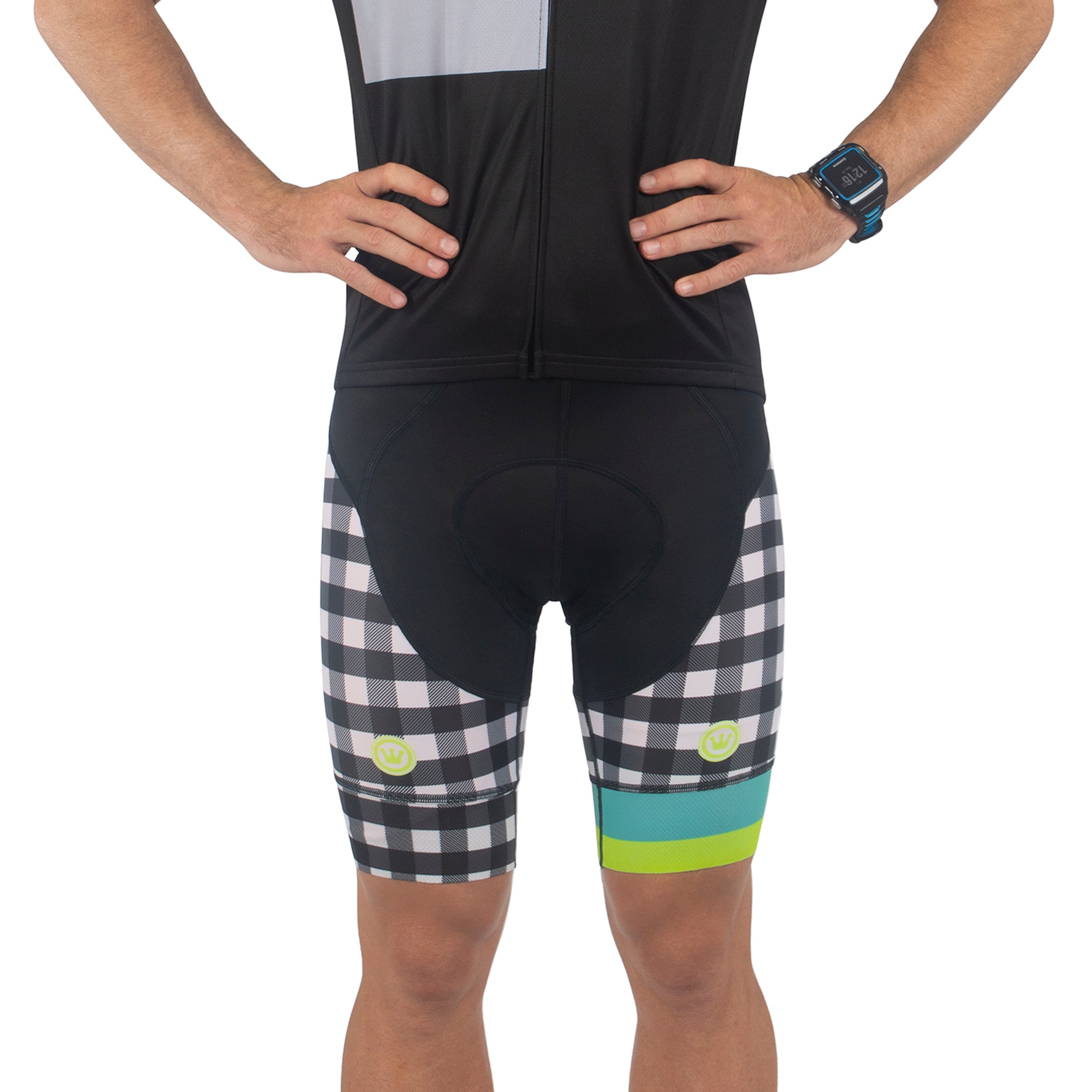

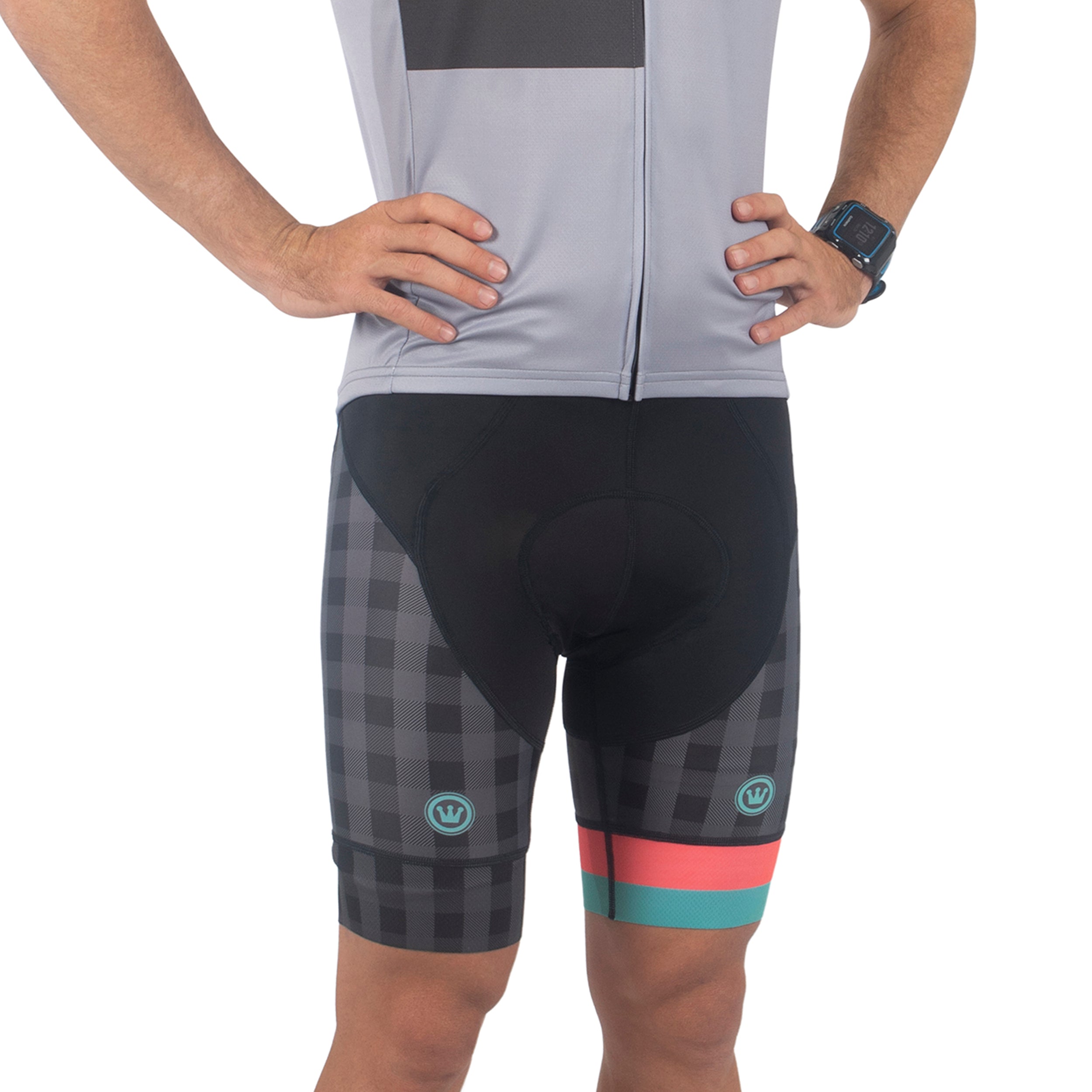



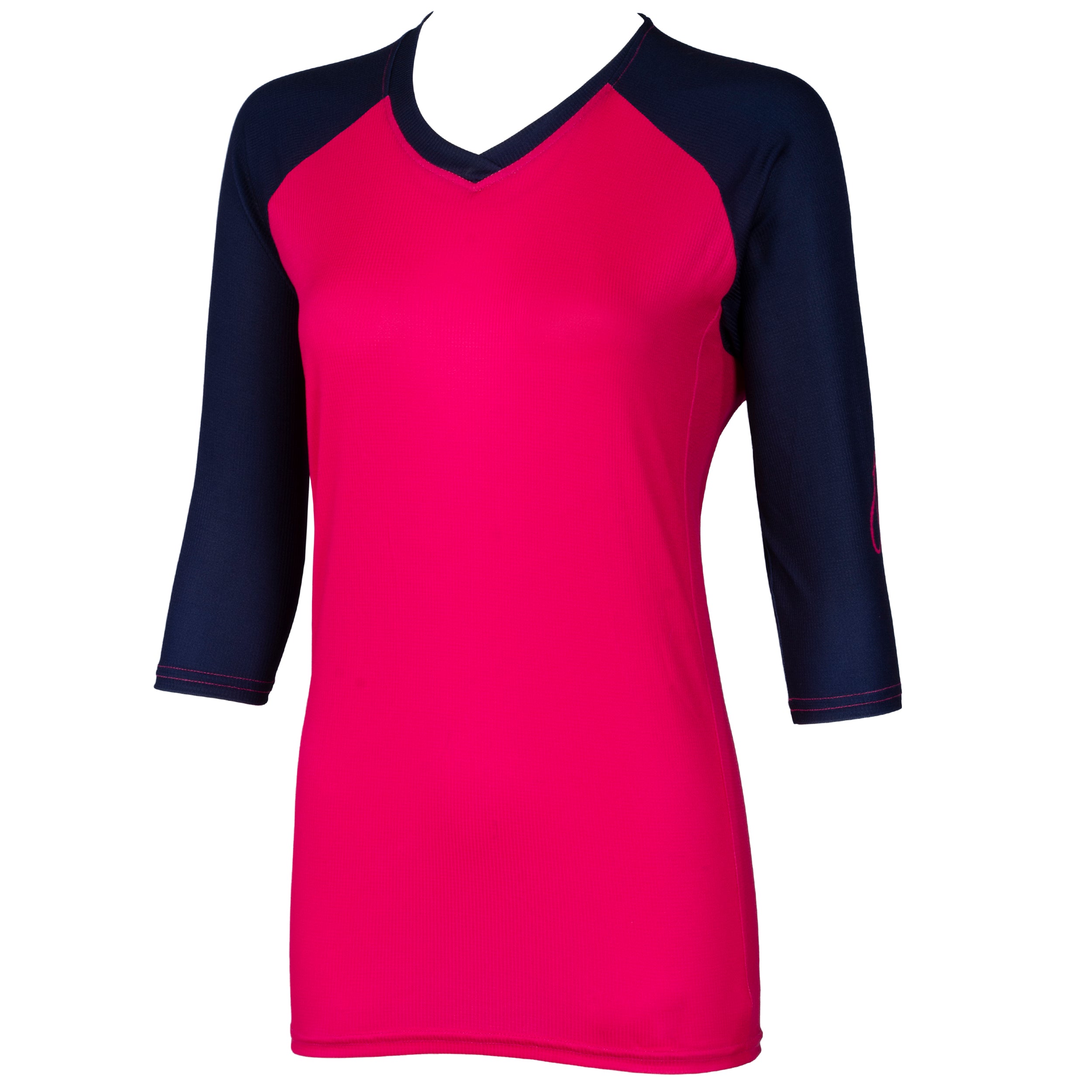

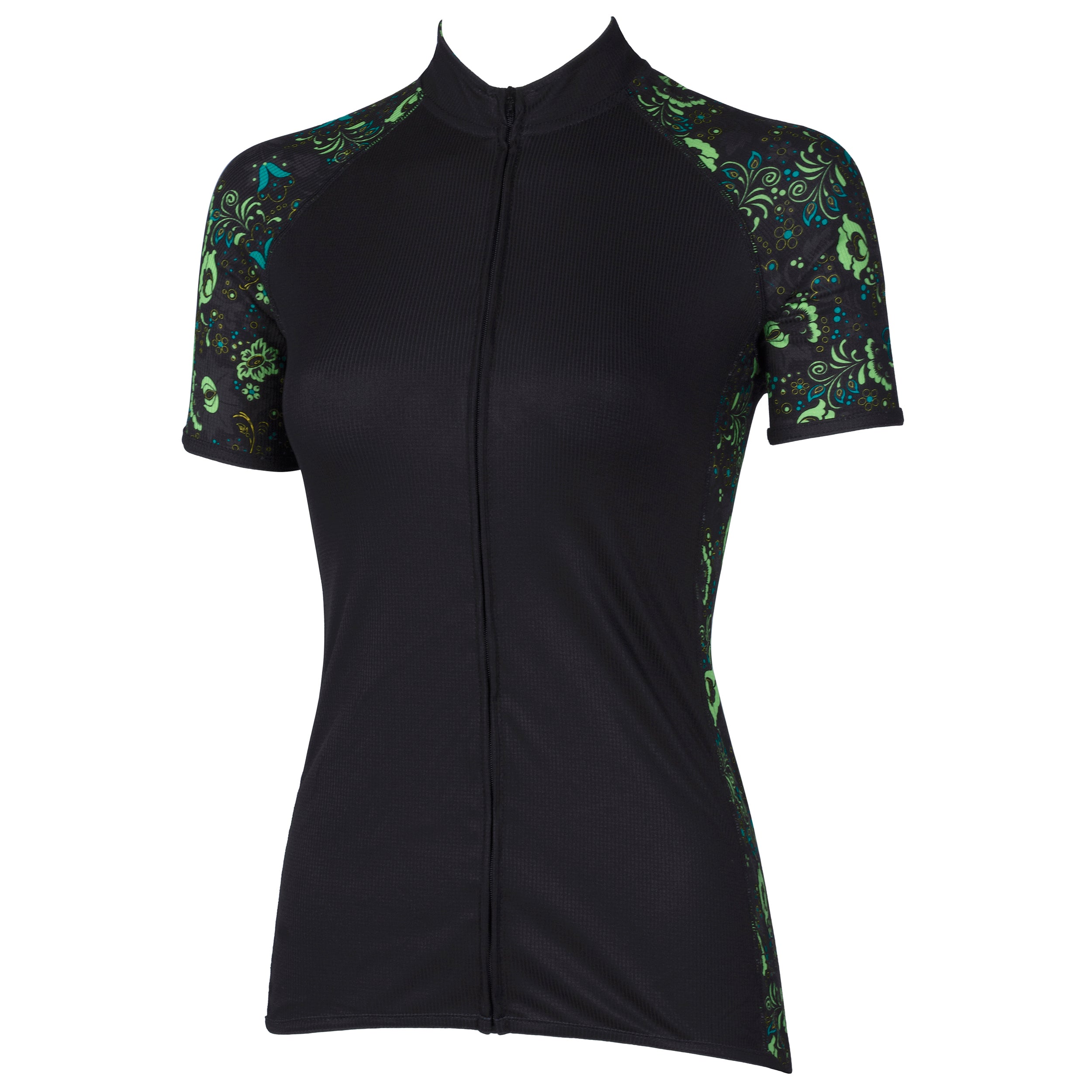

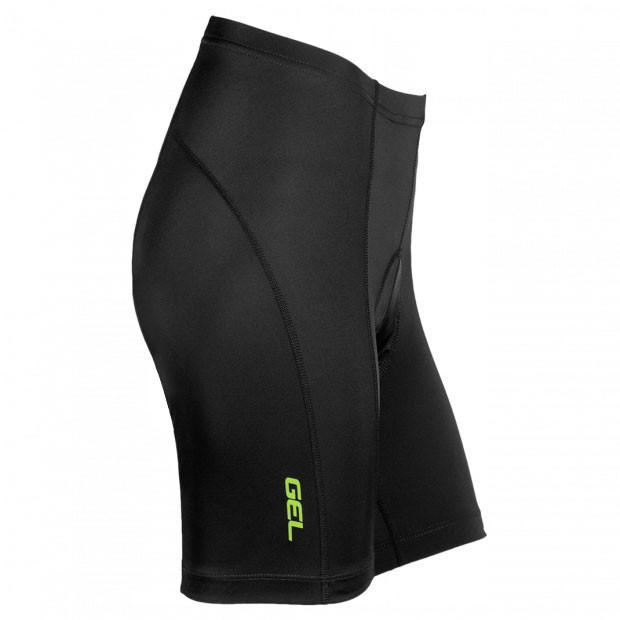

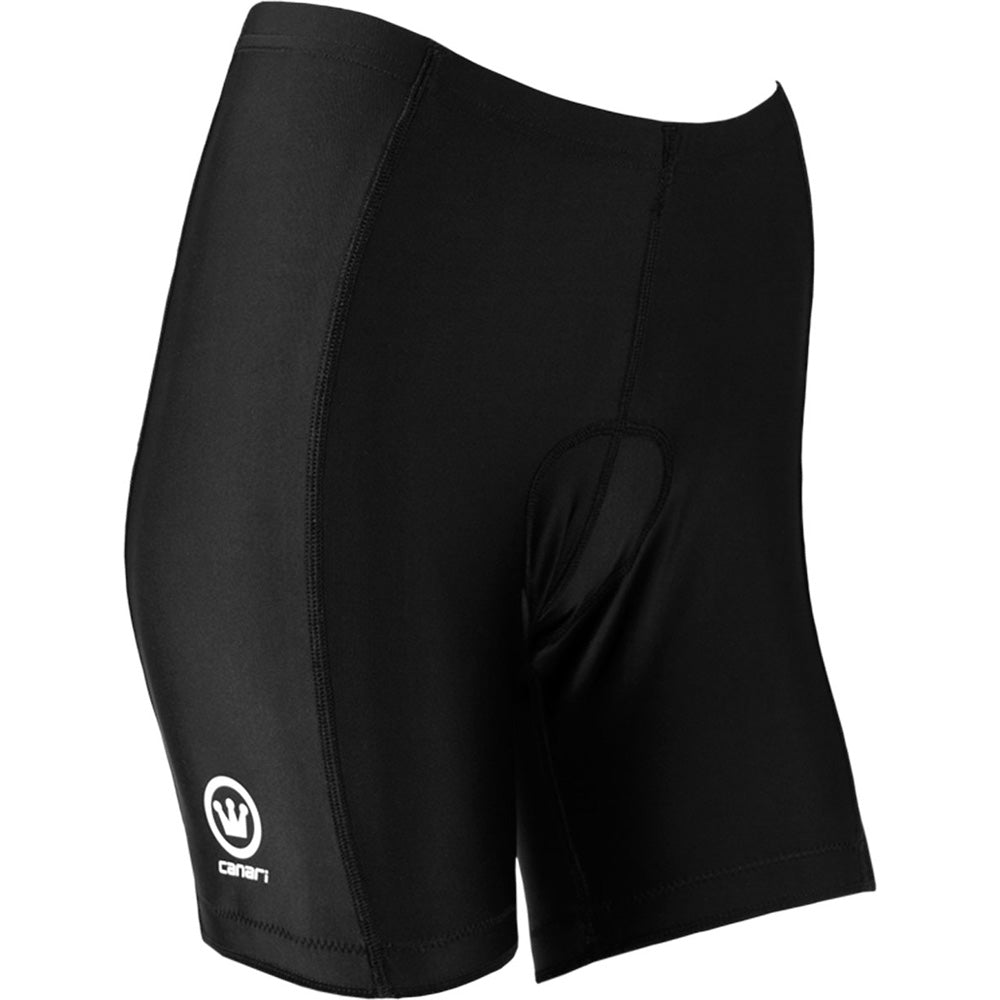

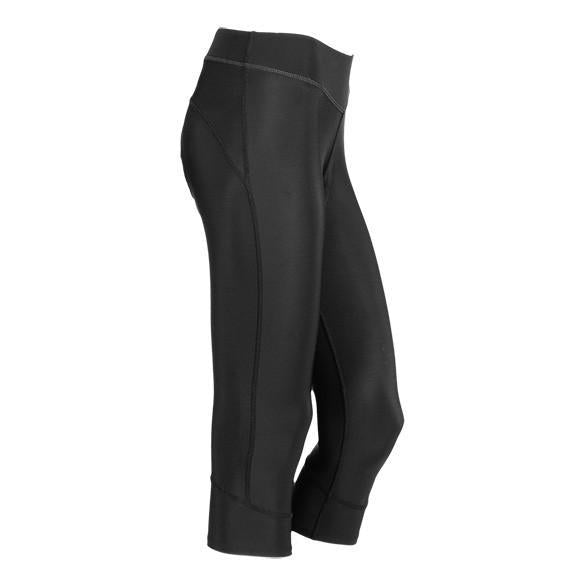

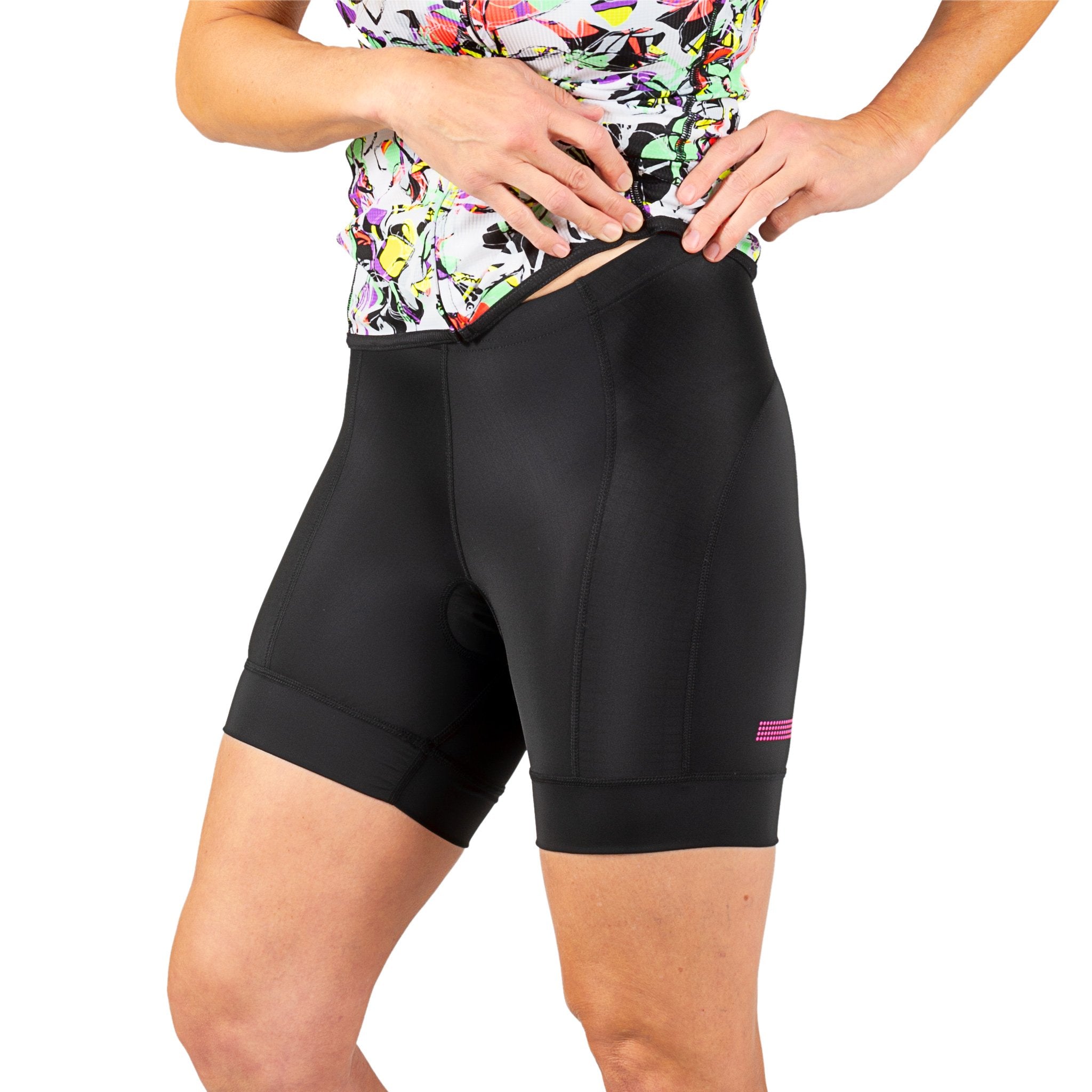














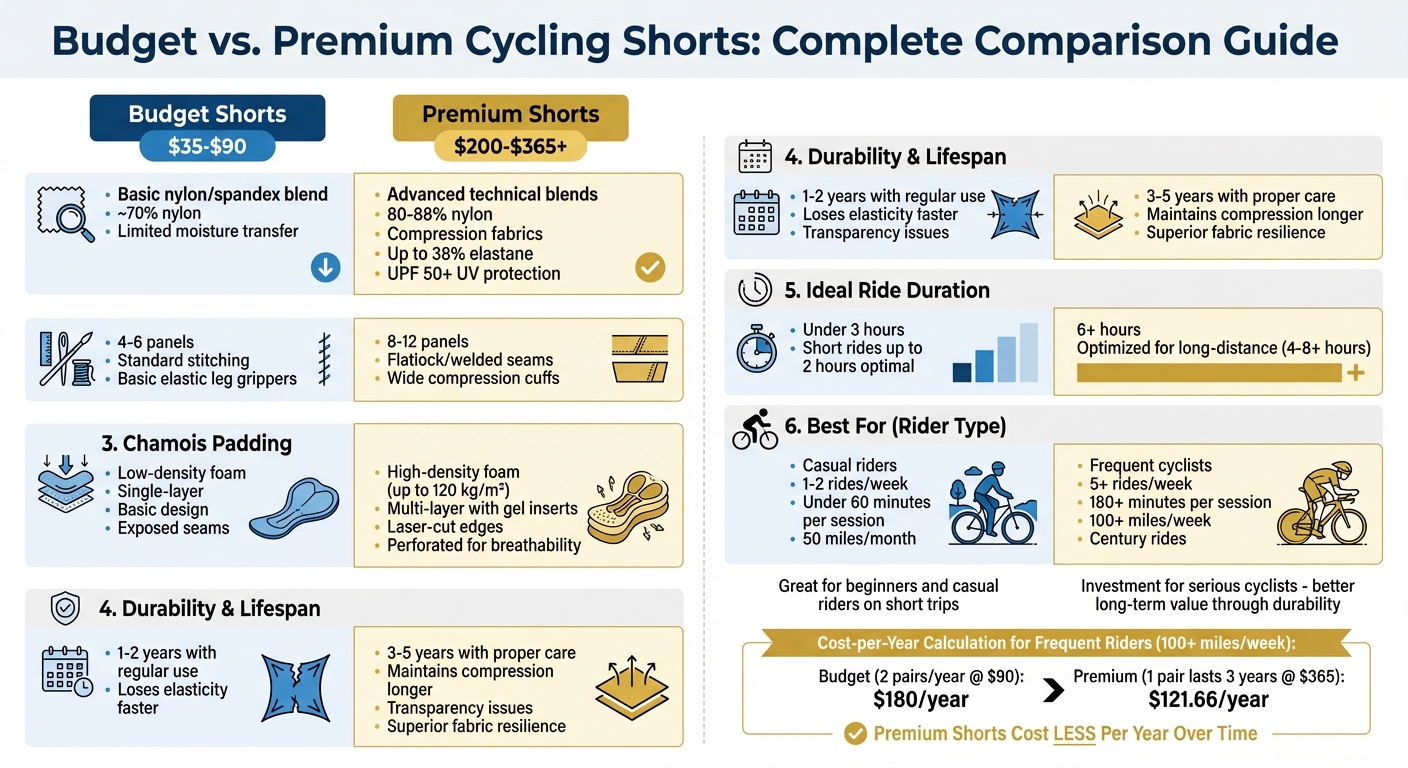
When choosing cycling shorts, the main differences between budget and premium options come down to materials, padding, construction, durability, and fit. Budget shorts, priced between $35 and $90, are suitable for shorter rides (under 3 hours). Premium shorts, costing $200 to $365+, excel in longer rides (6+ hours), offering better comfort, performance, and longevity. Here's what sets them apart:
- Fabric: Budget shorts use basic nylon-spandex blends, while premium models feature advanced materials for better moisture management, compression, and UV protection.
- Padding: Budget shorts use low-density foam, suitable for short rides. Premium options include multi-layer, high-density chamois with gel inserts for extended comfort.
- Construction: Premium shorts have flatlock seams, more panels (8–12), and advanced leg grippers for a tailored fit. Budget options often rely on basic stitching and fewer panels.
- Durability: Premium shorts last 3–5 years with proper care, while budget shorts may wear out within 1–2 years.
Quick Comparison
| Feature | Budget Shorts ($35–$90) | Premium Shorts ($200–$365+) |
|---|---|---|
| Fabric | Basic nylon/spandex | Advanced blends, compression, UV protection |
| Padding | Low-density foam | High-density, multi-layer, gel inserts |
| Construction | Standard stitching, 4–6 panels | Flatlock seams, 8–12 panels |
| Durability | 1–2 years | 3–5 years |
| Ride Duration | Under 3 hours | 6+ hours |
For casual riders, budget shorts work fine. Frequent or long-distance cyclists will benefit from the comfort and durability of premium options.
Budget vs Premium Cycling Shorts Comparison Guide
Materials and Fabric Quality
The type of fabric used in cycling shorts plays a big role in their stretch, breathability, and overall durability. Most cycling shorts are made from a nylon-spandex blend, with nylon providing strength and spandex (or Lycra) adding stretch. Typically, this blend is about 70% nylon and the rest spandex. However, these fabrics aren’t naturally breathable or good at wicking moisture unless they’re specially treated or knitted in a particular way. This is where budget and premium options start to differ.
Fabric Types and Weight
The fabric’s composition and weight can make a noticeable difference in performance.
Budget cycling shorts often stick to basic nylon-spandex blends without extra features. On the other hand, premium options incorporate advanced materials like polyester-spandex blends for better moisture management, dimpled mesh for improved aerodynamics, and high-compression fabrics that support blood flow.
"Nylon spandex, the base for most cycling-short fabrics has great stretch and durability. However, nylon spandex does not transfer moisture... and breathe until a finish is applied, or until the fabric is knitted a special way." - The Spoke Shop
High-compression shorts typically have a higher nylon content - around 80-88% - to provide a snug, supportive fit. Premium shorts also often feature UV protection rated at UPF 50+, while budget options rarely mention sun protection. These differences impact how the fabric feels on your skin and how effectively it handles sweat during long rides.
Seam Construction and Design
Fabric blends are only part of the story. How the shorts are constructed plays a big role in comfort and performance.
Seam quality is a key factor. Premium shorts use flatlock or welded seams that lay flat against the skin, avoiding the raised edges that can cause irritation or chafing. Budget shorts, on the other hand, often use standard stitching, which creates raised seams that can lead to discomfort over time.
The number of fabric panels also matters. Budget shorts typically use simpler 6-panel designs, while premium models feature 8, 10, or even 12 panels. This allows for a more tailored fit, especially in the cycling position. However, more panels mean more seams, and premium shorts address this by positioning seams away from high-friction areas and using advanced stitching techniques. Budget options often miss this detail, placing seams near the chamois pad or inner thigh, which can lead to groin irritation on longer rides.
"The more panels the shorts have, the more curvature they have, and usually the better they fit and more natural they feel." - The Spoke Shop
Leg grippers are another area where construction quality shows. Budget shorts often rely on basic elastic bands with silicone dots. These can pull on leg hair and lose elasticity quickly - some models showed wear after just four rides. Premium shorts, by contrast, use wide compression cuffs that stay in place without tugging on skin or hair.
These construction details highlight why premium shorts are more comfortable and perform better, especially on longer rides.
Comparison Table: Fabric and Construction
| Feature | Budget Cycling Shorts | Premium Cycling Shorts |
|---|---|---|
| Fabric Composition | Basic nylon/spandex; limited moisture transfer | Advanced technical blends; compression; aerodynamic textures |
| Nylon Content | ~70% nylon | 80-88% nylon for high compression |
| Panel Count | 4 to 6 panels | 8 to 12 panels |
| Seam Type | Standard or basic flat seams | Flatlock or welded seams |
| Breathability | Lower; relies on basic finishes | High; technical knits and hydrophobic polyester fibers |
| UV Protection | Rarely specified | Often UPF 50+ |
| Leg Grippers | Basic elastic with silicone | Wide compression cuffs |
sbb-itb-1992862
Chamois Padding Performance
After evaluating fabric and construction, the performance of the chamois pad stands out as a crucial factor in ensuring comfort during extended rides. The chamois is the heart of cycling shorts, and its quality can vary significantly between budget and premium options. Both aim to cushion your sit bones and reduce friction, but they achieve this through markedly different approaches.
Padding Thickness and Density
Budget chamois often feel thick but are made with low-density foam. This material compresses easily under body weight, leaving you pressed against the saddle during your ride. On the other hand, premium chamois, though thinner, are crafted with much denser materials - sometimes reaching densities as high as 120 kg/m². This density provides consistent support without collapsing under pressure.
Budget options typically feature single-layer foam construction, designed for rides lasting up to two hours. Premium chamois, however, use advanced materials like high-density foam, gel inserts, or hybrid memory foam that excel during rides of 4 to 8+ hours. These high-end pads often incorporate multi-layer designs, laser-cut edges, and flat seams to reduce friction. In contrast, budget pads generally have simpler designs with exposed seams, which can lead to chafing on longer rides.
For short rides under 10 miles, thin foam padding may suffice. However, for long-distance or frequent cycling, high-density gel or dual-density foam is essential to absorb road vibrations and prevent numbness. Premium chamois also often include perforated top layers or open-cell foam to improve breathability. Budget versions, lacking these features, tend to trap heat and moisture, which can compromise comfort and durability.
Durability and Degradation
The lifespan of a chamois pad varies widely depending on its quality. Budget chamois typically last 6 to 12 months, while premium models can endure 3 to 5 years with proper care. Low-density foam in budget pads tends to compress over time, becoming misshapen and losing its cushioning properties. In contrast, premium high-density foam and gel inserts maintain their shape and performance over a much longer period.
A quick "squeeze test" can help identify chamois quality. If the pad collapses easily like a sponge, it’s likely a low-density budget pad. Premium pads, by contrast, feel firmer and offer more resistance. It's time to replace your shorts when the chamois feels flat, becomes misshapen, or retains odors even after washing.
Comparison Table: Padding Performance
| Feature | Budget Shorts (~$50) | Premium Shorts ($150+) |
|---|---|---|
| Padding Density | Low-density; "squishy" feel | High-density (up to 120 kg/m²); firm support |
| Construction | Single-layer; simple design | Multi-layer; anatomically sculpted |
| Ideal Ride Length | Short rides (up to 2 hours) | Long rides (4 to 8+ hours) |
| Seam Quality | Exposed seams (chafe risk) | Laser-cut, flat or seamless |
| Expected Lifespan | 6 months to 1 year | 3 to 5 years |
| Vibration Control | Basic foam dampening | Advanced gel or memory foam absorption |
| Breathability | Basic moisture-wicking | Perforated layers for airflow |
Durability and Lifespan
Once you've evaluated the padding in cycling shorts, it's time to consider their durability. Over time, the true cost of a pair of shorts becomes evident. High-end options, when cared for properly, can last over three years, while budget-friendly pairs often wear out within one to two years of regular use. This disparity largely comes down to differences in fabric quality, construction techniques, and overall component resilience.
Wear and Tear Resistance
The durability of cycling shorts is closely tied to the materials used. Premium shorts are made with high-grade elastane yarns that maintain their compression over time. On the other hand, budget fabrics tend to lose elasticity faster, which can lead to sagging or even transparency after repeated use. Elastane, a key component, is particularly prone to damage from sweat, UV exposure, abrasion, and constant stretching.
Construction quality is another critical factor. Premium shorts often feature 8 or more anatomical panels stitched together using flatlock methods. This type of stitching reduces tension on seams and prevents failures during activities like climbing. In contrast, budget shorts typically use 4 to 6 panels with standard overlock stitching, which can create stress points and lead to seam damage over time. When elastane threads break, they often leave behind white debris or loose yarn, signaling that the fabric's structural integrity is compromised. Keeping these shorts in good condition helps maintain their performance and comfort during rides, making proper care essential.
Maintenance Requirements
Caring for your cycling shorts is key to extending their lifespan. Always wash them after each ride to remove sweat and bacteria, which can weaken the fabric. Use non-biological detergents, as biological formulas contain enzymes that can degrade elastane fibers. Avoid fabric softeners and bleach, as these can strip away moisture-wicking properties and reduce elasticity.
Air drying is equally important. High heat from dryers is one of the leading causes of elastane failure and can also damage the chamois pad. Turn your shorts inside out before washing to ensure the detergent cleans the chamois properly, and consider using a wash bag to protect hook closures. Rotating between multiple pairs of shorts can also help reduce wear and tear, as it minimizes the frequency of wash cycles. Following these care tips will help you get the most out of your shorts while maintaining their performance.
Comparison Table: Durability and Lifespan
| Feature | Budget Shorts | Premium Shorts |
|---|---|---|
| Expected Lifespan (Frequent Use) | 1–1.5 years | 2+ years |
| Expected Lifespan (Moderate Use) | 1.5–2 years | 3+ years |
| Expected Lifespan (Occasional Use) | 2–3 years | 4+ years |
| Fabric Type | Standard polyester/spandex | Premium nylon/spandex |
| Panel Count | 4 to 6 panels | 8+ anatomical panels |
| Seam Construction | Standard overlock | Flatlock/high-density stitching |
| Elasticity Retention | Degrades faster | Maintains compression longer |
| Common Failure Points | Transparency, broken seams | Gradual loss of compression |
| Washing Requirements | Non-biological detergent, air dry | Non-biological detergent, air dry |
Fit, Comfort, and Performance Features
When it comes to cycling shorts, fit and comfort aren't just about feeling good - they directly influence how well you perform on your ride. Premium shorts are designed to align with your body’s natural posture while riding, providing a tailored experience. On the other hand, budget-friendly options often prioritize cost savings, which can lead to compromises in anatomical design. These differences become much more noticeable during rides that extend beyond three hours.
Fit and Compression
One key factor in achieving the perfect fit is the number of fabric panels used to construct the shorts. Premium options typically feature 8 to 12 panels, which allow the material to contour seamlessly to your riding position. In contrast, budget shorts usually stick to 4 to 6 panels, which can result in a less precise fit. This may lead to issues like fabric bunching or restricted movement, especially during longer rides.
Another standout feature of premium shorts is their use of advanced compression fabrics. These materials are designed to support your muscles by improving blood circulation and reducing lactic acid buildup, which helps delay fatigue on extended rides. Some high-end options even include fabrics with up to 38% elastane, creating a "second skin" effect that enhances muscle support throughout each pedal stroke. Budget shorts, on the other hand, rely on standard spandex, which offers a snug fit but lacks these added performance benefits.
A proper fit should feel slightly tight when you’re standing upright. As Assos explains, "You should not be able to stand up straight without feeling a significant amount of tension down your back". This tension is intentional - it disappears when you move into a riding position, ensuring the shorts mold perfectly to your body.
Premium bib shorts also come equipped with advanced leg grippers, often made with wide silicone bands or raw-cut edges. These keep the chamois securely in place without leaving marks on your skin. Budget versions may rely on narrower elastic grippers, which can degrade faster and struggle to prevent "pad migration", where the chamois shifts during your ride. Together, these fit enhancements provide a solid foundation for the comfort features that follow.
Comfort Features
Premium shorts go beyond fit to incorporate features that minimize friction and regulate temperature, enhancing comfort on long rides. For instance, premium models use flat-lock or welded seams, strategically positioned away from high-friction areas like the inner thighs, to reduce the risk of chafing. Budget shorts often place seams in less ideal locations, which can cause discomfort over time.
Ventilation is another area where premium shorts excel. They often include perforated chamois pads, open-panel bib straps, and lightweight mesh back panels to help dissipate heat. In contrast, budget shorts tend to use heavier Lycra fabrics, which can feel restrictive and overly warm during summer rides. Premium bib straps also stand out with designs like the "X-frame" or seamless elastic, which reduce bulk and improve comfort. Budget straps, however, can be less durable and may lose their shape over time.
These comfort-focused features, combined with superior padding, make premium shorts ideal for rides lasting 6+ hours. Budget options, by comparison, often reach their comfort limit at the 3- to 4-hour mark.
Comparison Table: Fit and Features
| Feature | Budget Shorts ($30–$135) | Premium Shorts ($200–$365+) |
|---|---|---|
| Panel Count | 4–6 panels; less anatomical fit | 8–12 panels; precise body contouring |
| Compression Type | Basic spandex; basic snug fit | Targeted compression; reduces fatigue |
| Leg Grippers | Narrow elastic; degrades quickly | Wide silicone or raw-cut; stays secure |
| Seam Construction | More seams; standard stitching | Flat-lock or welded; reduces friction |
| Bib Straps | Basic elastic; less durable | X-frame or seamless; minimizes bulk |
| Ventilation | Heavier Lycra; basic mesh | Perforated pads; breathable materials |
| Comfort Duration | Best for rides under 3 hours | Optimized for rides of 6+ hours |
Price-to-Value Analysis: Choosing the Right Option
When selecting cycling shorts, it's important to align your choice with your riding habits. By considering factors like materials, padding, and fit, you can better understand how these elements impact long-term value. The key is to assess your riding frequency, ride duration, and how much comfort and durability matter to you over time.
Casual Riders vs. Frequent Cyclists
For riders sticking to shorter trips under three hours, budget-friendly shorts priced between $30 and $60 often suffice. As Oscar Huckle from BikeRadar explains:
"If your rides are under three hours, there isn't much of a benefit to spending more money when you can get perfectly acceptable levels of comfort at this price point".
A good example is the Canari Velo Gel Short, priced at $50, which offers gel padding and durable fabric without breaking the bank.
However, if your rides regularly exceed the three-hour mark, the differences between budget and premium shorts become more apparent. Budget options often suffer from issues like "packing out" padding and friction caused by extra seams. For cyclists covering 100+ miles weekly or tackling century rides, investing in premium shorts - ranging from $200 to $365+ - is crucial for preventing saddle sores and maintaining comfort during longer efforts.
For riders who fall somewhere in the middle - those logging three to four rides a week with sessions lasting 60 to 180 minutes - mid-range options priced between $90 and $160 strike a solid balance. These shorts provide better chamois quality and construction than budget models, offering improved comfort without the expense of premium gear.
Long-Term Cost Considerations
While casual riders may focus on upfront costs, frequent cyclists should weigh long-term durability. Premium shorts, though initially more expensive, can save money over time. Budget shorts often show wear quickly, losing elasticity, padding support, and seam strength within a few rides. If you replace a $40 pair every six months, the cumulative cost can outpace investing in a premium pair that lasts three to five years.
For high-mileage riders, premium shorts offer better long-term value. Casual cyclists logging around 50 miles a month may find budget shorts sufficient for a season. But for those riding 300 miles weekly, premium shorts - featuring 8 to 12 panels, reinforced stitching, and high-quality Italian fabrics - maintain their compression and comfort through hundreds of washes.
Comparison Table: Price-to-Value Recommendations
| Rider Type | Weekly Riding | Typical Ride Duration per Session | Recommended Price Range | Expected Value |
|---|---|---|---|---|
| Casual/Beginner | 1–2 rides per week | Less than 60 minutes | $30–$60 | Great for infrequent, low-stress use |
| Intermediate/Club | 3–4 rides per week | 60–180 minutes | $90–$160 | Balanced comfort and durability for regular use |
| Frequent/Advanced | 5+ rides per week | Over 180 minutes (or century rides) | $200–$365+ | Ideal for long rides and cost-effective over time |
Conclusion
Choosing the right cycling shorts comes down to how often and how far you ride, as well as the level of performance you're looking for. If you're a casual rider sticking to spin classes or short rides under 90 minutes, budget-friendly options in the $25–$60 range should meet your needs. These typically feature basic fabrics and multi-density foam padding for adequate comfort. On the other hand, premium shorts, priced between $100 and $365+, are designed for longer distances, offering advanced chamois with gel inserts and perforated layers to enhance breathability and overall comfort.
For instance, the Canari Evolution Short, priced at $100, provides compression that helps reduce muscle fatigue and lactic acid buildup, making it ideal for rides lasting over three hours. Premium shorts also hold up well over time, maintaining their compression and support through countless washes, which is a major plus for frequent cyclists.
Ultimately, your riding habits play a big role in determining the best choice. For those riding less than an hour a couple of times a week, budget shorts are a practical and affordable solution. However, if you're clocking 100+ miles weekly or tackling century rides, investing in premium gear is worth it to avoid saddle sores and stay comfortable over long distances.
Canari Cycling Apparel caters to a wide range of needs, from the $25 Core Short for beginners to the $140 Trinity Short, which features COLDBLACK™ technology to help regulate temperature. Whether you're after basic padding for leisurely weekend rides or high-performance compression for competitive cycling, Canari's lineup offers something to suit your riding style, budget, and comfort preferences.
FAQs
How do I know when it’s time to replace my cycling shorts?
When should you swap out your cycling shorts? Look for these telltale signs: the spandex starts to lose its stretch, seams begin to split, the grippers stop staying in place, the fabric turns see-through, or the shorts no longer hold their shape. These are clear indicators that your shorts have worn out and aren’t performing as they should.
What’s the easiest way to tell if a chamois pad is high quality?
When choosing a top-notch chamois pad, focus on materials like high-density foam or gel, which provide excellent cushioning. Look for features such as contoured designs for a better fit, breathable fabrics to keep you cool, and antimicrobial treatments to maintain hygiene. These qualities work together to boost comfort, durability, and cleanliness on your rides.
How should I wash and dry cycling shorts to make them last longer?
To keep your cycling shorts in great condition, proper washing is key. Start by turning them inside out, zipping up any zippers, and fastening velcro straps to avoid snagging the fabric. Use cold water and a gentle detergent - steer clear of bleach or fabric softeners, as these can harm the material. Opt for a delicate cycle on your washing machine or hand wash them for extra care. When it comes to drying, line dry whenever possible, or use a tumble dryer on low heat to protect the elastic and padding from wear and tear.

