
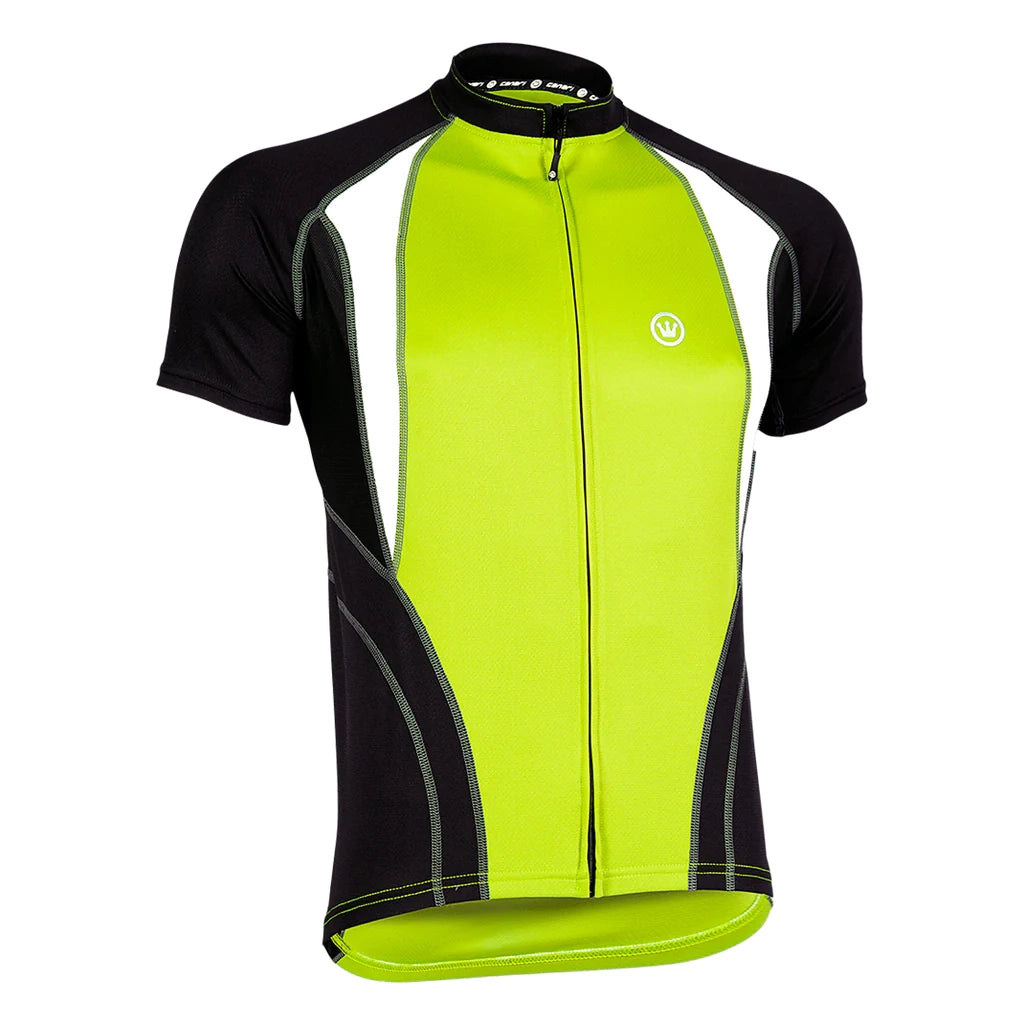

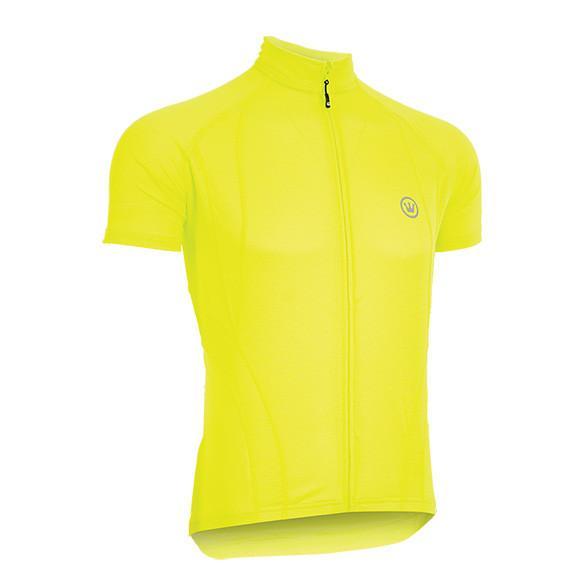

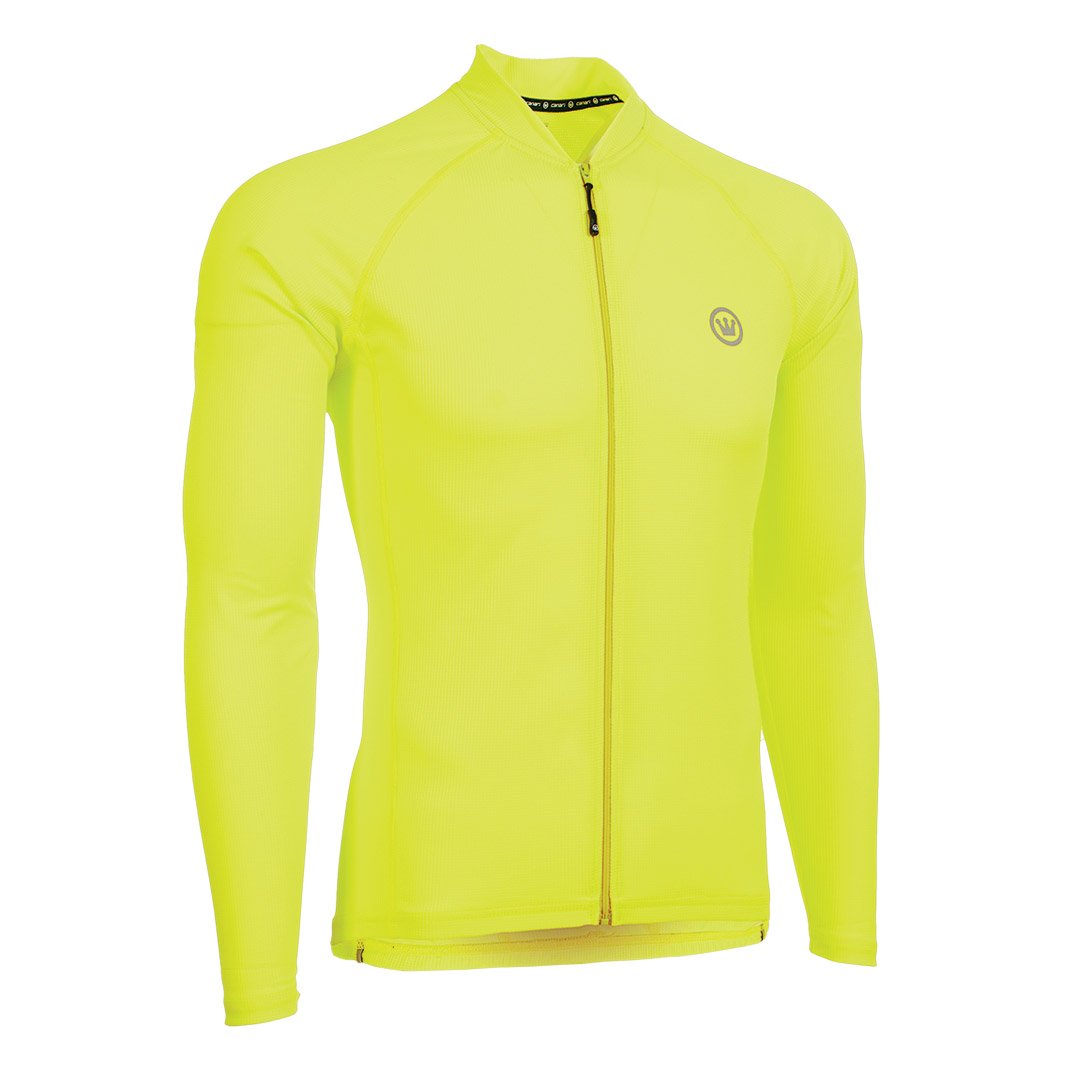

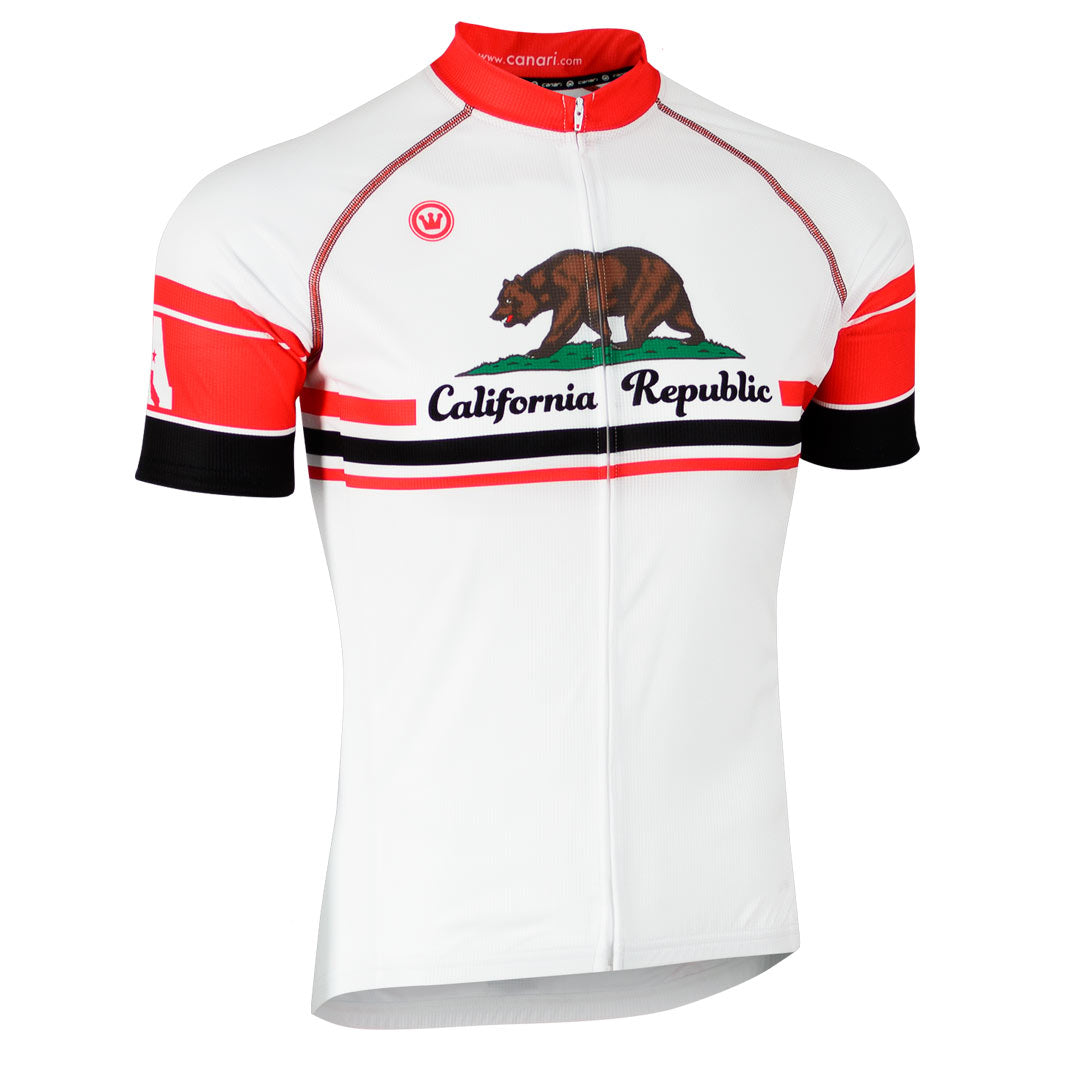






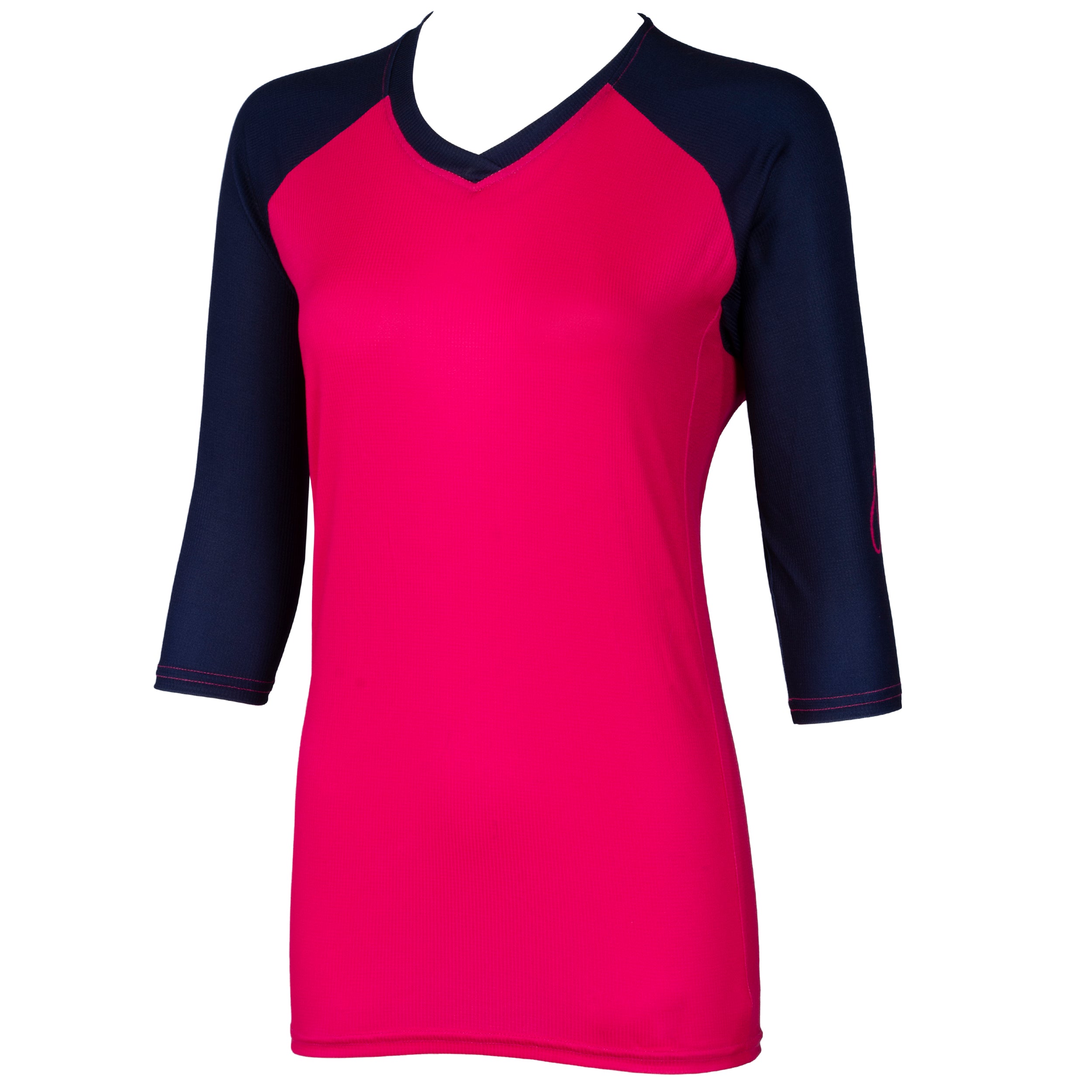

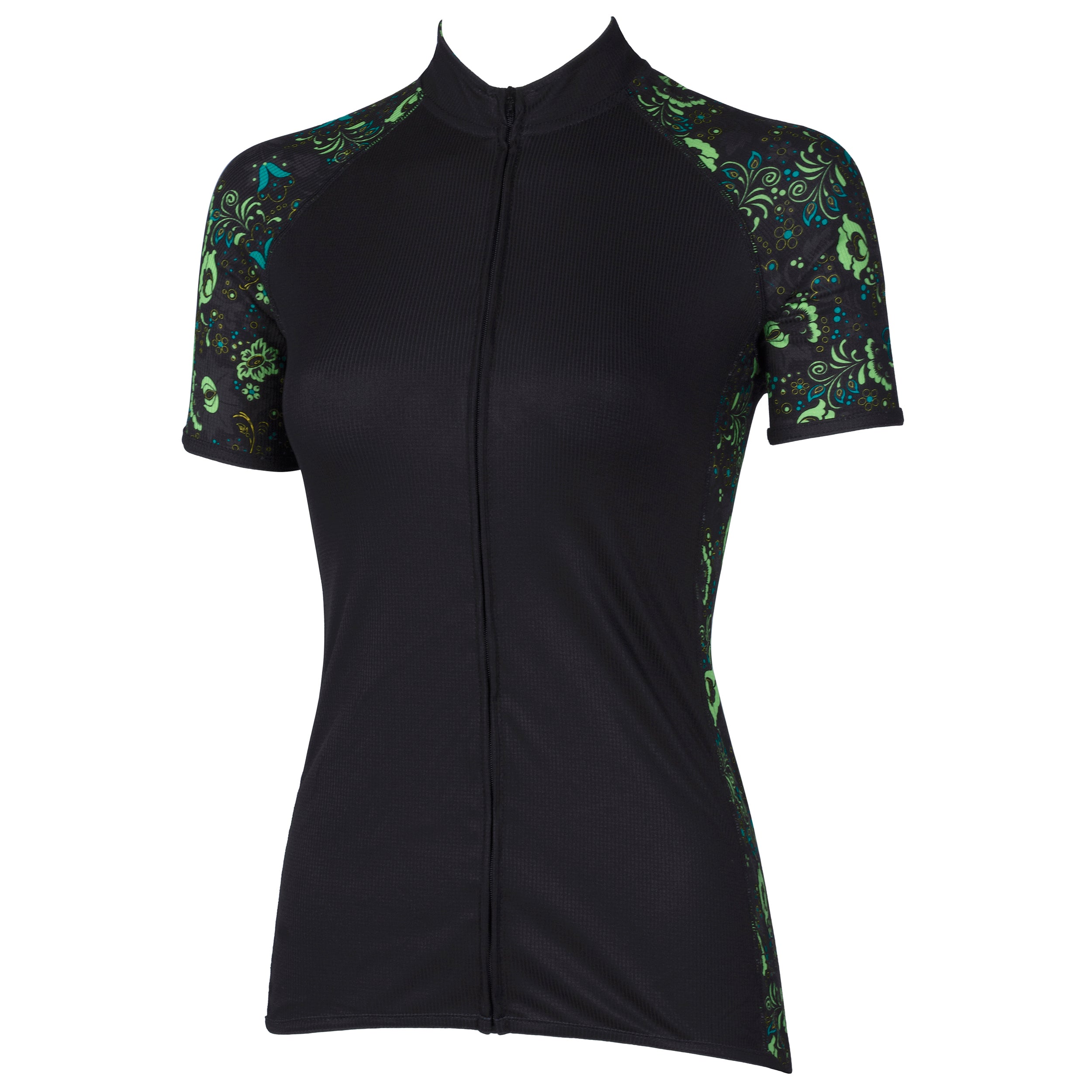

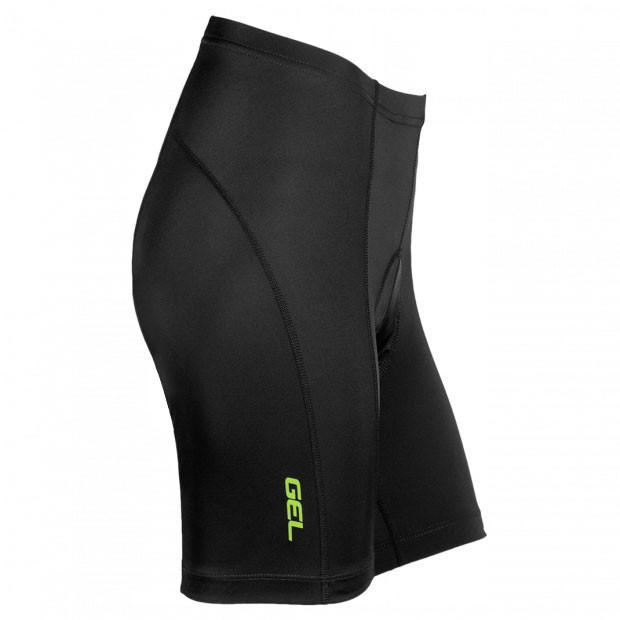

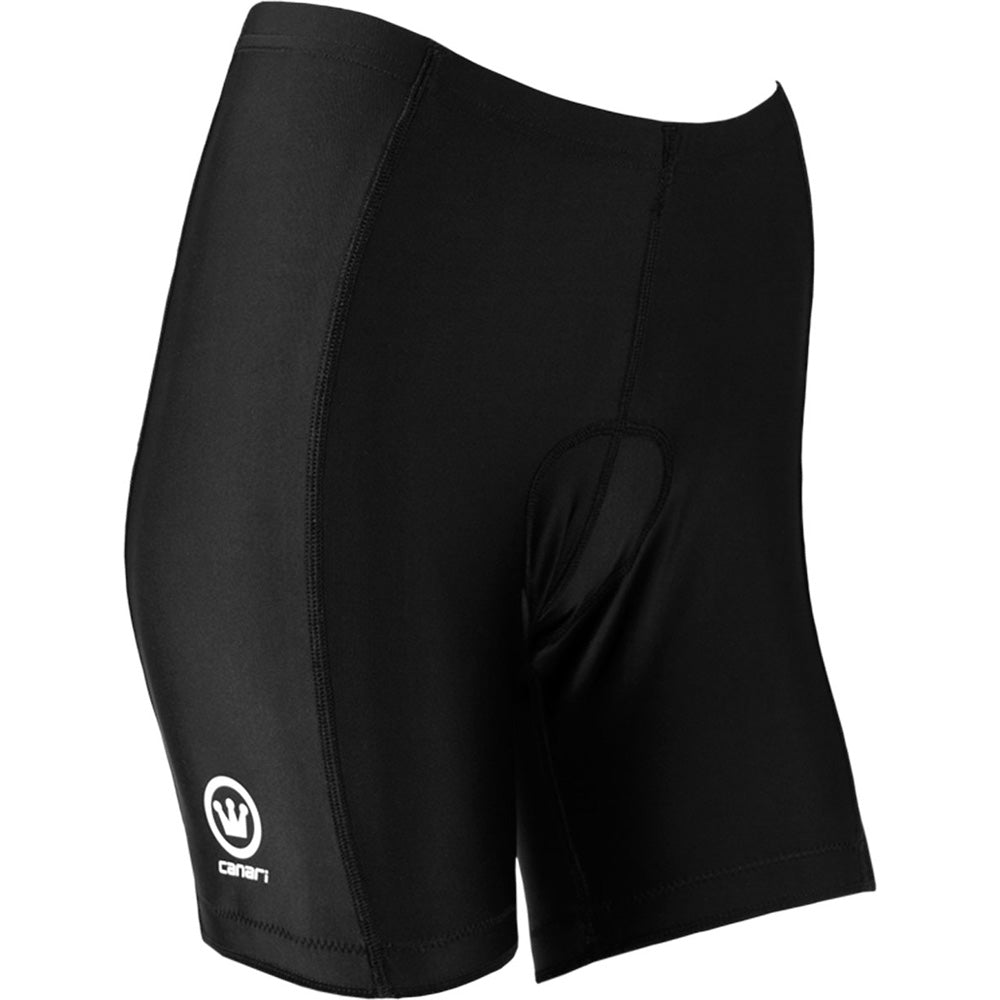













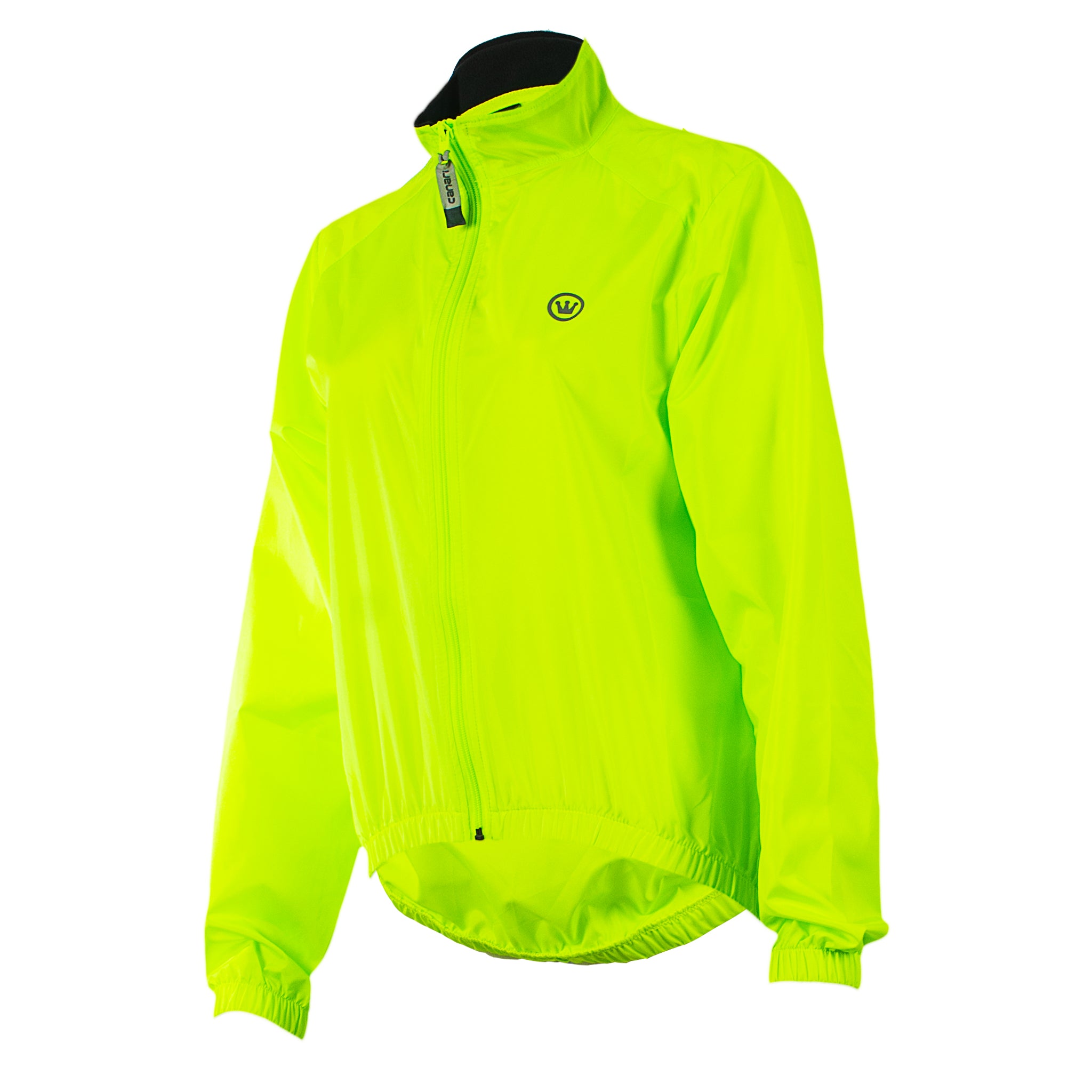

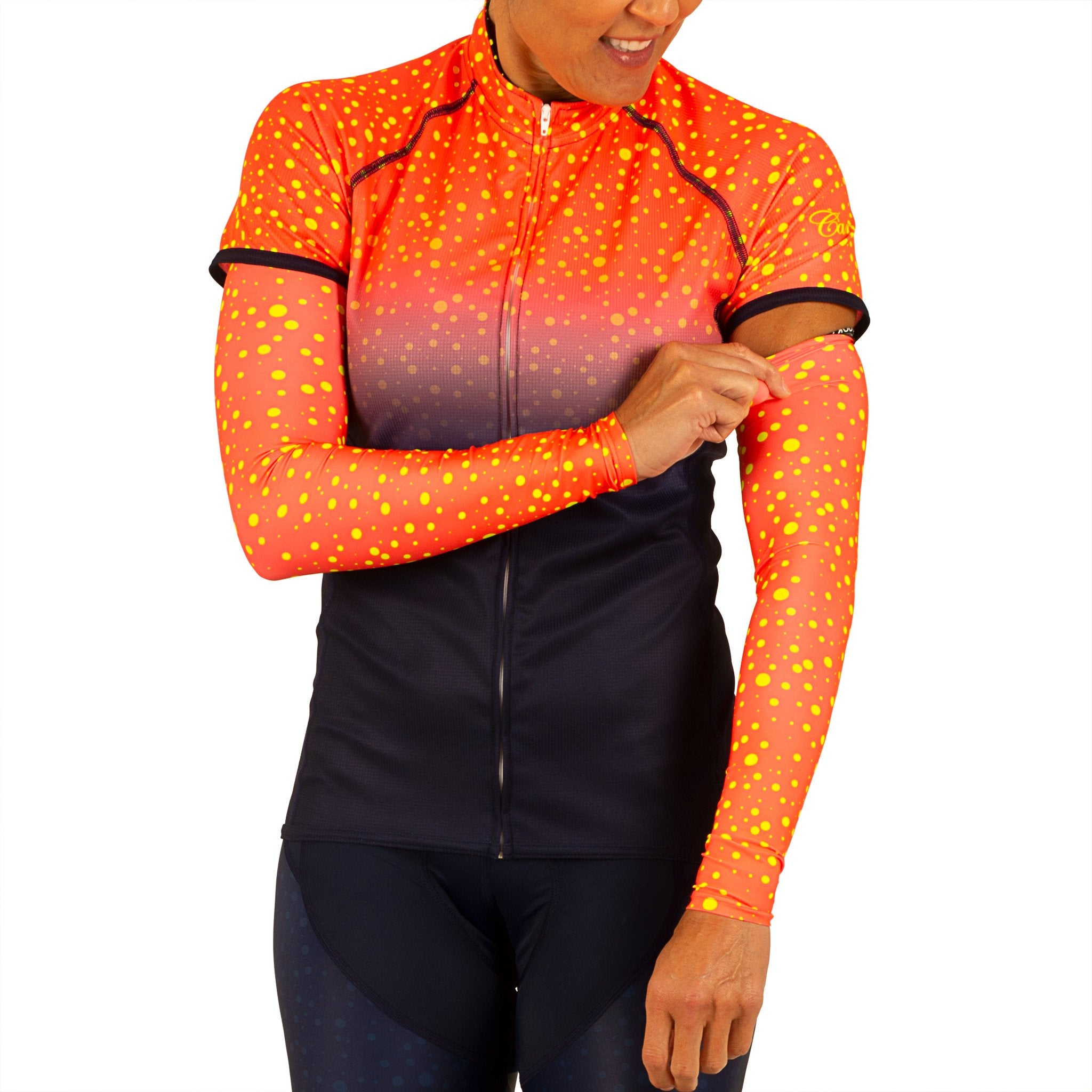


Cycling efficiency isn’t just about the bike - it’s also about what you wear. Modern cycling apparel is designed to reduce drag, manage sweat, and regulate temperature, helping you conserve energy and ride faster. Key advancements include:
- Aerodynamic fabrics: Tight, smooth materials reduce air resistance, saving 8–20 watts and shaving 30–90 seconds off a 40 km ride.
- Moisture-wicking technology: Pulls sweat away from your skin, improving cooling and reducing fatigue.
- Compression support: Stabilizes muscles, reduces vibration, and enhances power transfer, delaying fatigue during long rides.
- Thermal regulation: Materials like Outlast and PrimaLoft keep you cool in summer and warm in winter without adding bulk.
Whether you’re a racer or a casual rider, choosing the right gear can help you ride more efficiently and stay comfortable. Read on to learn how fabrics, design, and fit can transform your cycling experience.
The Science of Energy Efficiency in Cycling
When you're cycling, your body generates energy to keep you moving. But not all of that energy translates into forward motion - some of it gets lost along the way. Understanding where this energy goes and how it's used can help explain why your clothing choices matter just as much as your bike's setup. Let’s dive into how mechanical and metabolic factors influence your performance.
Mechanical Energy Efficiency
Mechanical efficiency measures how well your pedaling power turns into forward motion. As your power moves through the crank, chain, and wheels, small amounts of energy are lost at each step. However, at typical road speeds, the biggest energy drain isn’t from your bike’s drivetrain - it’s air resistance. Once you’re riding at speeds above 15–20 mph, a whopping 70–80% of your power output is spent fighting aerodynamic drag. And most of that drag comes from your body and clothing, not the bike frame itself.
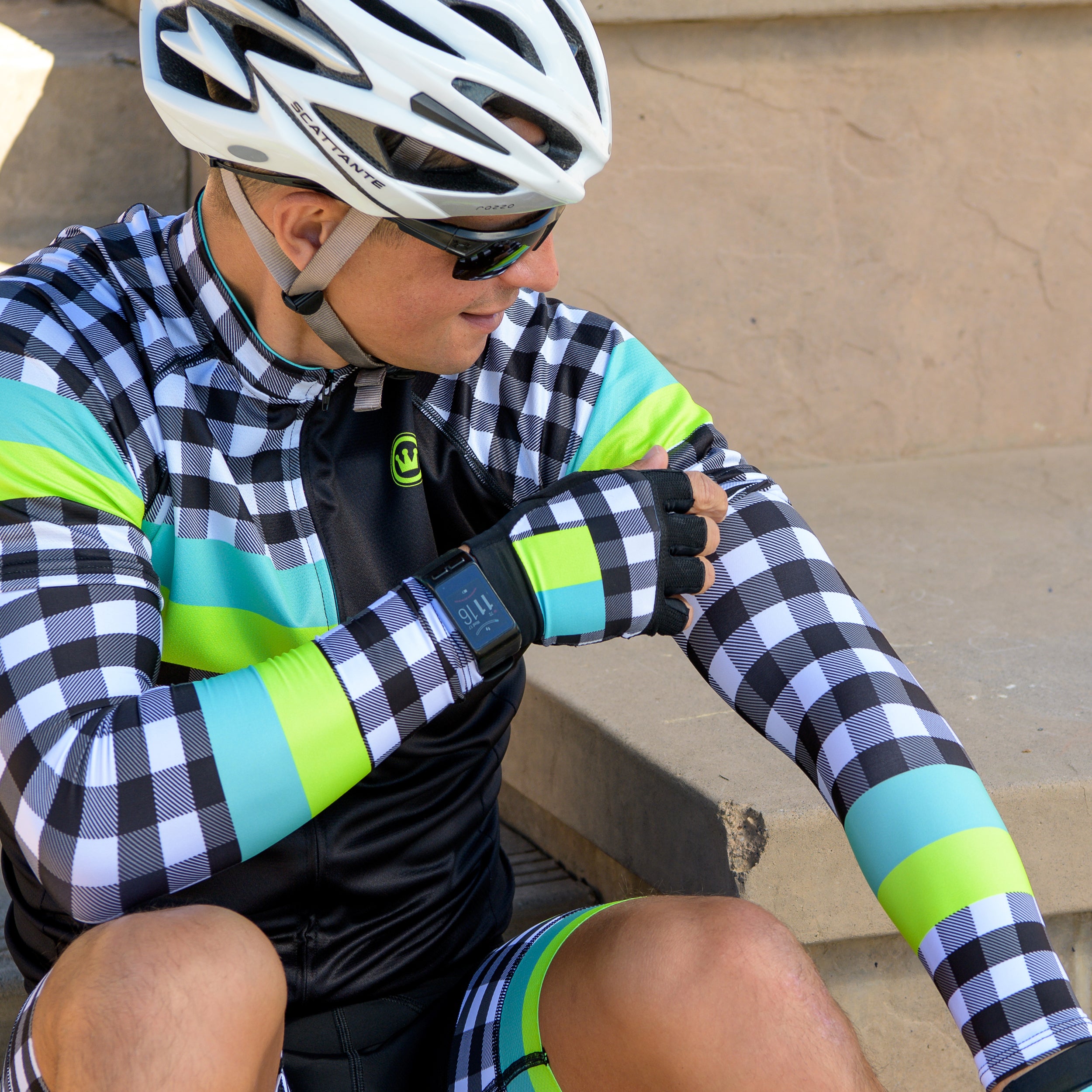
This is where the right cycling gear can give you an edge. For instance, a high-performance aero jersey can save you up to 20 watts at race speeds compared to a loose-fitting jersey. Research shows that wearing an entire aero kit can save between 14–22 watts and shave 60–90 seconds off a 40 km ride. These gains come from features like snug, body-hugging fits that reduce fabric flutter, smooth panels that keep airflow attached to your body, and minimal seams that cut down on turbulence. Even small details like flapping fabric or loose hems can create drag pockets that waste energy.
Metabolic Energy Efficiency
Metabolic efficiency focuses on how well your body converts fuel - like carbohydrates and fats - into the muscular work needed to pedal. Unfortunately, a significant amount of that energy is lost as heat instead of being used to power your ride. That’s why effective thermoregulation - maintaining a stable body temperature - is so important for endurance. As your core temperature rises, your body works harder to cool itself. This increases your heart rate and makes it feel tougher to maintain the same power output. Overheating or dehydration can push your body to burn more calories just to keep going, leaving less energy for your performance.
Cycling apparel designed to manage heat and moisture can help ease this strain. Technical fabrics with moisture-wicking properties pull sweat away from your skin and spread it across a larger area, speeding up evaporation and cooling your body. Some advanced garments even use phase-change materials (PCMs), which absorb, store, and release heat to keep your temperature steady. For example, fibers like Outlast have been shown to cut perspiration by up to 48% and reduce body temperature rise by about 8% (or 2 °F). These effects have been linked to improved breathing and a slower increase in heart rate during exercise. When your body isn’t overworking to cool itself, you can channel more energy into your ride.
Material Technologies in Energy-Efficient Cycling Apparel
Today's cycling gear is all about performance, and the fabrics used play a huge role in enhancing efficiency. By focusing on aerodynamics, moisture control, and weight reduction, modern materials help cyclists push their limits while conserving energy.
Aerodynamic Fabrics and Surface Textures
When it comes to cutting through the wind, fabric textures are more than just a design choice - they're a science. Smooth, tightly woven fabrics like polyester or polyamide are often placed on the chest and torso to reduce air resistance where the wind hits first. Meanwhile, textured or dimpled fabrics on areas like the shoulders, sleeves, and upper back create a controlled turbulence layer. This keeps the airflow attached to the rider's body longer, reducing drag and the wake behind them, which can slow them down.
Additionally, advanced synthetic knits that stay snug against the skin are key. These fabrics minimize wrinkles and eliminate unnecessary fabric movement, which can disrupt airflow and add drag. The result? A smoother, faster ride.
Moisture-Wicking and Sweat Management
Sweat is a natural part of cycling, but letting it linger can sap your energy. Dual-layer fabrics use a clever capillary action to pull moisture away from your skin, spreading it across the fabric's surface for quick evaporation. This not only keeps you drier but also prevents the uncomfortable "cling" of wet fabric, which can cause chafing and reduce efficiency.
Take TACTEL® nylon, for example - it dries eight times faster than cotton, is 20% lighter, and three times stronger than many natural fibers [4]. This means less weight from sweat-soaked gear and more energy for pedaling. Lightweight materials that still stand up to wear and tear ensure that your gear works as hard as you do, even during intense rides.
Lightweight and Durable Materials
Every gram counts when you're climbing hills or sprinting. Lightweight synthetics, often blends of polyester, nylon, or polyamide with elastane for stretch, form the backbone of modern cycling apparel. Summer jerseys typically weigh between 80–160 grams per square meter (gsm), while thermal gear for cooler days ranges from 200–300 gsm. These fabrics are designed to reduce the effort needed to move without compromising on durability.
High-strength yarns and dense knit structures ensure your gear can handle the rigors of cycling - sweat, repetitive motion, and exposure to the elements. For cold-weather rides, materials like 3M Thinsulate™ offer warmth without bulk, so you stay comfortable without sacrificing mobility or speed [4]. Brands like Canari Cycling Apparel incorporate these advanced materials into their designs, offering a balance of comfort, durability, and performance for both road and trail riders.
For those concerned about sustainability, recycled polyester (rPET) is a game-changer. It provides the same breathability and moisture-wicking properties as virgin fibers while using up to 59% less energy during production. It's a win for both performance and the planet.
Design Features for Aerodynamic Efficiency
The way cycling apparel is designed plays a big role in reducing aerodynamic drag. Thoughtful design elements - like the placement of seams and how the fabric fits your body - can shave off valuable watts and seconds during every ride.
Seam Placement and Silhouette Design
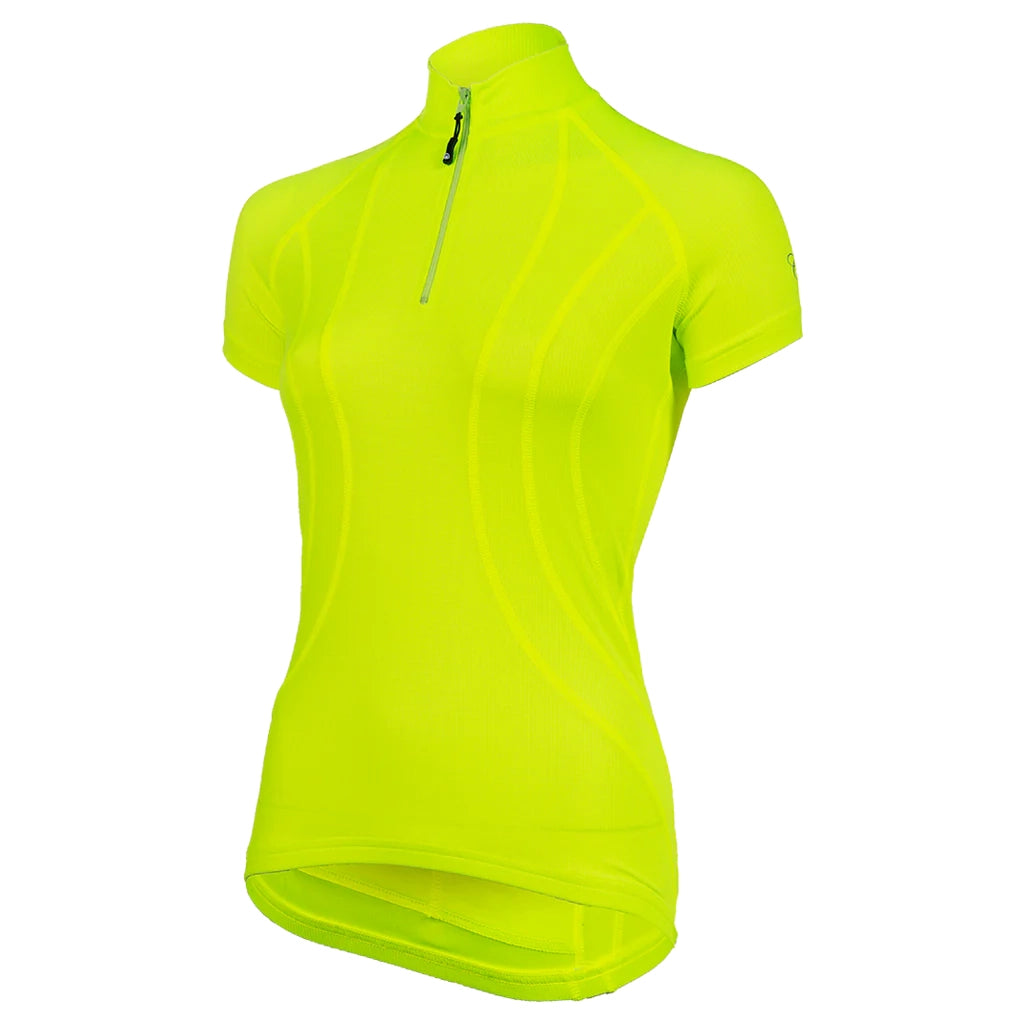
Seams aren’t just there to hold your jersey together; they influence how air flows around your body. Modern cycling jerseys use body-mapped paneling, strategically placing smooth fabric in key areas like the chest and torso, where wind pressure is the greatest. Meanwhile, seams are shifted away from high-wind zones, such as the front of the shoulders, to avoid creating turbulence or drag.
Designers now rely on 3D modeling of riding postures to ensure the panels fit perfectly when you're leaning forward on the hoods or drops. This eliminates wrinkles and excess fabric that could flap in the wind. Some jerseys even feature textured or ribbed fabrics on the shoulders and upper back to create controlled turbulence. This helps keep airflow attached to your body for longer, reducing the wake of drag behind you.
These design tweaks aren’t just for looks - they translate into measurable performance gains. U.S. cyclists can benefit from time savings and power reductions that might mean the difference between finishing mid-pack or landing on the podium. But design is only part of the equation; fit is equally critical for optimizing airflow.
Tight-Fitting vs. Loose Apparel
Loose-fitting clothing is a major culprit when it comes to aerodynamic drag. Baggy jerseys or jackets that flap in the wind increase your frontal area and create turbulence, slowing you down significantly. Wind-tunnel tests have shown that switching to aero-specific gear can save a considerable amount of energy. For instance, wearing a full aero kit (jersey, bibs, and accessories) can save 14–22 watts and 60–90 seconds over a 40-kilometer ride compared to standard cycling gear.
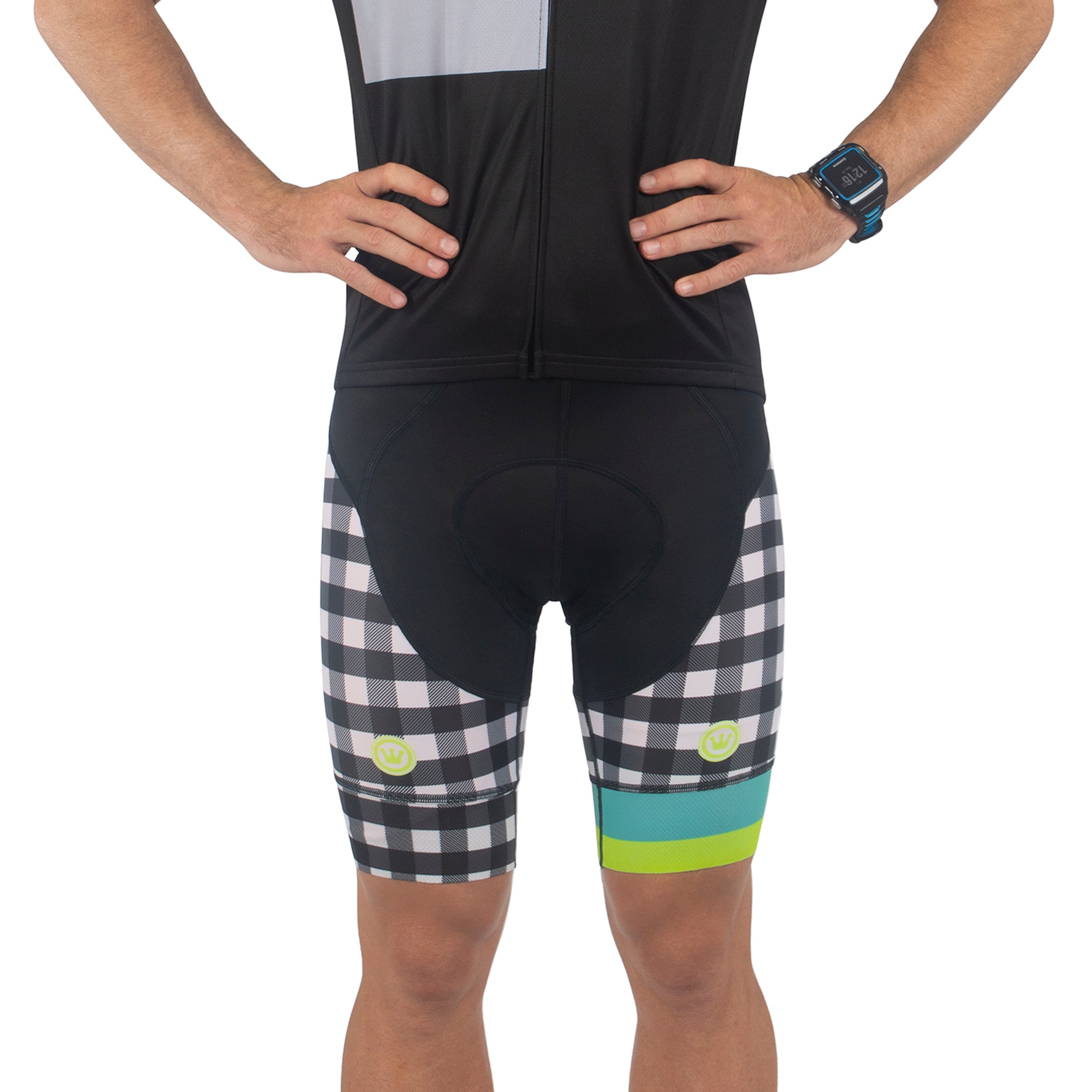
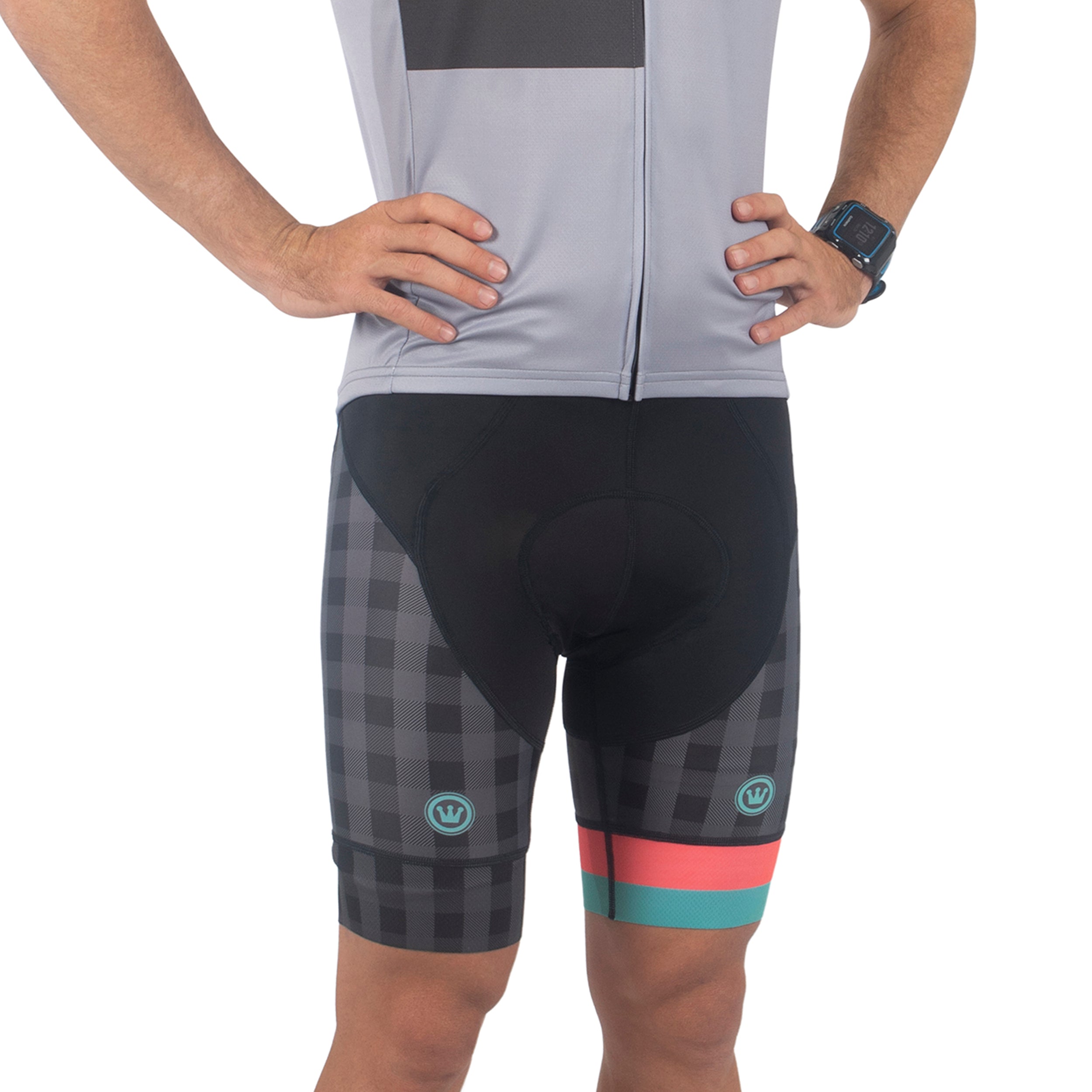
Tight-fitting apparel eliminates unnecessary drag by keeping fabric smooth and secure. Silicone grippers at the hem and sleeves help lock everything in place, ensuring the jersey doesn’t shift or bunch up. The goal is a snug fit that lies smooth across your chest and shoulders, with sleeves that stay close to your arms from shoulder to elbow. Any loose or billowing fabric in the front is a no-go.
Of course, comfort is just as important. Chafing or numbness can sap your energy and cancel out aerodynamic benefits. When shopping for gear, look for terms like "aero fit", "race patterning", or "body-mapped" designs. Pay attention to seam placement - avoiding seams across the chest or shoulders is key. Canari Cycling Apparel incorporates these aerodynamic principles to help riders convert every ounce of energy into speed, reinforcing a commitment to performance-focused design. These features set the stage for other performance benefits discussed later.
sbb-itb-1992862
Thermal Regulation and Energy Efficiency
The right cycling gear does more than just look good - it helps your body maintain an ideal temperature during rides. By managing heat effectively, your body can focus on delivering power instead of wasting energy trying to stay warm or cool. Let’s dive into how ventilation and insulation work together to achieve this balance.
Ventilation and Cooling Features
Modern cycling jerseys are built to keep you cool and dry, even during intense rides. Advanced designs use raised yarn structures to minimize that uncomfortable wet-cling feeling and often feature cool-touch yarns to provide a refreshing sensation. To tackle heavy sweating, designers strategically place dry zones in areas like the lower back and underarms.
Some jerseys even incorporate cutting-edge materials like phase-change fabrics such as Outlast. These materials absorb and store excess heat as your body warms up, releasing it when needed to maintain a steady temperature. This continuous heat management not only keeps you comfortable but also helps regulate your breathing and heart rate during tough climbs or sprints.
Insulation for Cool Weather Cycling
When the temperature drops, staying warm without feeling bulky becomes essential. Insulation technologies like PrimaLoft® step up to the challenge by using ultra-fine fibers to create tiny air pockets that trap heat while blocking out the cold. For even more protection, many winter cycling garments pair fleece-lined fabrics with windproof membranes, offering a solid barrier against freezing winds.
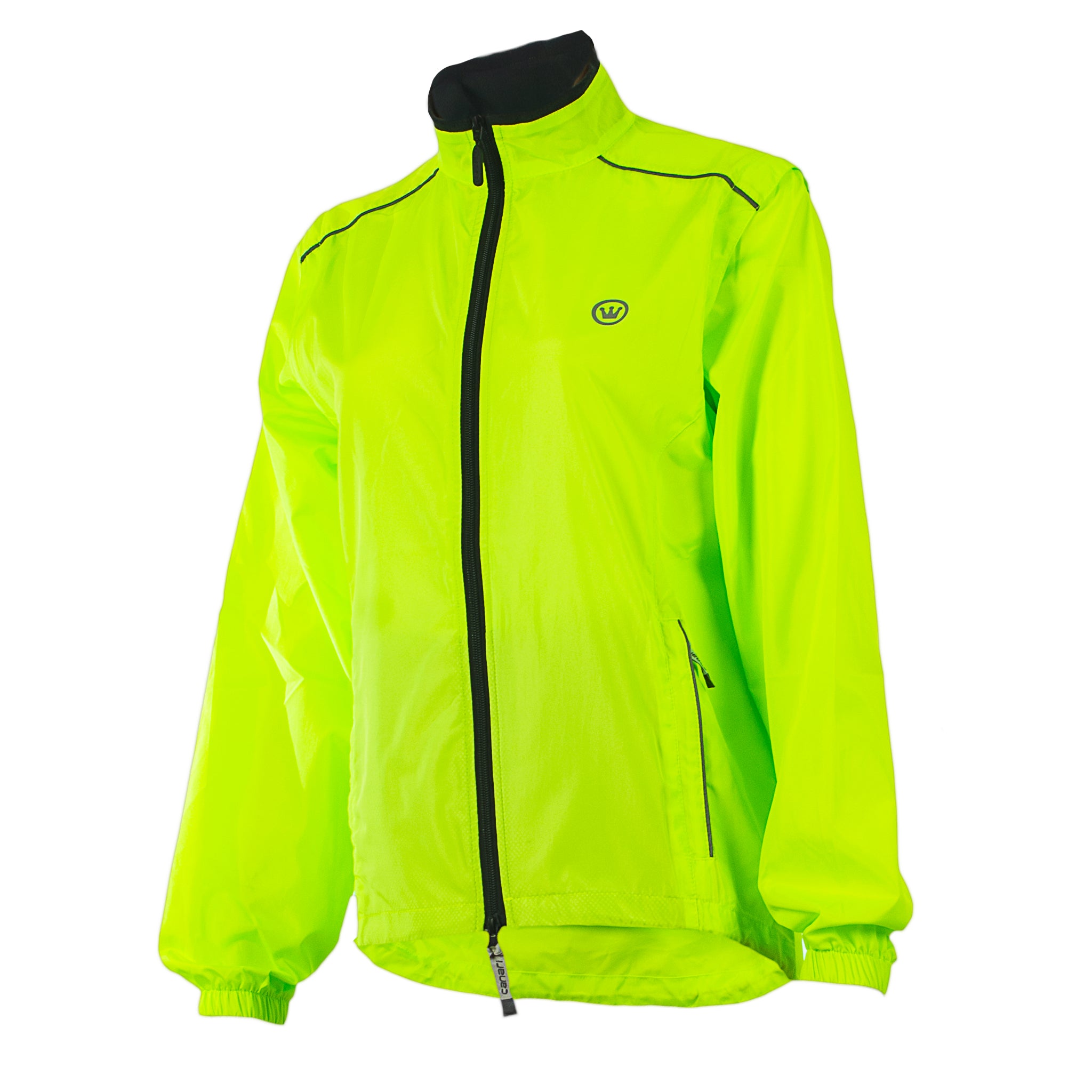
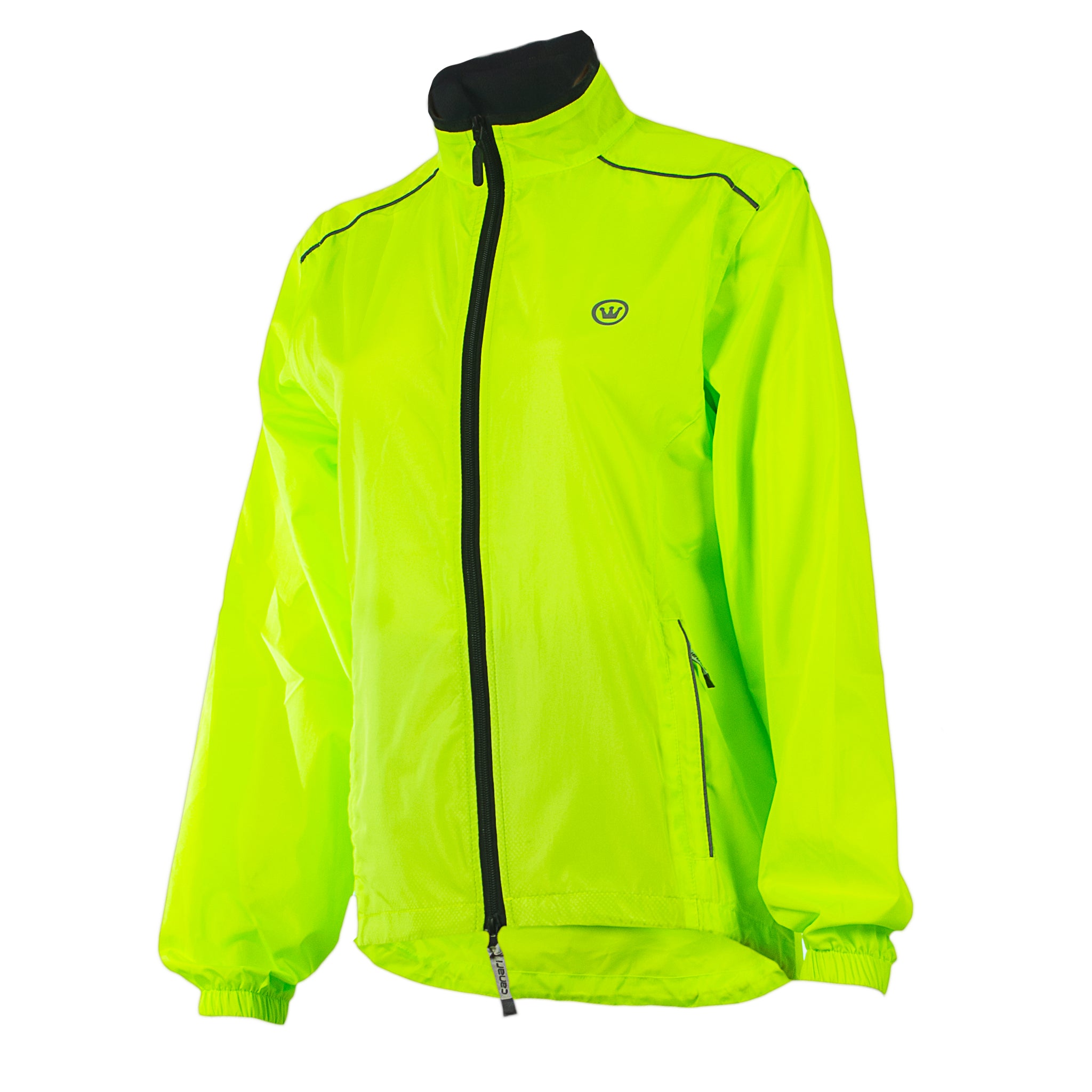
For example, Canari Cycling Apparel provides excellent options like the Men's Eclipse Convertible Jacket ($70.00) and Microlight Shell Jackets ($45.00). These pieces are designed to keep your core warm and comfortable without restricting your range of motion. The secret lies in layering strategically - focusing on insulating key areas like your core and major muscle groups while allowing heat to escape from high-output zones. This approach ensures you stay warm without overheating, even during challenging rides.
Compression Technologies and Muscle Support
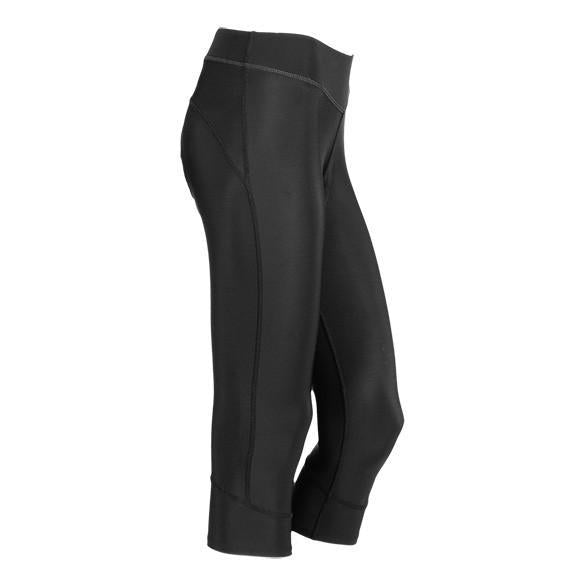
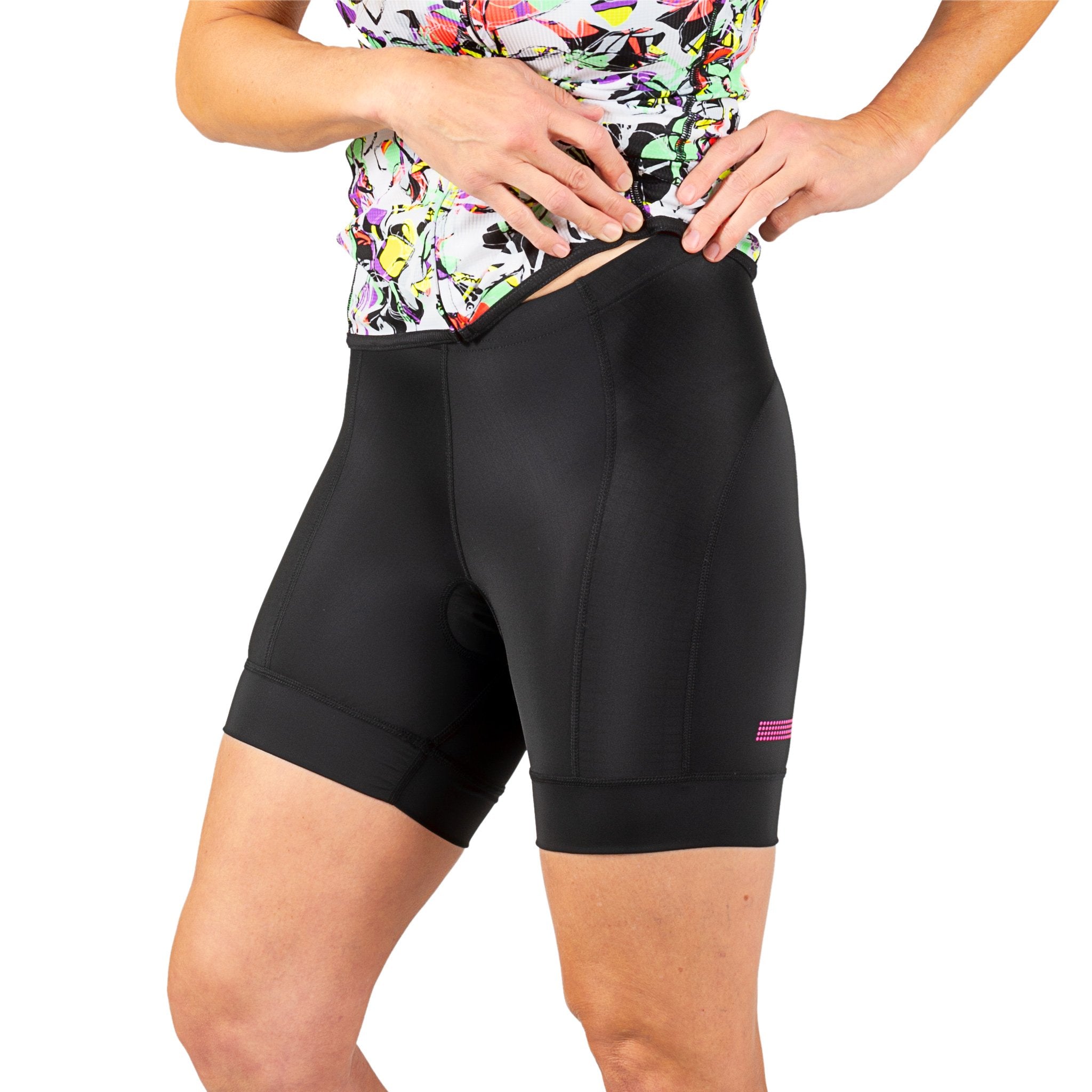
Compression fabrics play a crucial role in supporting muscles and improving cycling efficiency. By applying targeted pressure to areas like the quads, hamstrings, glutes, and calves, these high-elastane materials help reduce unnecessary movement, allowing your body to channel more energy into forward motion. Unlike standard lycra, which prioritizes stretch and comfort, compression cycling shorts feature tighter weaves and higher spandex content. This design provides focused support, stabilizes soft tissue, and promotes better blood flow. The result? Reduced muscle vibration and improved power transfer during your ride.
Reducing Muscle Vibration and Energy Loss
Every pedal stroke triggers muscle oscillation - especially in the quads and calves. This constant vibration forces your body to stabilize the tissue repeatedly, which can lead to fatigue and microtrauma over time. Compression fabrics act as an external stabilizer, reducing vibration and smoothing out movement. This minimizes eccentric micro-damage and lowers the energy your body needs for stabilization.
The benefits are noticeable: less perceived exertion and delayed fatigue during longer or more intense rides, particularly on uneven surfaces like gravel. A standout example is REVOLUTIONAL® ENERGY by Carvico, a high-performance compression fabric designed for cycling. This 80% polyamide, 20% elastane blend (weighing 225 g/m²) is engineered to reduce lactic acid buildup while providing consistent muscle support throughout the garment's life. By minimizing vibrations, riders can conserve energy for critical moments like climbs or sprints.
Power Transfer and Fatigue Reduction
Efficient power transfer relies on stable joints and a smooth force path from the hips, through the knees and ankles, and into the pedals. Compression gear enhances this stability by supporting muscles and improving proprioception - your body's awareness of movement and position. This helps maintain proper knee tracking and hip stability, even as fatigue sets in.
This targeted support offers three major benefits for combating fatigue: improved circulation for better oxygen and waste exchange, reduced muscle damage from minimized oscillation, and decreased neuromuscular strain as stable muscles require less corrective effort. Together, these effects allow for more consistent power output and less post-ride soreness, even after endurance events.
"The compression fit and supportive pad do a great job of preventing sore spots and help you to stay fresh throughout your ride."
- Matt D., Verified Customer, Canari Cycling
When choosing compression gear, U.S. riders should consider their ride type. Moderate compression is ideal for shorter training rides under two hours, while firmer, body-mapped compression around key muscle groups like the quads and hamstrings is better suited for longer endurance rides or races of three hours or more. The right fit should feel snug when standing but should "disappear" in the riding position - without causing numbness or limiting hip rotation.
How to Choose Energy-Efficient Cycling Apparel
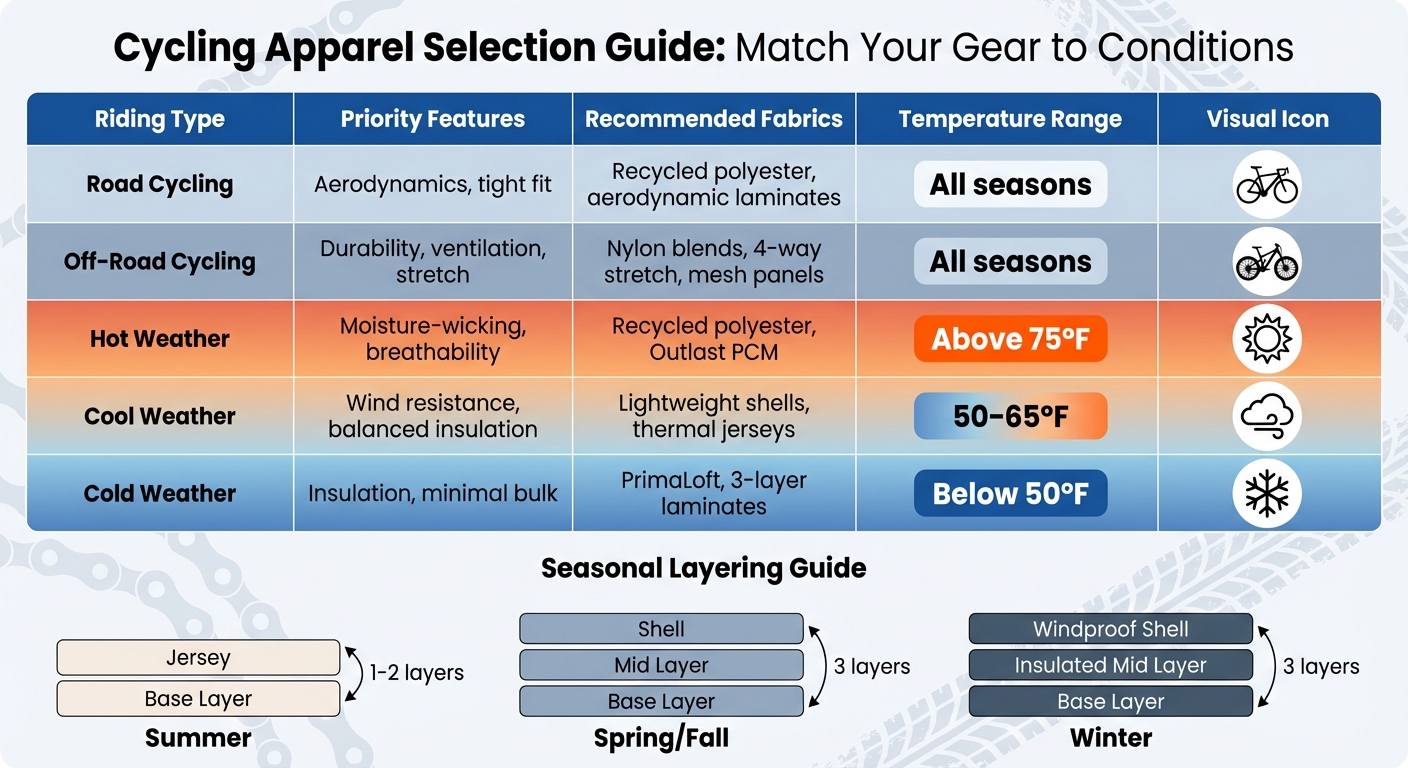
Cycling Apparel Selection Guide by Riding Type and Temperature
When it comes to cycling, every watt of energy matters. The right clothing can make a noticeable difference by helping you ride more efficiently, whether you're speeding down a paved road, navigating rugged trails, or braving the elements. The key is to choose apparel that suits your riding style, goals, and seasonal conditions. A road cyclist aiming for speed will have different needs than a gravel rider tackling tough terrain, and what works in the summer won't cut it in the depths of winter.
Selecting Apparel for Different Cycling Conditions
Cycling apparel has come a long way, with advanced materials and designs tailored to specific conditions. Here's how to match your gear to your environment:
Road cycling is all about aerodynamics. Tight-fitting clothing that reduces drag is a must. Look for jerseys with smooth front panels and bib shorts that hug your body to minimize wind resistance.
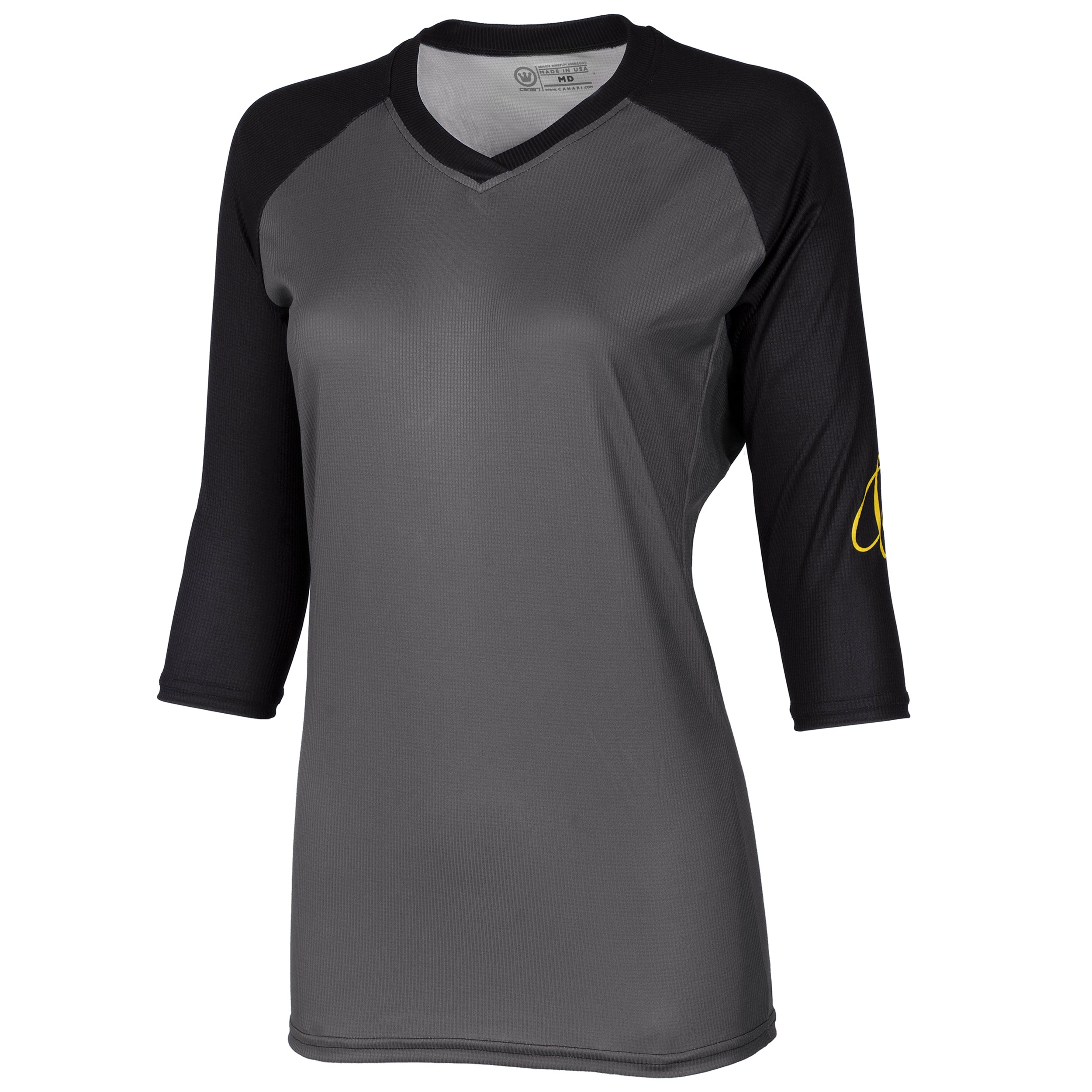
Off-road cycling, like gravel riding or mountain biking, requires gear built for durability and comfort. Abrasion-resistant fabrics with mesh panels for ventilation work best. Materials with 4-way stretch ensure freedom of movement, while reinforced areas protect against wear and tear.
Weather conditions play a huge role in what you should wear. In hot weather (above 75°F), lightweight, moisture-wicking fabrics are essential. Technical blends of recycled polyester or polyamide help manage sweat, keeping you cooler and reducing your heart rate by optimizing your body’s cooling efficiency. For cooler weather (50–65°F), focus on balancing wind resistance with breathability. A lightweight windproof vest over a moisture-wicking base layer can keep you warm without overheating. When temperatures drop below 50°F, insulated fabrics like PrimaLoft provide warmth without adding bulk, helping you conserve energy while staying aerodynamic.
| Riding Type | Priority Features | Recommended Fabrics | Temperature Range |
|---|---|---|---|
| Road cycling | Aerodynamics, tight fit | Recycled polyester, aerodynamic laminates | All seasons |
| Off-road cycling | Durability, ventilation, stretch | Nylon blends, 4-way stretch, mesh panels | All seasons |
| Hot weather | Moisture-wicking, breathability | Recycled polyester, Outlast PCM | Above 75°F |
| Cool weather | Wind resistance, balanced insulation | Lightweight shells, thermal jerseys | 50–65°F |
| Cold weather | Insulation, minimal bulk | PrimaLoft, 3-layer laminates | Below 50°F |
Choosing the right apparel for the weather also means understanding how to layer effectively throughout the year.
Layering Strategies for Different Seasons
Layering is crucial for maintaining your core temperature and conserving energy. The goal is to minimize gaps at the neck, wrists, and waist while using zippers and vents to adjust your comfort level as conditions change.
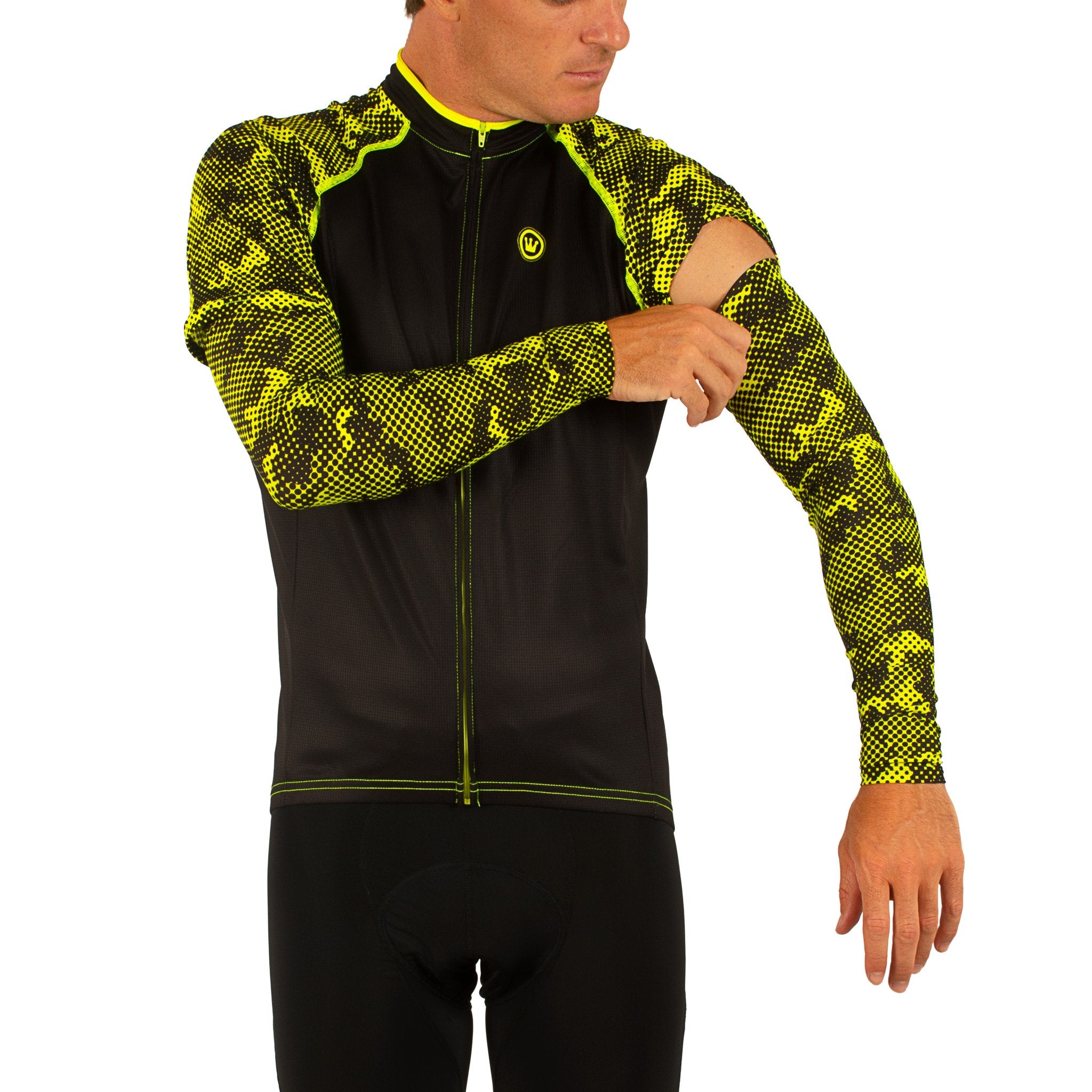
Summer layering is straightforward. A lightweight, moisture-wicking base layer under a breathable jersey is usually enough. For early mornings or sun protection, add arm warmers - they don’t save much energy (just 1–2 watts), but they’re a practical option for changing conditions.
Spring and fall rides call for a more versatile three-layer system: start with a moisture-wicking base layer, add a mid-layer like a light thermal jersey, and finish with a windproof shell. This setup keeps you warm without adding unnecessary bulk. Jackets like Canari’s Eclipse Convertible Jacket or Microlight Shell Jacket are great options for cool mornings, as they offer wind protection and can adapt as temperatures rise.
Winter layering takes the same three-layer approach but uses heavier insulation. Begin with a moisture-wicking base layer, follow with a mid-layer featuring synthetic insulation, and top it off with a snug, windproof outer layer. Avoid bulky, loose-fitting jackets - they create drag and waste energy. For temperatures between 20–60°F, opt for 3-layer laminated waterproof fabrics that offer both wind protection and moisture management. Across all seasons, keeping layers close to your body and managing ventilation will help prevent overheating, which can force your body to work harder to cool down.
Conclusion
Cycling gear has come a long way, offering features that enhance performance and comfort. Modern designs focus on reducing drag, regulating body temperature, and supporting muscles, allowing you to channel more of your energy into speed. Aerodynamic fabrics cut down wind resistance, while temperature-regulating technology keeps your core steady and sweat under control. Compression materials also play a role by reducing muscle vibration and improving power transfer, helping you push through longer rides with less fatigue.
These advancements aren't just for elite racers - they benefit everyone. Whether you're battling the heat, staying cozy in cooler weather without bulky layers, or enjoying better moisture management, today’s cycling apparel makes every ride more enjoyable. Racers and time-trialists gain measurable advantages in speed and energy efficiency, while commuters and casual riders appreciate gear that adapts seamlessly to changing weather and varying conditions.
Choosing the right gear is key. Canari Cycling Apparel offers a range of jerseys, shorts, jackets, and outerwear tailored for road and off-road cycling. Their designs strike a balance between aerodynamics, breathability, and durability, ensuring you find options that suit your riding style and the conditions you face. This blend of advanced design and functionality ensures you’re equipped for both competitive and recreational rides.
Whether you're chasing a new personal best or enjoying a leisurely spin, investing in high-quality cycling apparel makes every pedal stroke count, helping you ride more efficiently, stay comfortable for longer, and truly savor the experience.
FAQs
How do aerodynamic fabrics in cycling gear enhance performance?
Aerodynamic fabrics in cycling gear are all about cutting through the air more efficiently. By offering a smoother surface, these fabrics help reduce drag, making it easier for cyclists to maintain speed without burning extra energy. The result? Better speed and improved energy use.
These materials are usually lightweight and tightly woven, designed to sit snugly on the rider. They’re often placed in specific areas to streamline the rider’s profile, ensuring less resistance during long rides. In essence, the right fabric and design can make a big difference in a cyclist's performance.
How does moisture-wicking technology improve cycling performance?
Moisture-wicking fabrics are a game-changer for cyclists. They work by drawing sweat away from your skin and spreading it across the fabric's surface, allowing it to evaporate quickly. This keeps you dry and comfortable, which can help prevent chafing and overheating during long rides.
By helping regulate your body temperature and eliminating the discomfort of damp clothing, these fabrics let you concentrate fully on your ride. The result? You can push yourself further and ride with better endurance.
How does compression support help reduce fatigue during long bike rides?
Compression support is a game-changer for long rides, helping to cut down on fatigue by boosting blood flow. This improved circulation ensures your muscles get the oxygen they need to keep performing. It also reduces muscle vibrations caused by bumps and impacts, which can lead to soreness and strain. On top of that, compression adds stability to your muscles, helping you stay strong during the ride and bounce back more quickly afterward.

