

























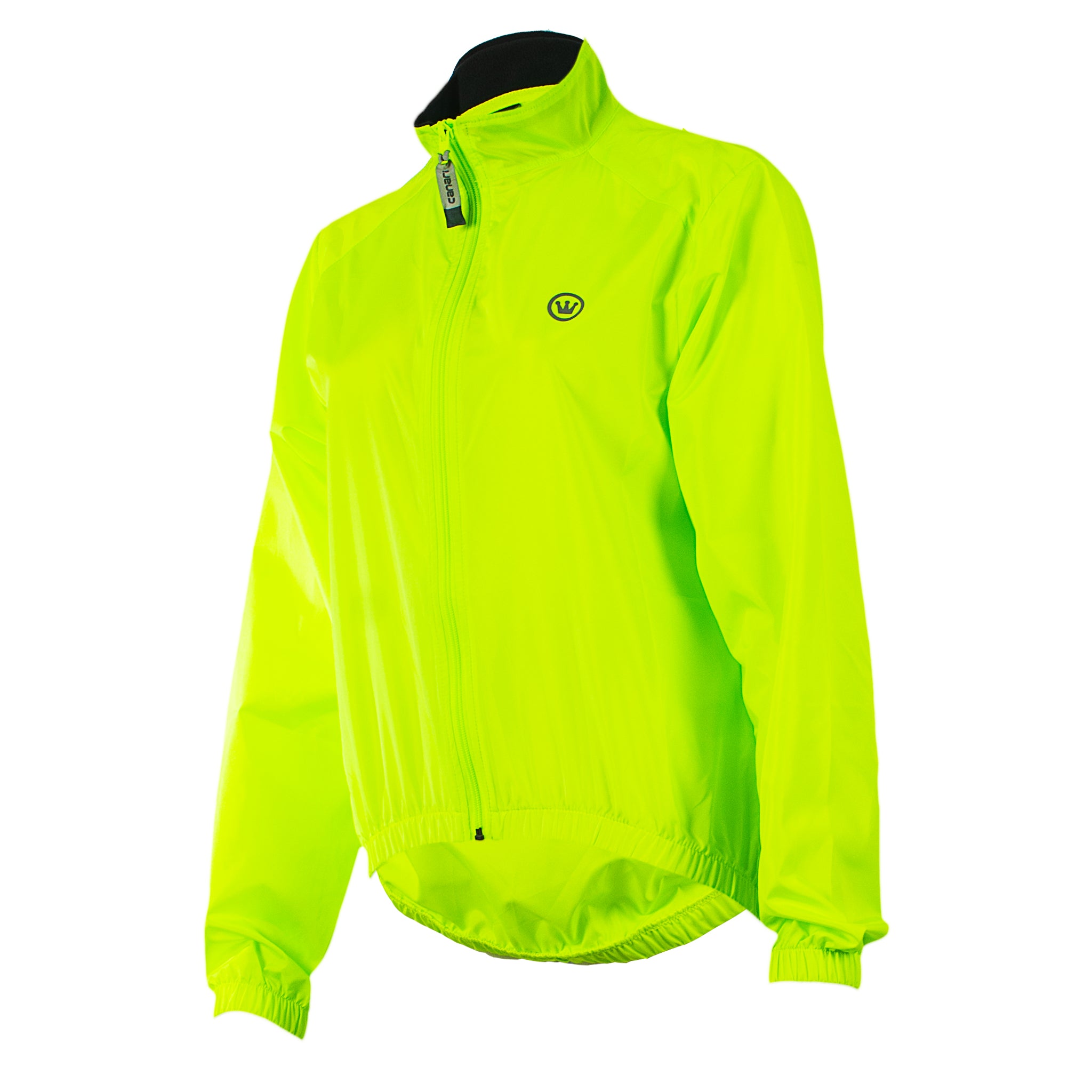

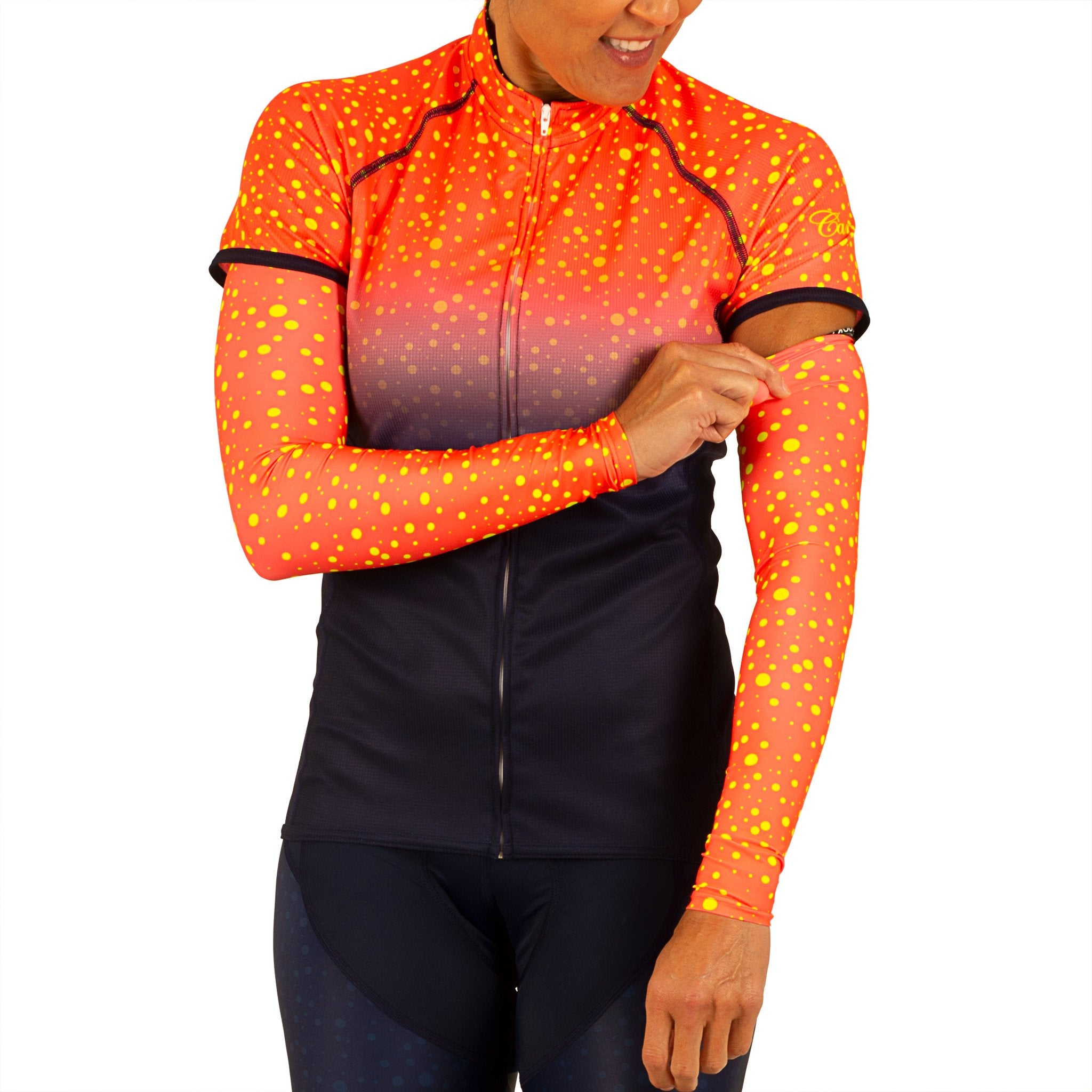


When cycling, staying dry and comfortable is crucial. A lightweight base layer helps manage sweat, keeps your skin dry, and regulates body temperature during rides. Here's what to focus on when choosing one:
-
Fabric:
- Synthetic (polyester/nylon): Wicks sweat quickly, dries fast, but may retain odors.
- Merino wool: Resists odors, regulates temperature well, but costs more and needs delicate care.
- Blends: Combine synthetic durability with wool's odor resistance.
- Fit: Snug fit ensures moisture transfer and prevents chafing. Choose sleeveless for hot weather or short sleeves for versatility.
- Construction: Look for flatlock seams, tagless designs, and mesh panels for added comfort and ventilation.
- Care: Wash with mild detergents, avoid fabric softeners, and air dry to preserve performance and durability.
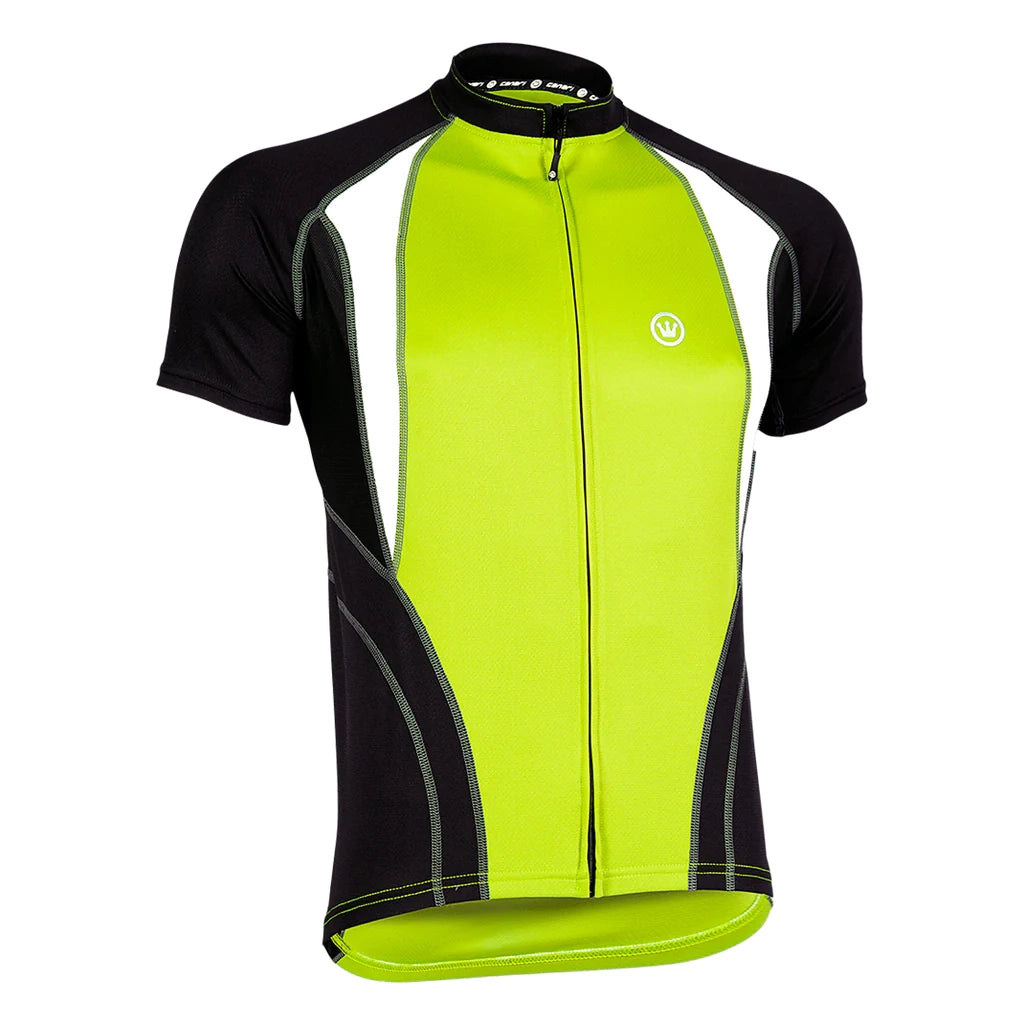
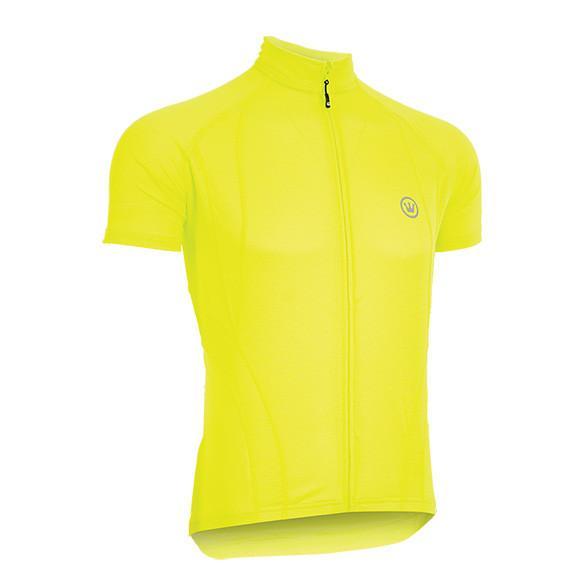
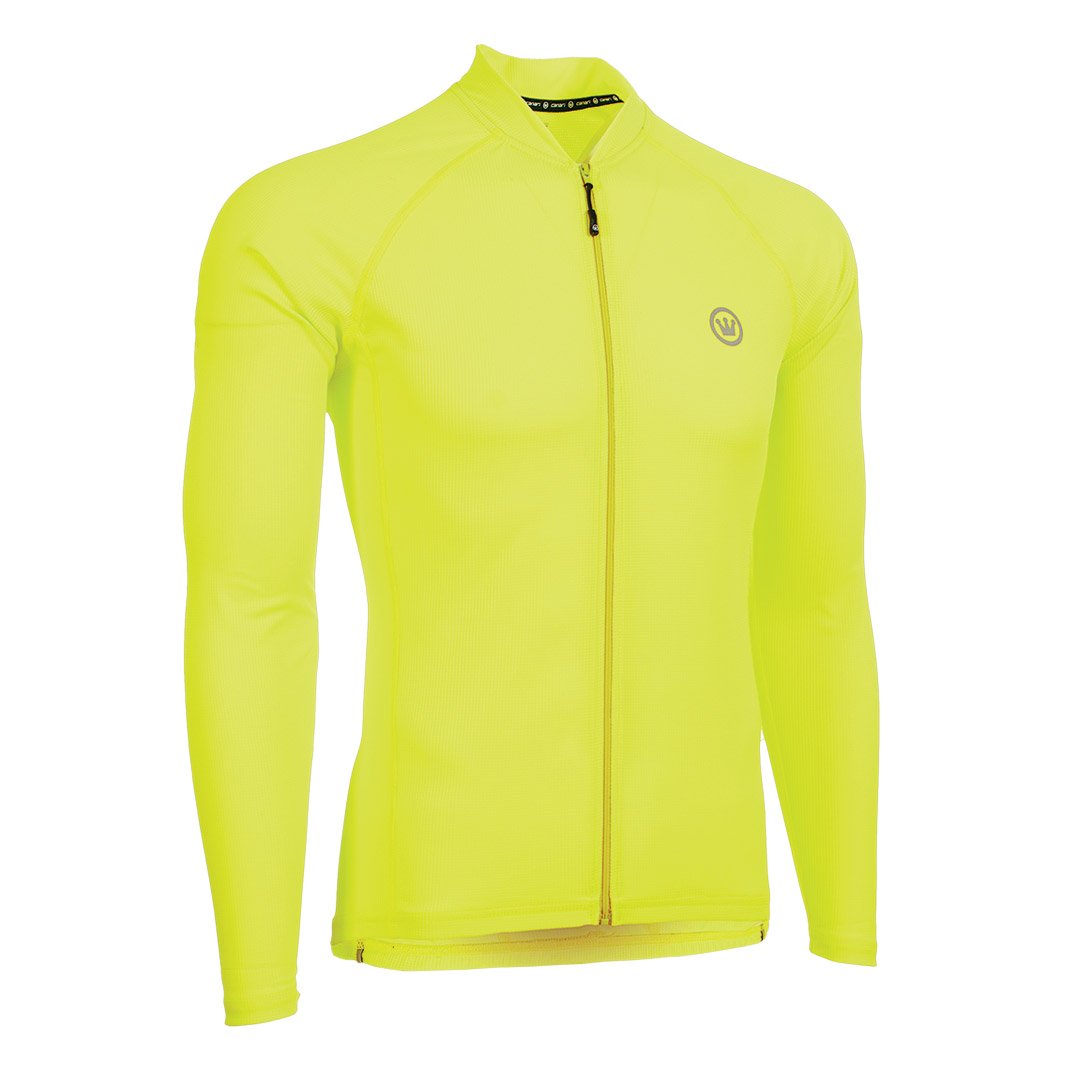
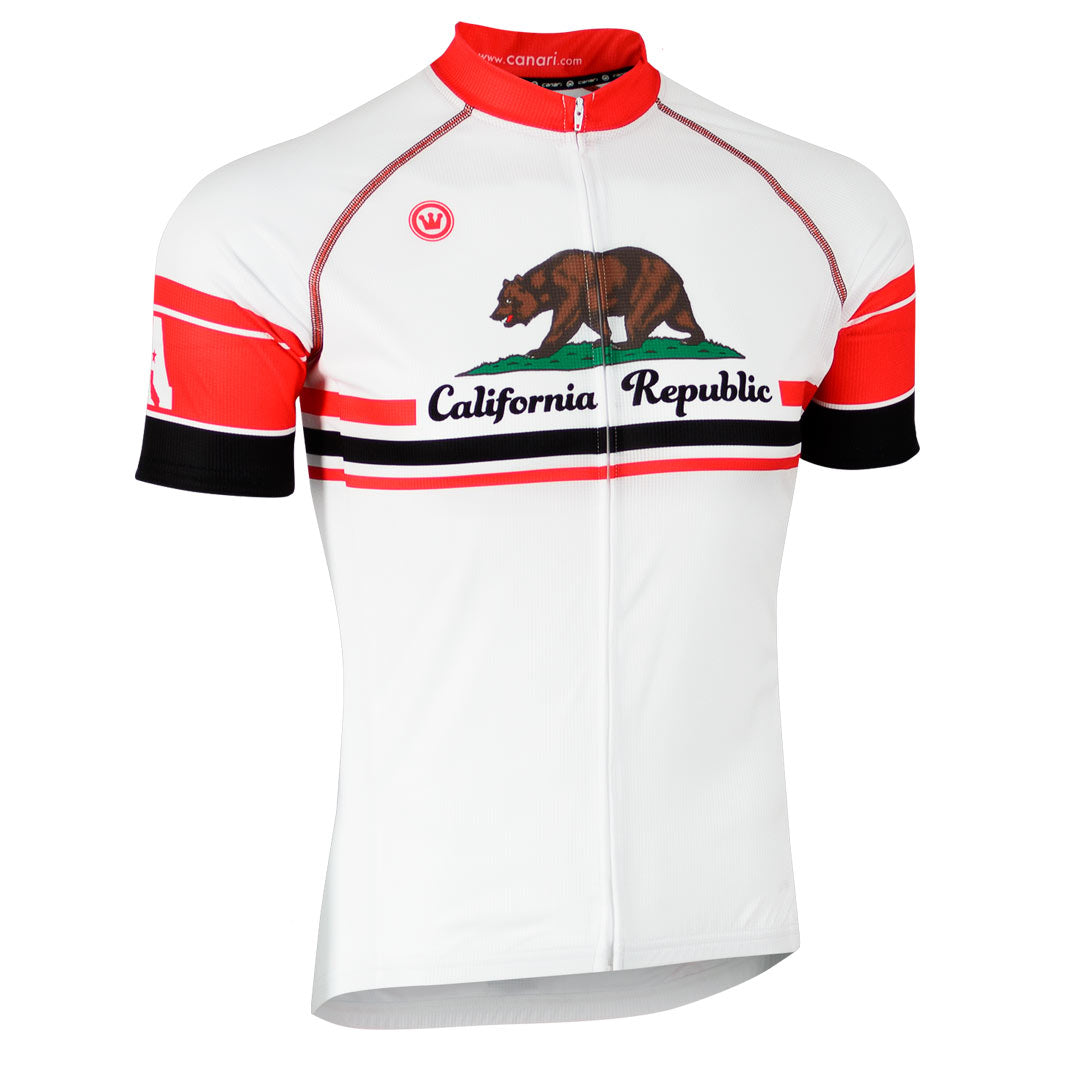
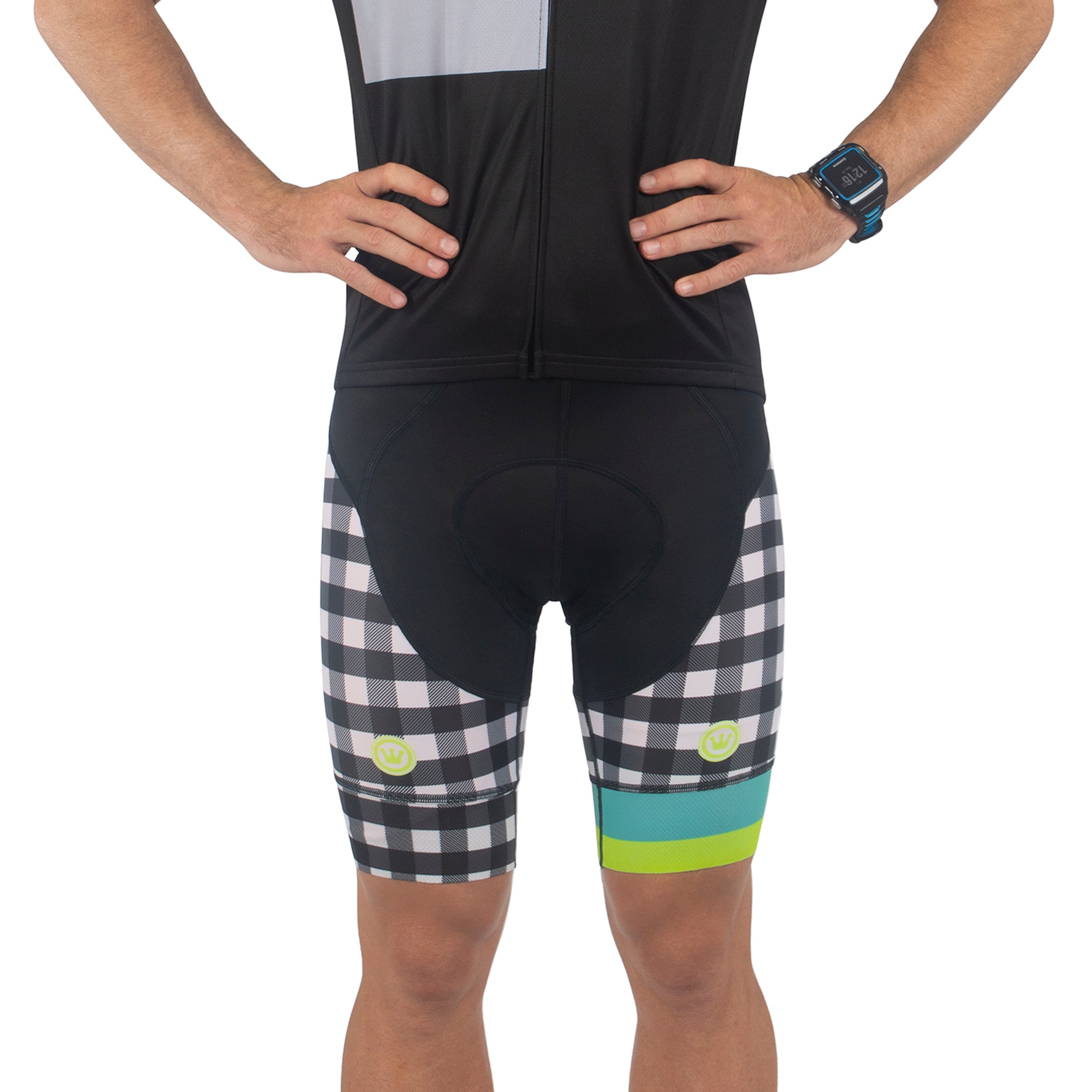
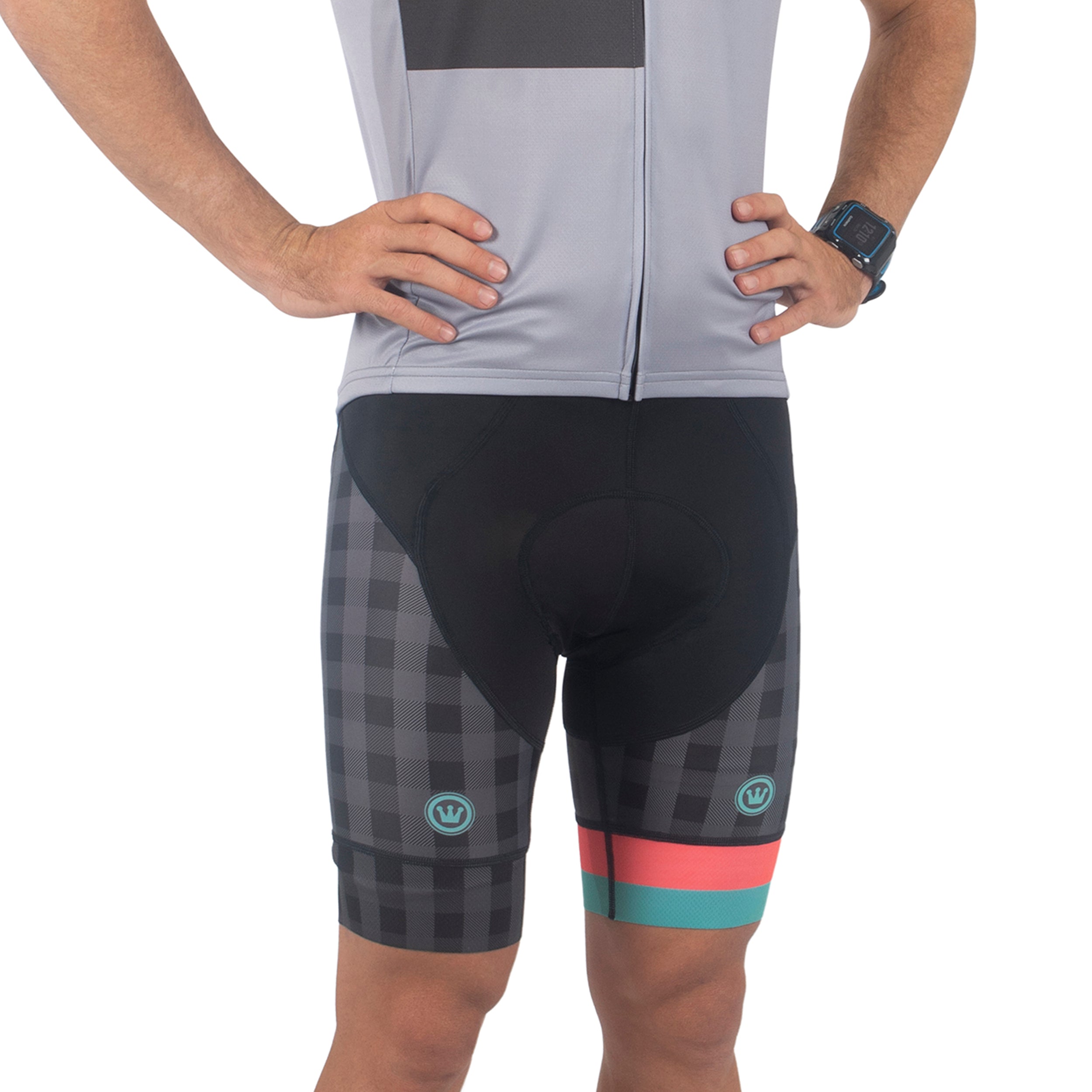
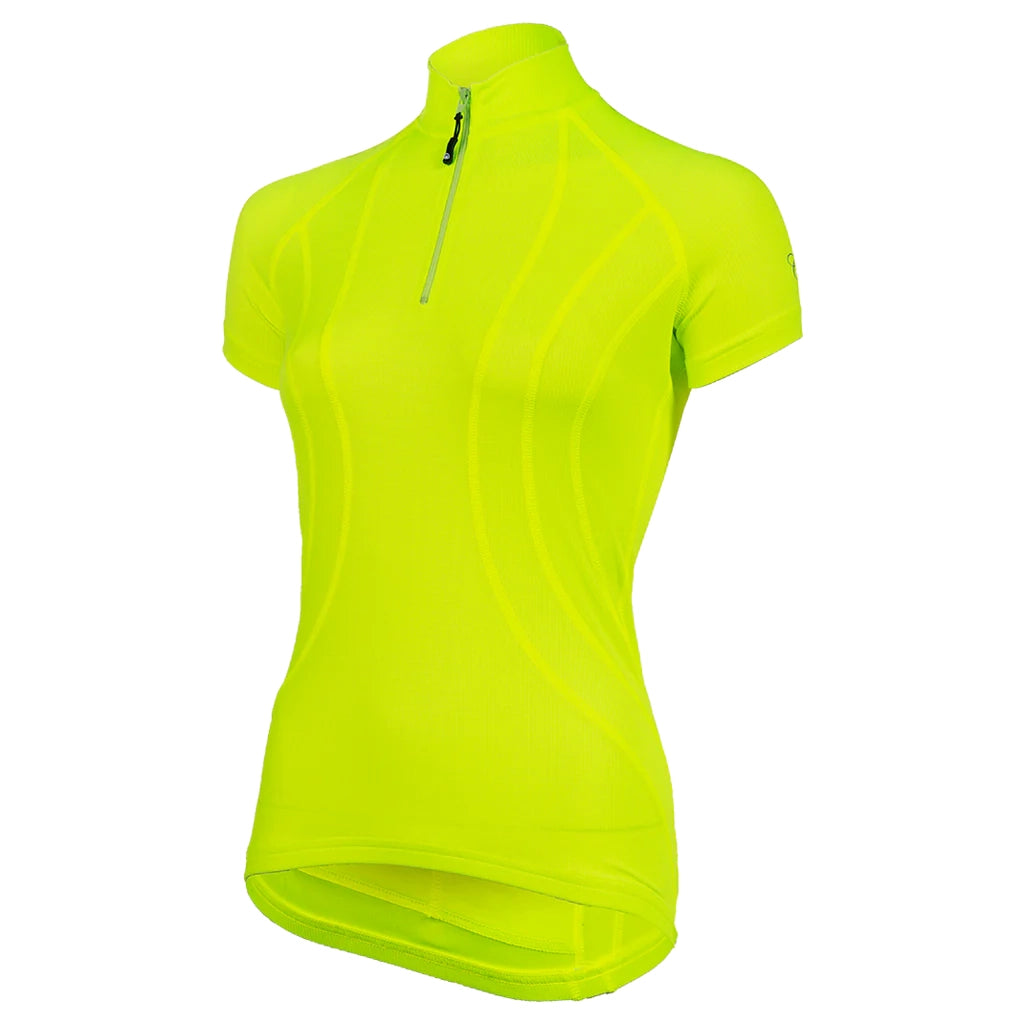
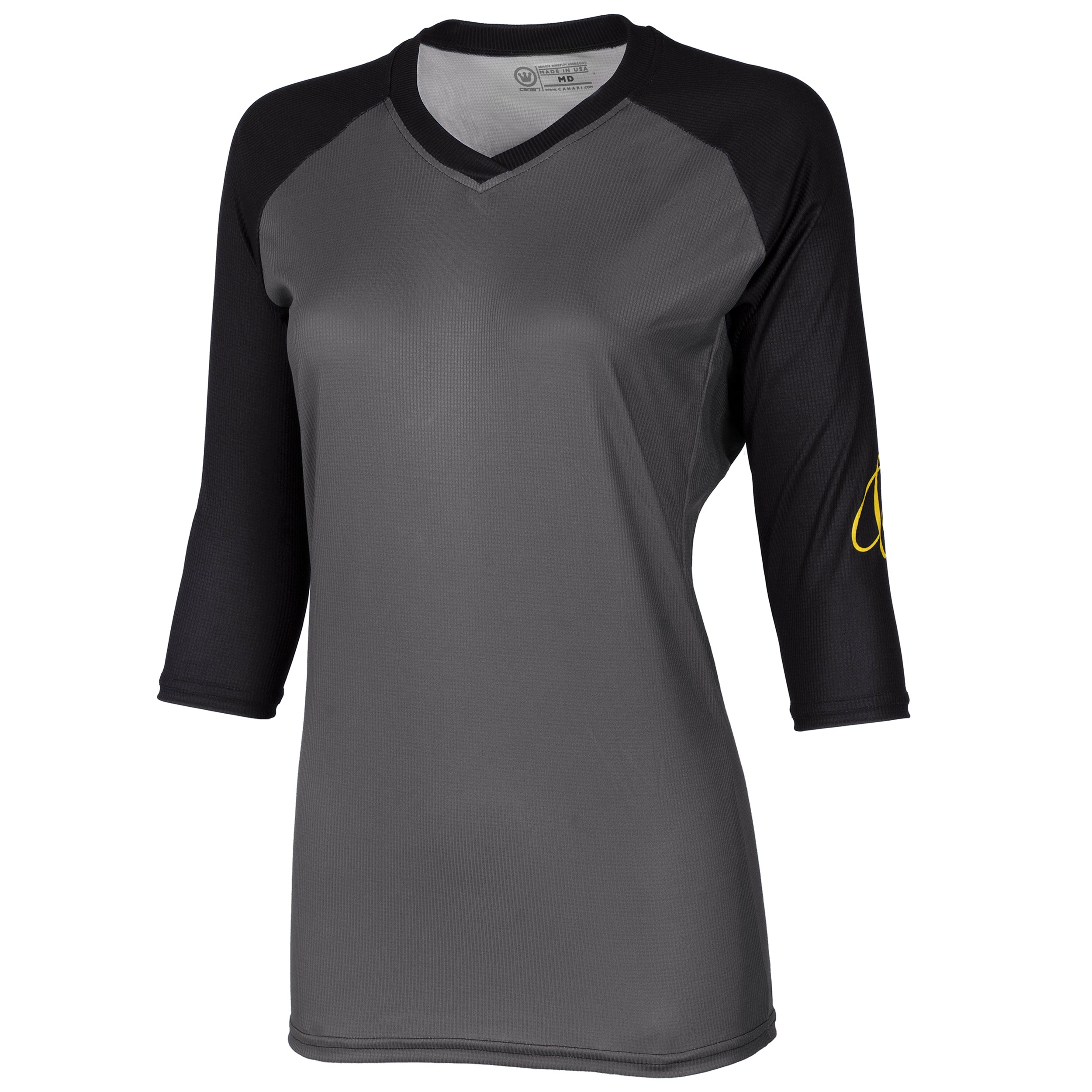
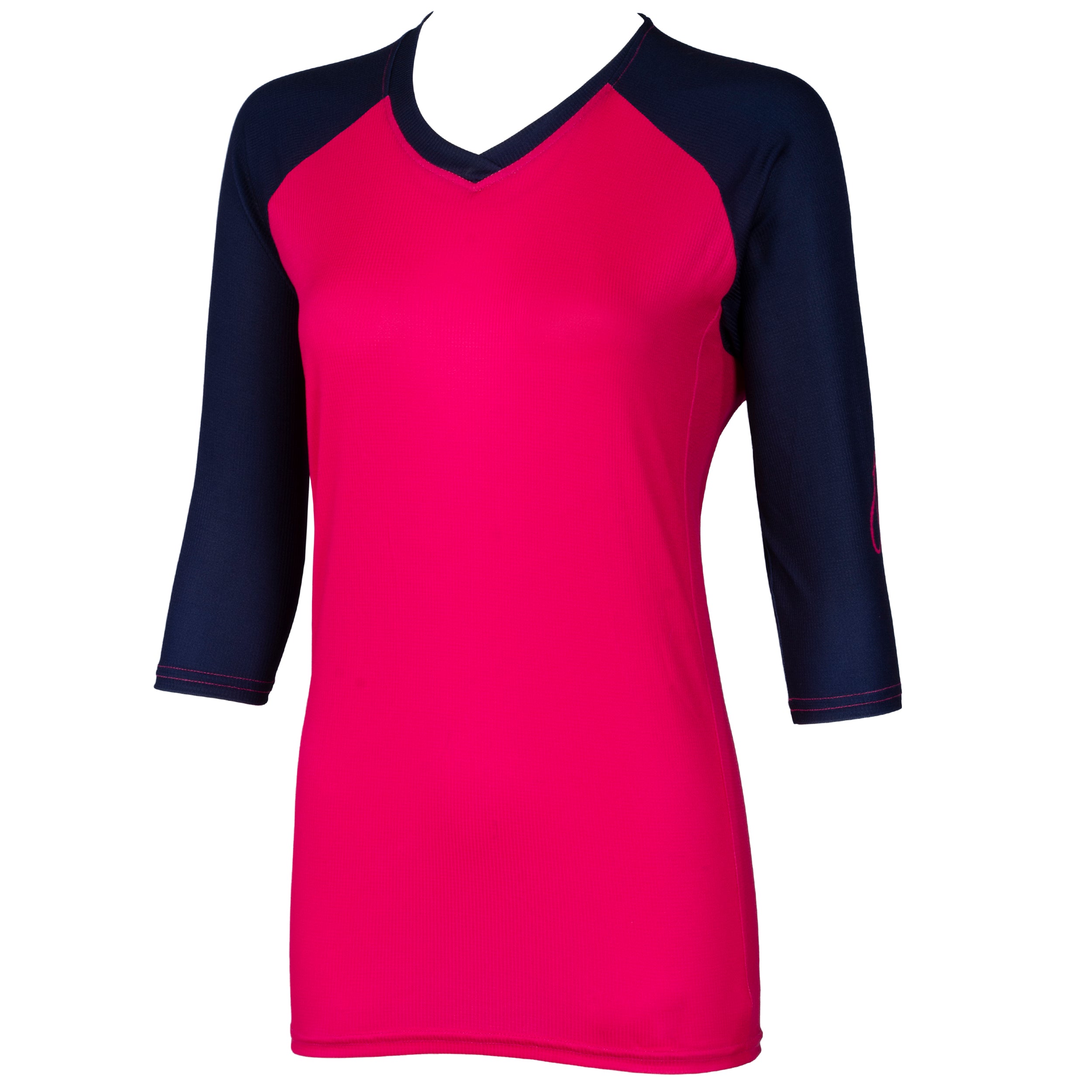
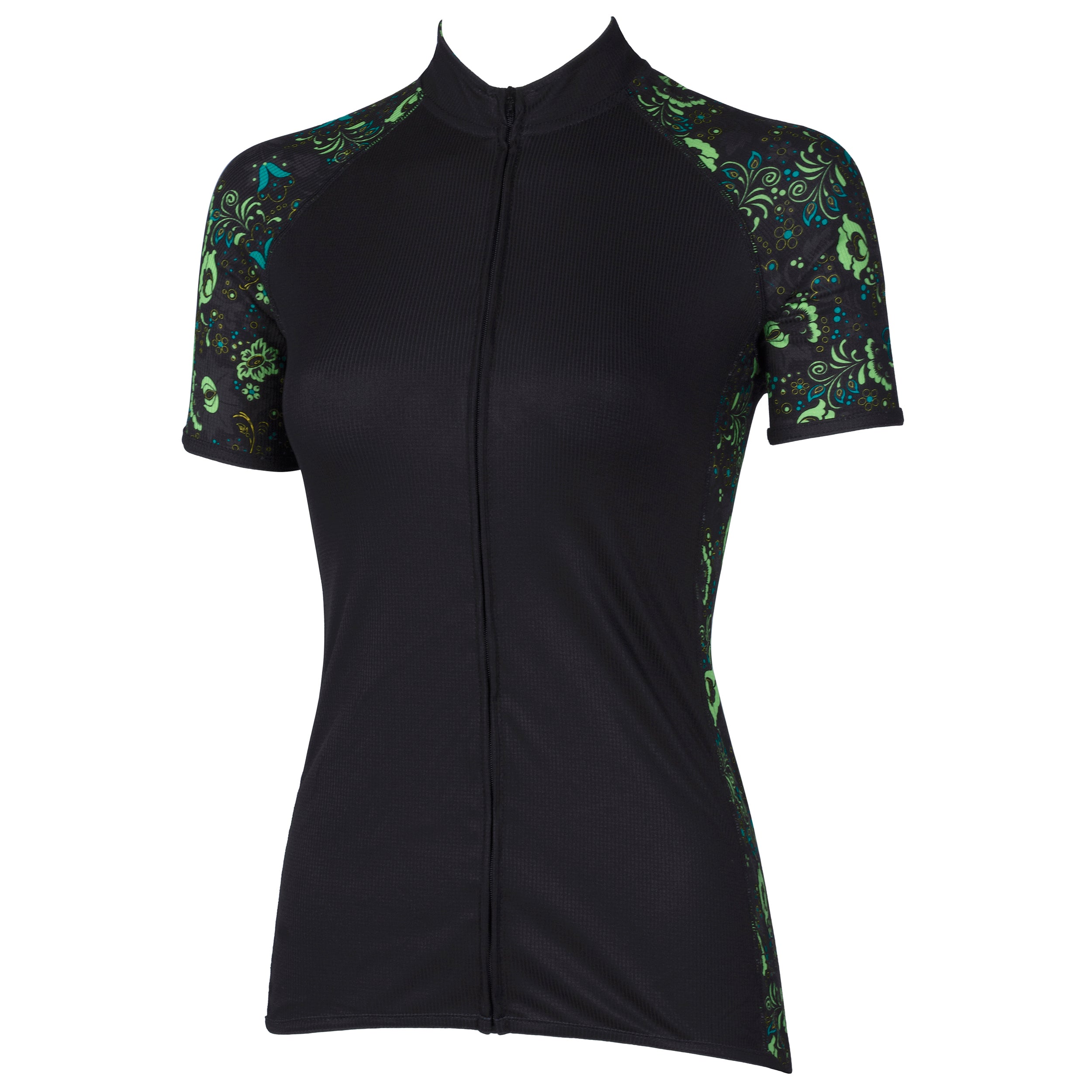
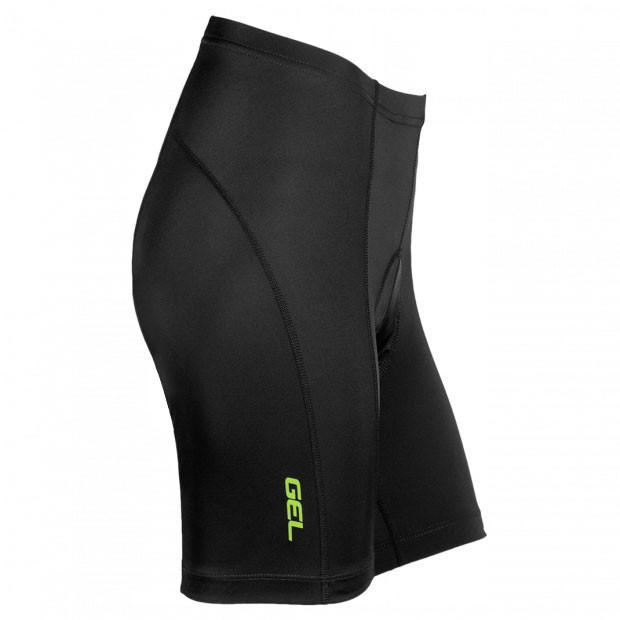
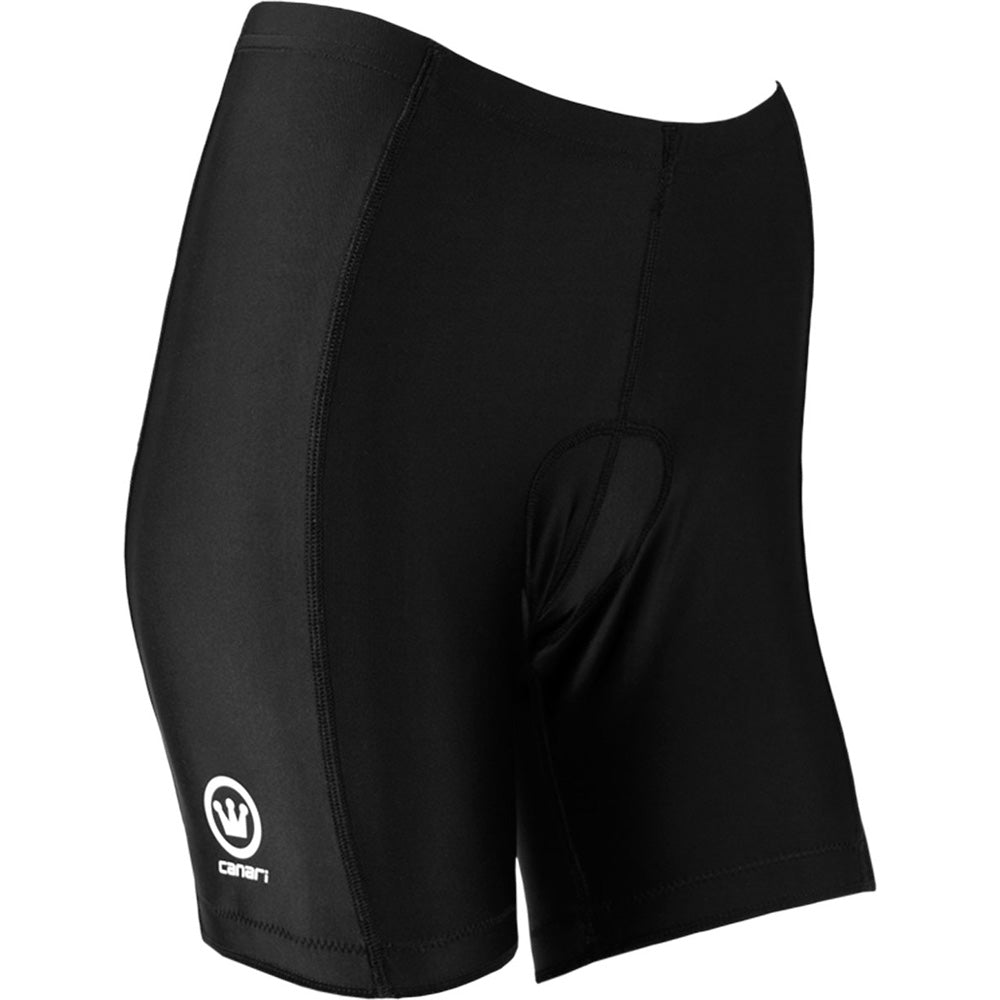
Quick Tip: For hot rides (59°F-86°F), sleeveless options like the Pas Normal base layer excel in comfort and breathability. Canari Cycling Apparel offers budget-friendly options ($25–$50) with moisture-wicking fabrics and thoughtful designs for long-lasting performance.
Key Considerations When Choosing Lightweight Base Layers
Choosing the right base layer comes down to three key factors: fabric, fit, and construction. These elements work together to manage moisture, reduce chafing, and keep you comfortable during demanding rides.
Fabric Choices: Synthetic, Merino Wool, and Blends
The type of fabric you choose plays a big role in how well your base layer handles sweat and controls odor.
Synthetic fabrics like polyester and nylon are great at pulling sweat away from your skin, making them perfect for high-intensity rides in warm weather. They dry quickly, breathe well, and hold up to wear and tear. The downside? They tend to pick up odors faster than natural fibers, especially during long rides.
Merino wool, on the other hand, is a natural fiber known for its excellent odor resistance and ability to regulate temperature. High-quality Merino wool base layers use ultra-fine fibers (around 18.5 microns) for a soft, comfortable feel. It adapts to changing temperatures and resists odor-causing bacteria, making it a solid choice for longer rides or unpredictable weather. However, Merino wool often comes with a higher price tag and requires more careful washing, but many cyclists find its performance worth the extra effort.
Blended fabrics combine the strengths of synthetic and natural fibers. These blends aim to balance moisture-wicking performance with better odor control and often incorporate recycled materials for an eco-friendly edge. They deliver a mix of durability, comfort, and functionality.
| Fabric Type | Moisture-Wicking | Odor Resistance | Breathability | Durability | Price |
|---|---|---|---|---|---|
| Synthetic | Excellent | Low | High | High | Affordable |
| Merino Wool | Good | Excellent | Good | Moderate | Higher |
| Blends | Very Good | Good | Very Good | High | Moderate |
Once you've decided on a fabric, focus on getting the right fit to maximize its performance.
Fit and Sizing for Best Performance
The fit of your base layer is crucial. A snug, next-to-skin fit ensures efficient moisture transfer and reduces the risk of chafing. Loose-fitting layers can create air pockets, which interfere with wicking and may cause discomfort as the fabric moves around during your ride.
Check sizing charts to find a fit that’s snug but not restrictive. Your base layer should allow full range of motion without bunching or pulling, and it should provide adequate coverage, especially around the lower back, to stay in place during aggressive riding positions.
When it comes to sleeves, your choice depends on the weather and your personal preferences:
- Sleeveless layers are ideal for hot, humid conditions where maximum ventilation is a priority. Some are designed specifically for temperatures between 59°F and 86°F (15°C to 30°C).
- Short sleeves work well in spring and summer or as a layer under jerseys.
- Long sleeves offer added warmth for cooler rides or when the weather is unpredictable.
After fit, construction details can make or break your riding experience.
Construction Features to Look For
The construction of a base layer can significantly impact your comfort on long rides. Look for features like flatlock seams, which lie flat against your skin to minimize chafing during extended efforts.
Tagless designs are another detail to consider. These eliminate the irritation caused by traditional fabric tags, particularly in areas like the neck where gear often overlaps.
For better ventilation, some base layers include mesh panels in high-heat zones like the back and underarms. These panels improve airflow while maintaining the fabric's ability to wick moisture. The placement and size of these panels are critical for managing heat buildup during intense rides.
Caring for Your Lightweight Base Layers
Taking proper care of your base layers can extend their lifespan and ensure they continue to perform well. By washing and drying them correctly, you can maintain their technical properties and durability for the long haul.
Washing and Drying Guidelines
After every ride, wash your base layers to keep odors at bay. Before tossing them in the wash, turn them inside out - this protects the outer surface and helps preserve both the fabric and color.
Use a detergent designed for technical fabrics, like Nikwax BaseWash, which cleans without leaving residue. For merino wool base layers, stick with wool-safe detergents like Woolite or Eucalan to avoid damaging the delicate fibers.
Steer clear of fabric softeners and bleach. Fabric softeners can coat the fibers, reducing their moisture-wicking abilities, while bleach can weaken the material. Always wash in cold or lukewarm water - this helps prevent shrinking and keeps elasticity intact. Hot water, on the other hand, can harm synthetic fibers and cause merino wool to shrink or felt.
When it comes to drying, air drying is your best option. Lay your base layers flat or hang them up, but keep them out of direct sunlight, as UV rays can break down elastic fibers over time. If you need to use a dryer, select the lowest heat setting to avoid damaging the fabric or causing shrinkage.
Following these steps will not only reduce wear but also help manage odor and maintain elasticity.
Preventing Odor and Preserving Elasticity
Synthetic base layers need extra care to prevent odors. Avoid leaving damp layers in your gear bag after a ride - bacteria thrive in moist environments. If you can’t wash them right away, hang them up to dry as soon as possible.
For stubborn odors in synthetic fabrics, try adding a splash of white vinegar to the rinse cycle. Alternatively, soaking them in a mix of water and baking soda before washing can help neutralize smells without harming the fabric’s performance.
Merino wool base layers naturally resist odors, meaning you can often wear them for several rides before washing. However, they still benefit from gentle care to maintain their softness and prevent shrinkage.
To protect the elasticity of high-stretch fabrics, avoid wringing or twisting your base layers. Instead, gently press out excess water or roll them in a towel to remove moisture. When storing, fold them loosely rather than compressing them tightly - this prevents unnecessary strain on the elastic fibers.
Finally, store your clean, dry base layers in a cool, breathable space away from moisture to avoid mold and mildew. Proper storage keeps your gear ready for your next adventure.
sbb-itb-1992862
Comparing Fabric and Fit Options
Getting the right mix of fabric and fit can make a world of difference in how comfortable you feel during your ride. Each material and fit option serves a specific purpose, so it’s all about matching them with your riding conditions.
Fabric Comparison Table
Cyclists often prioritize breathability, odor resistance, drying time, and durability when choosing fabrics. Here’s how the main options stack up:
| Fabric Type | Breathability | Odor Resistance | Drying Time | Durability |
|---|---|---|---|---|
| Synthetic | High | Low–Medium | Fast | High |
| Merino Wool | High | High | Moderate | Moderate |
| Blend | High | Medium–High | Fast | High |
Synthetic fabrics are excellent for wicking sweat, drying quickly, and holding up to frequent use. However, they tend to hold onto odors, especially after intense workouts.
Merino wool stands out for its natural odor resistance and ability to regulate temperature, making it a great option for multiple rides without washing. The downside? It dries a bit slower and isn’t as tough with constant laundering.
Blended fabrics strike a balance, offering solid moisture-wicking, odor control, and durability.
Now that the fabric options are clear, let’s explore how fit choices can further enhance your cycling experience.
Fit Options Summary Table
The choice between sleeveless and short-sleeve base layers depends largely on the weather and the intensity of your rides:
| Fit Option | Best For | Weather Conditions | Key Benefits |
|---|---|---|---|
| Sleeveless | High-intensity, summer | Hot, humid (above 75°F) | Maximum ventilation, lightweight |
| Short Sleeve | Versatile, layering | Mild to warm (55–75°F) | Added coverage, flexibility |
Sleeveless base layers are perfect for hot, sweaty summer rides or intense training sessions. They’re lightweight and offer excellent ventilation to keep you cool.
Short-sleeve options, on the other hand, provide a bit more coverage, making them ideal for cooler mornings or rides where the temperature might fluctuate. They also work well as a layering piece under your jersey.
With these comparisons in mind, take a closer look at how Canari Cycling Apparel’s products align with these performance needs.
Canari Cycling Apparel's Base Layer Options

Canari Cycling Apparel offers a lineup of lightweight base layers tailored for serious cyclists tackling intense rides. These base layers are crafted from synthetic fabrics and blends, prioritizing moisture management and quick-drying capabilities - essential features for staying comfortable during sweaty, high-energy rides or training in warm, humid conditions.
Made with polyester and nylon blends, these garments are built to wick moisture efficiently while standing up to repeated washes. The fit is snug without feeling restrictive, which helps pull moisture away from the skin while allowing freedom of movement. Flatlock seams and stretchable fabrics further enhance comfort, minimizing the risk of chafing on long rides.
To keep riders cool during demanding efforts, the base layers include thoughtful design elements like mesh panels and perforated zones in heat-prone areas such as the back and underarms. The collection caters to different needs, offering sleeveless options ideal for hot summer rides and short-sleeve versions that are perfect for layering or cooler mornings. These features, paired with budget-friendly pricing, make the collection a solid choice for cyclists.
Prices for these base layers range from $25 to $50, striking a balance between performance and affordability. Plus, their durability ensures they hold up well through multiple washes, making them a smart investment for dedicated riders.
Conclusion: Simplify Your Base Layer Selection
Your choice of a base layer plays a big role in your cycling performance, and picking the right one doesn’t have to be complicated. Focus on four key factors: fabric type, fit, construction features, and proper care.
Synthetic fabrics like polyester and nylon are excellent at managing moisture, drying quickly, and absorbing less water compared to cotton. If odor control is a priority, merino wool is a standout option. It can hold up to 33% of its weight in moisture without feeling damp and naturally resists bacteria that cause odors. Blended fabrics offer the best of both worlds, combining efficient moisture control with natural temperature regulation.
A snug fit is essential for optimal performance. Look for features like flatlock seams, mesh panels, and stretch fabrics to reduce chafing and enhance moisture transfer, especially during high-effort rides. These details can make a noticeable difference in both comfort and performance.
Don’t overlook care - following the manufacturer’s washing instructions can preserve elasticity and odor-resistant properties, helping your gear last longer. Research shows that effective moisture management can lower heart rate and reduce fatigue during long rides, making your base layer choice more important than you might think.
For cyclists aiming to boost performance, Canari Cycling Apparel offers base layers designed for superior moisture-wicking and durability. Their collection is built to handle intense rides, helping you stay focused on your training goals while making your selection process simple. Ride with confidence knowing you’ve got the right gear.
FAQs
What’s the difference between synthetic, merino wool, and blended fabrics for cycling base layers, and how do I choose?
When choosing a cycling base layer, the fabric you pick should match your riding conditions and what feels best for you:
- Synthetic fabrics are lightweight, quick to wick away sweat, and dry in no time. These are perfect for intense rides in warm weather. The downside? They can hold onto odors more than natural fibers.
- Merino wool is a great all-rounder for temperature control. It keeps you warm when it’s chilly and cool when it’s hot. Plus, it naturally resists odors. The trade-off? It doesn’t dry as fast as synthetic options.
- Blended fabrics bring together the best of both worlds, offering a mix of moisture-wicking ability, durability, and comfort.
Think about your local weather, how hard you ride, and how much effort you’re willing to put into caring for your gear. For cycling apparel that’s built with comfort and durability in mind, check out brands like Canari Cycling Apparel.
What features should I look for in a lightweight base layer to stay comfortable on long, high-intensity rides?
When picking a lightweight base layer for cycling, pay attention to three main aspects: fabric, fit, and construction. Choose fabrics like synthetic blends or merino wool that are moisture-wicking and breathable - these will help you stay dry and cool even during tough rides. A snug, second-skin fit is crucial to minimize chafing and manage sweat effectively. Also, look for features like flatlock seams and tagless designs to avoid irritation and boost comfort.
Taking care of your base layers is just as important. Always follow the washing instructions to preserve the fabric's performance and longevity. High-quality options, such as those offered by Canari Cycling Apparel, can elevate your cycling experience by providing both comfort and functionality for every mile you ride.
What’s the best way to care for lightweight base layers to keep them performing well and lasting longer?
To keep your lightweight base layers performing their best, it's essential to follow the care instructions on the garment label. Use cold water, a gentle cycle, and a mild detergent when washing to protect the delicate fabric. Steer clear of bleach or fabric softeners, as these can degrade the specialized materials.
When it comes to drying, air drying is your best bet - either hang them up or lay them flat. Tossing them in the dryer can weaken the fibers or cause them to shrink. Taking these simple steps will help your base layers remain breathable, moisture-wicking, and ready for every ride.

