
































Cycling is often seen as a joint-friendly activity, but there’s a lot of confusion about its actual effects on joint health. The truth? Cycling can support joint health when done correctly, but may cause strain if approached carelessly. Here’s what you need to know:
- Myths Debunked: Cycling doesn’t inherently damage knees. Most joint issues stem from poor bike setup or technique, not the activity itself. Minor joint pain doesn’t mean you need to quit cycling - it’s often fixable with adjustments.
- Key Benefits: Cycling is low-impact, promotes joint lubrication, and strengthens muscles that support joints. It’s a great option for staying active without overloading your knees, hips, or ankles.
- Common Risks: Poor bike fit, intense training, or bad pedaling technique can strain joints. Overtraining or ignoring pain can lead to long-term issues.
- Prevention Tips: Warm up, stretch, and ensure proper bike setup (e.g., saddle height, handlebar position). Gradual training increases, cross-training, and proper recovery (like sleep and foam rolling) are essential for long-term joint health.
Cycling can keep your joints healthy if you focus on preparation, listen to your body, and make smart adjustments. Keep reading for practical tips on how to enjoy pain-free rides for years.
Common Myths About Cycling and Joint Health
There's a lot of confusion when it comes to cycling and its impact on joint health. Unfortunately, some of this misinformation can lead to unnecessary concerns or even poor decisions about the sport. Let’s tackle a few widespread myths and set the record straight with facts.
Myth 1: Cycling Damages Your Knees
Cycling is often blamed for knee problems, but the truth is, it’s a low-impact activity compared to something like running. The reduced stress on joints makes it a popular choice for people looking to stay active without putting too much strain on their bodies. When knee pain does occur, it’s usually caused by a misaligned bike setup or poor riding technique - not the act of cycling itself.
A properly adjusted bike and correct form are key to avoiding knee issues. Research shows that cycling’s smooth, repetitive motion can actually promote knee flexibility and strengthen the muscles that support the joint. This not only helps prevent injuries but may also reduce the risk of long-term joint problems.
Myth 2: Joint Pain Means You Must Stop Cycling
Feeling some joint discomfort doesn’t automatically mean you need to hang up your helmet. Often, minor aches are a sign that something in your bike setup or training plan needs tweaking. Common culprits include saddle height, handlebar position, or overtraining.
Instead of giving up riding, consider making adjustments to your bike fit or scaling back your training intensity. It’s also important to differentiate between normal soreness from a tough ride and sharp, persistent pain. If discomfort lingers or worsens, consulting a bike fitting expert or a sports medicine professional can help pinpoint the issue. With the right changes, you can often resolve minor problems without abandoning the sport.
Myth 3: Cycling Never Stresses Joints
While cycling is easier on the joints than many other activities, it’s not completely stress-free. High-intensity sessions like hill climbs, sprints, or long-distance rides can still put strain on your joints. Additionally, if your bike isn’t properly fitted, even small biomechanical issues can add up over time and lead to discomfort.
That said, when done correctly, cycling can actually be beneficial for joint health. The repetitive motion encourages the production of synovial fluid, which lubricates the joints and improves the range of motion. This is particularly helpful for individuals with arthritis, as it can ease stiffness and promote mobility. By ensuring your bike is well-fitted, building up your training gradually, and listening to your body, you can enjoy cycling while protecting your joints.
Up next, we’ll dive into the science behind how cycling affects your joints.
How Cycling Affects Your Joints: The Science
Cycling is often celebrated for its joint-friendly nature, but it comes with its own set of pros and cons. The way you ride, your bike setup, and your overall technique can either support joint health or lead to unnecessary strain.
Joint Health Benefits of Cycling
One of the biggest perks of cycling is that it’s a low-impact activity. Unlike running or basketball, which can put significant pressure on your joints, cycling minimizes compressive forces. This means your knees, hips, and ankles endure far less stress with every movement.
The repetitive pedaling motion also encourages the circulation of synovial fluid, which helps keep your joints lubricated and supports cartilage health. This rhythmic, gentle movement can be especially beneficial for those dealing with early joint stiffness, as it keeps the joints moving without overloading them.
Additionally, the controlled range of motion involved in pedaling - especially for the hips and knees - can help maintain flexibility and mobility over time. In short, cycling can be a great way to keep your joints healthy and functional.
What Causes Joint Strain While Cycling
Even though cycling is considered low-impact, it’s not entirely risk-free. Poor bike setup is one of the most common culprits behind joint strain. For instance, if your bike isn’t properly fitted, you might end up bending your knees too much or overextending them during each pedal stroke, which increases mechanical stress.
Handlebar positioning can also play a role. If your handlebars are too low or positioned too far forward, it can throw off your alignment, putting additional pressure on your joints.
Training habits matter, too. Pushing yourself too hard - whether through intense hill climbs or sprints - can amplify the forces on your joints. Without proper rest and a gradual approach to training, these forces can surpass what your joints can handle comfortably.
Your pedaling technique is another key factor. Applying too much force, especially at a low cadence, can focus stress on your knees and hips rather than spreading it evenly throughout the pedal stroke. That’s why dialing in your technique and pacing yourself is so important.
Why Muscle Strength and Flexibility Matter
Strong, balanced muscles are essential for protecting your joints while cycling. Your muscles - particularly the quadriceps, hamstrings, glutes, and core - act as stabilizers, keeping your joints aligned and reducing the risk of fatigue-related discomfort.
Flexibility is equally important, especially in the hip flexors. Spending long hours seated can tighten these muscles, which might throw off your pelvic alignment and lead to compensatory stress on other areas, like your knees. Proper flexibility helps ensure smooth and efficient movement during pedaling.
Finally, a strong core is crucial for maintaining a stable lower back. It provides a solid foundation for your legs to generate power while keeping your spine and pelvis aligned. This stability reduces unnecessary strain on your joints, allowing for a more efficient and comfortable ride.
sbb-itb-1992862
How to Prevent Joint Problems While Cycling
Avoiding joint issues while cycling is all about preparation, proper bike setup, and smart recovery practices. Whether you're navigating mountain trails, racking up road miles, or competing in cyclocross, these strategies can help keep you riding pain-free.
Warm-Up and Stretching Routines
A good warm-up is essential for getting your blood flowing and preparing your joints for cycling's repetitive movements. Stretching keeps you flexible, making each pedal stroke smoother and reducing the risk of strain.
Start with 5–10 minutes of light activity before hopping on your bike. This could be a brisk walk, marching in place, or some bodyweight squats to gently elevate your heart rate. Then, move on to dynamic stretches that mimic cycling movements - leg swings (both forward-to-back and side-to-side), hip circles, and lunges with a twist are all excellent for loosening up your hips and activating key muscles.
Once you’re on the bike, begin with an easy pace for the first 10–15 minutes to let your joints adjust to the cycling motion. After your ride, stretch your hip flexors, quadriceps, hamstrings, and calves. Hold each stretch for 30–60 seconds, giving extra attention to your hip flexors, which can tighten due to the seated cycling position.
A proper warm-up and cool-down are just the first steps - your bike setup plays an equally important role in protecting your joints.
Setting Up Your Bike Correctly
A poorly fitted bike is one of the main culprits behind cycling-related joint pain. Even small adjustments can make a big difference in how your body feels during and after a ride.
Start with your saddle height, which is crucial for knee health. When your pedal is at its lowest point, your knee should have a slight bend - around 25–30°. If your saddle is too low, your knees will be overworked from excessive bending. Too high, and you risk overextending, which can strain your hips and knees.
Your saddle position also matters. When your pedal is at the 3 o’clock position (horizontal and forward), a plumb line dropped from your kneecap should fall directly over the pedal axle. Misalignment here can create muscle imbalances, leading to joint stress over time.
Next, consider your handlebar height and reach. For most recreational cyclists, handlebars that are level with or slightly higher than the saddle provide a comfortable and joint-friendly position. Lastly, check your clipless pedal setup. Your cleats should be positioned so that your foot sits naturally on the pedal, with the ball of your foot over the pedal axle. Misaligned cleats can force your legs into awkward angles, putting unnecessary strain on your knees and hips.
Cross-Training and Recovery Methods
Cycling’s repetitive motion and limited range of movement can sometimes lead to muscle imbalances, which increase the risk of joint problems. Cross-training and recovery practices help address these issues while giving your cycling muscles a much-needed break.
Strength training is key, especially for your core, glutes, and upper body. Exercises like squats, lunges, and planks - done 2–3 times a week - can stabilize your pelvis and reduce knee pressure.
Swimming is another excellent complement to cycling. One or two sessions per week, lasting 30–60 minutes, provide active recovery while working different muscle groups.
For flexibility and core stability, try yoga or Pilates. These practices counteract cycling’s forward-leaning posture by improving spinal mobility, hip flexibility, and overall body awareness. Even a single weekly session can make a noticeable difference.
When it comes to recovery, focus on these essentials:
- Sleep: Aim for at least eight hours per night and include one full rest day each week.
- Active recovery rides: Short, easy-paced rides (30–45 minutes) help bring oxygen to your muscles without overloading them.
- Foam rolling: Spend 30–60 seconds on each area, including your glutes, quadriceps, calves, and hamstrings, to maintain muscle flexibility and support joint health.
Gear and Habits for Comfortable Joints
The right gear and smart habits can make your rides not only more enjoyable but also easier on your joints. Your clothing choices and daily routines play a key role in reducing strain, especially on long rides.
Choosing the Right Cycling Clothing
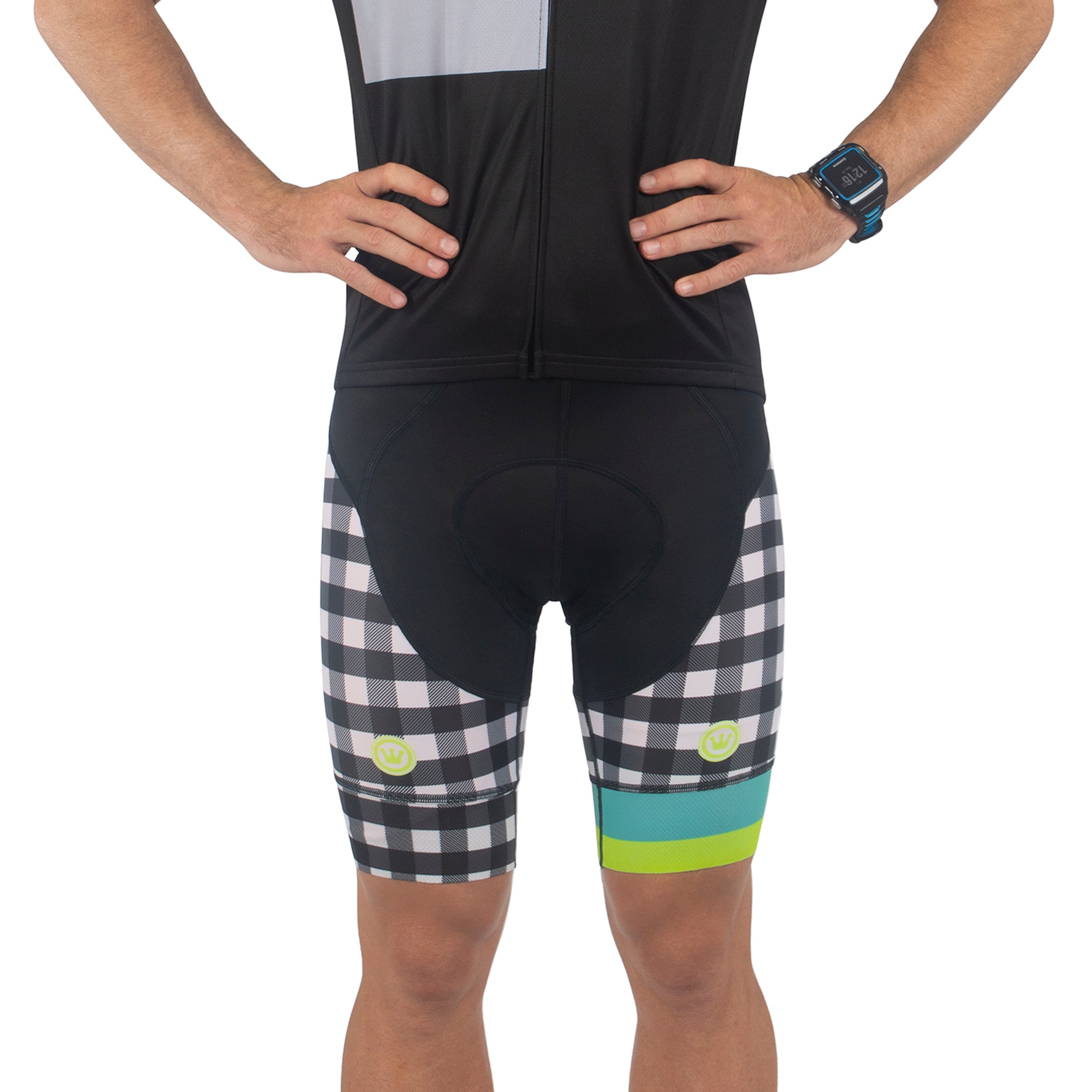
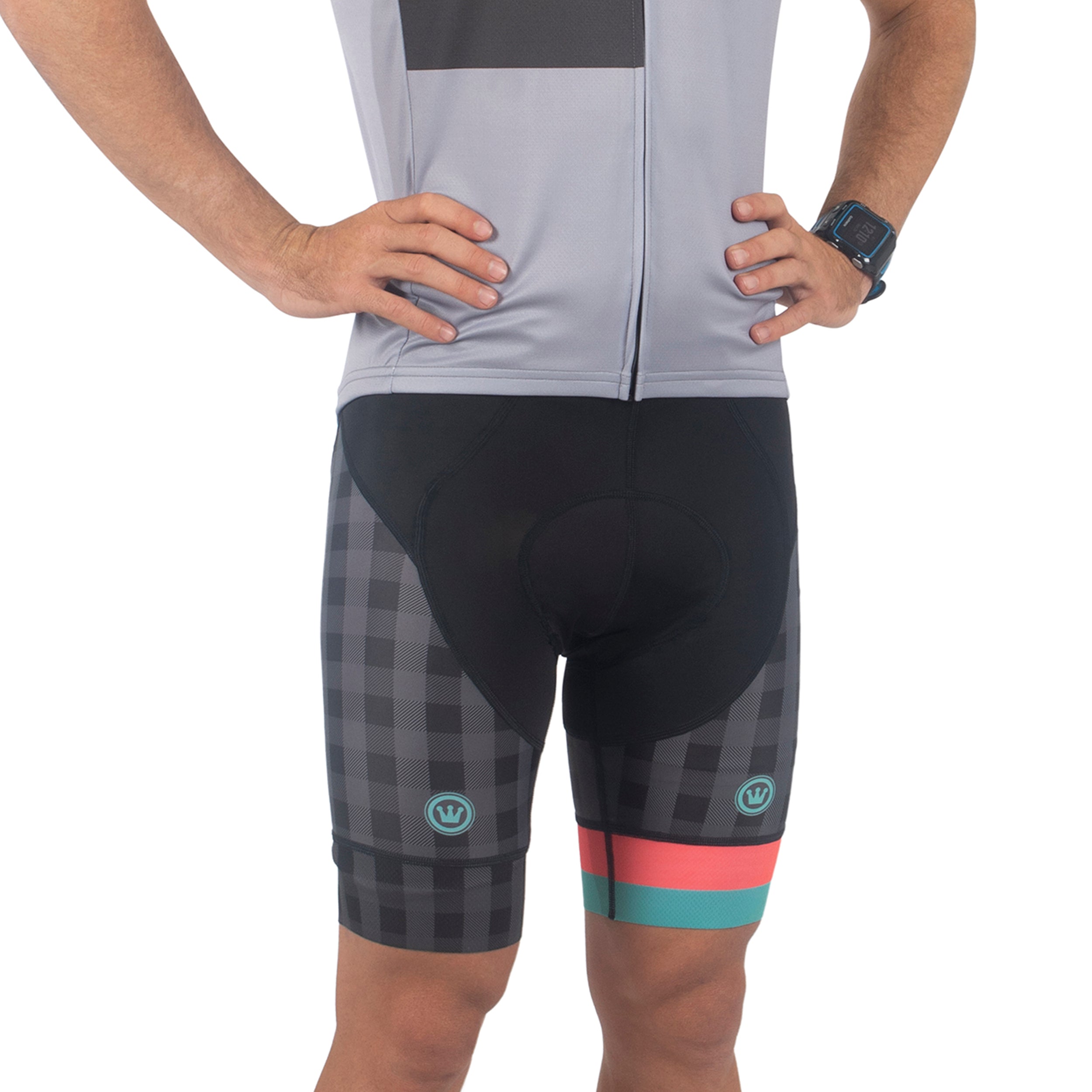
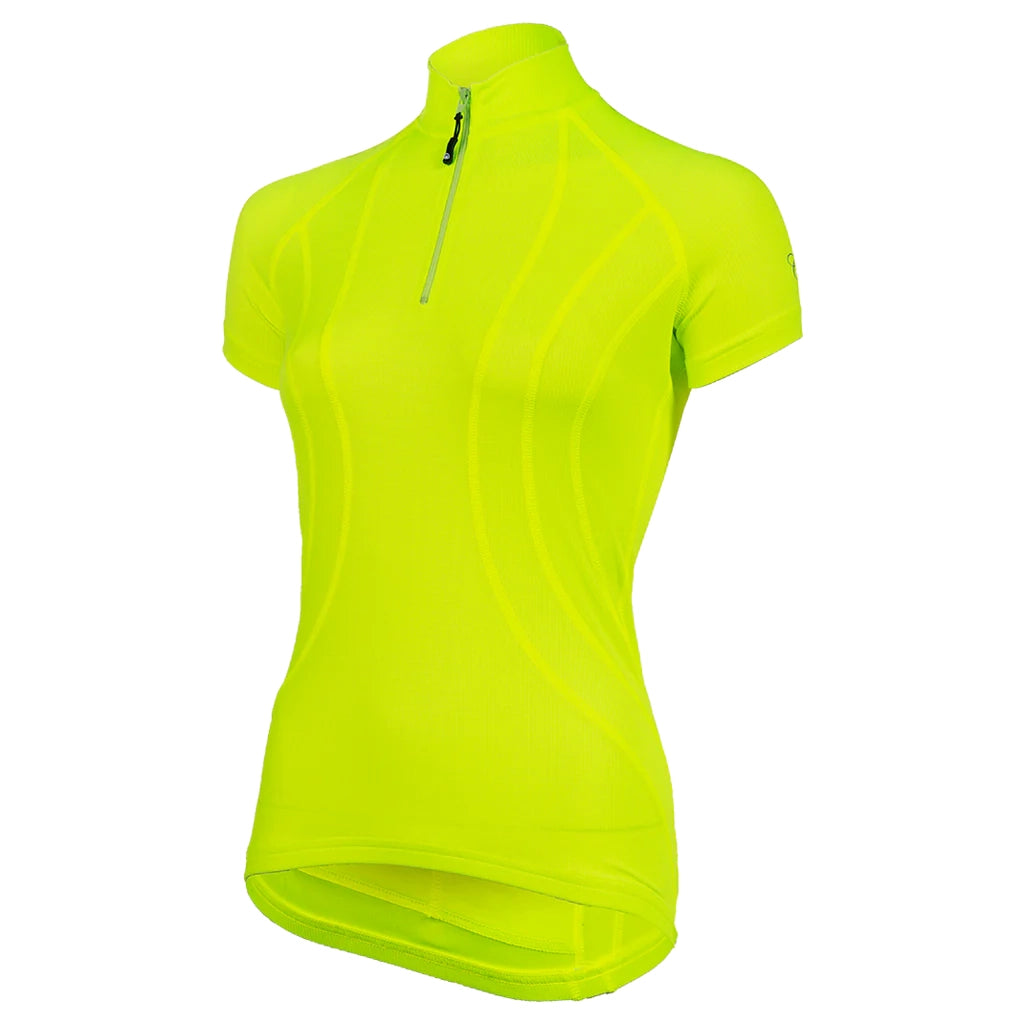
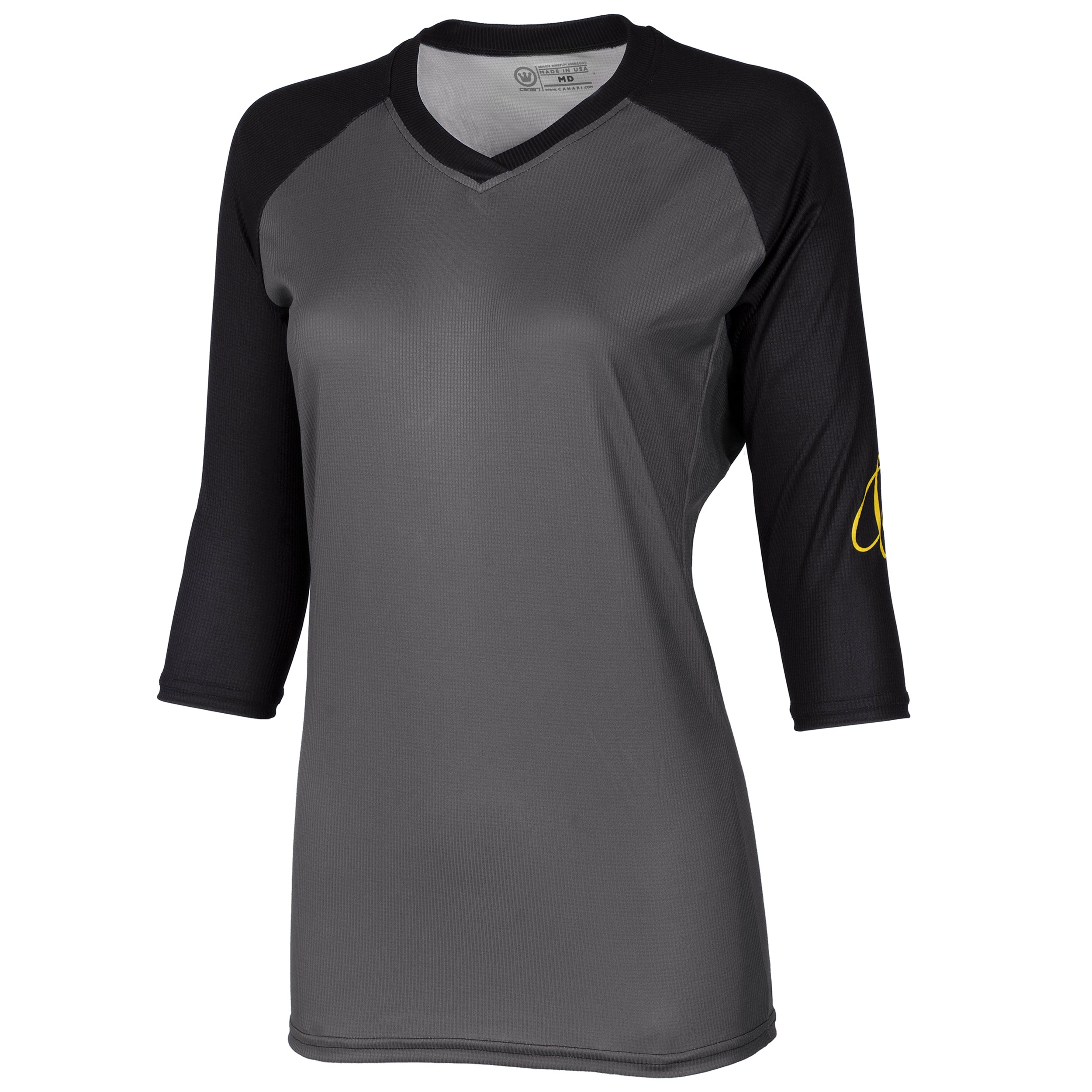
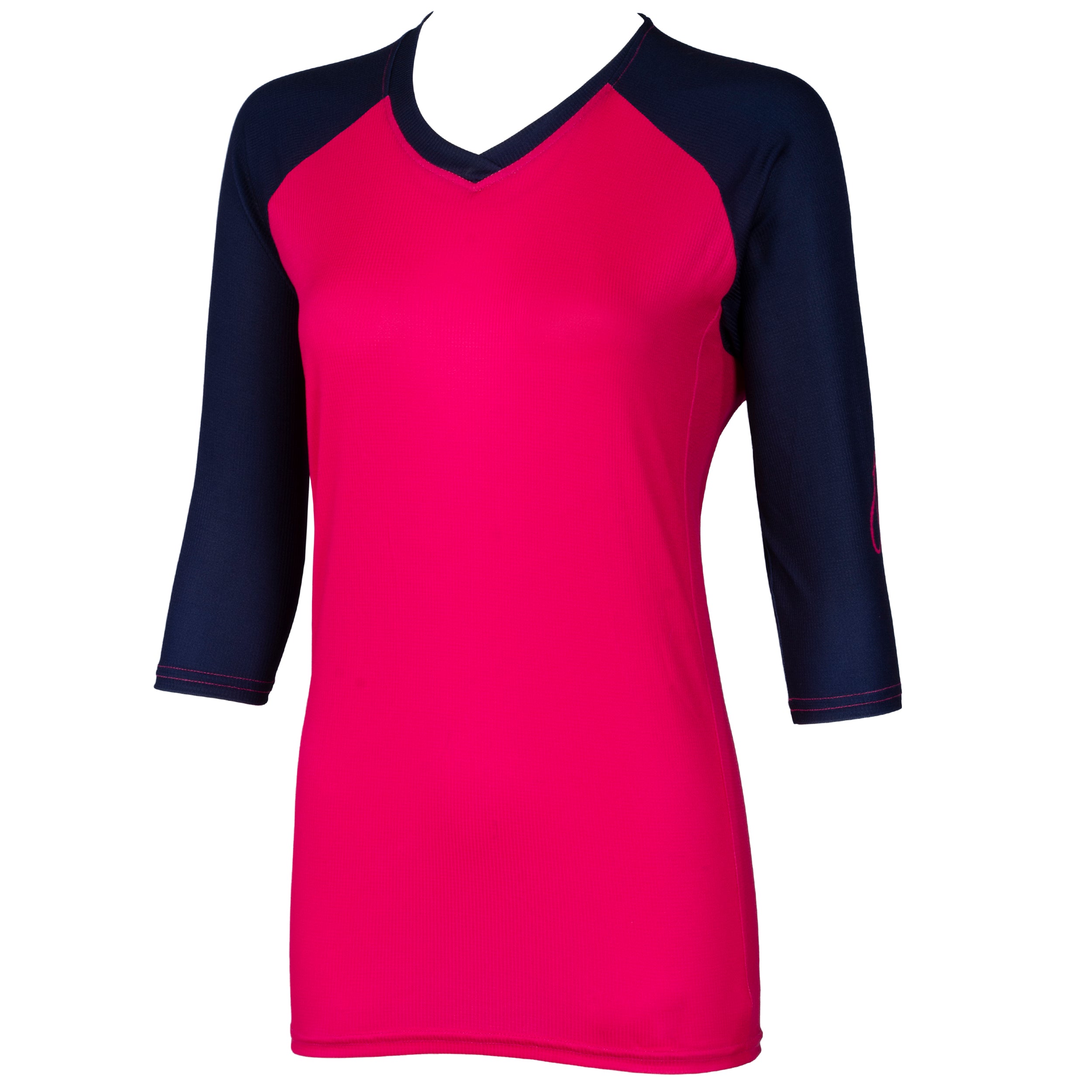
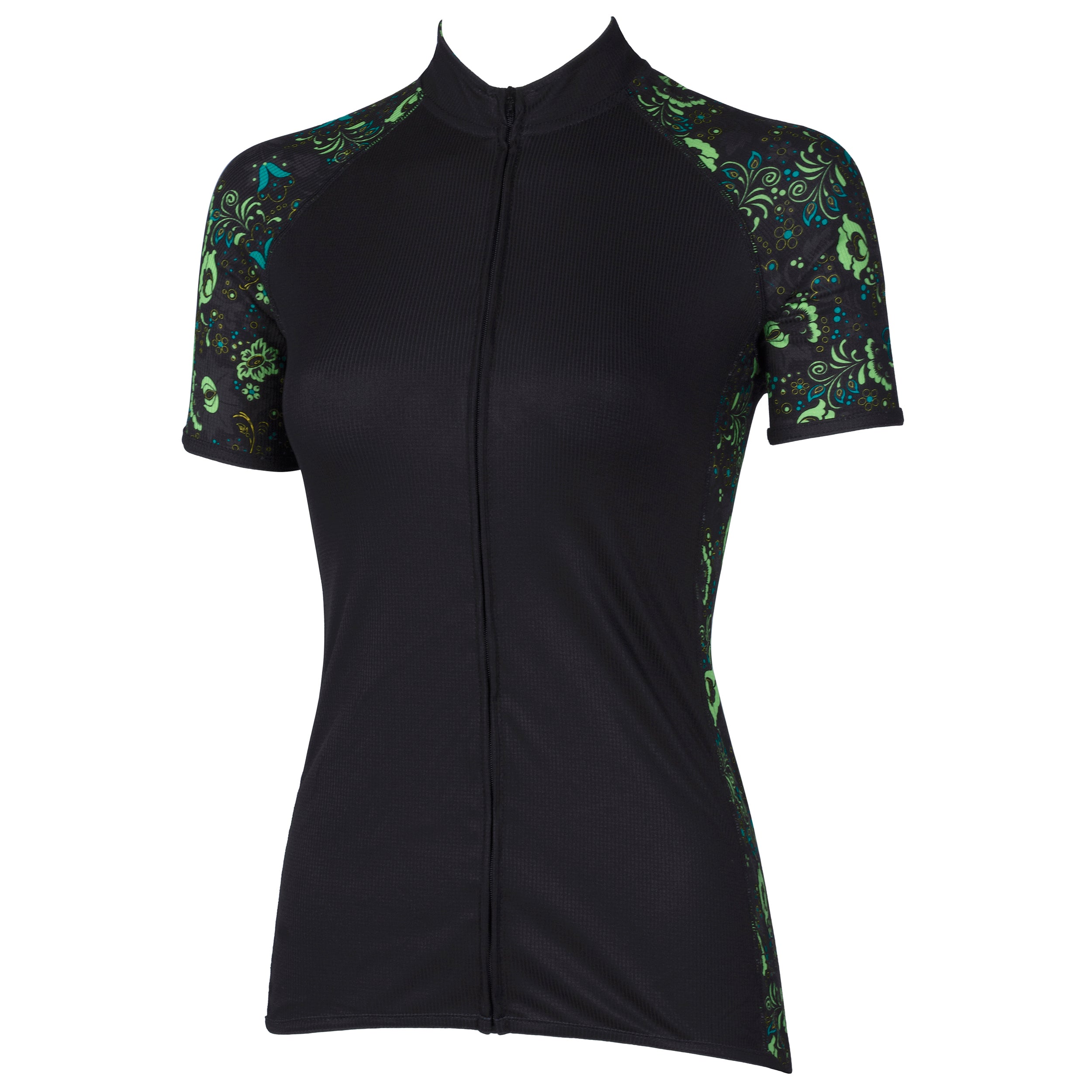
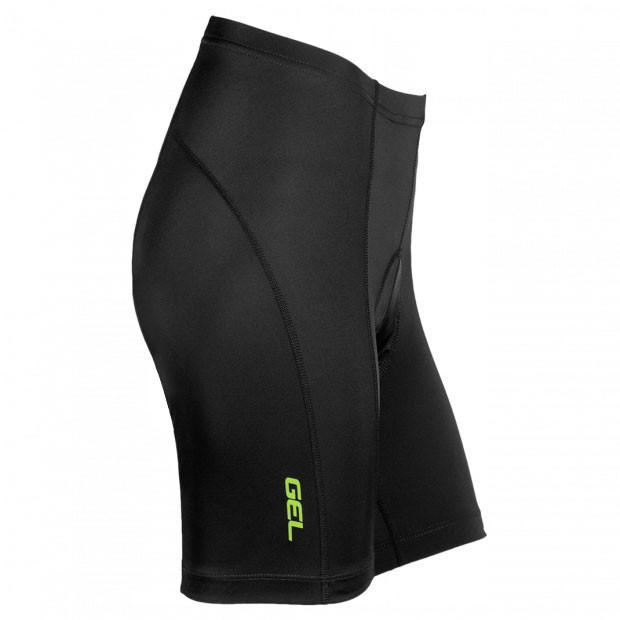
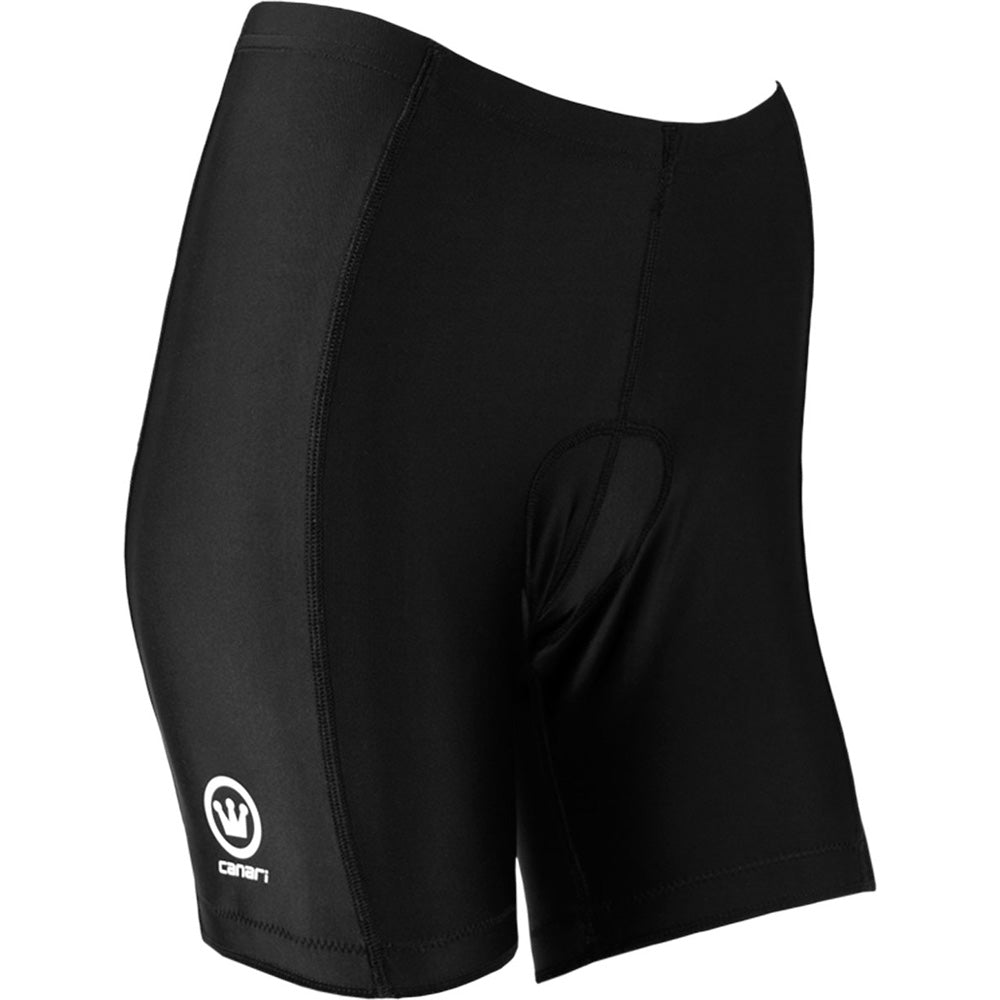
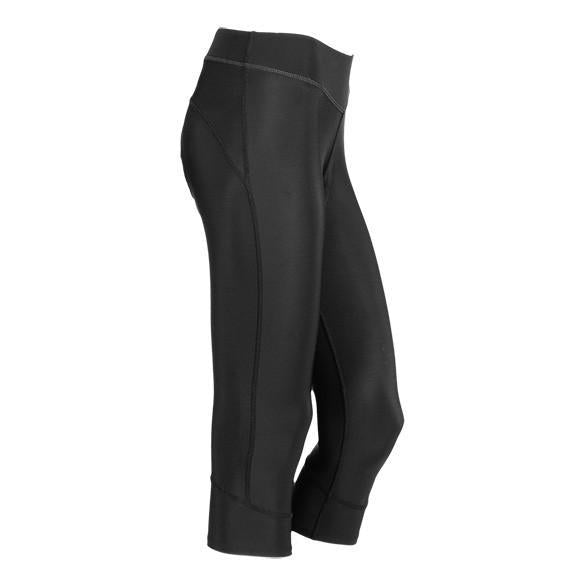
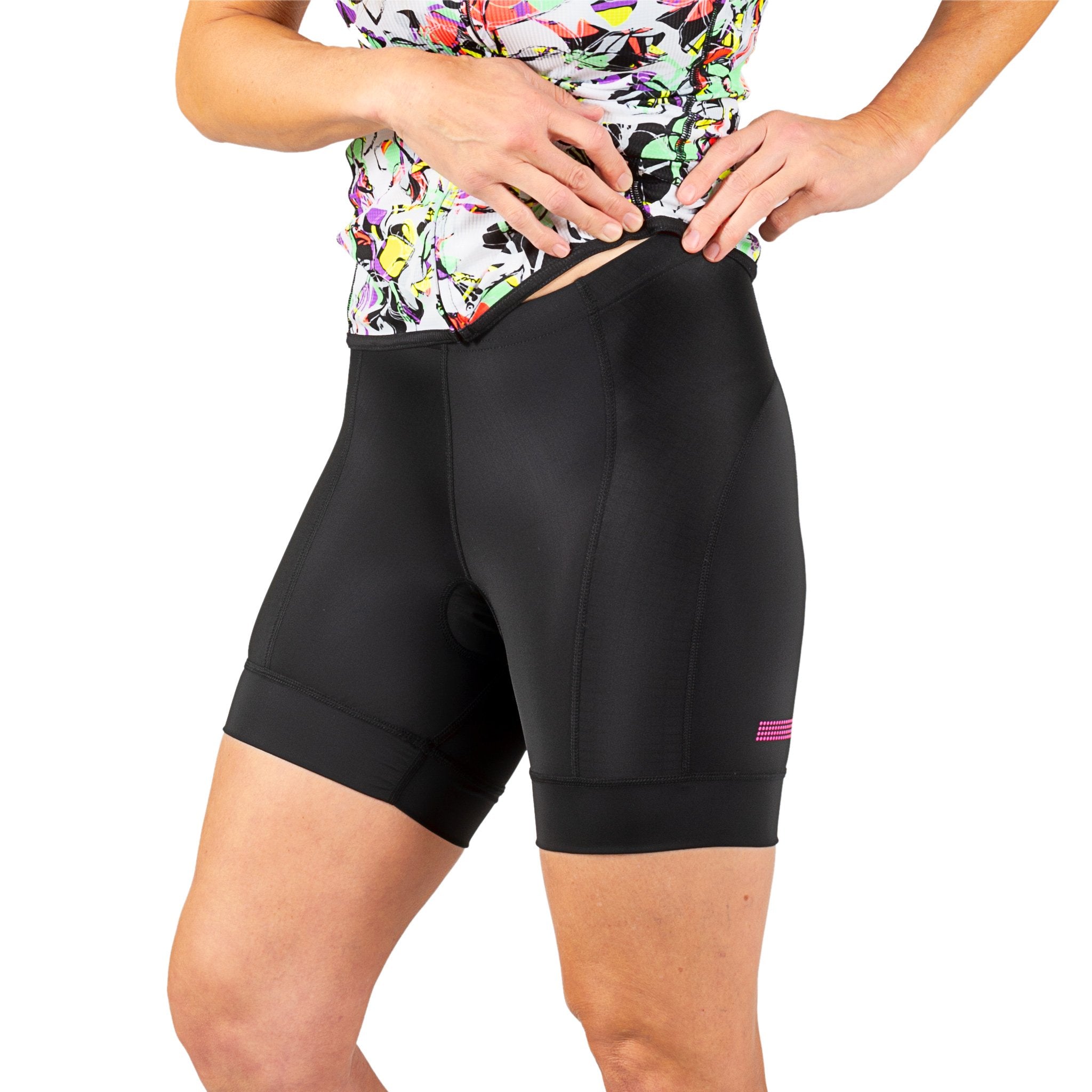
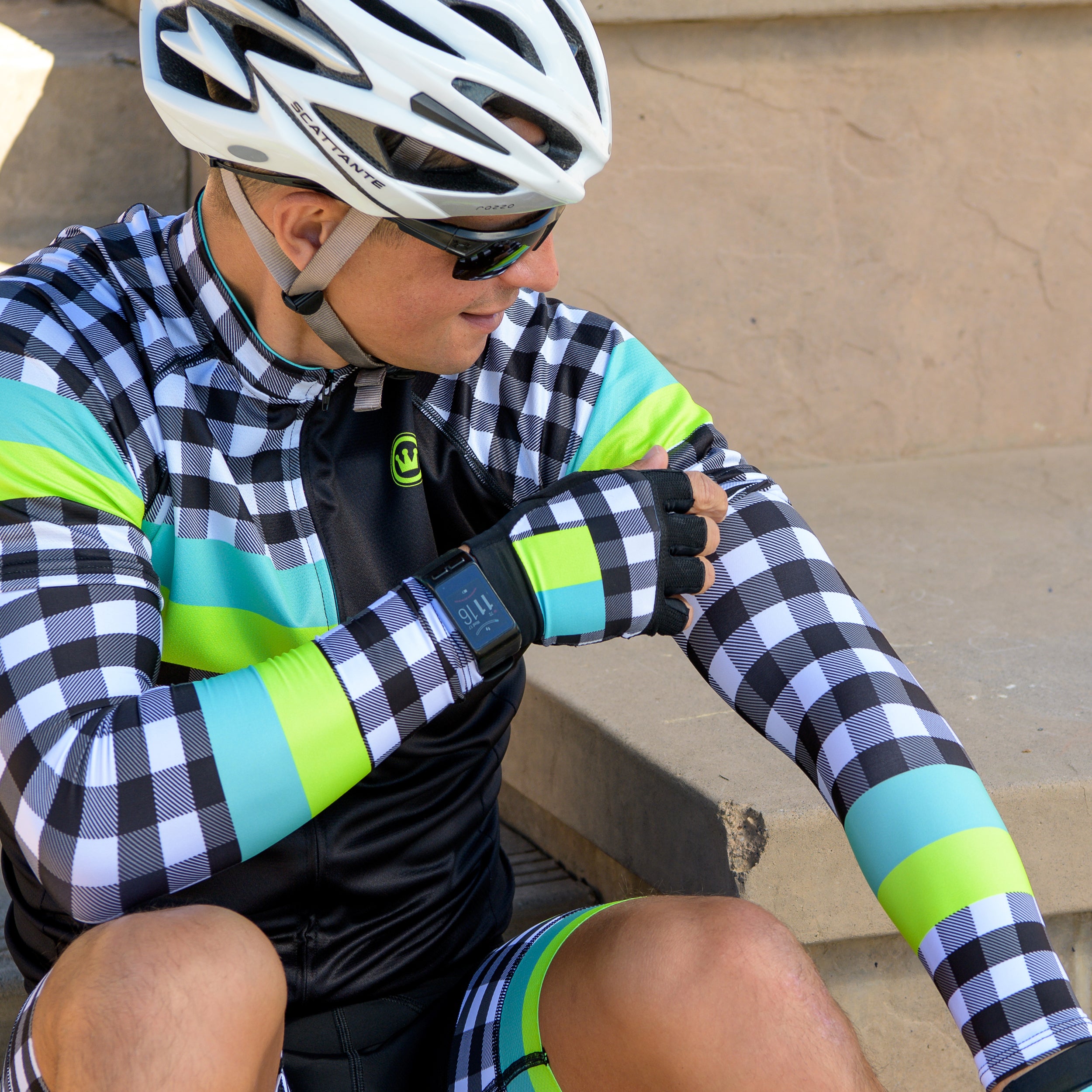
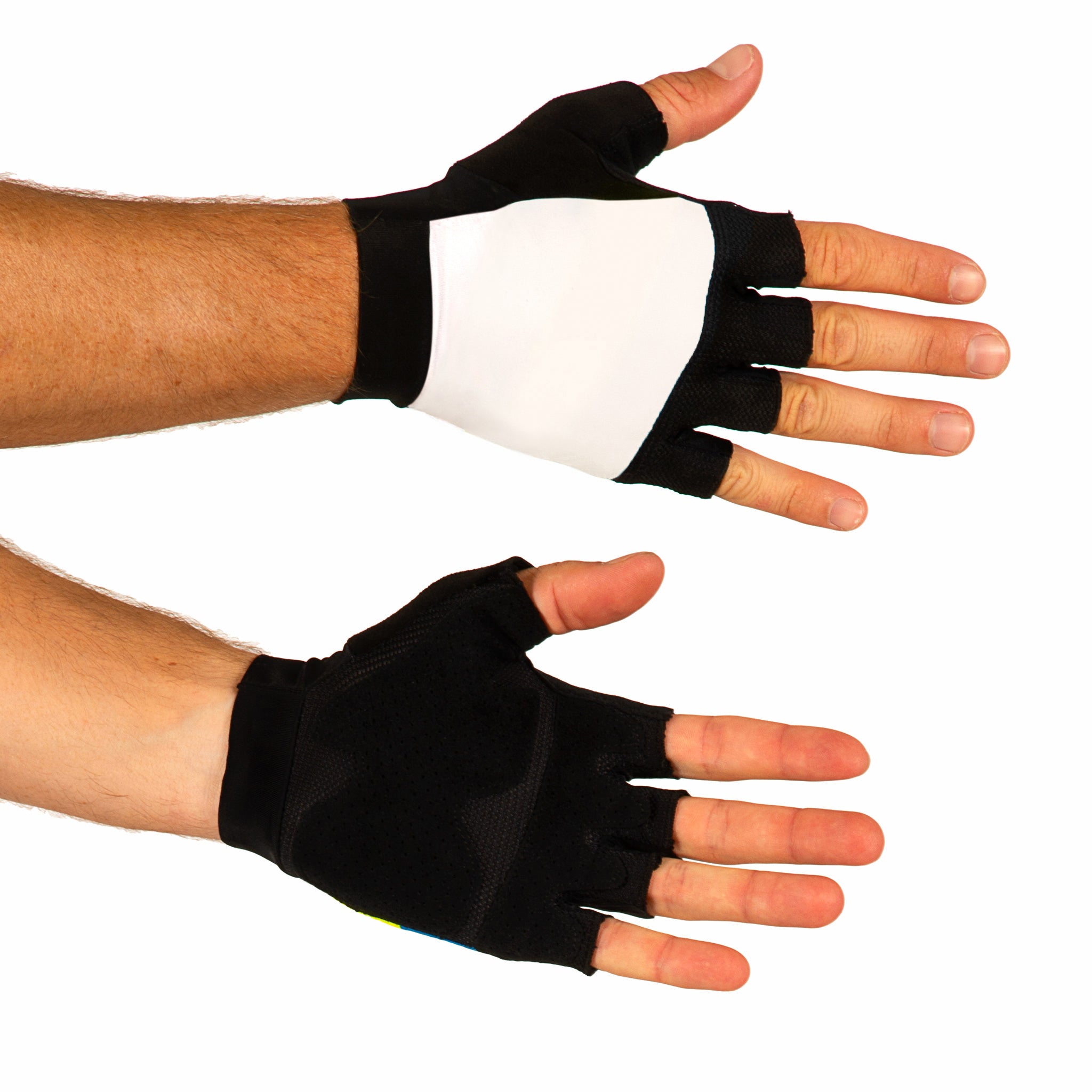
Wearing the right cycling gear isn't just about comfort - it can also help protect your joints. For instance, padded shorts are a must-have to reduce pressure on your sit bones and maintain a healthy riding posture.
- The Men's Velo Gel Short offers gel cushioning and durable fabric for $50.00.
- Women can opt for the Women's Pro Gel Short, which combines lightweight material with gel padding, also priced at $50.00.
- For a bit more coverage, the Women's Jasmine Gel Capri ($60.00) features breathable fabric and stylish design alongside gel cushioning.
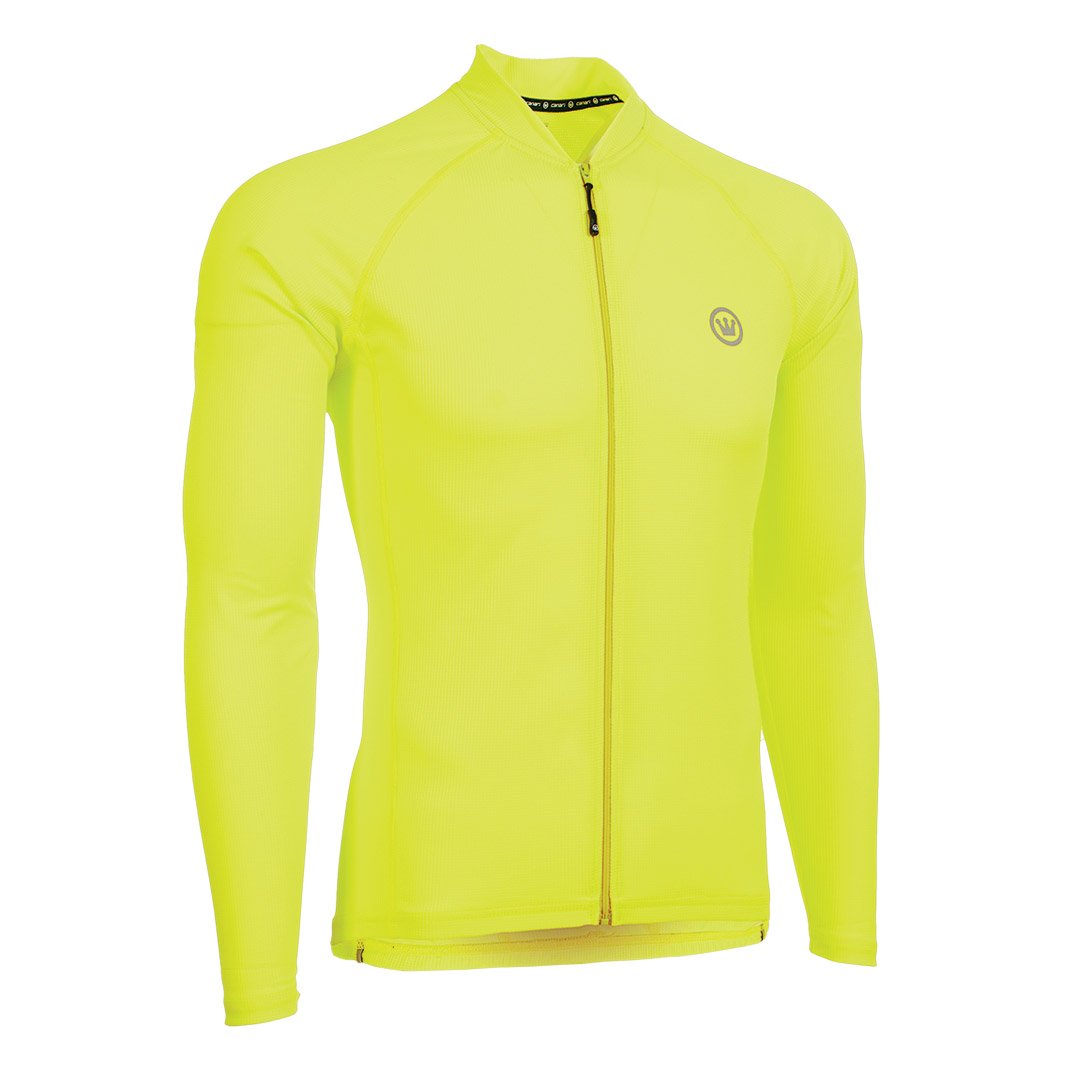
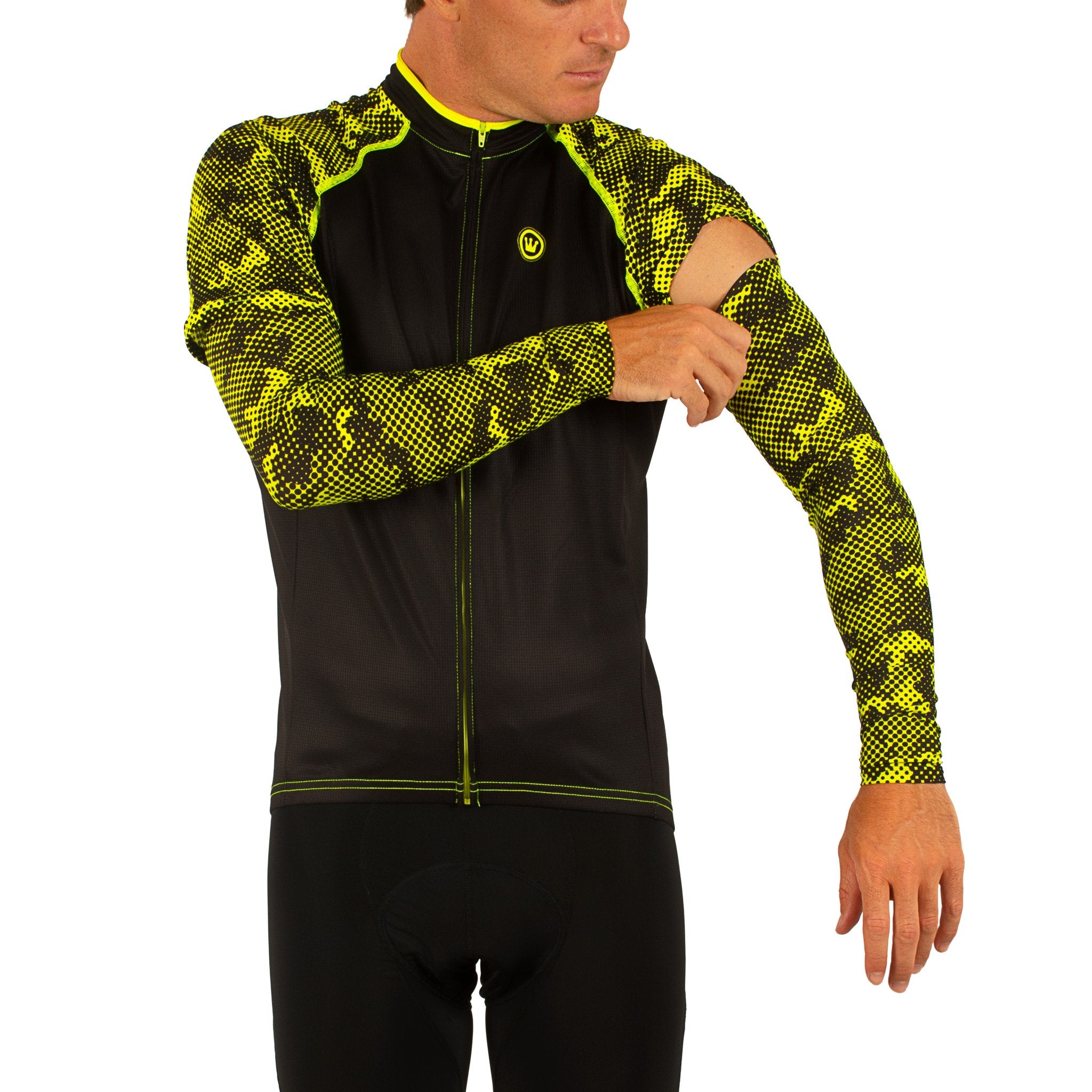
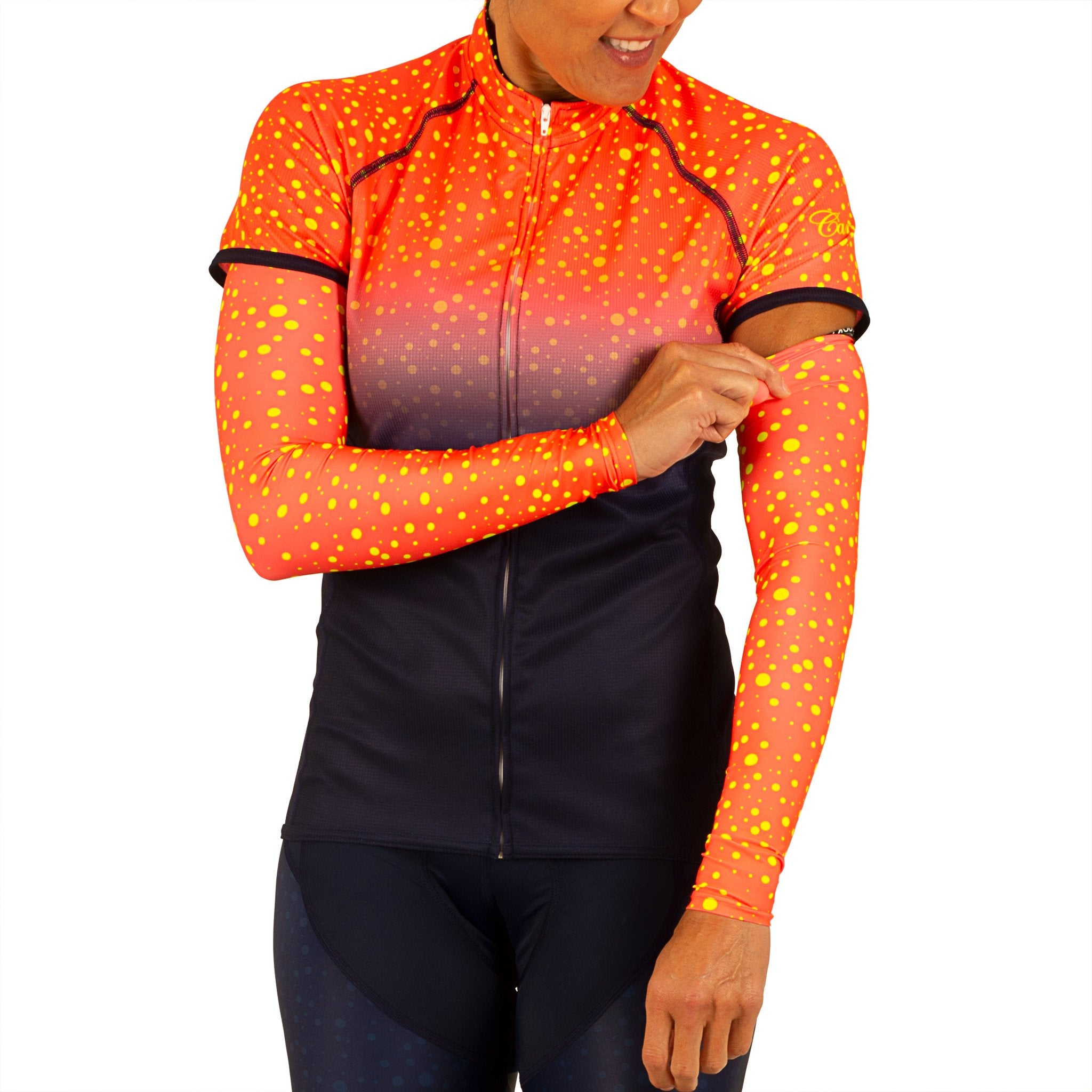
- Don't forget weather-appropriate gear! The Men's Eclipse Convertible Jacket ($70.00) is a lightweight, versatile option that adapts to cooler conditions, keeping you comfortable on unpredictable rides.
While investing in quality gear is important, pairing it with good habits makes all the difference.
Developing Smart Cycling Habits
To keep your joints feeling great for the long haul, focus on building disciplined cycling habits. These practices can help reduce discomfort and keep you riding pain-free.
- Ease Into It: Increase your weekly mileage gradually - no more than 10% per week. For instance, if you ride 100 miles this week, aim for 110 miles next week to give your body time to adjust.
- Change It Up: Avoid stiffness by shifting your riding position regularly. Move your hands on the handlebars every 20–30 minutes or stand briefly to stretch your hips and legs.
- Listen to Your Body: Pay attention to your limits. If pain persists for several days after a ride, take extra recovery time or consult a healthcare professional.
- Stay Hydrated and Eat Well: Drink 16–24 ounces of water per hour on rides longer than 90 minutes. Incorporate anti-inflammatory foods like fatty fish, leafy greens, and berries into your diet to support joint health.
- Stretch Regularly: Dedicate time to gentle stretches, focusing on areas like your hip flexors, hamstrings, and calves. This helps maintain flexibility and reduces tension in your muscles and joints.
- Prioritize Sleep: Aim for 7–9 hours of quality sleep each night. Rest is crucial for reducing inflammation and aiding recovery between rides.
Key Points for Healthy Cycling
Cycling, when done right, is easy on the joints and can be a great way to stay active without unnecessary strain. The challenges people sometimes face often come from preventable issues, not from cycling itself.
Research shows that cycling’s low-impact nature helps reduce joint stress, as long as you maintain proper form and avoid pushing yourself too hard. Simple steps like warming up, ensuring your bike is fitted correctly, and gradually increasing your mileage can go a long way in protecting your joints - often more effectively than dealing with injuries after they occur.
The right gear also plays a big role in keeping you comfortable and supporting healthy movement. Padded shorts can help reduce pressure points that might mess with your posture, and weather-appropriate clothing keeps your muscles warm and flexible, helping you maintain good form. Investing in quality cycling apparel isn’t just about comfort - it actively helps your body move the way it should.
Building healthy habits is another key part of the equation. Increasing your weekly mileage slowly (no more than 10% at a time), staying hydrated, and getting enough rest all work together to protect your joints from overuse injuries. These small, consistent choices add up to long-term benefits.
Cycling doesn’t have to be hard on your joints. With the right setup, a gradual approach, and attention to what your body needs, you can enjoy years of pain-free riding - and even improve your joint health by boosting mobility and strengthening the muscles that support them.
FAQs
How can I tell if my bike setup is causing joint pain, and what adjustments should I make to fix it?
If cycling is causing joint pain, it might be time to take a closer look at your bike setup. One of the first things to check is your saddle height. Ideally, your knee should have a slight bend - around 25–35 degrees - when the pedal reaches its lowest point. A saddle that's positioned too high or too low can unnecessarily strain your knees.
Another key factor is your saddle position. Make sure it's adjusted properly, either forward or backward, to keep your body in alignment. For those using clip-in pedals, pay attention to your cleat positioning. Misaligned cleats can create uneven pressure on your knees and other joints, leading to discomfort.
Even small adjustments to your bike fit can significantly ease joint pain and enhance your overall comfort. If the pain continues despite these changes, it may be worth consulting a professional bike fitter for a tailored solution.
What exercises can help protect and strengthen my joints while cycling?
To keep your joints healthy while cycling, it’s important to include exercises that boost stability, flexibility, and strength. For knee stability, try side-lying leg lifts with a resistance band or controlled pivoting movements - these target the muscles that support your joints. Low-impact activities like swimming or yoga are also great options. They improve flexibility, ease stiffness, and can help reduce strain on your joints.
Adding these exercises to your routine can enhance joint mobility, lower the chance of overuse injuries, and help you ride comfortably for years to come.
How can I tell if my post-ride soreness is normal or a sign of injury?
Normal post-ride soreness, known as delayed onset muscle soreness (DOMS), often feels like a dull, achy sensation in the muscles you worked during your ride. This type of soreness tends to come on gradually, is usually felt on both sides of the body, and generally eases up with rest or light movement over a few days.
Pain from an injury, however, is a different story. It’s typically sharp, focused in one area, and can get worse with continued movement. You might also notice swelling, numbness, weakness, or ongoing discomfort that doesn’t improve with rest. If you’re experiencing these symptoms, it’s a good idea to reach out to a healthcare professional to avoid making things worse.

