




























Aerodynamic cycling apparel is designed to reduce air resistance, helping cyclists move faster and use less energy. By using tight fits, smooth or textured fabrics, and precise seam placement, these garments can cut drag by up to 30%. This means saving up to 90 seconds over a 40 km ride or reducing energy use by 20 watts at high speeds. Key features include:
- Tight Fit: Eliminates flapping fabric, reducing turbulence.
- Textured Fabrics: Improves airflow, similar to dimples on a golf ball.
- Seam Placement: Aligns with body contours to optimize airflow.
- Compression Panels: Minimize muscle vibration and improve endurance.
Modern brands, like Canari Cycling Apparel, apply these principles to create gear that balances performance and comfort. Whether you're a competitive racer or casual cyclist, aerodynamic apparel offers measurable speed and efficiency gains.
Scientific Principles of Drag Reduction in Cycling
Understanding Drag in Cycling
When it comes to cycling, drag plays a pivotal role in determining how efficiently a rider can move through the air. The fundamental equation governing drag is: Fₙ = ½ρv²C_dA. This equation highlights that drag force depends on four key factors: air density (ρ), the square of the cyclist's velocity (v²), the drag coefficient (C_d), and the frontal area (A). The most striking part? Velocity is squared, meaning that if you double your speed, the drag force increases fourfold.
A lower drag coefficient signals a more streamlined shape, while a smaller frontal area means less air is displaced. These factors become especially crucial at higher speeds, which is why aerodynamic improvements are so valuable in time trials, road races, and other high-speed cycling events.
This understanding of drag physics forms the foundation for how cycling apparel is designed to enhance performance.
Apparel Design and Its Role in Reducing Drag
Cycling apparel engineers focus on three main elements to optimize airflow: fit, seam placement, and fabric texture. Tight-fitting clothing eliminates loose fabric that can flap in the wind, creating unnecessary turbulence. Seam placement is carefully planned to ensure smooth airflow over critical areas like the shoulders, chest, and arms. Additionally, some designs incorporate textured fabrics - similar to the dimples on a golf ball - to help maintain attached airflow, further reducing drag.
These design innovations aren't just theoretical. Research has shown their measurable impact on performance.
Key Research on Aerodynamic Apparel
Both wind tunnel experiments and real-world tests have proven the benefits of aerodynamic cycling apparel. For instance, switching from loose clothing to a full-body skinsuit can cut drag by as much as 30%. Even small changes, like optimizing fabric patterns on the arms, can reduce air resistance by up to 8% compared to standard designs. Field tests reveal that wearing an aero jersey can save approximately 20 watts at high speeds, a significant advantage over long race distances.
Here’s a quick breakdown of how different apparel types affect drag:
| Apparel Type | Drag Reduction | Key Features |
|---|---|---|
| Loose clothing | Baseline | Flapping fabric, high drag |
| Tight jersey | Moderate | Smooth fit, reduced turbulence |
| Aero skinsuit | Up to 30% | Optimized seams, textured fabrics |
These findings highlight how thoughtful design choices in apparel can significantly enhance performance, solidifying the science behind aerodynamic clothing in cycling.
Advanced Materials and Construction Methods
Fabric Technologies for Aerodynamics
To enhance aerodynamics, modern cycling apparel relies on cutting-edge materials and construction techniques. Performance fabrics like Lycra and specially engineered textiles with textured surfaces play a key role. These materials create a controlled turbulent boundary layer, which helps airflow stay attached to the body, effectively reducing pressure drag.
Seam Placement and Zone Optimization
In aerodynamic cycling gear, every seam is deliberately positioned to improve airflow. Designers strategically align seams with the body's natural contours to minimize turbulence. Zone-specific textures are used to generate controlled turbulence that helps maintain smooth, laminar airflow. Research shows that these precision-engineered designs can cut air resistance by as much as 8% compared to standard garments. Additionally, flat seams, achieved through advanced manufacturing techniques, further enhance aerodynamic performance. These innovations not only improve efficiency but also maintain rider comfort, ensuring that performance doesn't come at the expense of usability.
Balancing Aerodynamics with Comfort
While reducing drag is essential, ensuring rider comfort during long rides is just as important. High-performance cycling gear must strike a balance between aerodynamic efficiency and effective thermal regulation. For instance, polymer coatings can boost sweat evaporation without hindering aerodynamic properties. The snug fit required for low drag also prevents chafing and reduces excess fabric. However, it can sometimes limit breathability in hot conditions. To counteract this, designers incorporate ventilation zones in key areas, allowing for better airflow without compromising overall performance. These design decisions are rigorously tested using wind tunnels, thermal manikins, and real-world track evaluations.
Brands like Canari Cycling Apparel bring these advanced materials and techniques to life, crafting gear that blends aerodynamic performance, comfort, and durability for both road and off-road cyclists.
Performance Benefits of Aerodynamic Cycling Apparel
Testing Results and Data
Extensive testing - both in wind tunnels and on the track - has confirmed the aerodynamic advantages of specialized cycling apparel. Wind tunnel experiments measure drag coefficients (CdA) and airflow patterns around cyclists, giving precise insights into how different garments impact air resistance. These controlled tests are validated through field studies, often performed on outdoor velodromes, to ensure the lab results translate to real-world conditions.
Wind tunnel data shows that skinsuits can cut drag by up to 30%. Field tests further reveal that optimized aero kits can save riders 60 to 90 seconds over a 40 km (approximately 25-mile) course, with the most noticeable benefits occurring at speeds above 15 mph (24 km/h) [2].
Aero jerseys also deliver measurable benefits, saving up to 20 watts at higher speeds. Over long rides, this translates to significant time and energy savings. At speeds where air resistance can account for as much as 90% of the total resistance, these power savings become even more critical. Consistently, field tests show that switching to a snug, aerodynamic kit can save cyclists 30 to 60 seconds over a 40 km time trial.
Beyond drag reduction, researchers use thermal manikins to assess how aerodynamic features influence comfort and temperature regulation. Studies indicate that differences in fabric thermal conductivity don’t significantly affect a rider’s physiological responses under moderate conditions. This enables designers to focus on aerodynamic efficiency without compromising comfort.
The data highlights the influence of specific design features, which are broken down in the following comparison.
Comparing Features for Performance Gains
The performance improvements come down to carefully considered design elements. Each feature offers distinct advantages, but they also come with trade-offs. Understanding these details can help cyclists choose gear that aligns with their riding needs.
| Feature | Pros | Cons |
|---|---|---|
| Tight Fit (Skinsuit) | Maximum drag reduction | May feel less breathable on long rides |
| Smooth Fabric | Streamlined airflow, reduced friction | Less effective in turbulent wind conditions |
| Textured Zones | Reduces wake, further improving aerodynamics | Complex to manufacture, may compromise comfort |
| Strategic Seam Placement | Minimizes turbulence, optimizes airflow | Precision design increases production costs |
| Moisture-Wicking | Prevents chafing, improves comfort | Limited direct aerodynamic impact |
| Compression | Reduces muscle fatigue, aids performance | Can feel restrictive during extended rides |
Tight-fitting skinsuits lead the pack in drag reduction but may sacrifice some comfort on longer routes. Smooth fabrics like Lycra provide a solid foundation for aerodynamic performance, though they might not perform as well in unpredictable wind conditions.
Textured zones take things a step further by using rougher materials in specific areas to create controlled turbulence - similar to the dimples on a golf ball. This approach can cut air resistance by up to 8% when applied to areas like the arms. However, the complexity of these designs drives up manufacturing costs.
Strategic seam placement complements fabric choices by aligning seams with the body’s natural contours, reducing turbulence and enhancing airflow. Flat seams not only improve aerodynamics but also ensure comfort during long rides. This attention to detail sets high-performance cycling gear apart from standard options.
Brands such as Canari Cycling Apparel integrate these scientific principles into their designs. Their product lineup - featuring tight-fitting jerseys, padded shorts, and jackets - balances aerodynamic efficiency with the durability and comfort needed for both road and off-road adventures. By combining performance with practicality, they cater to the diverse needs of cyclists across various conditions.
sbb-itb-1992862
Application in Modern Cycling Gear
Features in Contemporary Cycling Apparel
Modern cycling gear has come a long way, blending advanced aerodynamic principles with practical designs to improve performance at every level. These advancements aren't just for professional racers - they bring measurable benefits to all cyclists.
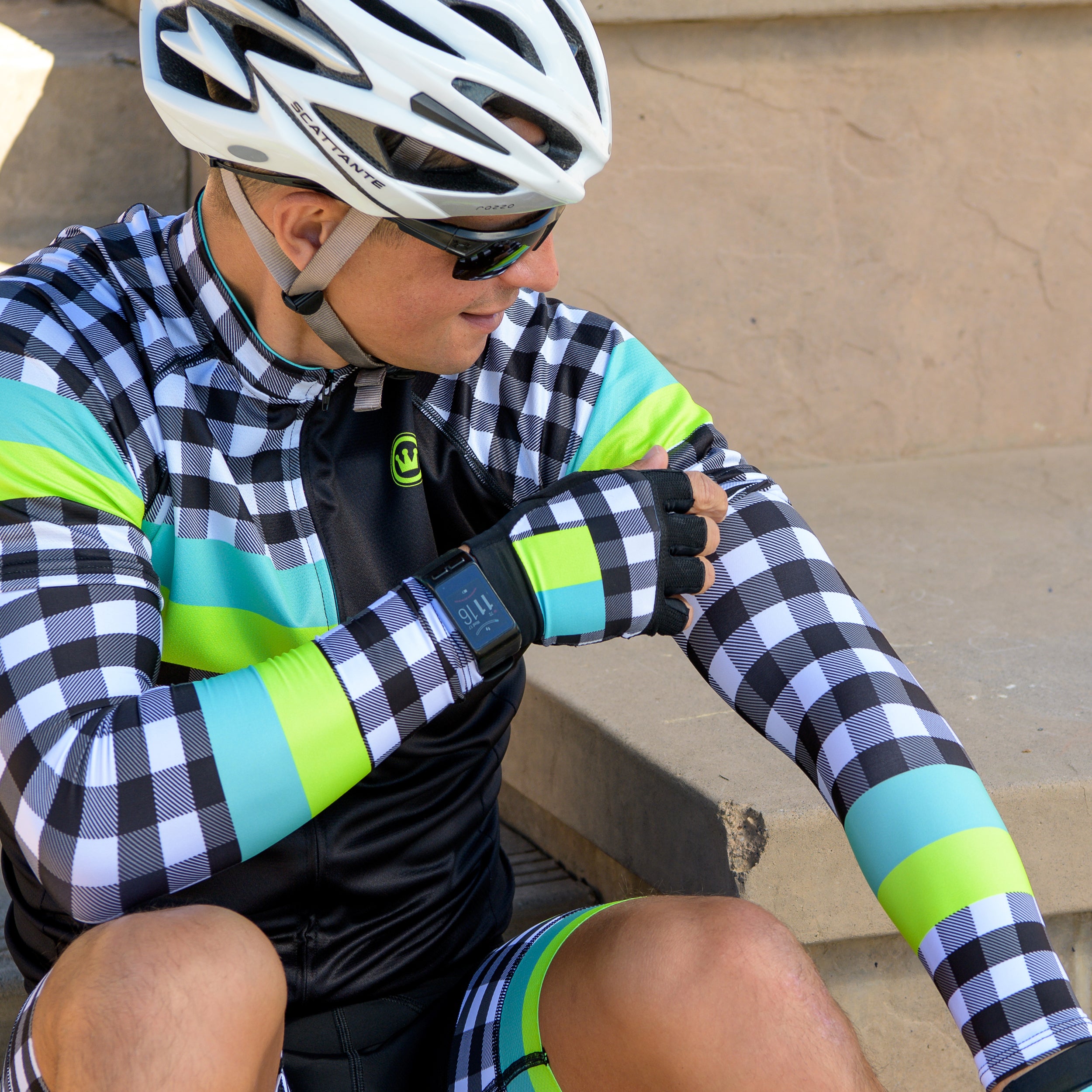
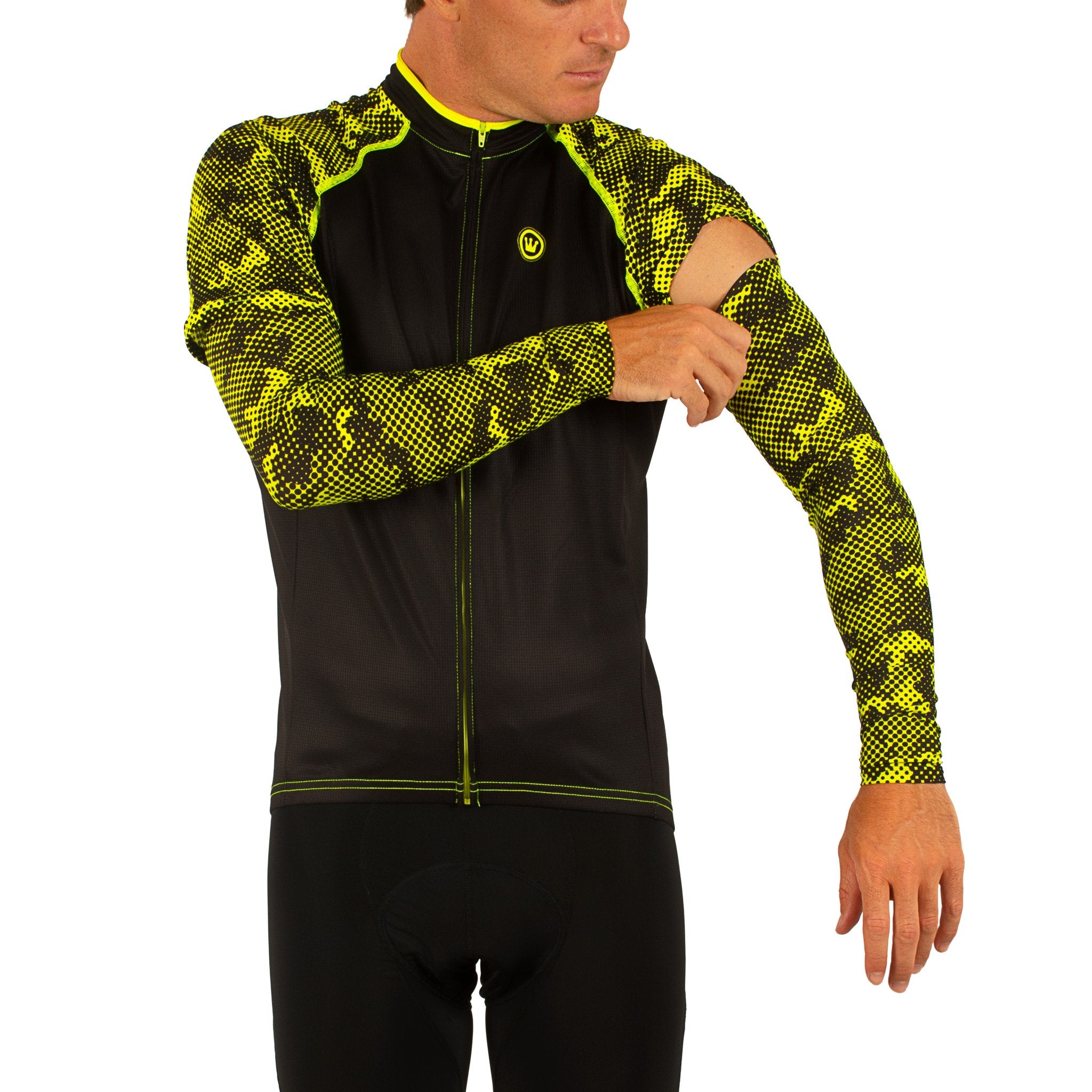
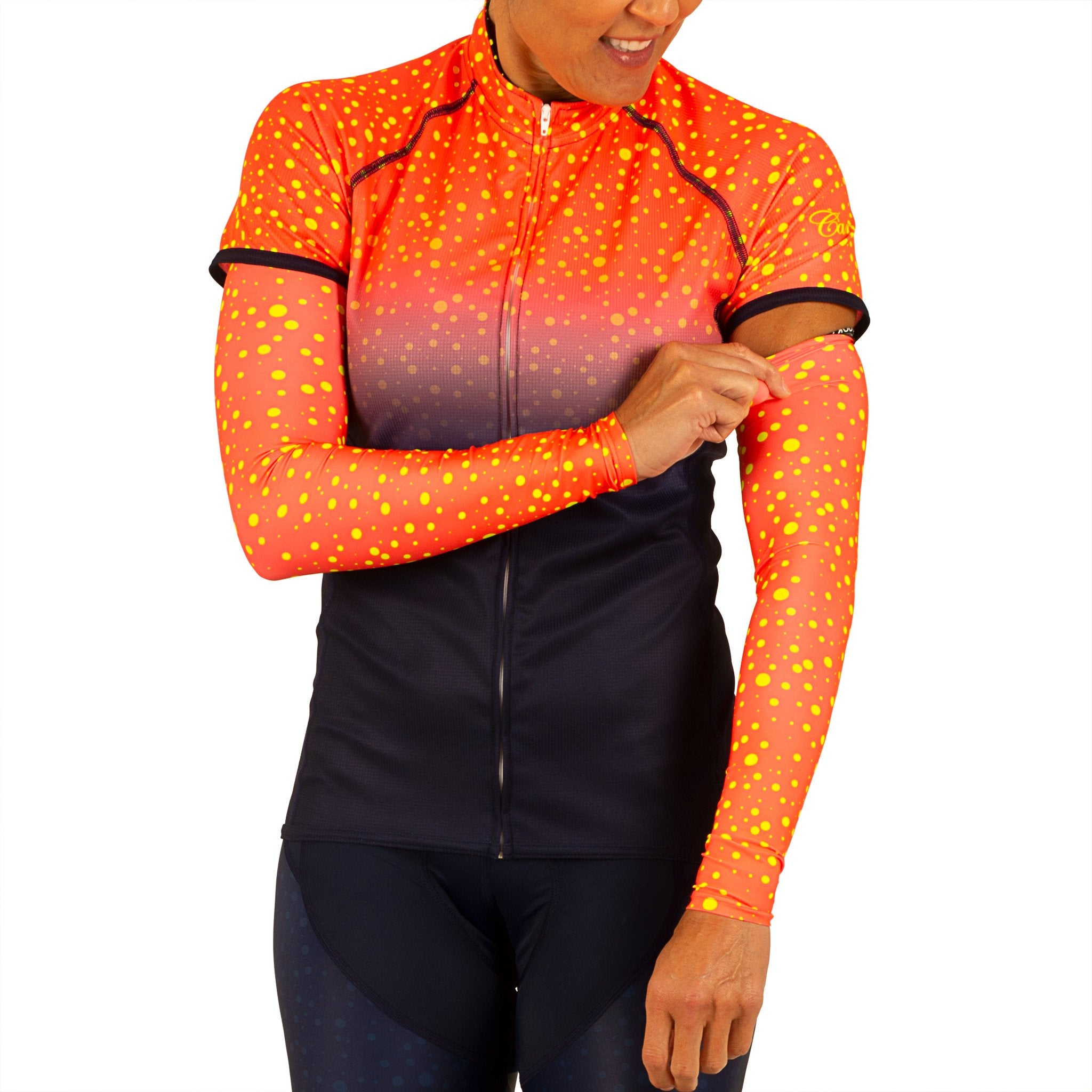
One standout feature in today's cycling apparel is aero sleeves. These sleeves use textured fabrics to manage airflow around the arms. By creating controlled turbulence, they reduce drag in much the same way dimples on a golf ball do. Research has shown that this approach significantly cuts air resistance.
Another innovation is laser-cut edges, which have become a staple in high-performance gear. By eliminating bulky hems, these edges create a smooth, streamlined profile that reduces drag.
Zoned fabric technology takes customization to a new level. Manufacturers strategically place materials where they’re most effective - smooth Lycra in areas requiring laminar airflow and textured fabrics on the arms, shoulders, and back to cut down on drag. This targeted design ensures maximum aerodynamic efficiency without sacrificing comfort.
Compression panels also play a dual role. They minimize muscle vibration and fabric drag while promoting better blood flow during long rides, helping cyclists maintain endurance.
Lastly, minimal paneling construction has reduced the number of seams in cycling apparel. Fewer seams mean less disruption to airflow, enhancing both aerodynamics and rider comfort.
Canari Cycling Apparel and Aerodynamics

Canari Cycling Apparel brings these innovations to life by applying aerodynamic science to everyday cycling gear, making it accessible to all riders. Their designs balance performance and practicality, ensuring gear that works for both casual cyclists and enthusiasts.
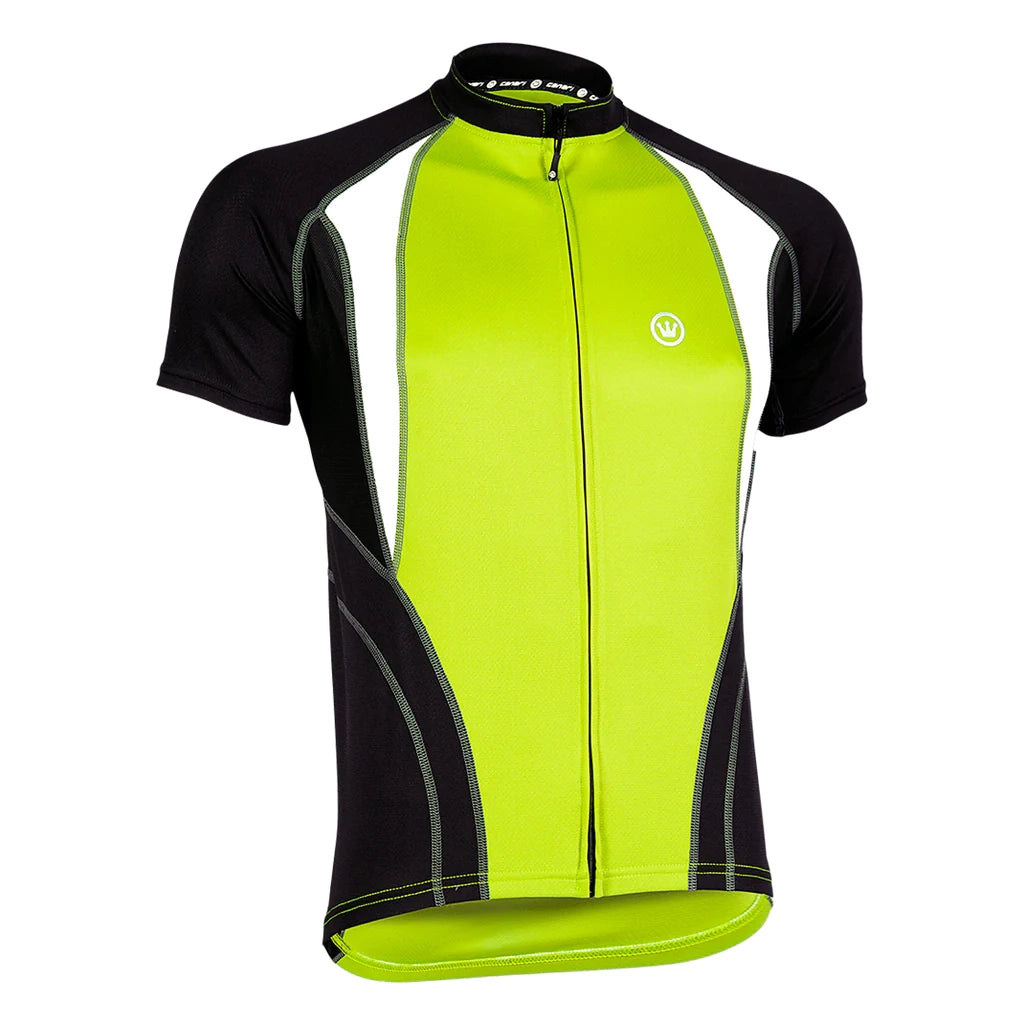
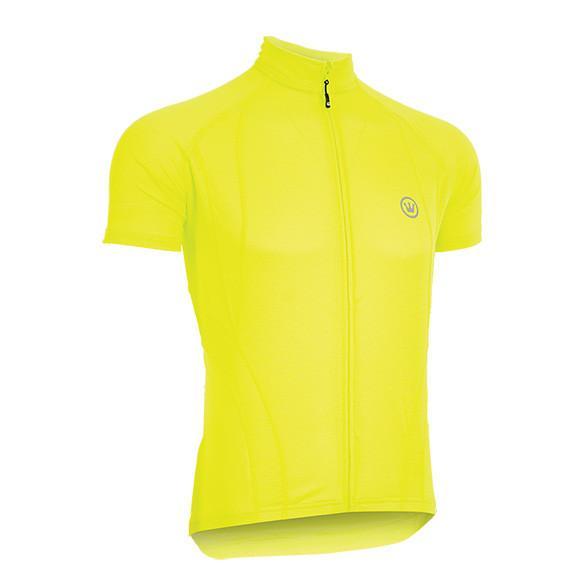
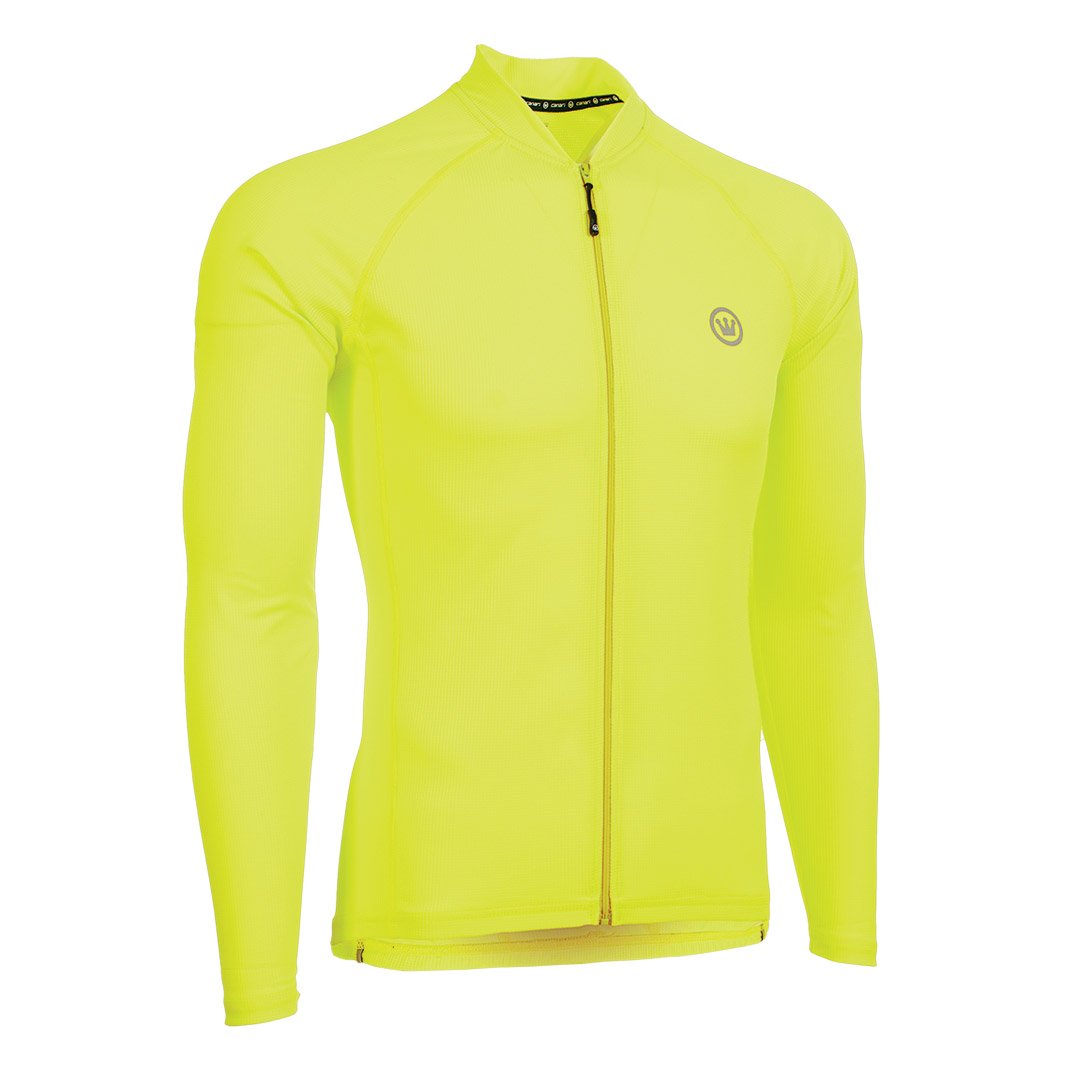
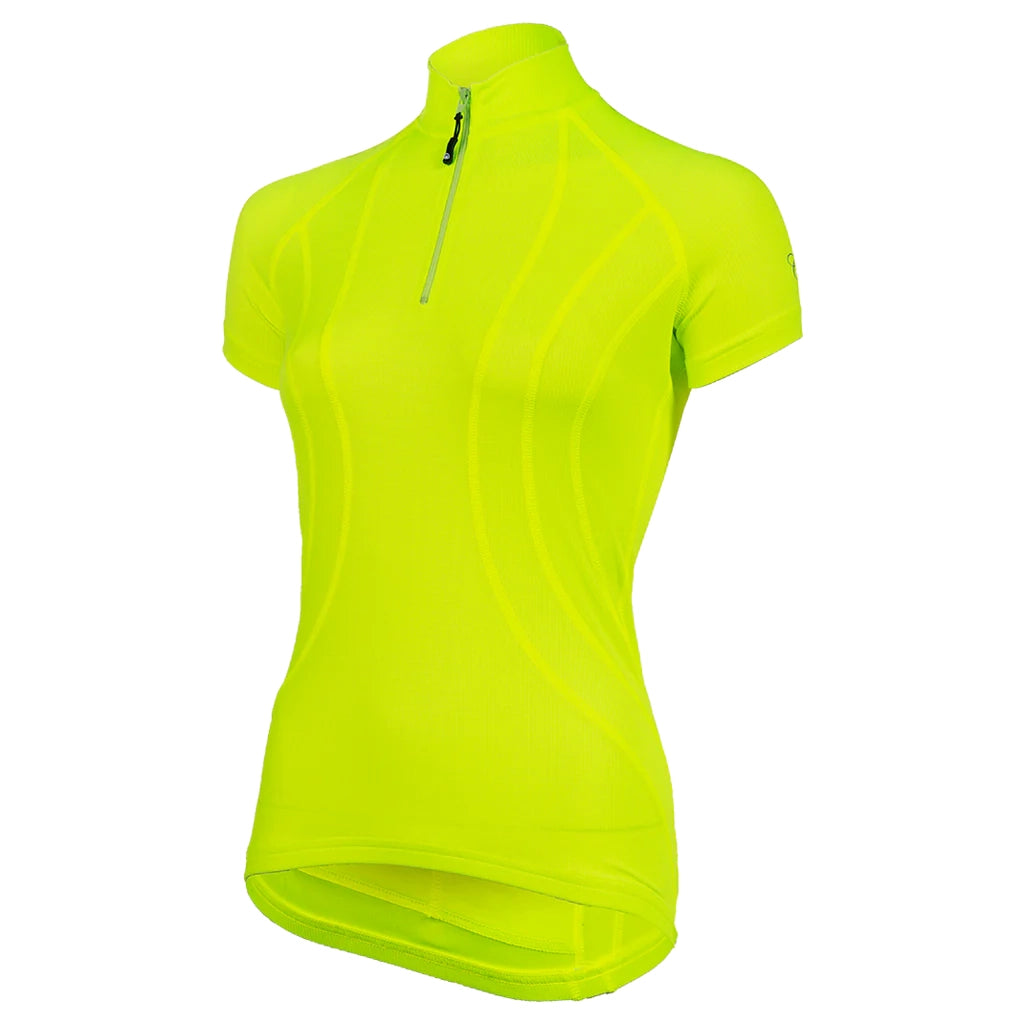
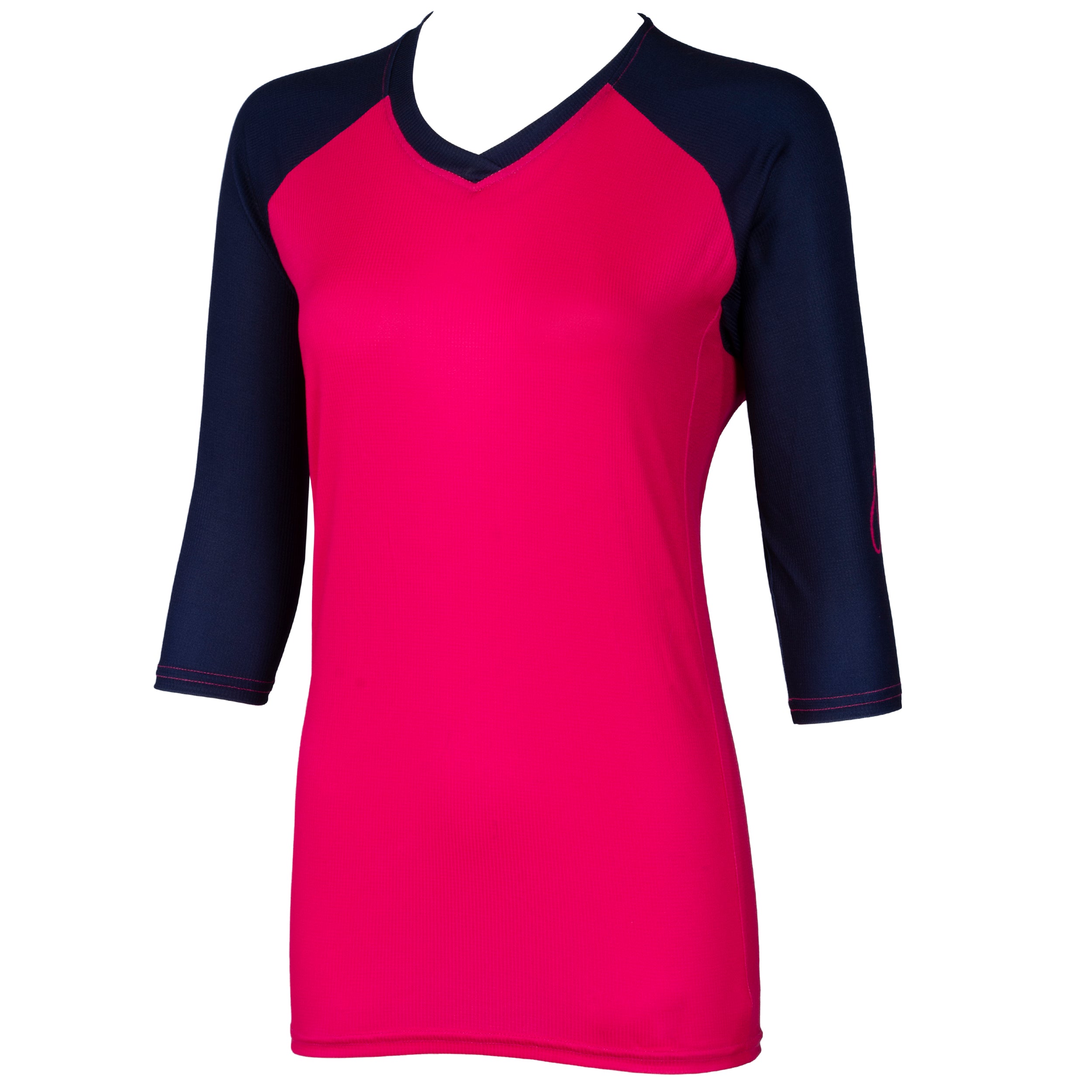
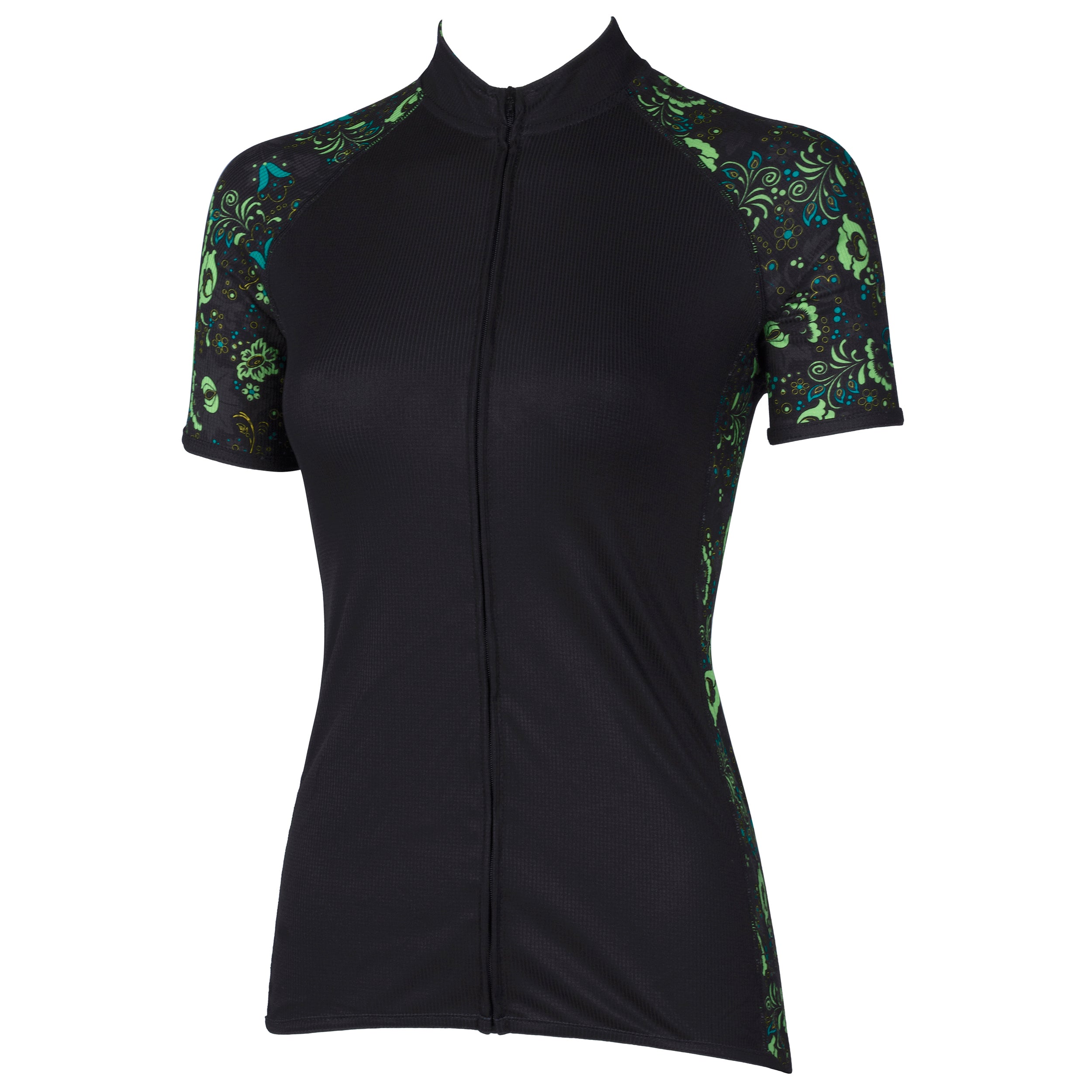
Take their tight-fitting jerseys, for example. These jerseys feature form-fitting cuts that reduce drag while remaining comfortable for long rides. Moisture-wicking fabrics keep riders dry without adding bulk, and ventilation zones are strategically placed to regulate temperature without interfering with airflow.
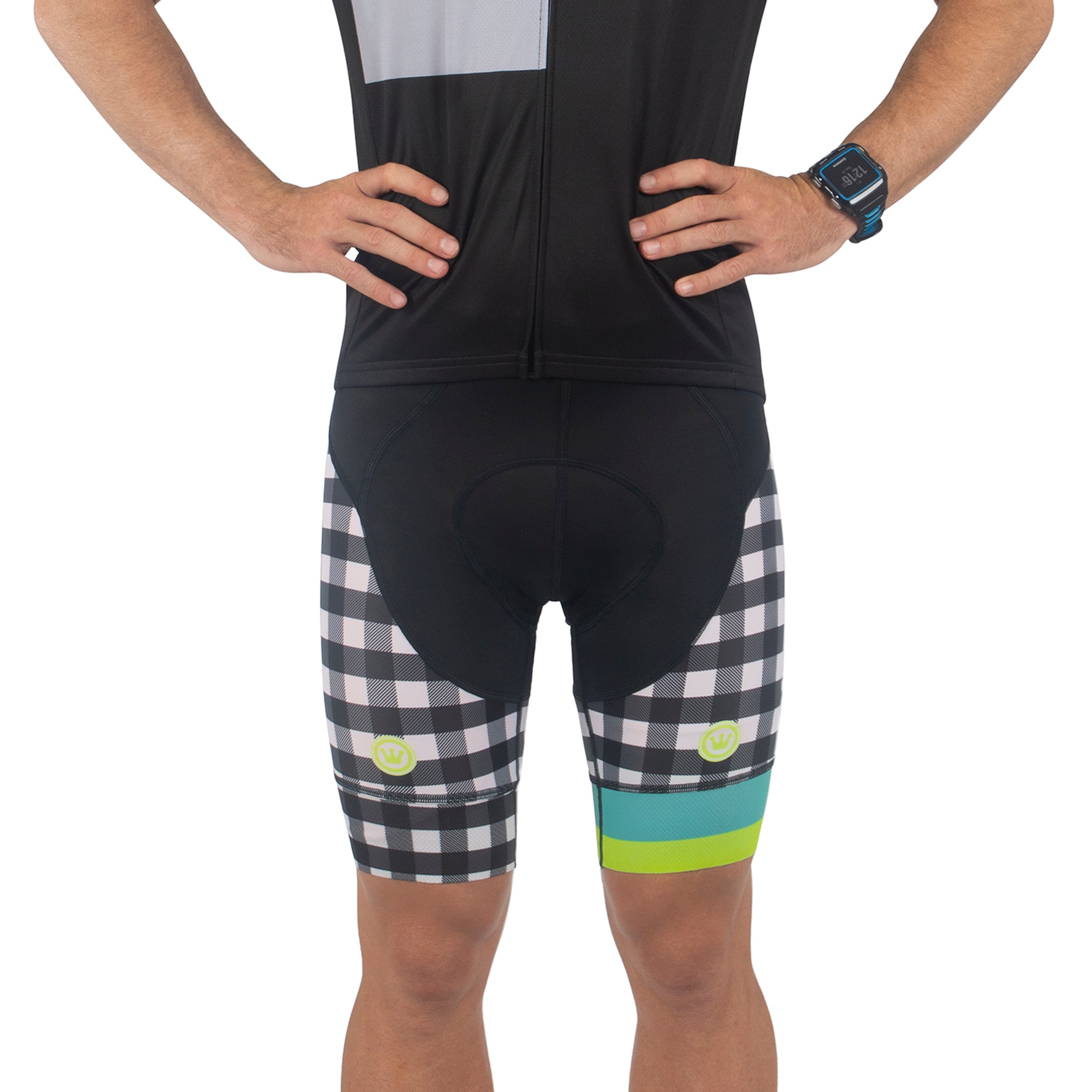
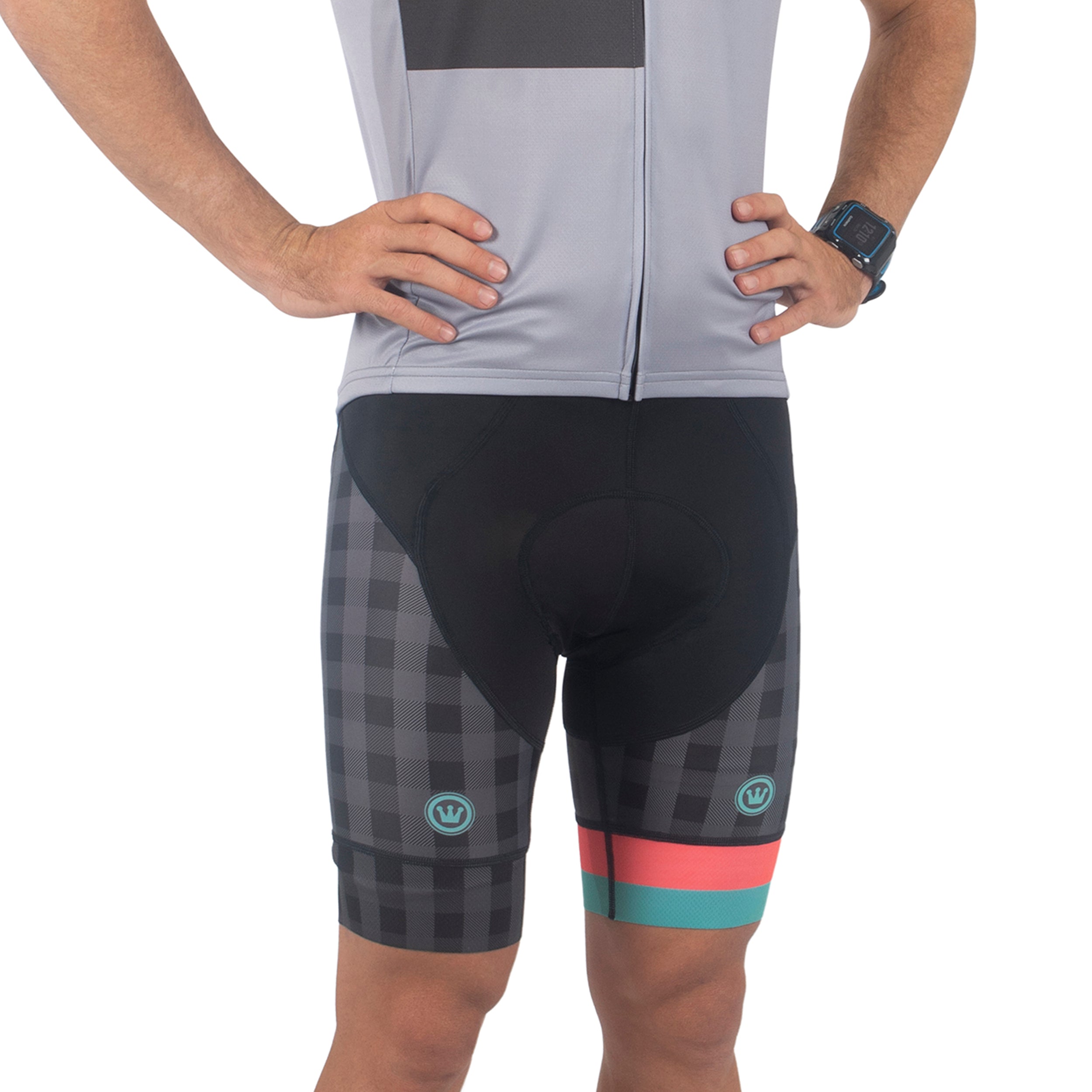
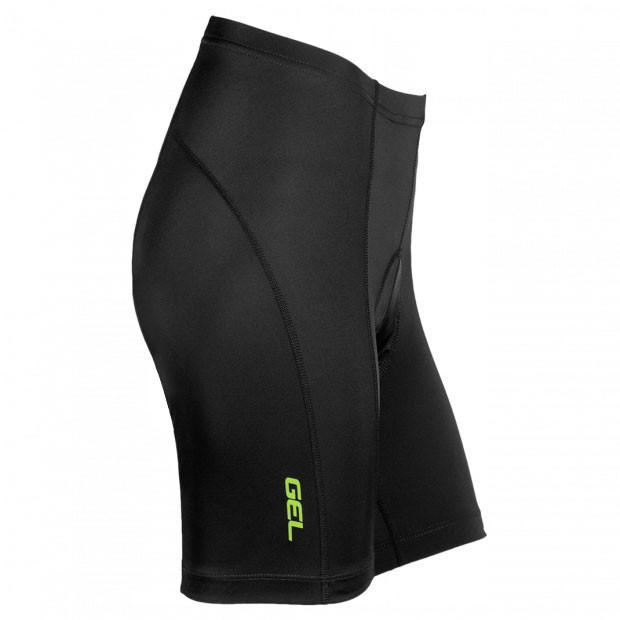
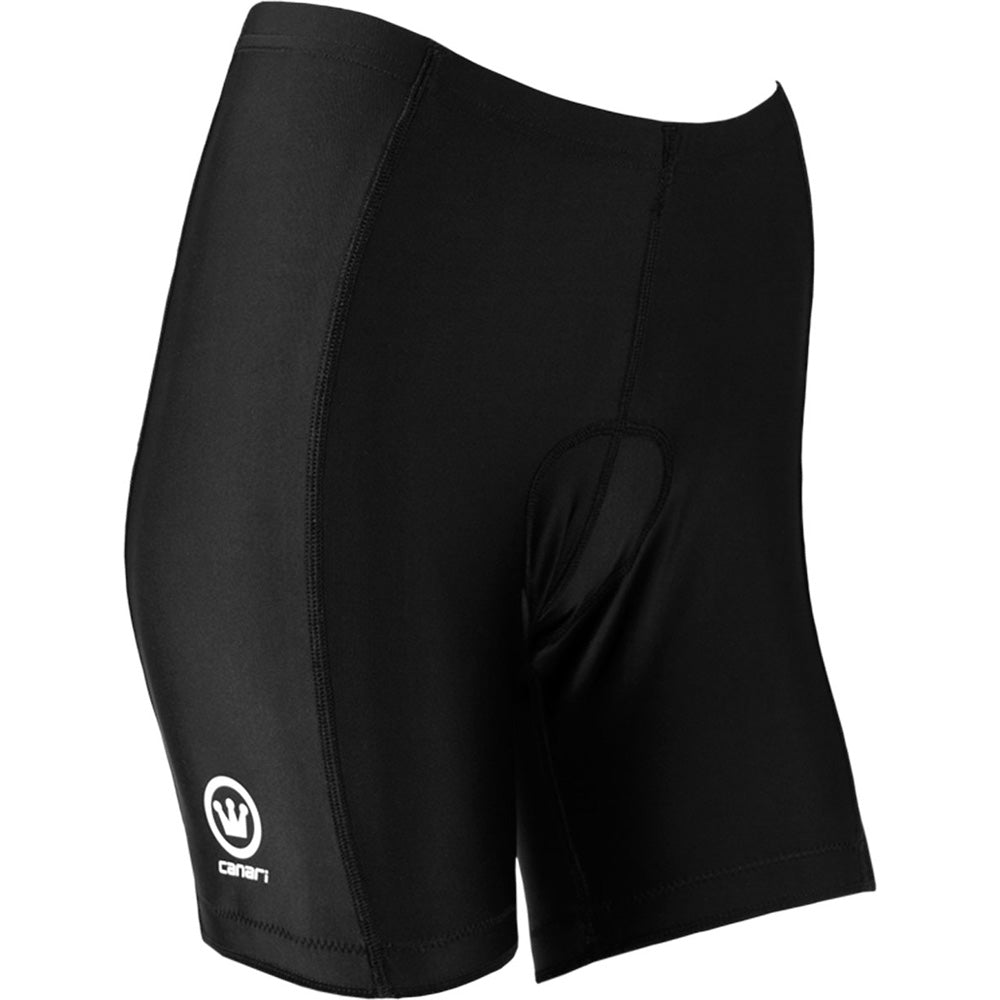
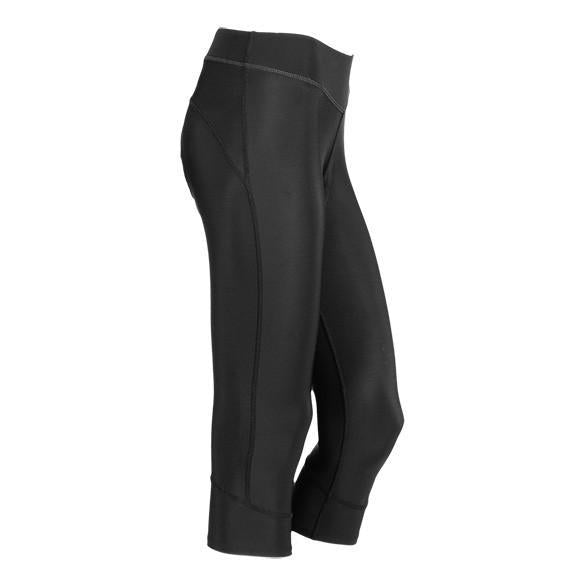
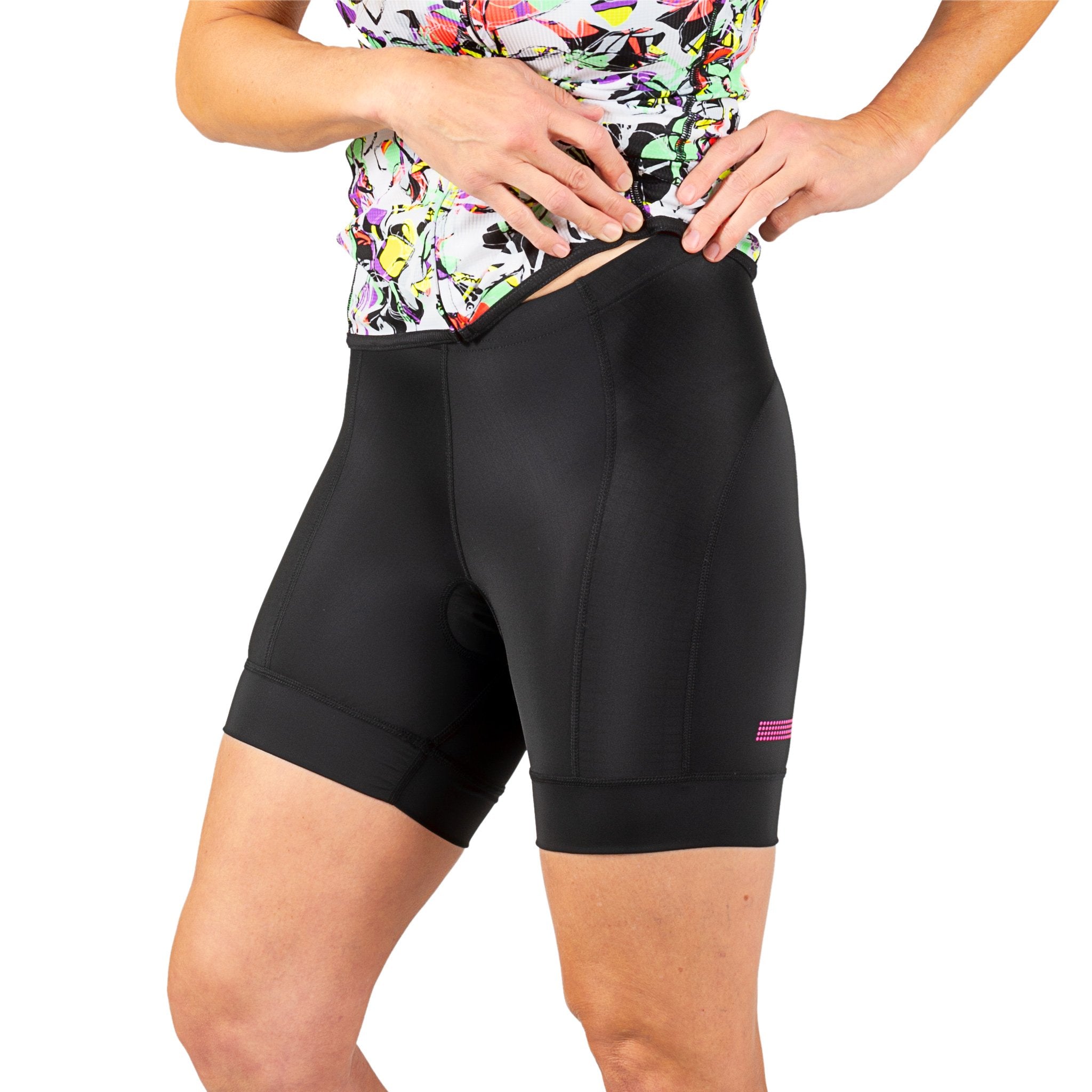
Canari’s padded shorts and compression shorts with chamois padding are another example of this thoughtful design. These shorts reduce drag around critical areas like the legs and hips while providing the comfort needed for extended rides. Products like the Velo Gel Short ($50.00) and Pro Gel Short ($50.00) combine aerodynamic efficiency with practical features like high-quality padding to prevent chafing.
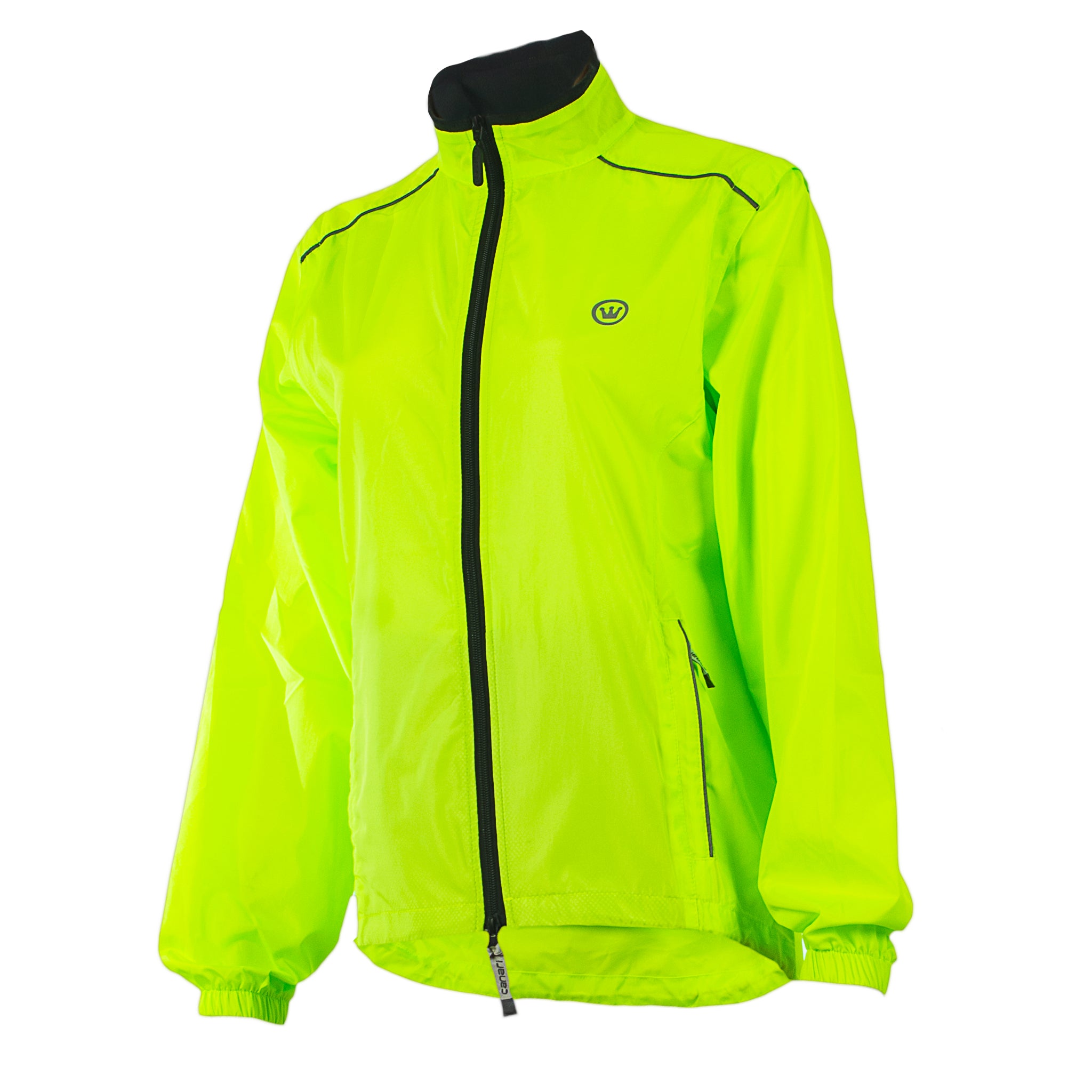
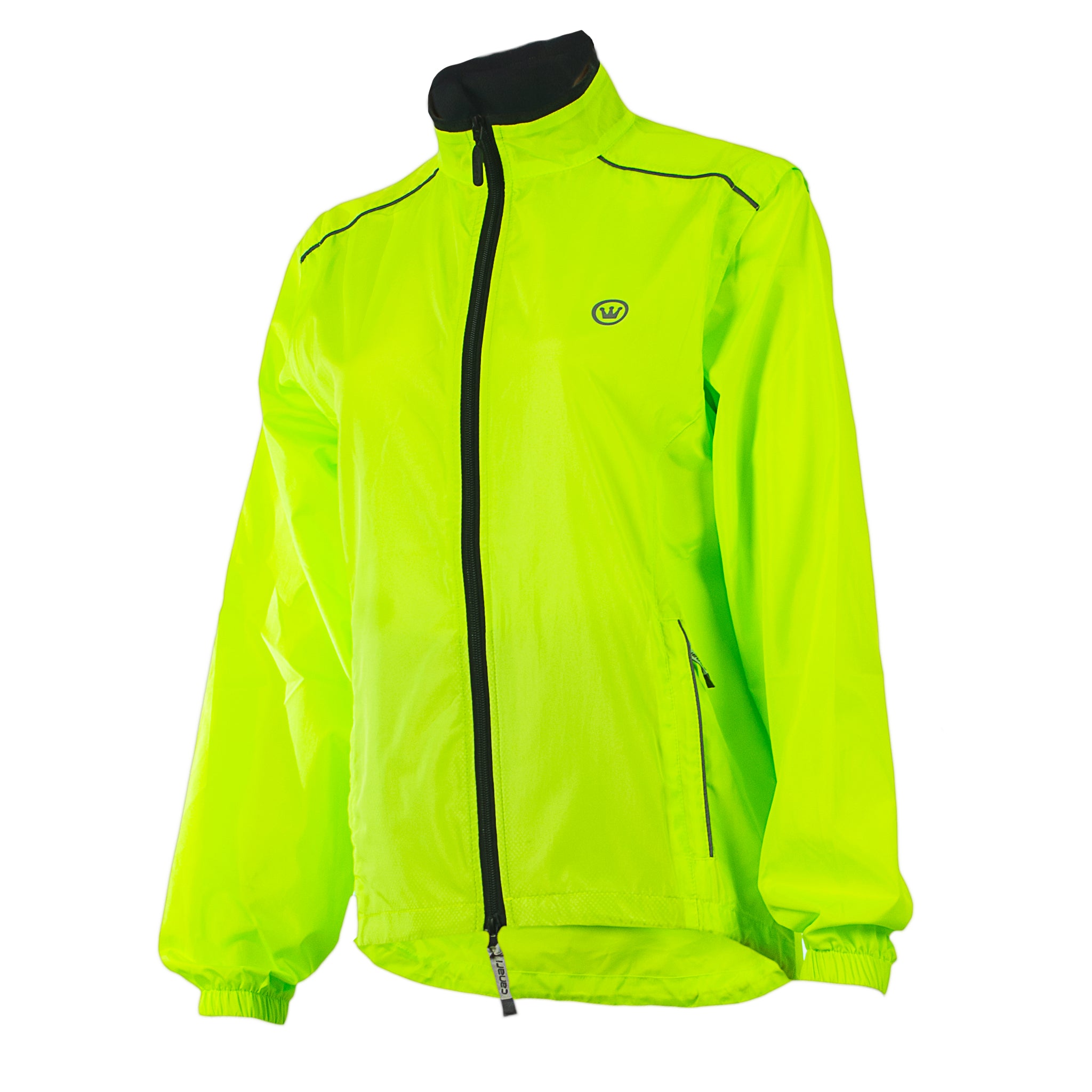
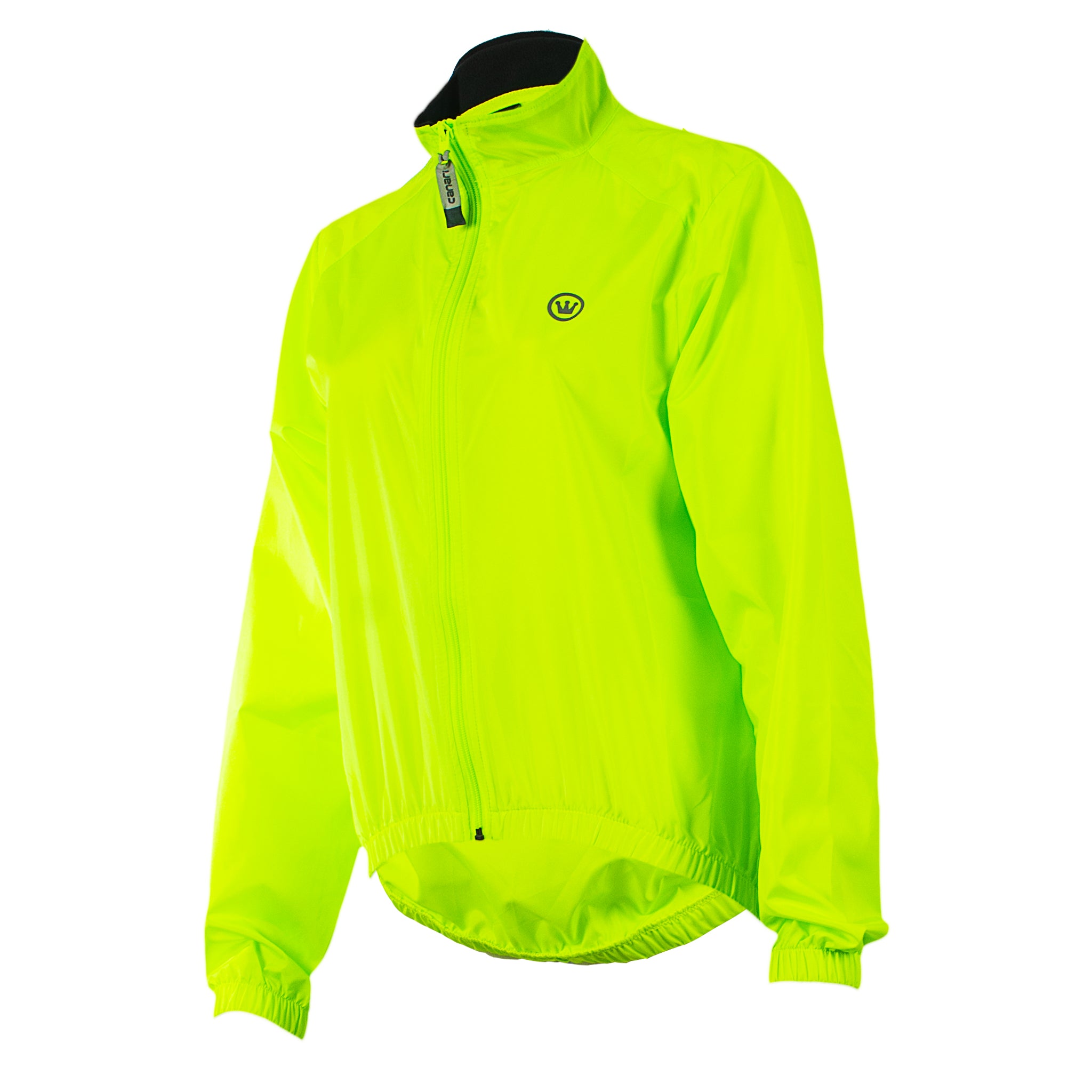
Even outerwear gets the aerodynamic treatment. Canari’s lightweight jackets, such as the Eclipse Convertible Jacket ($70.00), are designed to hug the body closely, avoiding the loose fit that can create drag. These jackets also offer weather protection, showing how aerodynamic principles can be applied to gear for all conditions.
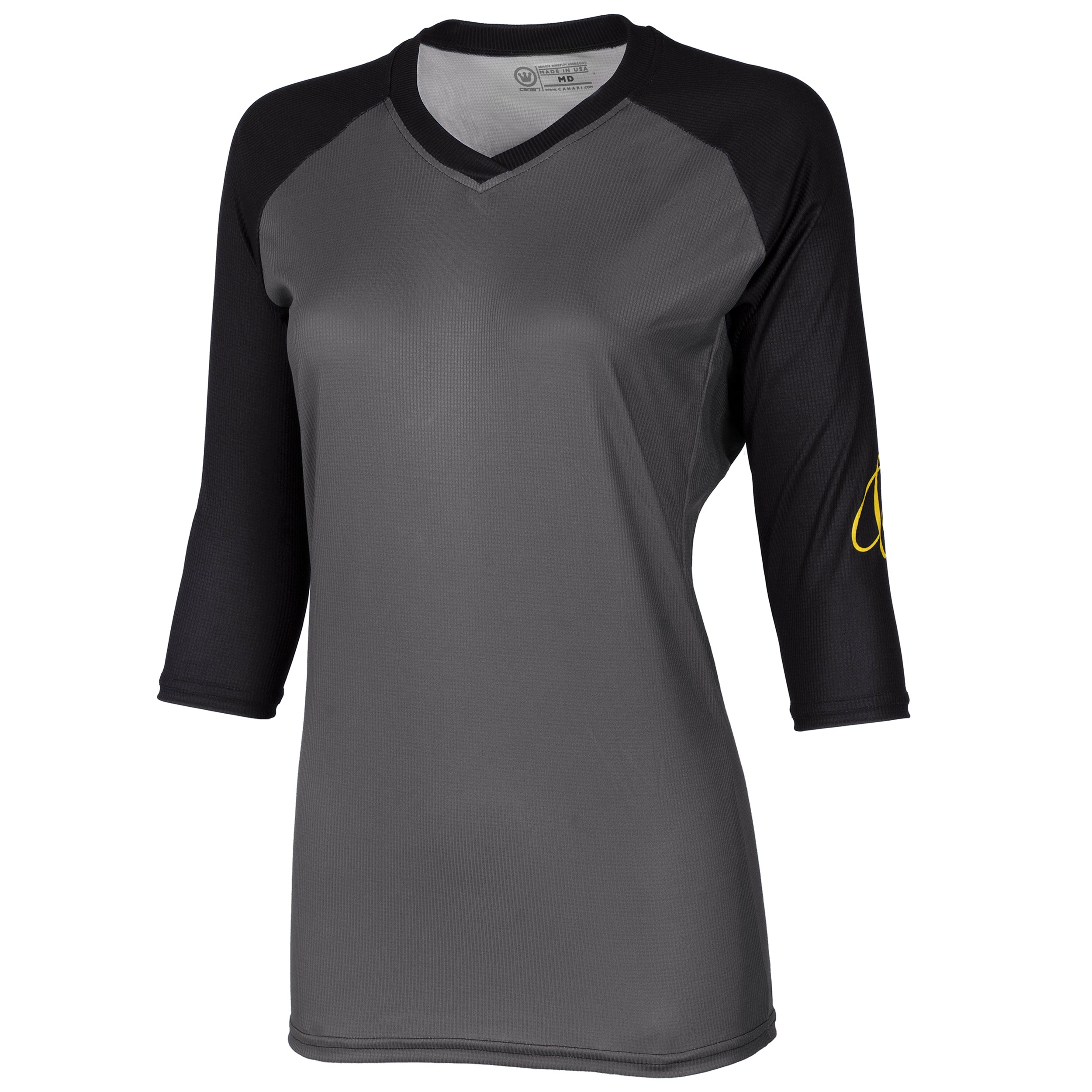
Canari’s commitment to aerodynamic design extends to both men's and women's apparel, ensuring that cyclists of all body types and riding styles can benefit. Their gear caters to both road and off-road cycling, recognizing that while aerodynamics are more critical at higher speeds on paved roads, the comfort and performance advantages are valuable for all cycling disciplines.
Beyond aerodynamics, Canari emphasizes durability and style, creating gear that lasts and looks good while performing at a high level. By incorporating cutting-edge design into everyday cycling apparel, they make the benefits of aerodynamic science available to recreational riders who don’t need the extreme specialization of professional racing gear.
Canari’s approach showcases how modern brands are turning wind tunnel research into practical products, helping cyclists of all skill levels enjoy improved performance, comfort, and style.
Conclusion
The advancements in research and design discussed earlier highlight the performance advantages of aerodynamic cycling apparel. By focusing on strategic design elements, this gear delivers measurable improvements in both speed and energy efficiency for cyclists at all levels.
Form-fitting garments reduce fabric flapping, while carefully placed seams optimize airflow. Materials like Lycra provide a blend of smoothness and stretch, and textured fabrics in specific areas create a turbulent boundary layer that helps minimize drag. Compression features further contribute by reducing muscle fatigue during rides. Together, these innovations underscore the importance of aerodynamic principles in modern cycling gear.
These benefits aren't limited to professional athletes. While elite racers may gain marginal advantages, recreational riders traveling faster than 15 mph can experience noticeable boosts in speed and overall efficiency. This makes aerodynamic design a key factor in the performance and practicality of Canari Cycling Apparel.
Canari Cycling Apparel embodies these principles in its product lineup. From snug-fitting jerseys to functional padded shorts like the Velo Gel Short ($50.00) and sleek outerwear such as the Eclipse Convertible Jacket ($70.00), their gear translates aerodynamic research into everyday cycling essentials. Whether for casual outings or intense training, these products enhance both comfort and performance.
The evolution of aerodynamic cycling apparel reflects a seamless blend of science, engineering, and real-world application. As materials improve and our understanding of airflow dynamics grows, cyclists can anticipate even greater advancements. For anyone aiming to boost efficiency and enjoy a more comfortable ride, investing in well-designed aerodynamic apparel is a proven strategy for achieving tangible results.
FAQs
How do textured fabrics in cycling apparel enhance aerodynamics and boost performance?
Textured fabrics are a game-changer when it comes to boosting the aerodynamics of cycling gear. By cleverly disrupting airflow, these fabrics help cut down on drag, letting cyclists glide through the air with less effort. The result? Riders can conserve energy while maintaining speed - an advantage that’s especially valuable during long rides or competitive races.
On top of that, these fabrics are crafted to hug the body closely, eliminating any loose material that might cause resistance. The blend of cutting-edge materials and precise tailoring not only enhances performance but also keeps cyclists comfortable and efficient on the road.
What are the benefits of compression panels in cycling apparel for long rides?
Compression panels in cycling gear come with a range of benefits that make them a valuable addition for long rides. One of the standout advantages is their ability to help reduce muscle fatigue. By promoting better blood circulation and delivering oxygen more effectively to your muscles, these panels can boost both endurance and recovery - two things every cyclist needs when pushing through those tough miles.
They also offer targeted muscle support, which helps stabilize key muscle groups. This reduces vibrations and lowers the risk of strain or discomfort, even during extended rides. It’s like having a second skin that works to keep your muscles steady and efficient.
Another perk? The enhanced fit and aerodynamics. Compression fabrics hug your body, cutting down on drag and creating a sleek, streamlined profile. This can significantly improve efficiency, especially during high-speed rides or endurance events where every bit of energy saved counts.
How do cycling apparel brands optimize both aerodynamics and rider comfort?
Modern cycling apparel focuses on cutting down aerodynamic drag while keeping riders comfortable. Crafted with high-tech materials and tailored for a close fit, these garments reduce air resistance without limiting mobility.
Key elements include smooth, streamlined seams, ultra-light fabrics, and well-placed ventilation panels. These features improve airflow and help regulate body temperature, making it easier for cyclists to stay cool and perform their best, even on extended rides.

