




























Durable cycling accessories aren’t just about performance - they save money, ensure safety, and handle tough conditions. Investing in high-quality gear means fewer replacements and better reliability. Here’s what you need to know:
- Materials Matter: Look for polycarbonate helmets, ripstop nylon bags, and synthetic leather gloves.
- Strong Construction: Double-stitched seams, reinforced stress points, and metal hardware last longer.
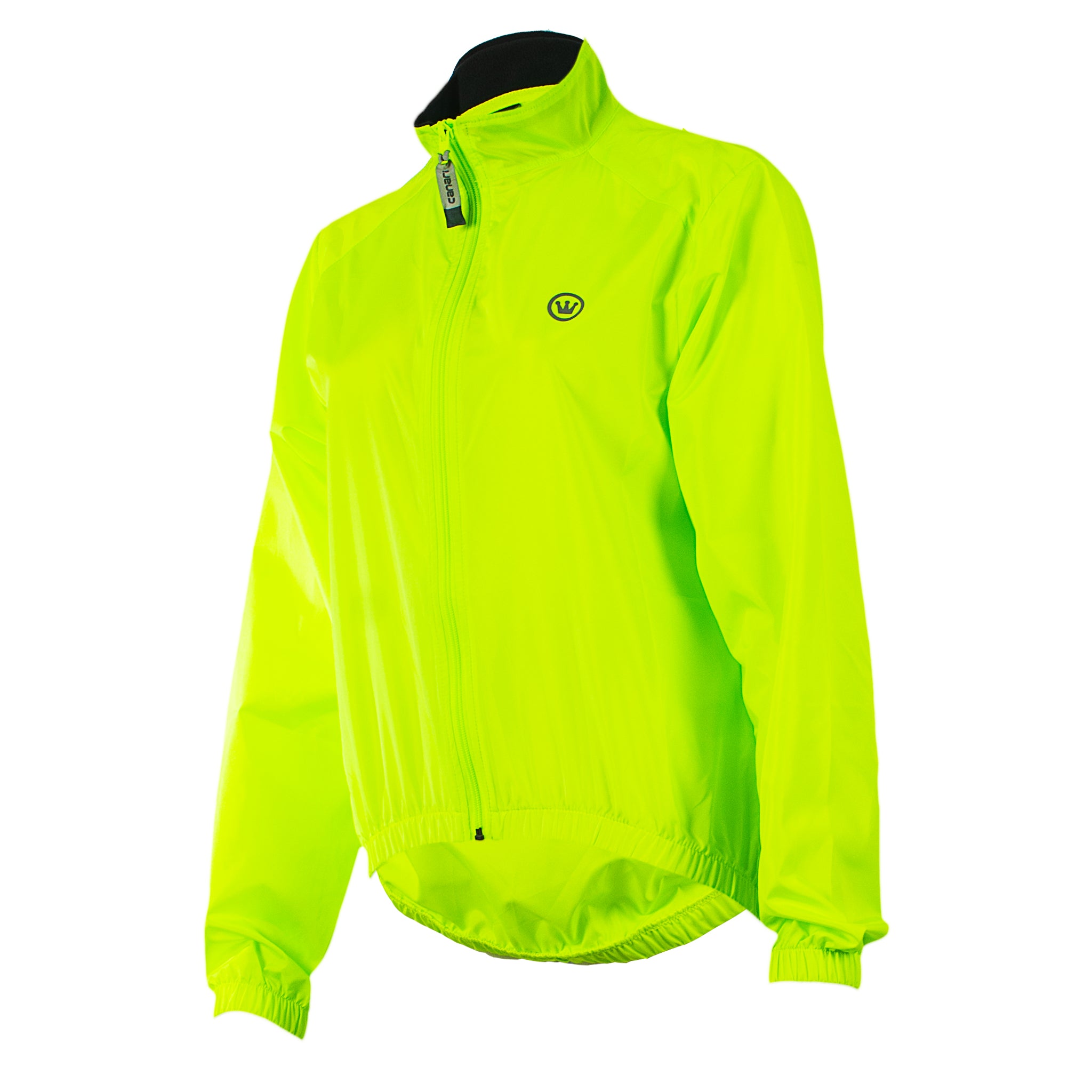
- Weather Resistance: Gear with IPX4+ ratings and DWR coatings performs well in rain or extreme weather.
- Certifications: Helmets need CPSC certification; lights should have IP and FCC ratings.
- Warranty and Support: Longer warranties and accessible customer service indicate trusted products.
Spending a bit more upfront on durable gear ensures safety, comfort, and long-term savings. Read on for details on making the best choices.
What Makes Cycling Accessories Durable
When it comes to cycling gear, durability isn’t just a bonus - it’s a necessity. The difference between equipment that lasts and items that quickly wear out boils down to a few key factors that directly influence both performance and longevity.
Key Durability Factors
The materials used in cycling accessories play a major role in how well they hold up over time. High-quality plastics, reinforced fabrics, and sturdy metals are better equipped to withstand wear and tear. For instance, helmets made with polycarbonate shells offer superior impact resistance compared to those crafted from basic ABS plastic. Similarly, bike bags made from ripstop nylon are less likely to develop large tears, even if the material is punctured.
Construction methods are equally important. Features like double-stitched seams, reinforced stress points, and heat-welded joints on waterproof bags make for stronger, more durable products. The choice of components also matters - metal buckles and zippers, for example, tend to outlast their plastic counterparts.
For accessories subject to frequent use, wear resistance is critical. Gloves with synthetic leather or reinforced fabric on the palms maintain grip and cushioning longer. Reflective elements, often used for visibility, benefit from UV-stable coatings that help them endure prolonged exposure to sunlight, especially in sunny regions.
Weatherproofing is another hallmark of durable cycling gear. Accessories designed to perform in extreme temperatures - from freezing cold to over 100°F - are essential for many US cyclists. Materials that stay flexible in the cold and resist heat and UV damage ensure reliable performance in varying conditions.
These materials and construction standards lay the groundwork for understanding the importance of US safety certifications, which further validate a product's durability.
US Standards and Certifications
In the US, safety certifications offer a reliable measure of an accessory’s durability and performance. For helmets, the CPSC (Consumer Product Safety Commission) certification sets the baseline standard, ensuring that the foam and shell can provide consistent protection over time. Additional certifications, like those from SNELL or the Virginia Tech helmet ratings, often indicate even higher construction standards.
For electronic accessories such as bike lights, FCC certification ensures that the devices meet electromagnetic compatibility requirements. Ingress Protection (IP) ratings are another key marker of durability, indicating resistance to dust and water. For example, an IPX4-rated bike light can handle splashes, while an IPX7 rating means it can survive temporary submersion - perfect for unexpected downpours.
ANSI (American National Standards Institute) standards also apply to cycling accessories, particularly those designed for visibility and safety. Reflective materials meeting ANSI standards are built to maintain their effectiveness over time, ensuring cyclists stay visible throughout the product's lifespan.
Beyond certifications, warranty policies, and customer support provide additional insights into a product's durability.
Warranty Policies and Customer Support
A product’s warranty often reflects the manufacturer’s confidence in its durability. For example, a bike bag with a longer warranty likely underwent rigorous testing to ensure long-term performance. Some companies even offer limited lifetime warranties, signaling exceptional trust in their materials and craftsmanship.
Quick and accessible customer support within the US is another important factor. Reliable service can make a big difference, especially when dealing with safety equipment like helmets or lights that may need immediate attention. US-based support teams can often resolve issues faster, minimizing downtime.
The scope of a warranty can also reveal a lot about a product’s expected lifespan. Comprehensive warranties covering material defects and construction failures are typically associated with higher-quality items. On the other hand, warranties that exclude normal wear and tear might suggest a shorter lifespan.
Finally, the availability of replacement parts can significantly extend the life of cycling accessories. Products with replaceable components - such as helmet padding, light batteries, or bag straps - are easier to maintain and repair. When replacement parts are distributed within the US, cyclists can quickly get their gear back in action with minimal hassle.
How to Check Materials and Construction Quality
Building on the factors that contribute to durability, let’s look at how to evaluate the materials and construction quality of your gear. Learning to assess these aspects can help you choose accessories that will stand up to regular use. Here’s a breakdown of what to look for.
High-Performance Materials
Polycarbonate is a standout choice for cycling accessories. This lightweight yet tough plastic is highly resistant to impacts and performs well across a range of temperatures. It’s commonly used in helmet shells for added protection compared to standard ABS plastic. When examining a helmet, check for a smooth, uniform surface on the polycarbonate shell. Rough patches or visible stress marks might signal lower-quality material.
Synthetic fabrics like ripstop nylon and polyester blends are excellent for soft goods. Ripstop nylon, with its crosshatch pattern of thicker threads, resists tears from spreading. When evaluating bike bags or panniers, feel the fabric - it should strike a balance between being sturdy and not overly heavy. Pay attention to the denier rating, which measures fabric weight. A higher denier rating generally means better resistance to punctures, making it ideal for tough conditions.
Weather-resistant materials are a must for year-round cyclists. Look for fabrics treated with DWR (Durable Water Repellent) coatings, which help water roll off instead of soaking in. You can test this by placing a drop of water on the fabric - it should bead up rather than spread. For gloves, synthetic leather palms made from materials like Clarino are a reliable choice, offering good grip and durability even in wet weather.
TPU (Thermoplastic Polyurethane) coatings are commonly used in waterproof bags to create a flexible, durable barrier. Unlike PVC coatings, which can crack in cold temperatures, TPU stays pliable. When assessing waterproof bags, check that the TPU coating is evenly applied - look for a smooth surface without bubbles or thin spots.
Once you’ve confirmed the quality of the materials, it’s time to examine the construction details that ensure durability.
Construction Features That Matter
Even with top-notch materials, the way an accessory is put together can make or break its longevity. Double-stitched seams are a strong indicator of durability. When inspecting gloves or bags, turn them inside out to check the stitching. High-quality double-stitched seams should have consistent thread tension and no loose or skipped stitches.
Look for reinforced seams at stress points. For example, bike bags should have extra layers of fabric or bartacking (a dense zigzag stitch) at attachment points and corners. Similarly, gloves should feature reinforcement between the thumb and index finger, as this area experiences the most wear from gripping.
Heat-welded seams are a key feature of waterproof accessories. These create strong bonds without needle holes that could let water in. Quality heat-welded seams should appear smooth and uniform in width. Press gently along the seam - it should feel solid and securely bonded.
Zippers also play a crucial role in durability. Check for manufacturer markings, which indicate tested reliability. For bags designed to carry heavier loads, wider zipper tape adds extra strength.
Padding attachment methods in helmets and gloves can affect both comfort and longevity. High-quality helmets often have removable padding secured with snaps or hook-and-loop fasteners, making it easy to clean or replace. For gloves, gel padding should be fully encased in fabric to prevent tearing or leaking. Exposed gel is more prone to damage over time.
Finally, take note of the thread quality used in construction. Bonded nylon threads are a better choice than cotton or standard polyester because they resist UV damage and maintain their strength longer. Accessories with contrasting thread colors often highlight the stitching pattern, signaling confidence in the craftsmanship and quality of the product.
sbb-itb-1992862
Selecting Durable Cycling Gear
When it comes to cycling gear, choosing items that offer safety, comfort, and durability is key. Here's how to evaluate your options to ensure long-lasting performance.
Helmets: Safety That Stands the Test of Time
Helmets are your first line of defense, so it's worth investing in one that combines safety with durability. Look for helmets with CPSC certification, a must-have for ensuring they meet U.S. safety standards.
Pay attention to the foam material. Helmets with EPP foam are designed to withstand multiple minor impacts, making them a great long-term choice. On the other hand, EPS foam helmets are effective for single-impact protection but need to be replaced after a crash.
Check the micro-adjustment dials - these should be sturdy and, ideally, replaceable to extend the helmet's lifespan. Ventilation also matters; choose helmets with well-constructed vents that ensure airflow while resisting cracks.
Finally, inspect the padding. Removable and washable padding not only keeps things hygienic but also helps your helmet last longer.
Gloves: Built for Comfort and Endurance
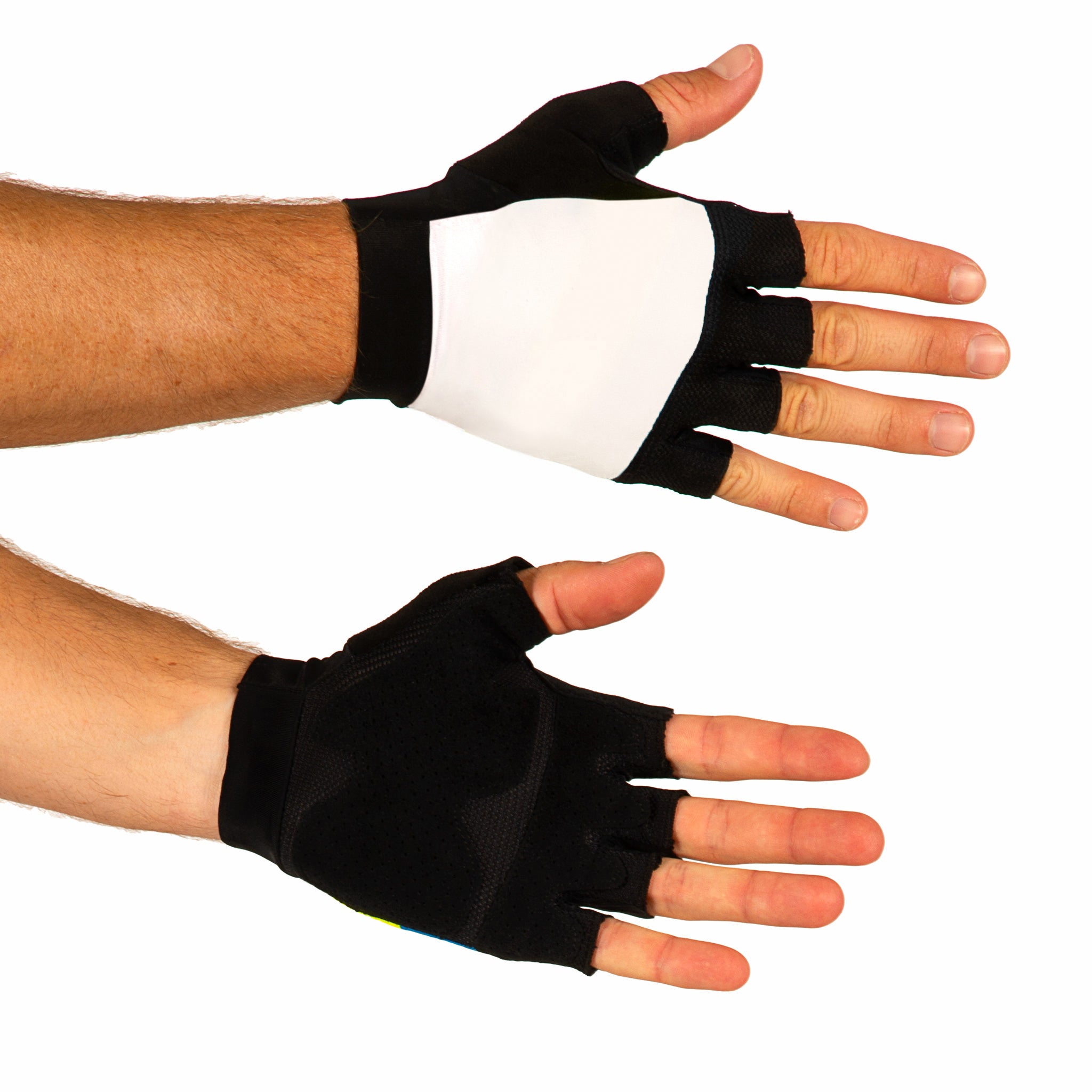
A good pair of cycling gloves can make all the difference on long rides. Look for gloves with synthetic palm materials like Clarino, which are both durable and easy to maintain.
Reinforcement in high-stress areas - like between the thumb and index finger or along the edges that contact handlebars - is critical. Flat-seam construction in these zones minimizes wear and tear.
For padding, ensure any gel or foam inserts are securely enclosed in fabric pockets to prevent shifting during use. Closure systems also matter: hook-and-loop straps offer adjustability but can collect debris over time, while slip-on designs rely on a snug fit to stay effective.
Lights: Dependable in Any Weather
Bike lights are essential for visibility, and reliability is non-negotiable. Choose lights with at least an IPX4 water resistance rating, though higher ratings are better for heavy rain or wet conditions.
Evaluate the mounting system carefully. Rubber straps may stretch or degrade, so opt for designs with quick-release mechanisms that lock securely in place.
For longevity, go with lights featuring removable lithium-ion batteries and efficient LED thermal management. Multiple brightness modes and memory functions are also great for extending battery life and adapting to various conditions.
Bike Bags: Tough Enough for Daily Use
Your bike bag should be ready for anything. Look for bags made from high-denier Cordura nylon, known for its abrasion resistance. Attachment systems should securely lock onto standard rack rails using metal or reinforced components.
Zippers are another key feature - weather-resistant options with smooth operation are ideal. For waterproof bags, heat-welded seams are a must, while double-stitched seams work well for water-resistant versions. Reinforced stress points add to the bag's longevity.
Functional designs, like roll-top closures and external attachment points, can make a big difference. Built-in reflective elements are a bonus for visibility, especially during low-light conditions.
Durability Feature Comparison Guide
When choosing long-lasting cycling accessories, focusing on key durability features can make all the difference. This guide simplifies the process, offering a quick reference based on materials, construction, and warranties to help you make informed decisions.
Key factors to consider: The quality of materials, sturdy construction techniques, reliable warranty coverage, and clear maintenance instructions.
Durability Features Comparison Table
| Feature Category | What to Look For | How It Affects Longevity |
|---|---|---|
| Materials | High-denier fabrics, polycarbonate shells, synthetic leather | Withstands wear, UV exposure, and harsh weather |
| Construction | Double-stitched seams, reinforced stress points, heat-welded joints | Reduces risk of failure at critical connection points |
| Water Resistance | IPX4+ ratings, DWR coatings, sealed seams | Shields internal components from water damage |
| Hardware | Metal buckles, quality zippers, replaceable components | Ensures long-term functionality and ease of repair |
| Warranty | 2+ years coverage, defect protection, US-based support | Reflects manufacturer confidence and offers peace of mind |
Using Durability Features to Guide Your Purchase
To make the best choice, start by evaluating your typical riding conditions. If you’re cycling in unpredictable weather or on challenging terrain, prioritize accessories with excellent water resistance and reinforced construction. For occasional riders, focus on balancing comfort with sufficient durability.
Take a close look at the warranty and maintenance guidelines. Products with extended warranties and replaceable components often provide better long-term value. A solid warranty not only signals the manufacturer’s trust in their product but also ensures you’re covered if issues arise.
Conclusion: Making Smart Choices for Long-Term Value
Choosing the right cycling accessories isn't just about immediate performance - it's about creating value that lasts. By investing in gear made with durable materials, reinforced stress points, and backed by extended warranties, you can avoid the frustration and expense of constantly replacing worn-out items.
For example, while a cheaper helmet might save you money upfront, it often requires multiple replacements before a high-quality option even starts to show wear. The same goes for essentials like gloves, lights, and bike bags. Spending a bit more on premium gear can save you money and hassle in the long run.
Beyond cost, quality accessories offer better protection and reliability. Weather-resistant materials keep you and your gear safe from the elements, while solid construction helps deter theft. Plus, well-designed safety features ensure a secure and comfortable ride. Poorly made gear, on the other hand, can lead to discomfort or even long-term physical issues.
Opting for accessories that meet US durability standards ensures they’re built to handle local climates and tough conditions. Look for features like high-denier fabrics, reinforced stress points, and quality hardware. Take the time to assess your specific riding needs and choose gear that matches your conditions - not just your budget.
Finally, quality cycling gear isn’t just good for you - it’s better for the planet. Longer-lasting products mean less waste, supporting eco-friendly habits and reducing your environmental footprint. With durable, dependable accessories, your bike will perform consistently, look great, and provide years of enjoyable riding. Investing in quality is a win for your wallet, your safety, and the environment.
FAQs
How can I tell if a cycling accessory is weather-resistant and works well for my local climate?
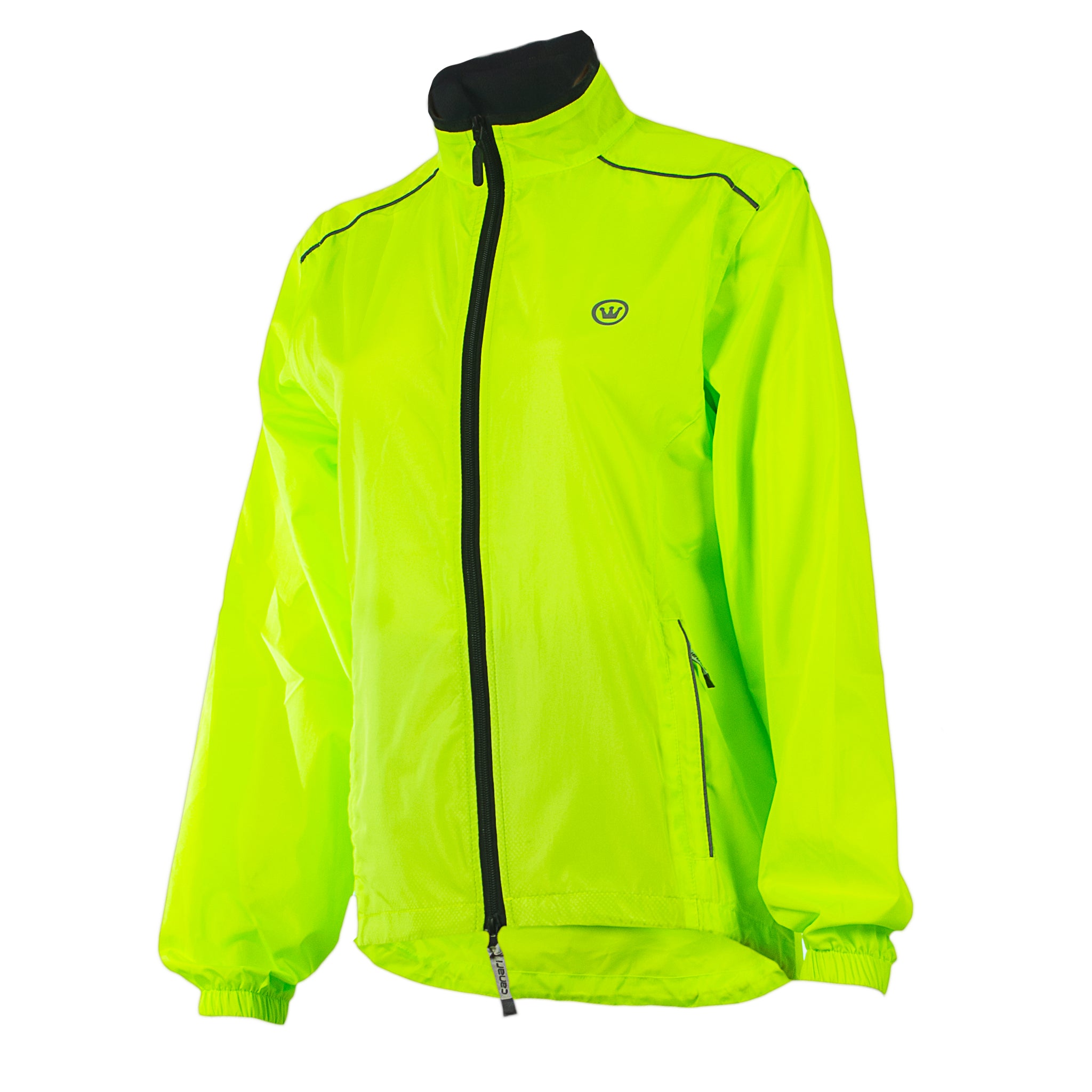
To figure out if a cycling accessory can handle your local weather, start by examining the materials. Look for waterproof fabrics with sealed or taped seams, which are excellent at keeping moisture out. For clothing, a durable water-repellent (DWR) coating is a helpful addition - it makes rain and snow bead up and slide off easily.
Design features are just as important. Adjustable hoods, sealed zippers, and ventilation panels can make a big difference when dealing with varying weather conditions. If you can, test the item in wet conditions or check reviews from other cyclists who ride in similar climates. Picking gear tailored to your specific needs will help you stay comfortable and protected, no matter the forecast.
What’s the difference between polycarbonate and ABS plastic helmets when it comes to durability and safety?
Polycarbonate helmets stand out for their durability and strong impact resistance, making them an ideal option for riders who put safety and longevity first. These helmets excel at absorbing direct impacts, which is why they’re often chosen for higher-end models.
In contrast, ABS plastic helmets are lighter and offer more flexibility, which can enhance comfort for some riders. However, they typically provide less impact resistance than polycarbonate helmets, making them better suited for casual rides or less demanding cycling activities. When deciding between the two, think about your riding habits and the level of protection you require.
Why should you check warranty policies and customer support before buying cycling accessories?
When shopping for cycling accessories, it's smart to look into the warranty policies and customer support offered by the brand. A good warranty reflects the company's trust in the quality of its products and gives you peace of mind, knowing that repairs or replacements are an option if something goes wrong.
Equally important is having responsive customer support. Quick and effective assistance can make all the difference, especially when dealing with gear that requires proper upkeep to maintain performance and safety. Spending a little time reviewing these aspects can help you avoid future headaches, protect your investment, and get the most out of your cycling gear.

