




























Riding a bike in city traffic can be challenging, but staying safe boils down to three key principles: visibility, communication, and preparation. Here's what you need to know:
- Visibility: Wear bright, reflective clothing and equip your bike with front and rear lights to ensure drivers can see you, day or night.
- Communication: Use clear hand signals, make eye contact with drivers, and ride predictably to avoid confusion.
- Preparation: Check your bike's condition, choose a gear suited to the weather, and plan your route to avoid hazards like construction zones or narrow lanes.
Key tips include:
- Stay 3–4 feet from parked cars to avoid the "door zone."
- Use mirrors to monitor traffic and anticipate movements.
- Ride in the center of the lane when bike lanes are unsafe or too narrow.
- Slow down for wet roads, rail tracks, or construction areas.
Safety Clothing: Visibility and Comfort Basics
Wearing the right cycling clothing is essential for staying both visible and comfortable while navigating busy city streets. It not only enhances your safety but also makes your ride more enjoyable.
High-Visibility and Reflective Clothing
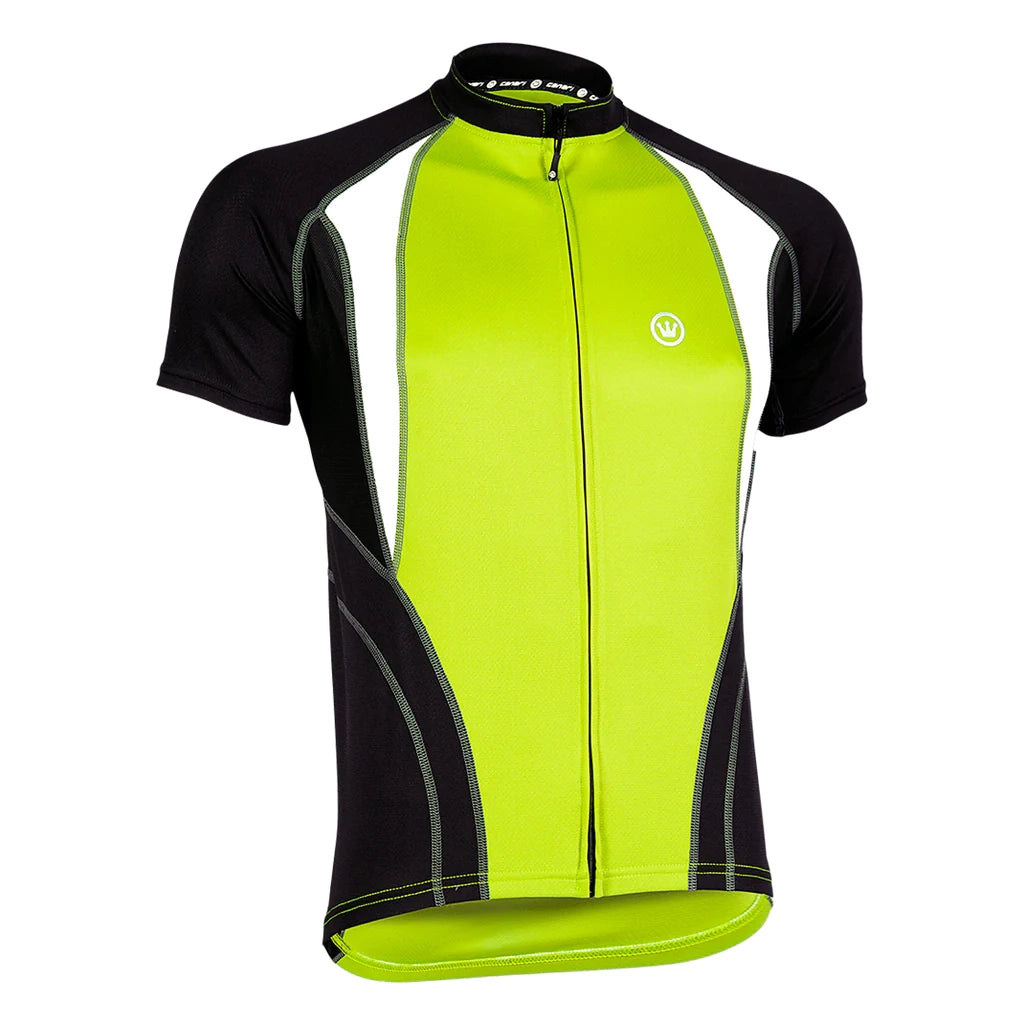
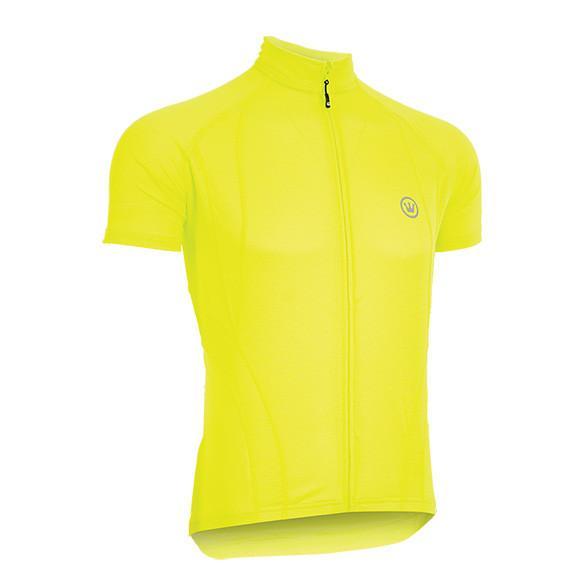
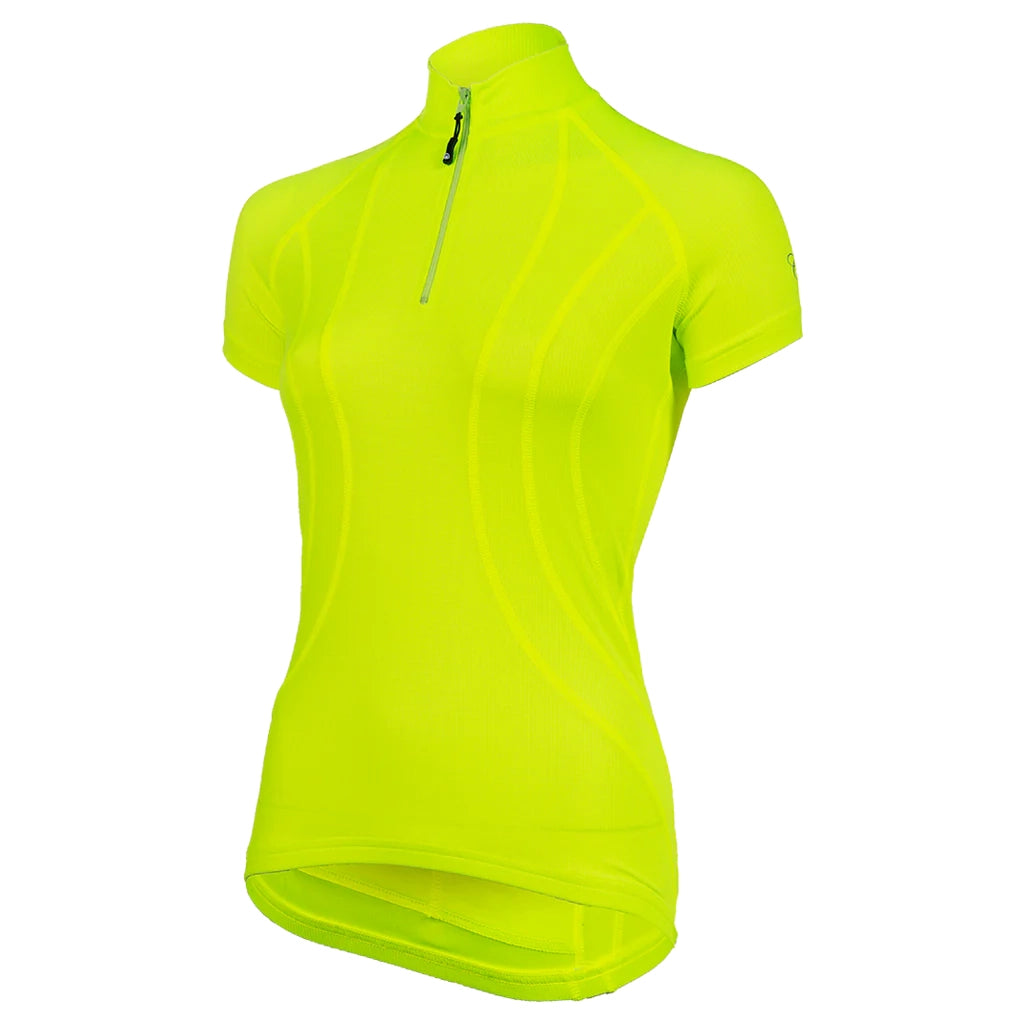
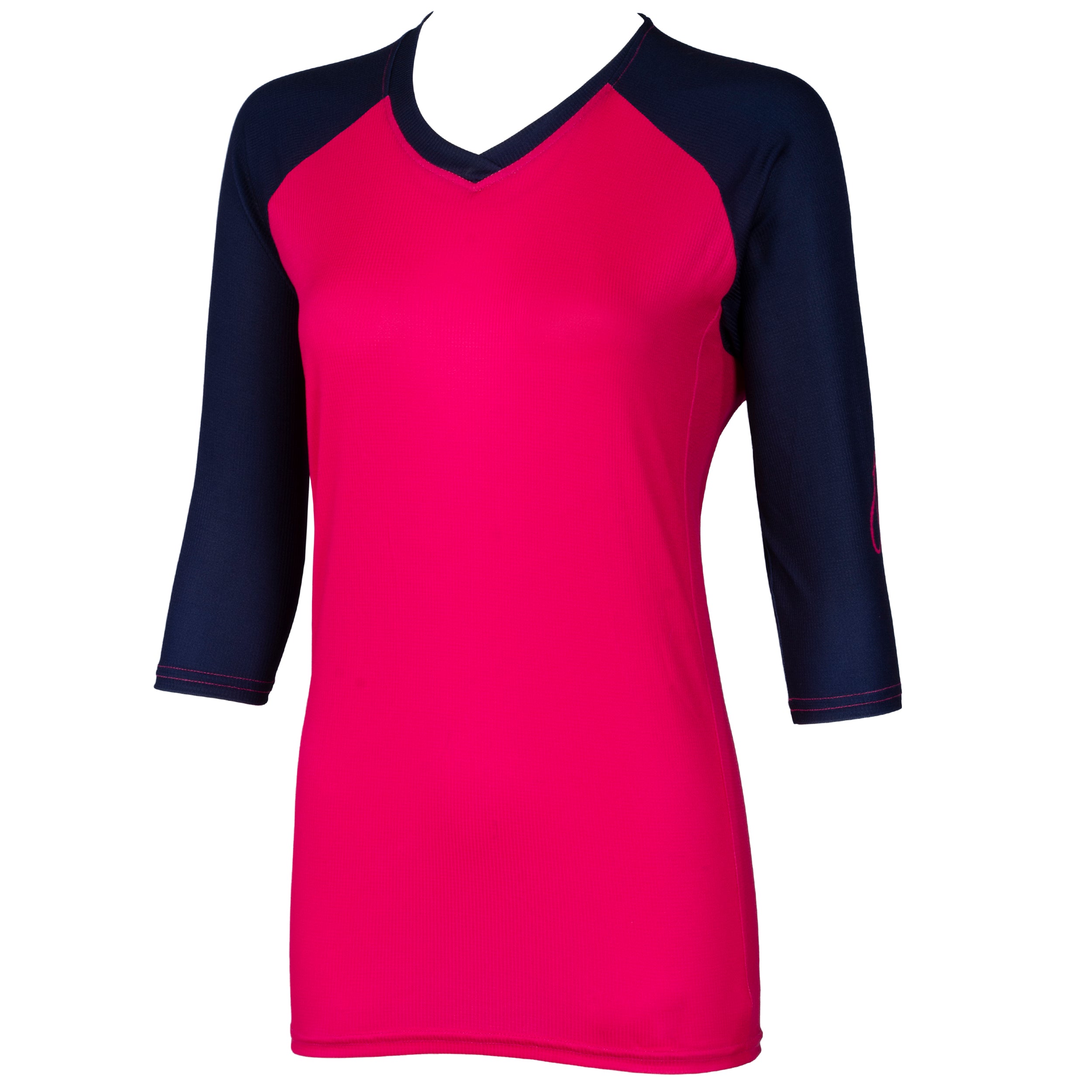
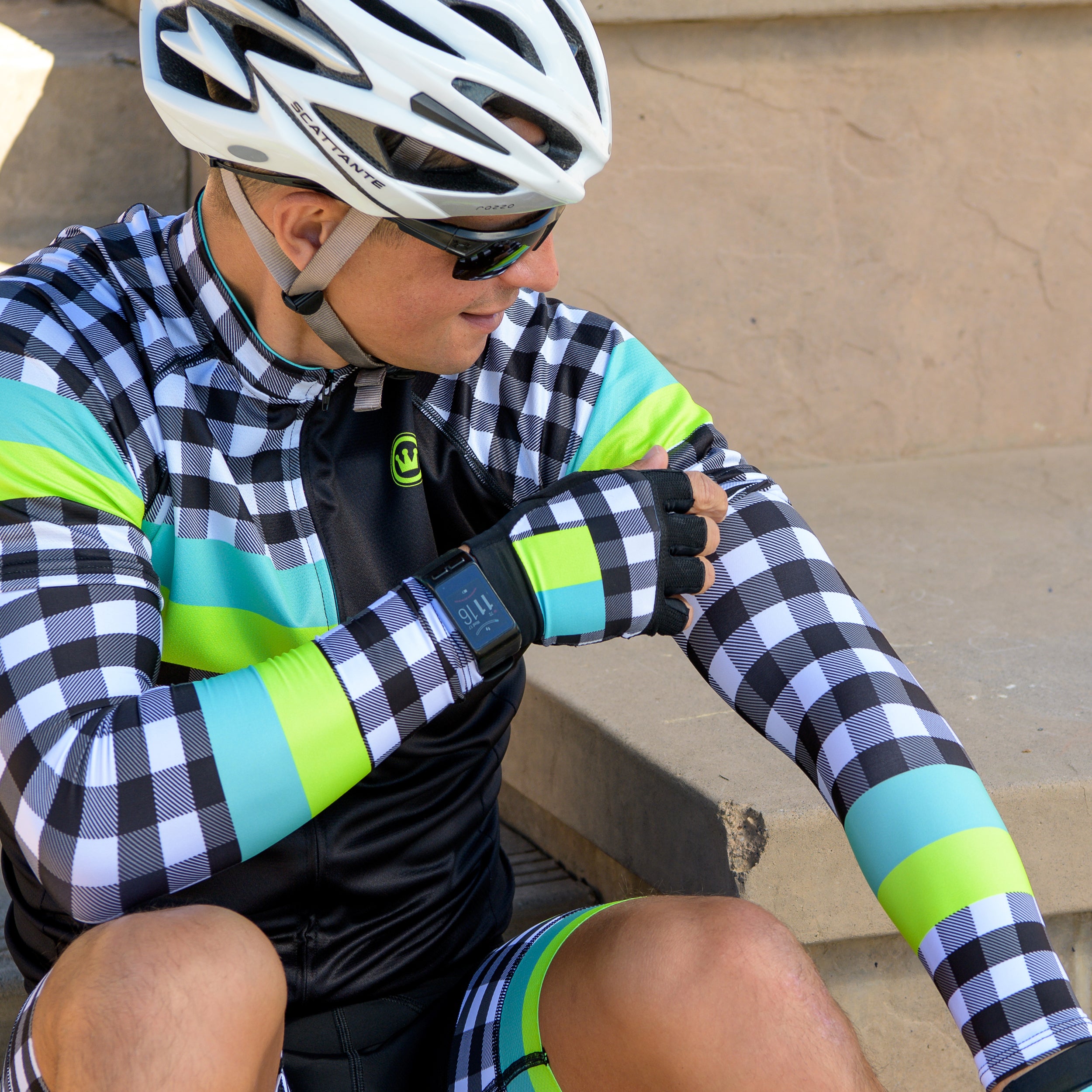
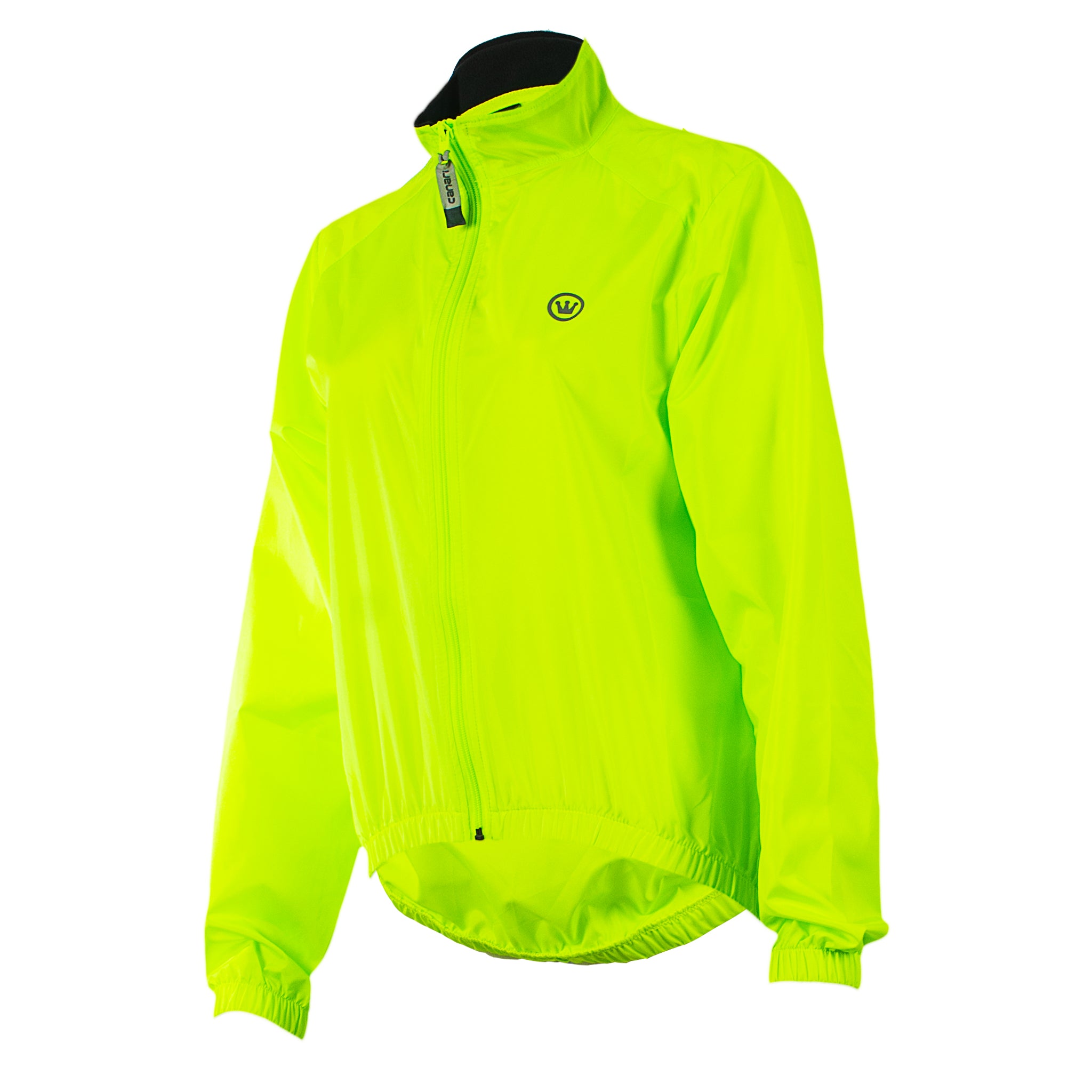
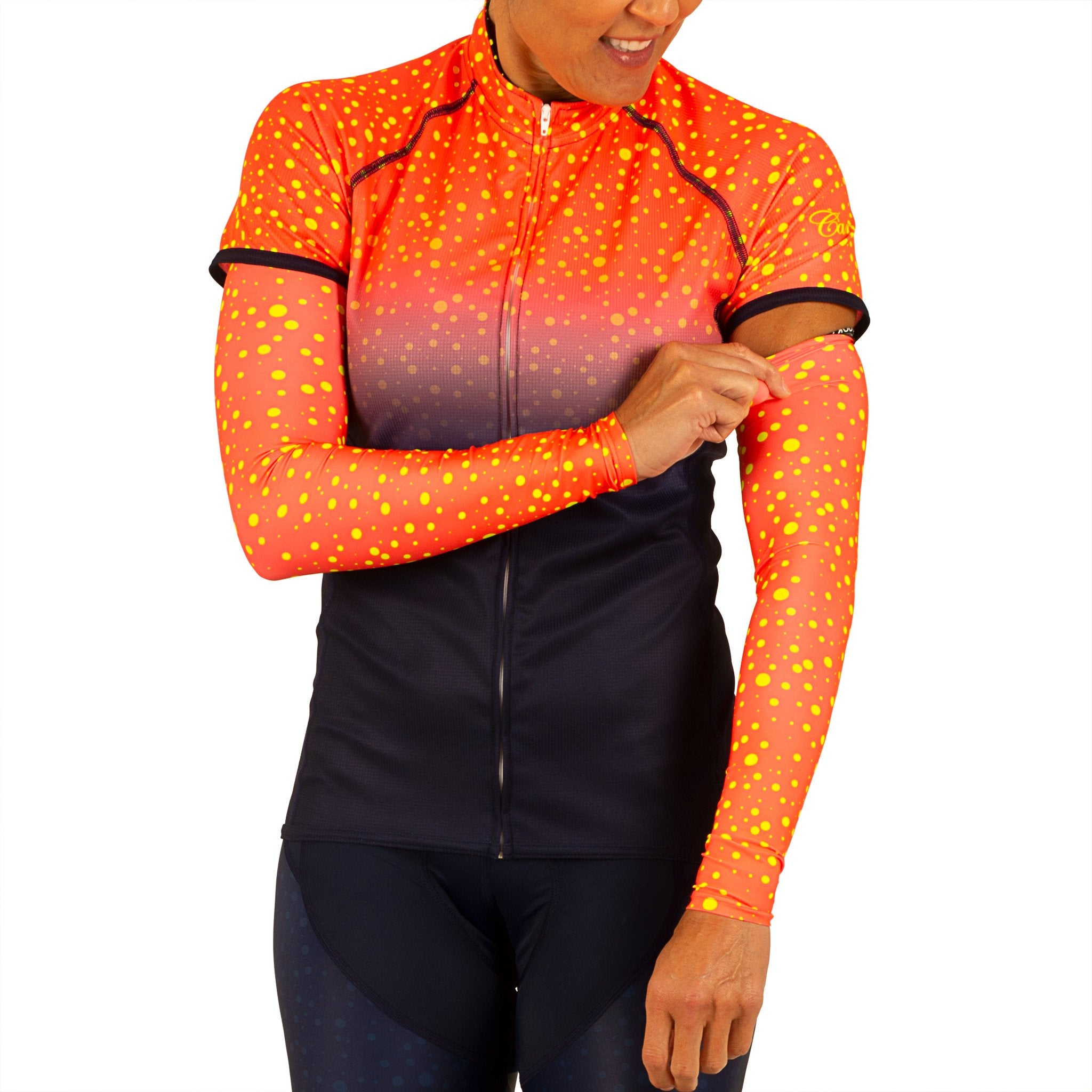
Bright, eye-catching colors are your best friend when cycling in urban areas. Shades like fluorescent yellow, orange, and lime green make you stand out against the backdrop of the city, helping drivers spot you from a distance during daylight hours.
When the sun goes down or during low-light conditions like dawn or dusk, reflective materials become key. Look for clothing with reflective strips, panels, or accents strategically placed on areas like your arms, legs, and torso. These features reflect car headlights toward drivers, ensuring you're hard to miss.
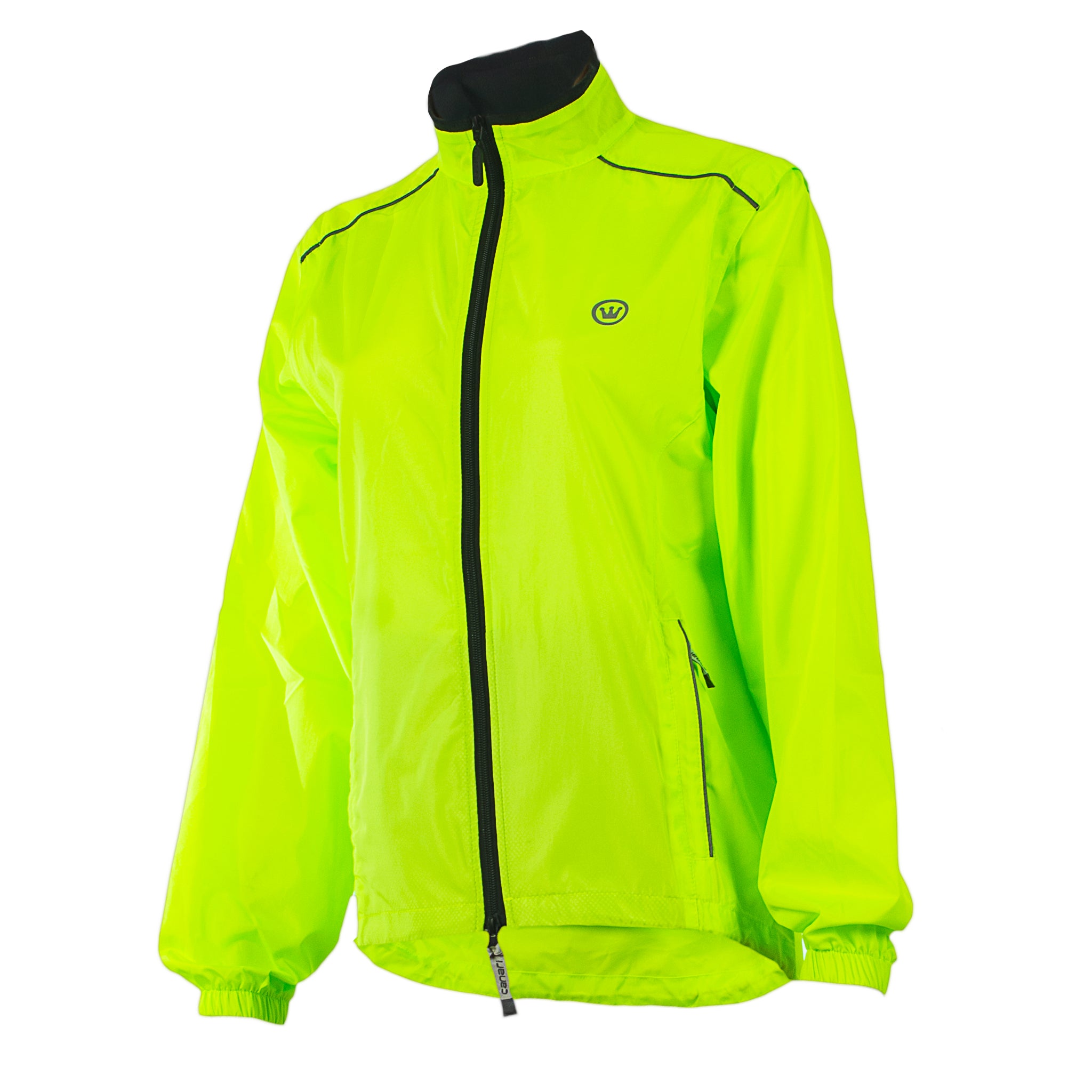
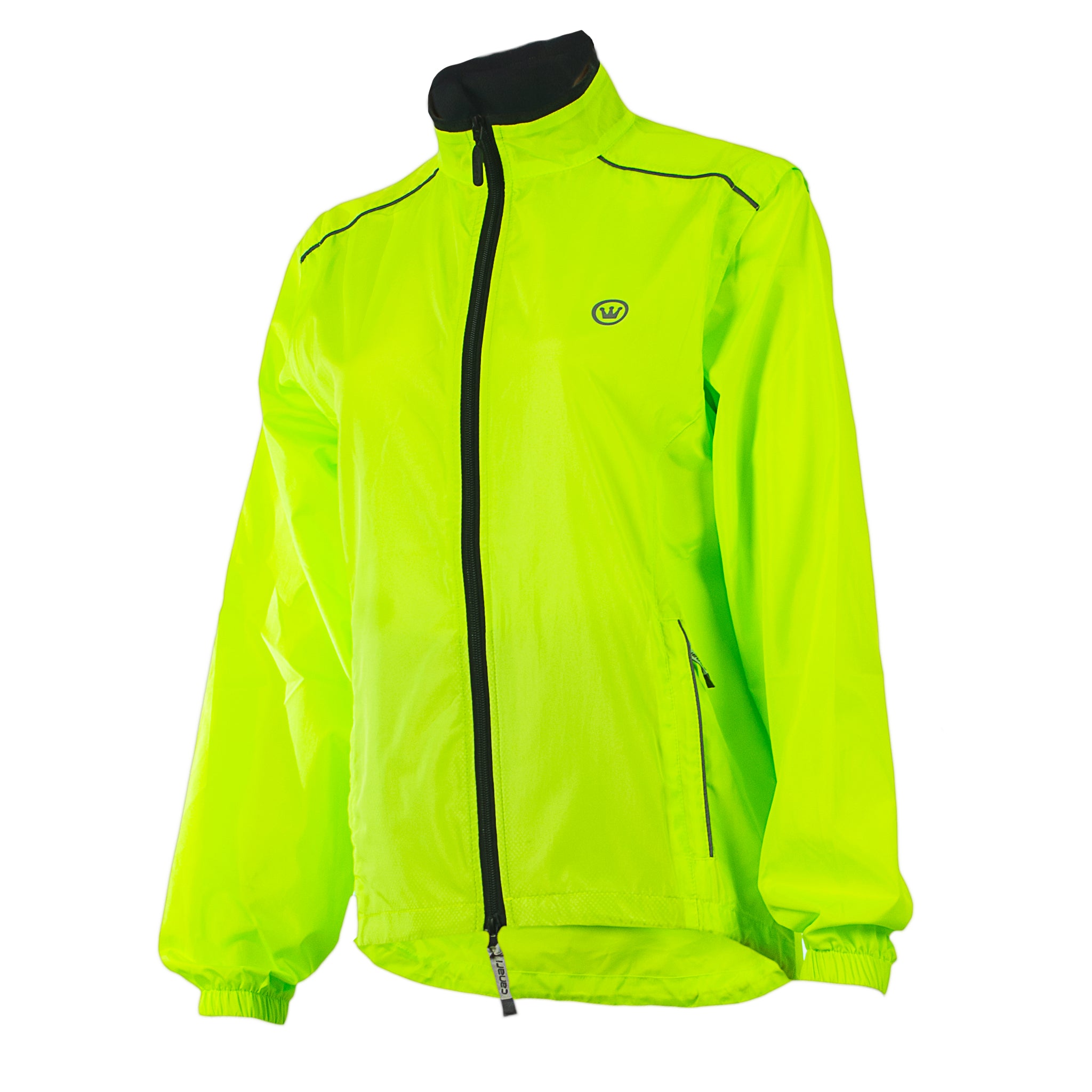
For example, the Men's Eclipse Convertible Jacket ($70.00) combines high-visibility elements with a practical design that adapts to changing conditions, keeping you noticeable in various lighting scenarios. Adding a reflective vest over your outfit or using accessories like reflective arm bands, ankle straps, or backpack covers can further increase your visibility.
Comfortable and Breathable Materials
Comfort is just as important as visibility, especially in stop-and-go city traffic where your body temperature fluctuates. Moisture-wicking fabrics are a game-changer - they pull sweat away from your skin, keeping you dry and comfortable even on longer rides or in warm weather.
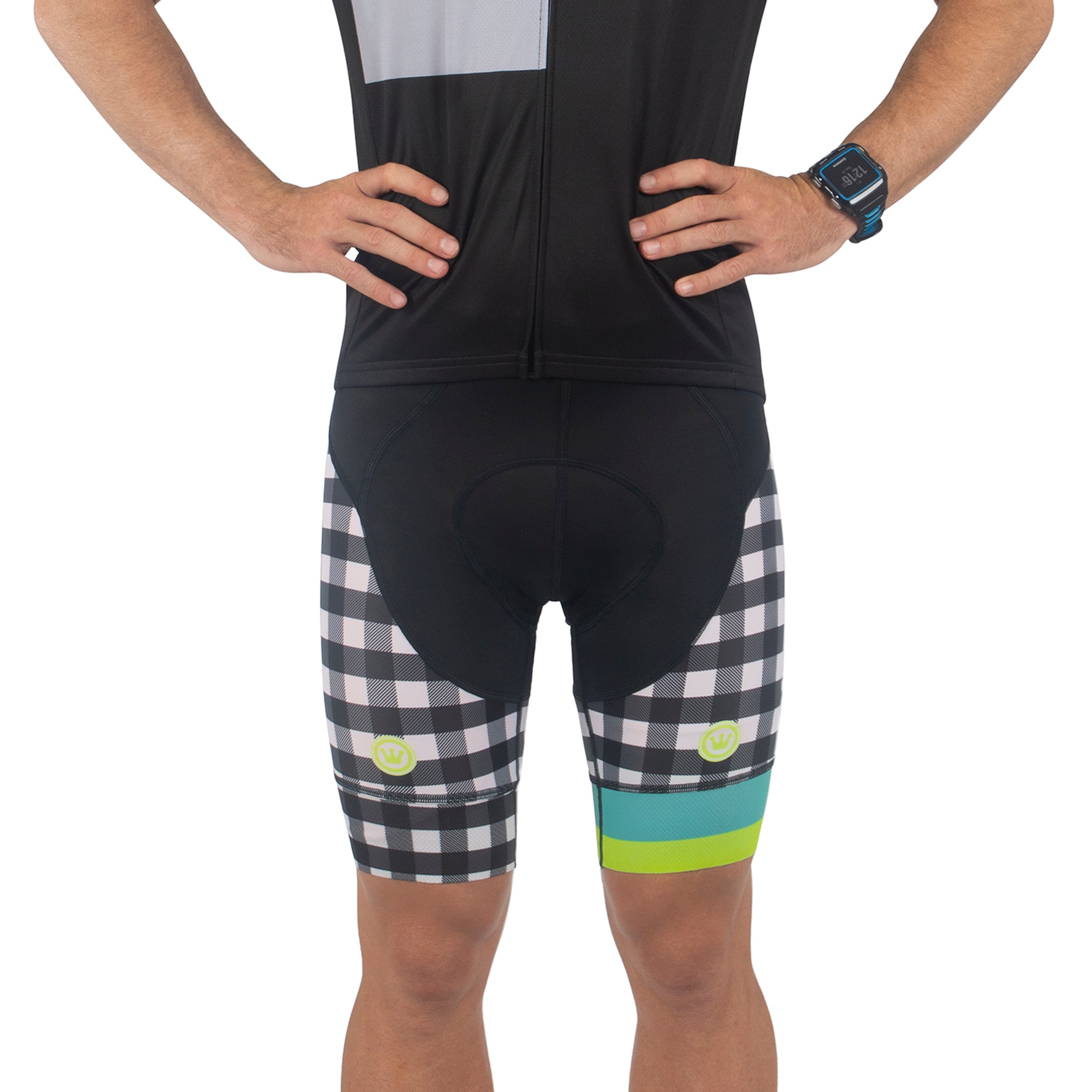
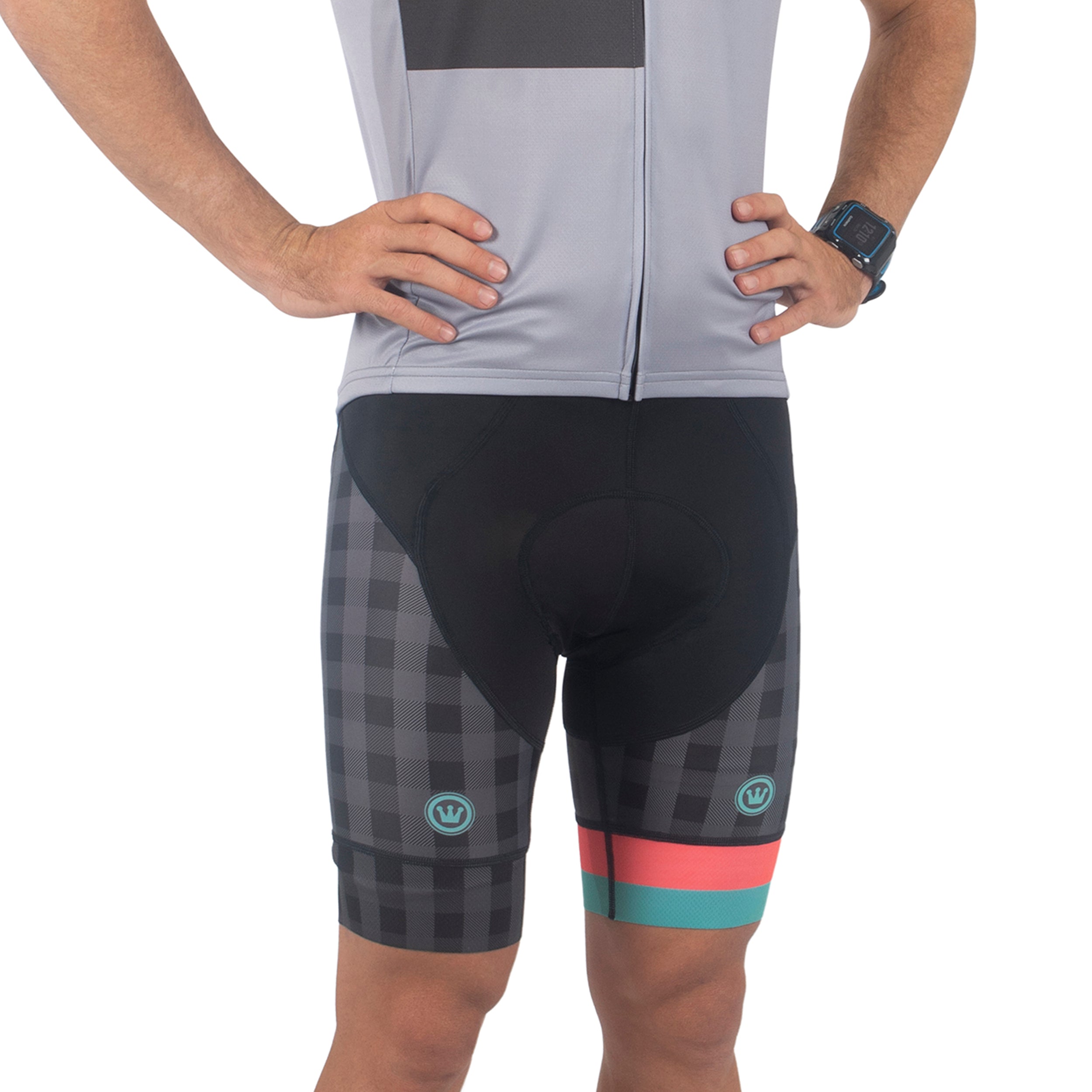
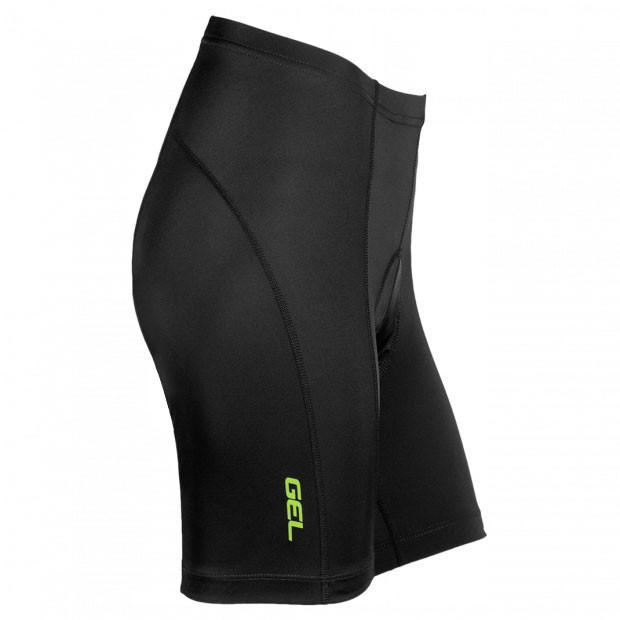
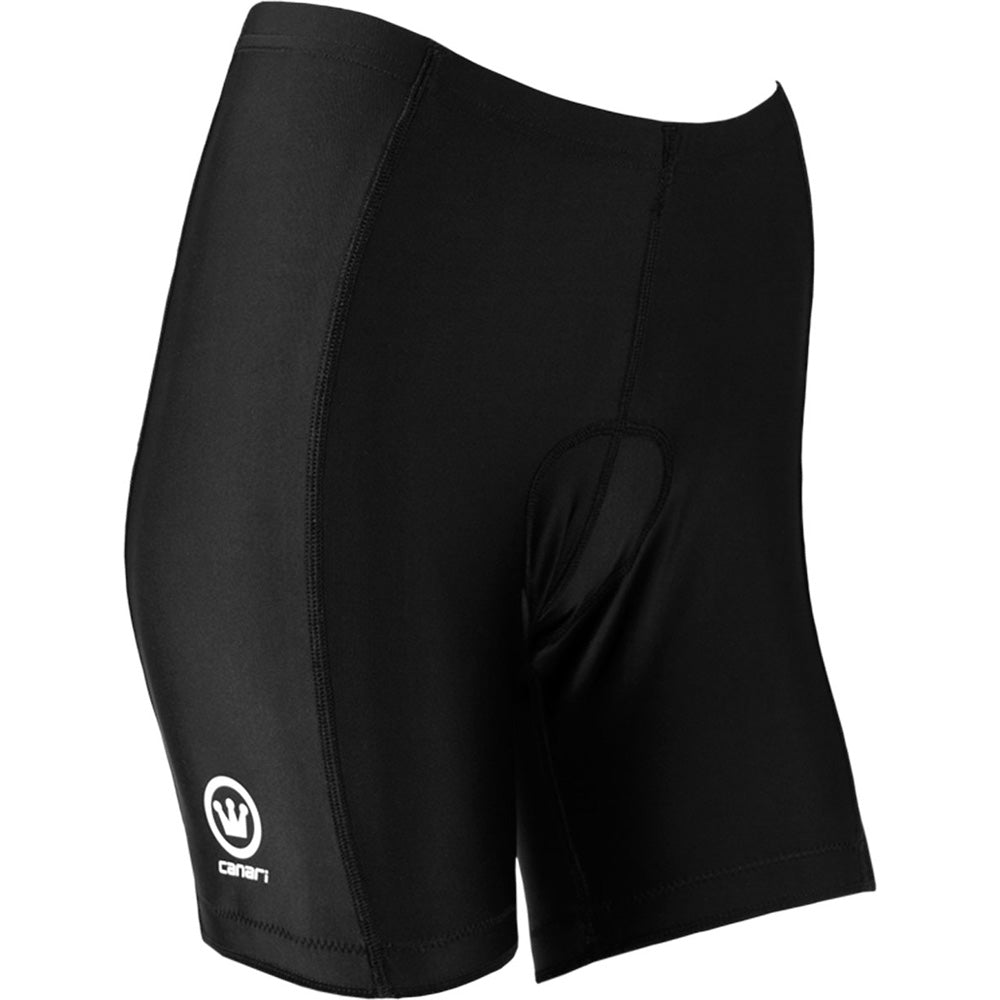
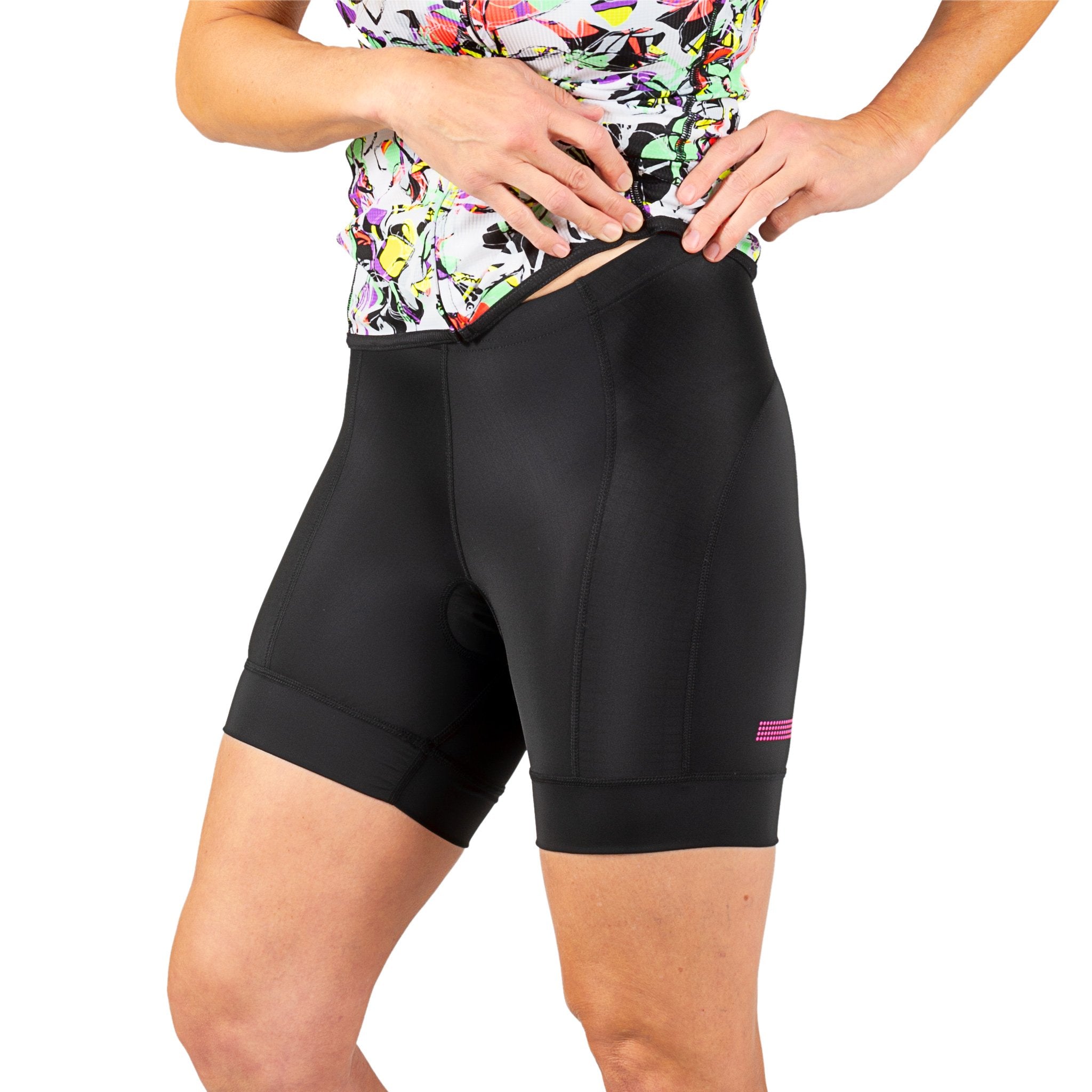
If your commute involves bumpy roads or extended rides, padded shorts can make a big difference. Options like the Men's Velo Gel Short ($50.00) and Women's Pro Gel Short ($50.00) feature gel padding that reduces pressure points and absorbs road vibrations, making frequent stops and rough streets much easier to handle.
Breathable fabrics also help regulate your temperature. They allow heat to escape when you're working hard and retain warmth during pauses. Plus, wearing form-fitting clothing instead of baggy garments reduces the risk of fabric getting caught in your bike's moving parts and minimizes wind resistance.
Weather-Appropriate Clothing
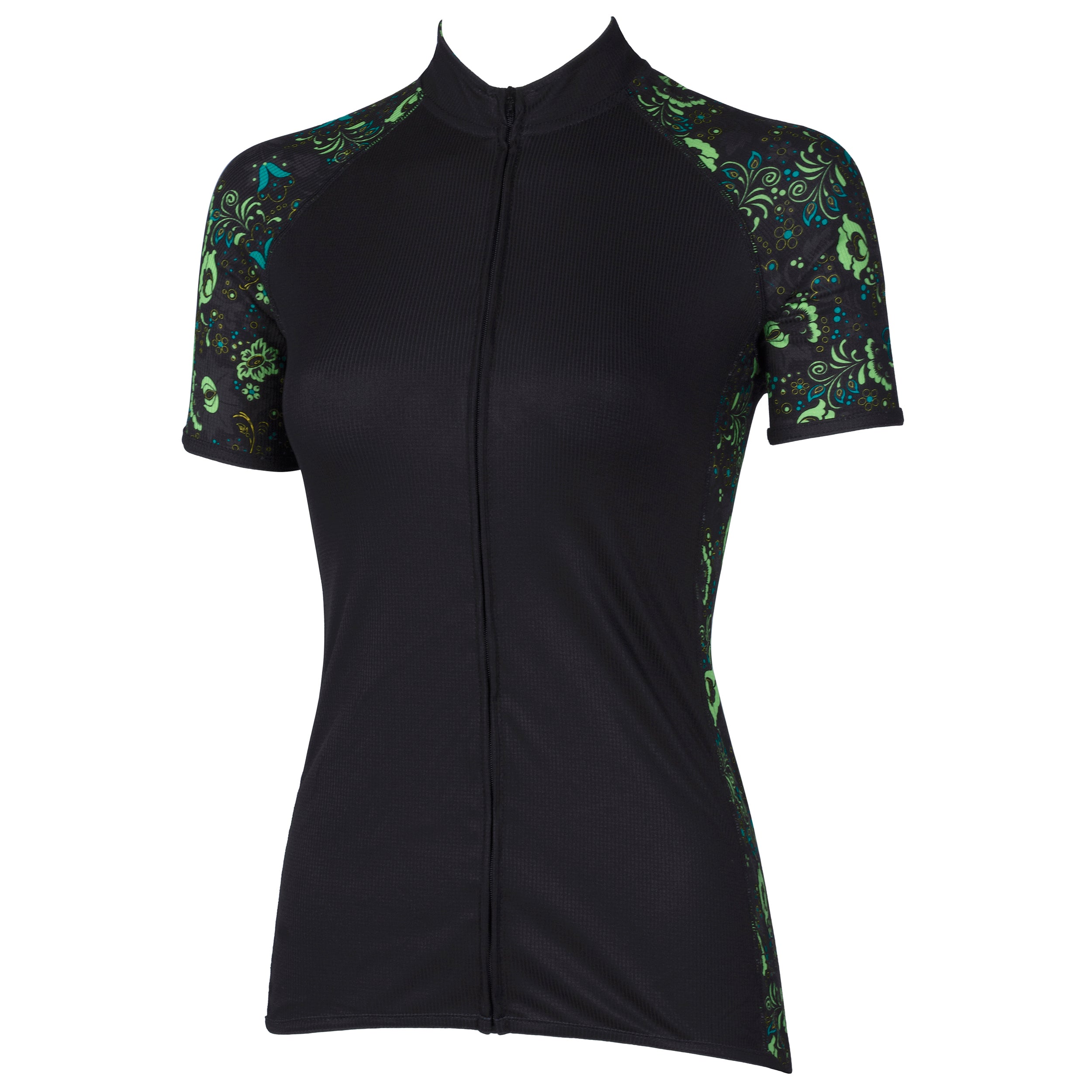
Dressing for the weather is crucial for both safety and comfort. In warmer conditions above 75°F, lightweight jerseys and shorts made from breathable materials help keep you cool without compromising visibility. Short-sleeve options are ideal for summer commutes, allowing airflow while maintaining technical performance.
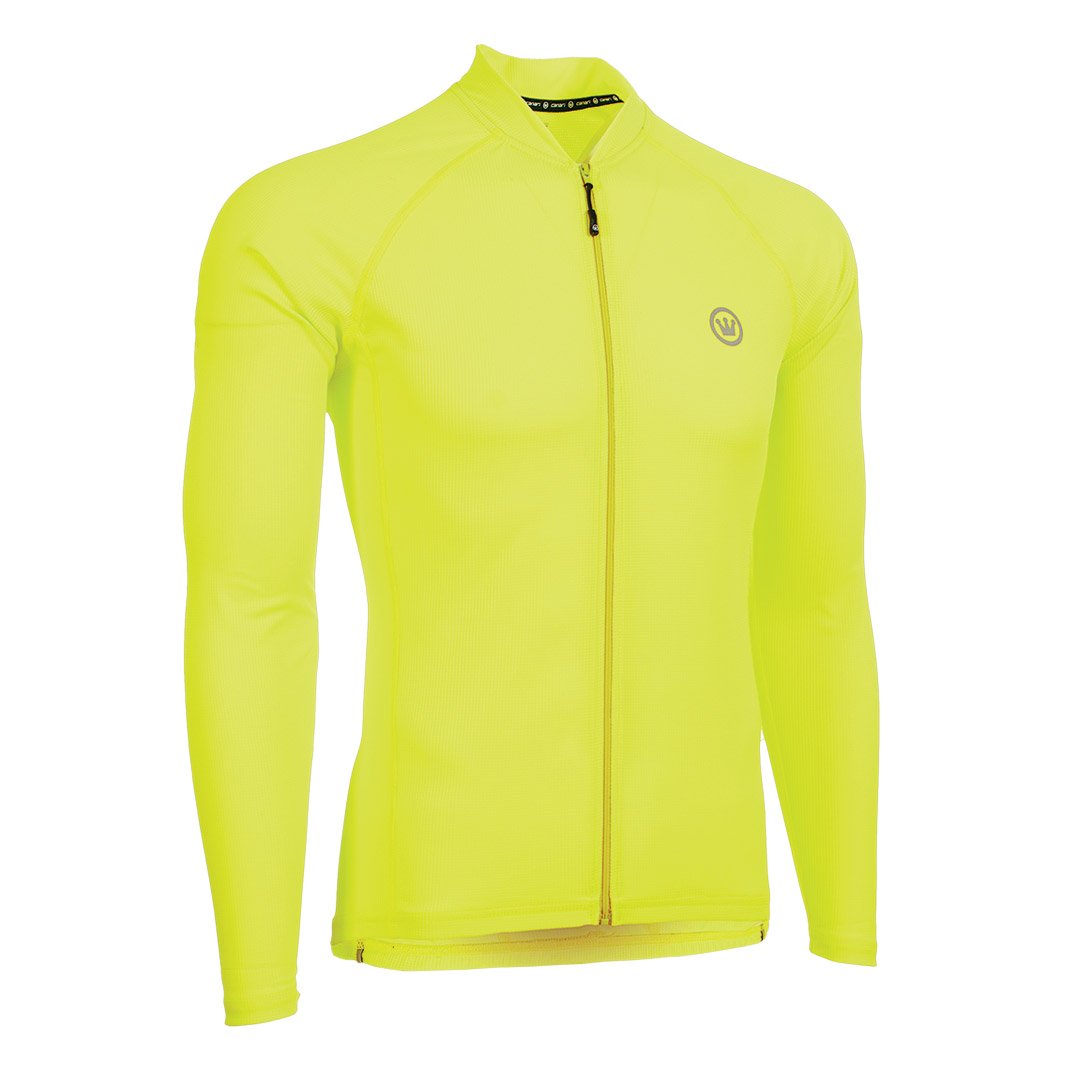
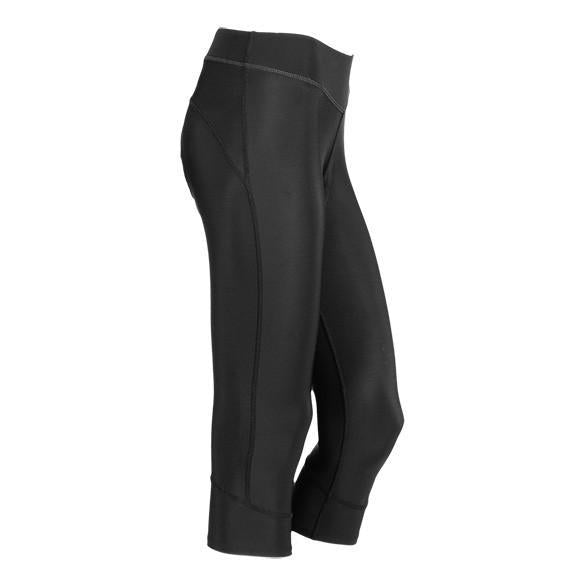
When temperatures drop below 50°F, layering becomes essential. Thermal base layers trap heat close to your body, while wind-resistant outer layers protect you from chilly breezes. Thermal tights and long-sleeve jerseys can keep you warm without limiting your movement.
Rainy days call for water-resistant jackets that keep you dry while allowing your skin to breathe. Look for features like underarm zippers or back vents to promote airflow while keeping rain out.
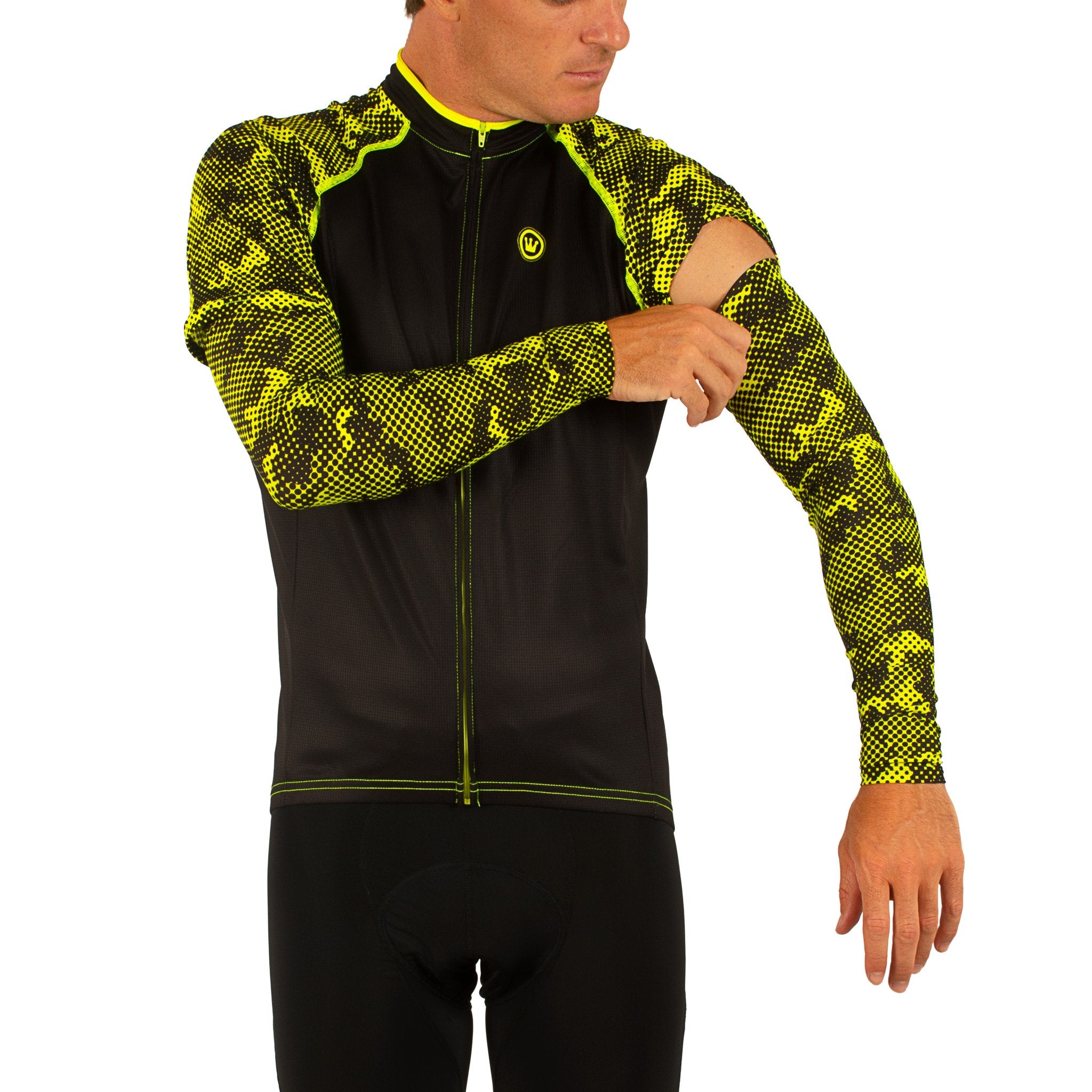
For transitional weather between 50°F and 70°F, versatility is key. Convertible jackets, arm warmers, and vest-style layers let you adjust your outfit as conditions shift. Windproof panels are also a smart addition to shield you from sudden gusts in the city.
Bike Safety Equipment for City Riding
Riding safely in urban traffic isn't just about wearing the right clothing - it’s also about equipping your bike with the right gear. The right safety equipment can make all the difference, helping you stay visible and communicate clearly with drivers.
Lights and Reflectors
Front lights light up your path, while rear lights ensure you're visible to vehicles behind you. Reflectors, on the other hand, serve as a dependable backup in low-light conditions. They’re one of the simplest and most effective tools for staying safe when visibility drops.
Helmets and Mirrors
Your helmet should sit level on your head, with the straps forming a snug "V" under your ears. A good rule of thumb is to leave just enough space for one finger under the strap. And don’t forget - helmets should be replaced every few years or immediately after a crash.
Mirrors are another essential tool for urban riding. They let you keep an eye on traffic behind you without having to turn your head. Whether you prefer a handlebar-mounted, helmet-mounted, or eyeglass-mounted mirror, they’re invaluable for safe lane changes and turns.
Other Safety Accessories
A few extra accessories can make your rides even safer. A bicycle bell, for example, is a simple yet effective way to alert pedestrians and other cyclists to your presence. In some areas, it’s even required by law.
Reflective tape or stickers are another great addition to your setup. They bounce light from car headlights, making you more noticeable in the dark. Apply them to your bike frame or helmet to complement your lighting and increase your visibility on the road.
Traffic Navigation and Road Positioning
When you're equipped with the right tools and use clear signals, choosing the best position on the road can make urban cycling much safer. Where you ride can often mean the difference between a safe trip and a risky one.
Lane Position and Traffic Flow
Riding in the center of the traffic lane can be a game-changer for safety, especially in urban areas. If bike lanes are too narrow or nonexistent, taking the center of the lane encourages drivers to change lanes entirely when passing, giving you more breathing room. Aim to keep a 3–4‑foot gap from parked cars to avoid the "door zone" - the space where an opening car door could cause a crash. In Chicago, dooring incidents account for 1 in 5 bike crashes, leading the city to raise penalties for such accidents to $1,000 back in 2013. While riding near parked cars, stay alert for signs of a door about to open, like brake lights turning on, drivers shifting in their seats, or mirrors being adjusted.
Adjusting your approach at intersections is just as important.
Intersections and Driver Patterns
Intersections are some of the most dangerous spots for cyclists. In fact, over 70% of serious bike accidents happen at intersections, with many involving motor vehicles at unsignalized crossings. Professional drivers, like those in trucks or taxis, are often less likely to yield to cyclists. For example, a study in Sweden found that drivers failed to give cyclists priority in 42% of cases at unsignalized intersections.
When navigating intersections, pay close attention to vehicle behavior. Decelerating cars often indicate an intent to stop. Make eye contact with drivers when possible, use clear hand signals, and stay in their line of sight. Avoid hugging the curb - move into the traffic lane before the intersection, signaling your intentions as you go. This improves your visibility and helps drivers anticipate your movements.
Road Position Comparison for Safety
Here’s a quick breakdown of how different riding positions stack up for safety, visibility, and comfort:
| Position | Safety | Visibility | Comfort | Best Used When |
|---|---|---|---|---|
| Curbside | Low – High risk from car doors and debris | Poor – Hidden behind parked cars | High – Away from traffic | Light traffic, wide roads without parked cars |
| Bike Lane | Medium – Depends on width and proximity to parked cars | Good – Drivers expect you there | High – Offers a designated space | When the lane is wide enough to stay 4+ feet from parked cars |
| Center Lane | High – Full lane control and visibility | Excellent – Drivers can see you clearly | Low – Direct interaction with traffic | Narrow roads, heavy traffic, or when bike lanes are in the door zone |
The Active Transportation Alliance sums it up well: "The Door Zone is the 4‑foot area along the side of a parked car where an opening door can hit and seriously injure a cyclist". Even in bike lanes, riding toward the left side can help you maintain a safe buffer from parked cars. If space is tight and you can't safely keep a distance from both parked cars and moving traffic, slowing down significantly can give you more time to react. In some cases, the safest option might be to dismount and walk your bike through especially tricky areas. It’s always better to take a little extra time than to risk a dangerous situation.
sbb-itb-1992862
Communication with Drivers
Your safety gear might make you more visible, but clear communication with drivers plays an equally important role in keeping you safe on the road. When drivers understand your intentions and see that you're aware of their presence, navigating traffic becomes smoother and safer for everyone. Below, we’ll explore how specific signals and behaviors can strengthen this crucial interaction.
Hand Signals
Hand signals are one of the simplest and most effective ways to convey your intentions. For a left turn, extend your left arm straight out. To indicate a right turn, bend your left arm upward at the elbow. A bent arm pointing downward signals a stop. Make sure to signal early and clearly so drivers have enough time to adjust their actions accordingly.
Eye Contact and Verbal Cues
Eye contact is a powerful way to ensure drivers notice you. While reflective gear can grab their attention, locking eyes with a driver confirms they’ve seen you. According to Allan Dunlop, drivers were 70% more likely to allow a successful lane merge when eye contact was made. At intersections, looking directly at motorists and making deliberate eye contact can help confirm mutual awareness. If a driver doesn’t acknowledge you, it’s smart to adapt your actions for added caution.
In tighter spaces, verbal cues like “on your left” or a simple “thank you” can also help clarify your intentions. These small but clear signals contribute to a more predictable and safer riding experience.
Predictable Riding Behavior
"The best way to stay safe while riding your bicycle is to be predictable",
- Schnyder Law Firm
Sticking to predictable movements is key to reducing risks. Ride in a straight line, avoid sudden swerves, and use clear signals when changing position. Gradual adjustments with consistent speed give drivers the chance to anticipate your actions.
Obeying traffic laws is another essential part of predictable riding. Stop fully at stop signs and red lights, and always ride with the flow of traffic. Keep both hands on the handlebars (except when signaling) to maintain control, and stay alert for road hazards so you can plan your path. When riding in groups, verbal warnings like “hole left” or “car back” can help alert others to potential dangers.
Consistency and predictability go a long way in fostering safer interactions with drivers. Combine these habits with clear signals and eye contact to create a solid foundation for road safety.
Common Urban Cycling Hazards
Navigating city streets on a bike requires constant vigilance. Building on general cycling safety tips, let’s dive into some specific urban hazards you’re likely to encounter and how to handle them effectively.
Door Zones and Road Surface Issues
One of the biggest dangers for urban cyclists is the door zone - the area near parked cars where an opening door can suddenly block your path. To stay safe, ride further into the lane when passing parked cars. This gives you extra space to react if a door swings open unexpectedly. Also, slow your pace and stay alert in areas with heavy parking.
Then there’s the challenge of road surface problems. Potholes, loose gravel, and uneven pavement can cause you to lose control in an instant. The key? Keep your eyes on the road ahead - not just on the car in front of you. This wider awareness gives you time to adjust your route safely.
Other hazards like wet leaves, oil slicks, and debris can be just as tricky. These tend to pile up near storm drains, intersections, or loading zones, making them especially dangerous. When you spot these conditions, reduce your speed and steer carefully to maintain control.
Rail Tracks and Construction Areas
Urban cyclists also need to be mindful of rail tracks and construction zones, which can present unique challenges. Light rail tracks and streetcar lines are particularly hazardous because bike tires can easily get stuck in the grooves. To avoid this, always try to cross tracks at a near-perpendicular angle. Before crossing, check for trains and warning signals. If traffic forces you to approach at a sharper angle, it’s safer to dismount and walk your bike across to prevent accidents.
Construction zones add another layer of unpredictability. Narrowed lanes, shifting traffic patterns, and scattered debris can make these areas especially risky. Plus, construction workers and machinery operators may not always see cyclists. Slow down significantly when navigating these zones. If the path feels too tight or dangerous, don’t hesitate to dismount and walk your bike through. Extra caution around construction vehicles is crucial, as their blind spots can put you at risk.
Weather-Related Challenges
Weather often amplifies urban cycling risks. Rain, for example, makes streets slick and reduces traction. Metal surfaces like manhole covers, painted lines, and bridge gratings become especially slippery when wet. To stay safe in rainy conditions, increase your following distance and avoid riding through puddles, as they might hide potholes or other hazards.
Wind is another factor to watch out for, particularly in cities where tall buildings can create sudden gusts. These can knock you off course or push you into traffic, especially when passing large vehicles or riding through narrow spaces between buildings.
Extreme temperatures also bring their own challenges. Heat can affect your bike tires and your own reaction time. To stay safe, hydrate frequently, plan shorter rides, and avoid cycling during the hottest parts of the day. On the flip side, cold weather can lead to reduced battery life for lights and make it harder to grip handlebars due to numb fingers. Ice patches, especially on bridges or in shaded areas, can form without warning. If freezing conditions become severe, even seasoned cyclists might want to consider alternative transportation for safety.
Key Points for Safe City Cycling
When it comes to cycling safely in city traffic, three principles stand out: visibility, communication, and preparation. Mastering these can help you navigate urban streets with confidence and reduce risks.
Visibility is your best defense against accidents. Wearing bright, reflective clothing ensures drivers can spot you, especially in low-light conditions like dawn, dusk, or cloudy weather. Investing in cycling gear that combines bold colors with reflective materials can literally save your life by making you stand out on the road.
Communication with drivers is equally vital. Use clear hand signals, make eye contact when possible, and ride predictably. The goal is to ensure drivers understand your intentions, giving them time to respond appropriately. Surprises on the road often lead to dangerous situations, so consistency in your actions is key.
Preparation ties it all together. Know your route ahead of time, check the weather, and make sure your bike is ready for the journey. Equip your bike with essentials like front and rear lights, a snug-fitting helmet, and mirrors to monitor traffic behind you. If the forecast calls for rain or strong winds, wear gear suited to those conditions. Slick roads and gusts around tall buildings can challenge even experienced cyclists, so dressing appropriately helps you stay in control.
Positioning on the road also plays a big role in staying safe. Ride far enough from parked cars to avoid suddenly opening doors, but close enough to remain visible to moving traffic. This balance takes practice, but it’s crucial for urban riding.
Ultimately, safe city cycling isn’t about memorizing a list of tips - it’s about adopting a mindset of constant awareness, thoughtful preparation, and mutual respect for everyone on the road. With this approach, you’ll find urban cycling not only safer but also more enjoyable as you grow your skills.
FAQs
How can I make sure drivers see me while cycling in busy city traffic?
To make sure drivers are aware of you, try to establish deliberate eye contact, especially at intersections or when you're near approaching vehicles. This simple act can help confirm that they’ve noticed you. A quick nod, a wave, or even a confident glance can also communicate your intentions and create mutual awareness.
Positioning is just as important. Stay in spots where drivers can easily see you - avoid blind spots and keep yourself visible. Wearing bright clothing or reflective gear is especially helpful, particularly in low-light situations.
What are the best tips for safely cycling through construction zones and over rail tracks in the city?
When cycling through construction zones, it's crucial to pay attention to posted signs and steer clear of loose or uneven surfaces that could throw you off balance. Make sure to wear protective gear, including a helmet, lights, and reflective clothing, to stay visible to others. Move cautiously and stay prepared for unexpected hazards.
When it comes to rail tracks, always aim to cross them at a 90-degree angle to prevent your tires from slipping or getting stuck. Stop at least 15 feet from the tracks, take a moment to look and listen for any oncoming trains, and only proceed when the path is completely clear. Stay focused, skip the headphones, and navigate these areas with care to ensure a safe ride.
What should I look for in cycling clothing to stay visible and comfortable in different weather conditions?
When picking out cycling gear, make sure to focus on visibility. Look for items with reflective strips, bright colors, or standout panels to help you stay noticeable, especially during low-light hours or in bad weather. This is particularly crucial for urban riders, where staying visible can be a real challenge.
For comfort, choose moisture-wicking and breathable fabrics that help keep you dry and maintain a steady body temperature. If you're cycling in colder or rainy conditions, layering is key - add a waterproof or windproof jacket with thermal insulation and reflective accents for extra safety. This mix of visibility and weather-ready materials ensures you’ll be both safe and comfortable, no matter the riding conditions.

