
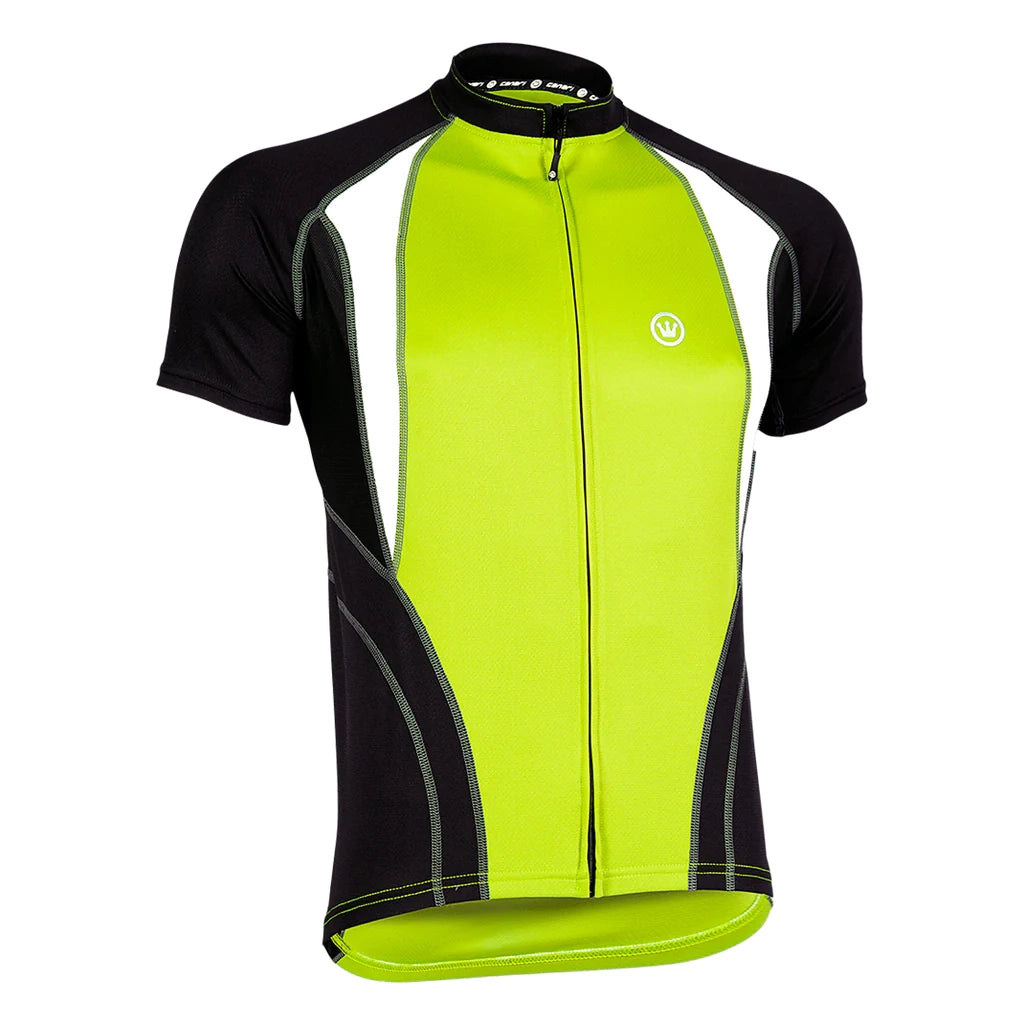

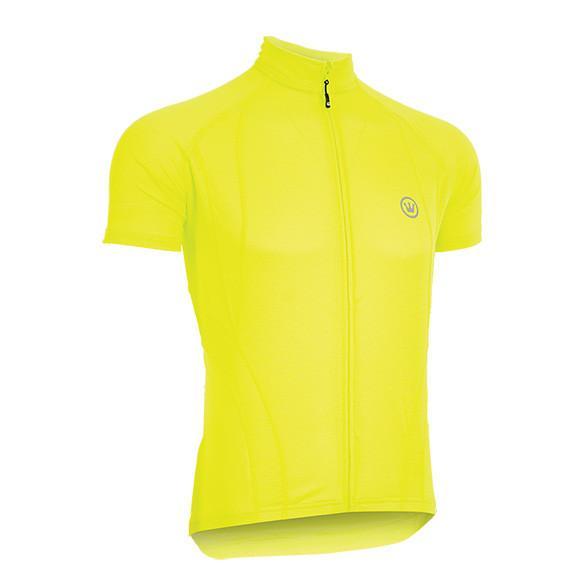

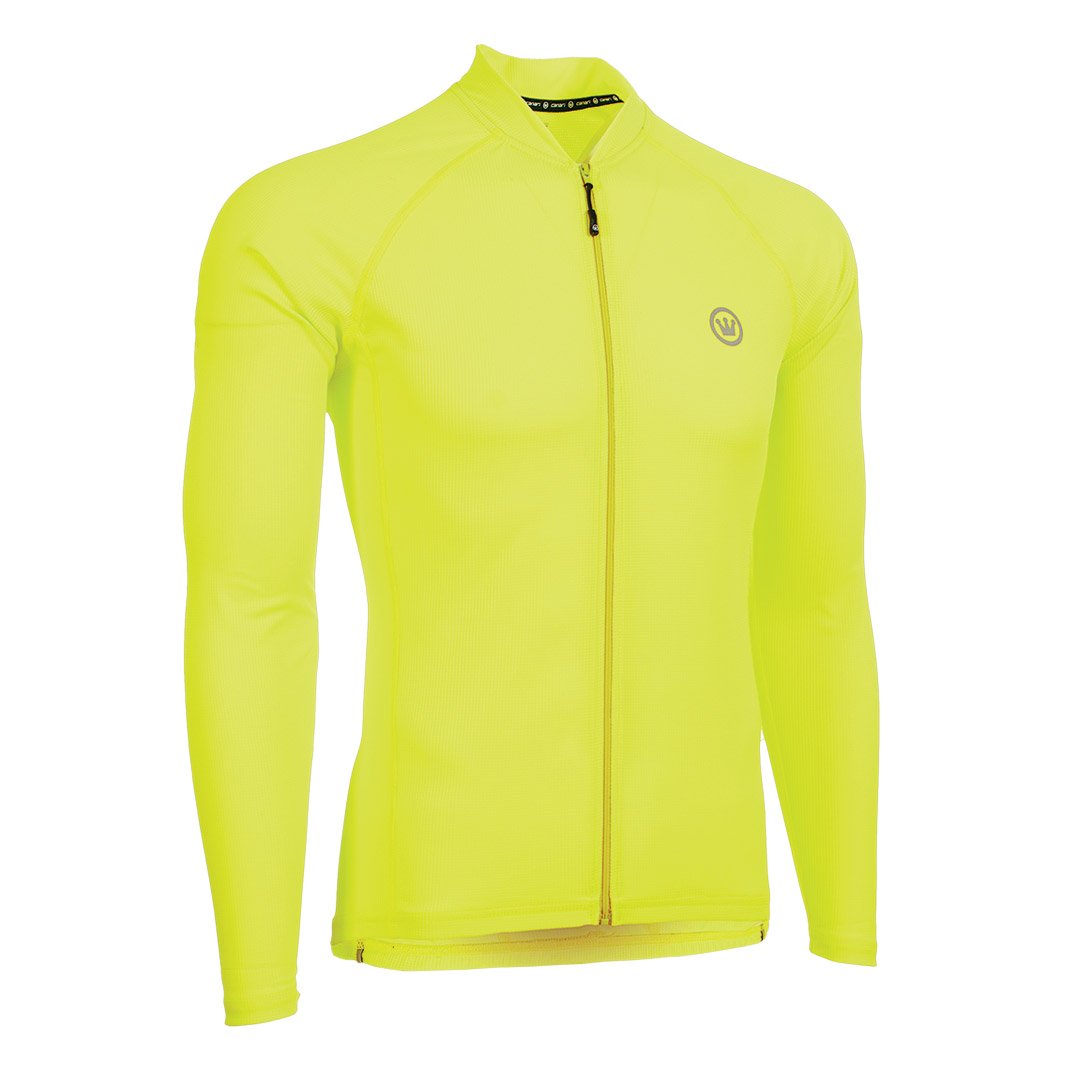

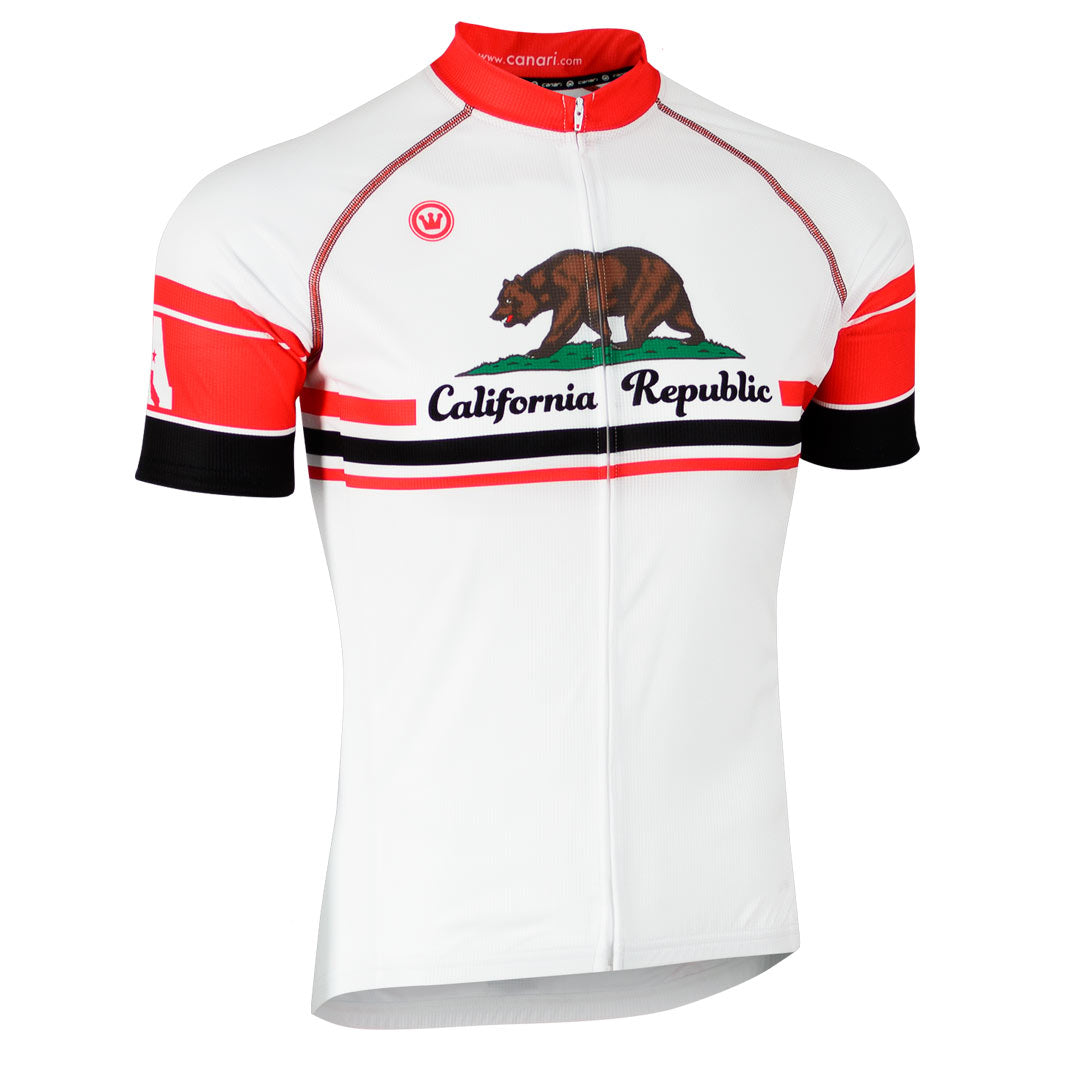










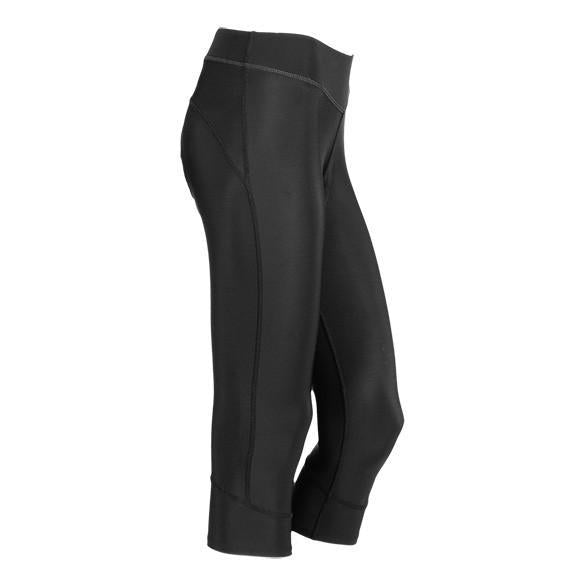

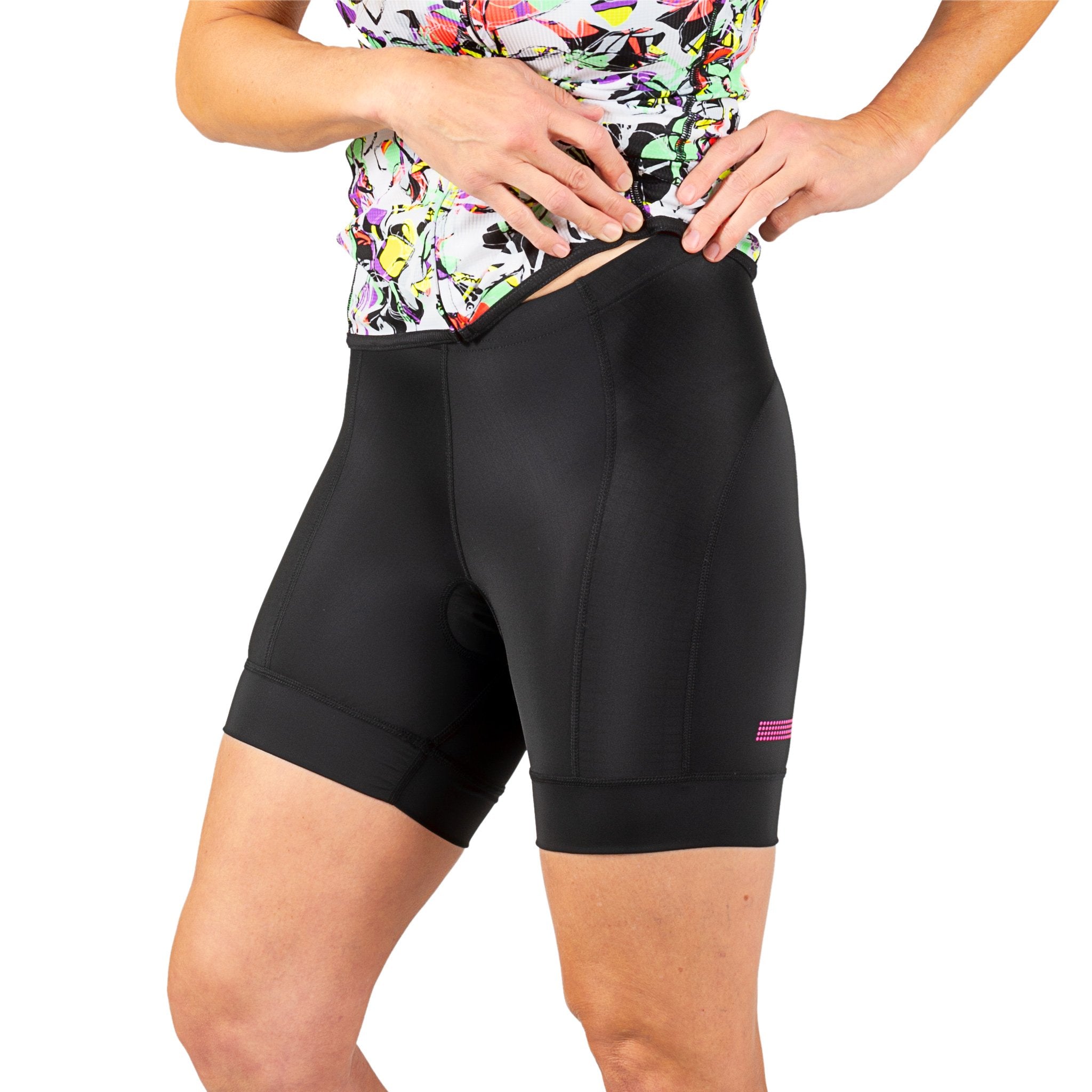




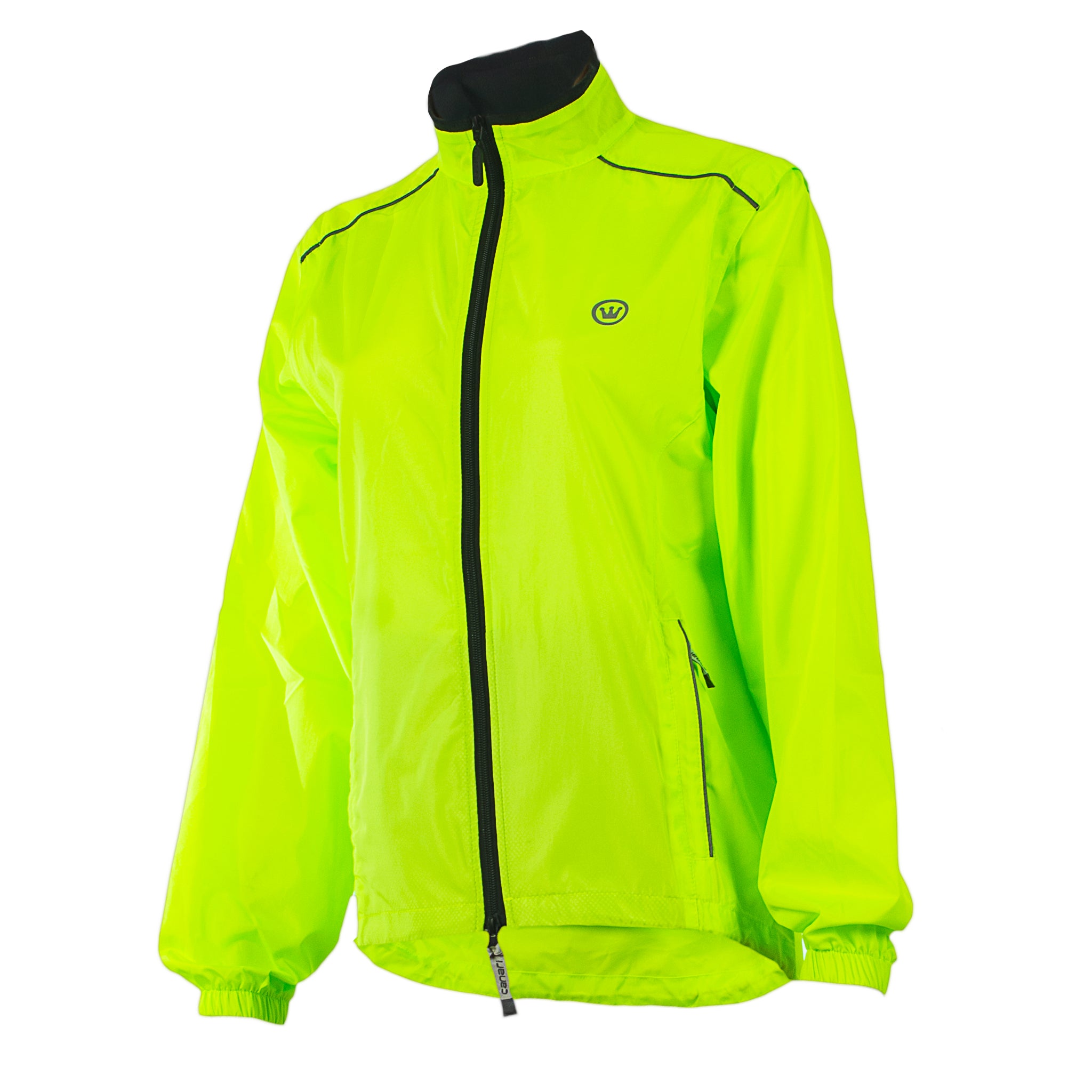


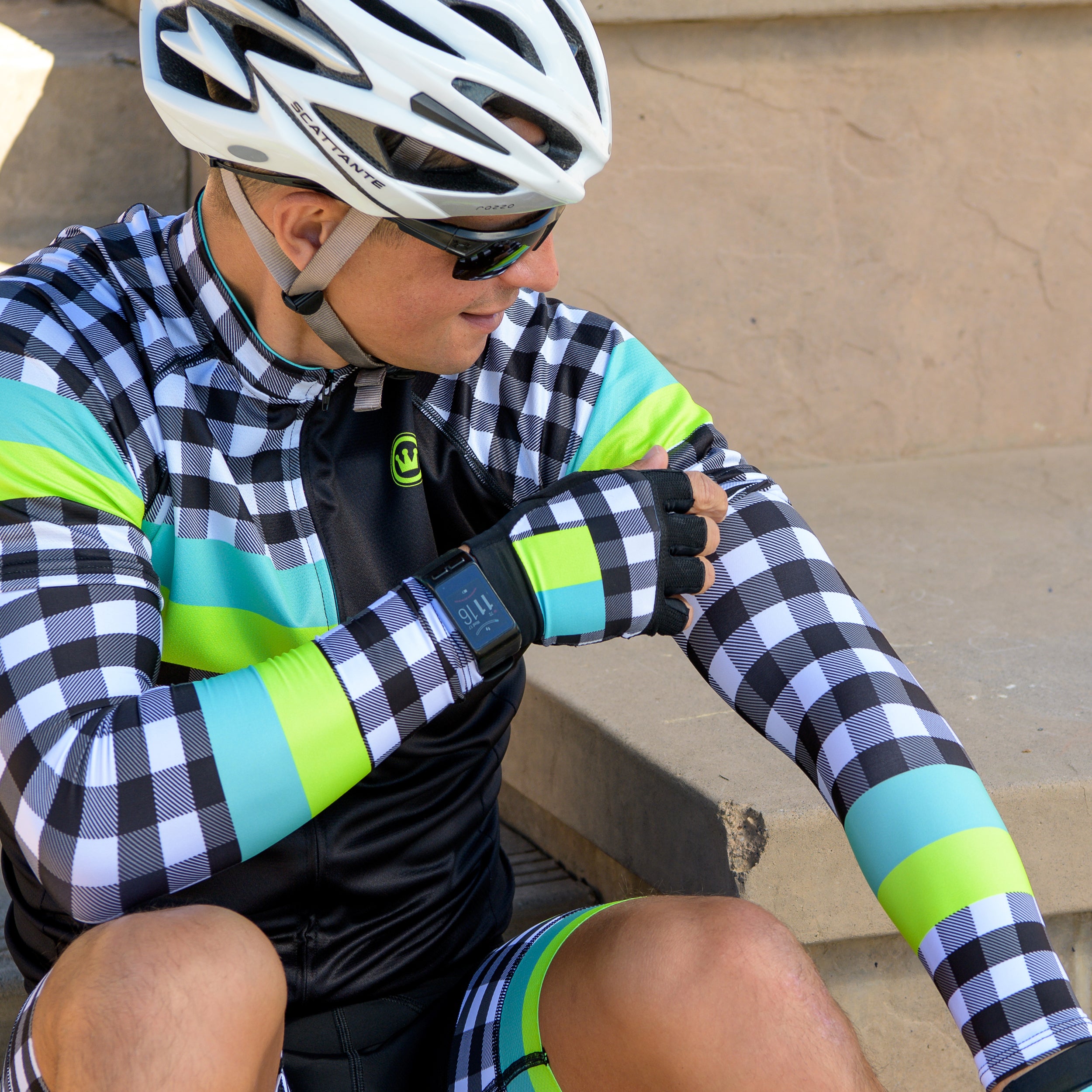








Cycling in winter requires gear that keeps you warm, dry, and visible. Regular jackets don’t provide the insulation, wind protection, and breathability needed for cold-weather rides. Thermal cycling jackets solve this problem with advanced materials like fleece linings, windproof panels, and waterproof membranes. These jackets are designed to maintain body heat, wick away sweat, and block wind chill, making them essential for safe and comfortable winter cycling.
Key Benefits of Thermal Cycling Jackets:
- Insulation: Keeps you warm in temperatures as low as 21°F (-6°C).
- Wind Protection: Shields against cold gusts with windproof fabrics.
- Breathability: Prevents overheating by allowing sweat to escape.
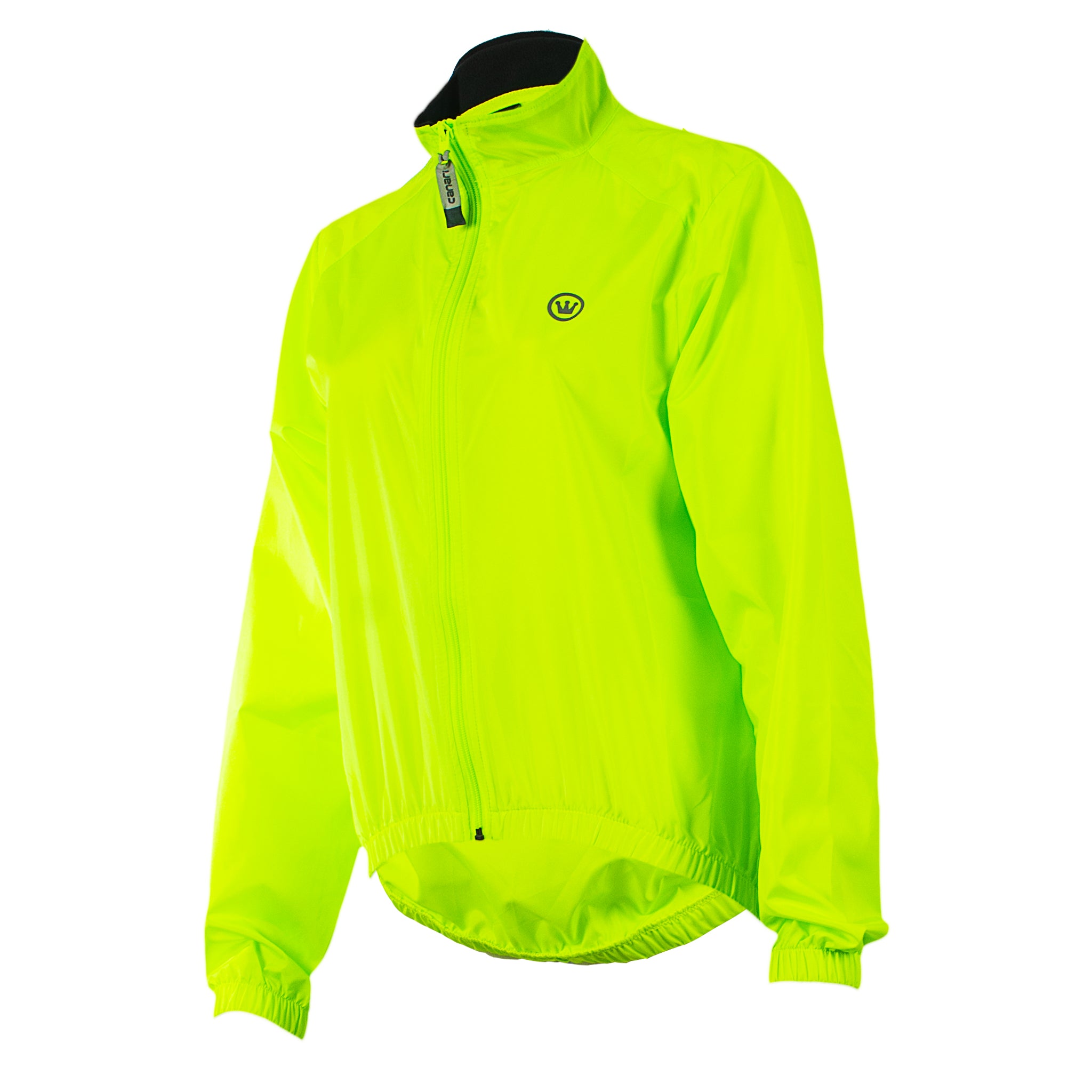
- Safety: Reflective details and bright colors improve visibility in low light.
Thermal jackets are ideal for cold, windy, or snowy conditions but can cause overheating in temperatures above 50°F (10°C). Choosing the right jacket depends on your local winter weather, layering needs, and fit preferences. Prices range from $100 to $350, with options like Canari Cycling Apparel offering reliable performance at competitive prices.
Pro Tip: Pair your jacket with base layers for added warmth and always ensure a snug fit for optimal performance.
What Are Thermal Cycling Jackets
Thermal cycling jackets are specially crafted outerwear designed for cold-weather rides, offering insulation while maintaining the flexibility needed for cycling. These jackets use materials like fleece linings, thicker fabrics, and advanced layering techniques to trap body heat without making the garment overly bulky. With multi-panel construction and strategically placed fabrics, they create specific zones for insulation and breathability. Their snug fit allows for easy movement and enables layering for added warmth when needed.
These thoughtful design features make them essential for winter cycling.
Main Benefits of Thermal Cycling Jackets
Thermal cycling jackets provide three key benefits that are crucial for winter rides: insulation, wind protection, and breathability.
- Insulation: Using thermal fleece or synthetic fibers, these jackets trap warm air to keep your body comfortable, even when faced with biting winds.
- Wind Protection: Windproof panels and advanced membranes act as a shield against cold gusts, preventing rapid heat loss and keeping you warm.
- Breathability: Despite their insulating properties, these jackets are designed to let sweat and moisture escape, avoiding that uncomfortable, damp feeling during intense rides.
Many jackets also include water-resistant coatings and reflective details, adding an extra layer of safety in wet or low-light conditions.
When to Wear a Thermal Cycling Jacket
Thermal cycling jackets shine in cold, harsh conditions. They’re perfect for rides in freezing temperatures, brisk winds, or light snow - situations where your body heat can quickly dissipate. For instance, one test showed that a high-performance winter cycling jacket kept a rider comfortable in temperatures as low as 21°F (–6°C) and during mid single-digit Celsius conditions, even during high-effort rides. These jackets are ideal for early morning commutes, evening rides, or long winter tours.
However, they’re not suitable for milder conditions. When temperatures rise above 50°F (10°C), wearing a thermal jacket can lead to overheating. For cyclists who brave the cold year-round, investing in a quality thermal jacket can turn challenging winter rides into enjoyable and safe experiences.
Materials and Technology in Thermal Cycling Jackets
Thermal cycling jackets are a marvel of material science and design, crafted to keep you warm, dry, and comfortable while riding in cold conditions. These jackets rely on a mix of specialized fabrics and cutting-edge construction methods to create a protective layer that balances warmth, moisture control, and flexibility. Let’s dive into the materials and technologies that make these jackets so effective.
Common Fabrics and Their Roles
At the core of most thermal cycling jackets is fleece-backed polyester, a fabric known for its soft texture and insulating properties. This material forms a cozy layer against your skin, trapping warm air in tiny pockets to maintain body heat. At the same time, it wicks away moisture, keeping you dry even during intense rides.
Softshell laminates add another layer of protection, combining multiple fabric layers to create a versatile barrier. These fabrics are designed to block wind and repel light rain while allowing moisture to escape through microscopic pores, ensuring both comfort and weather resistance.
For insulation, materials like Polartec Alpha and Primaloft are game-changers. Polartec Alpha provides lightweight warmth with a down-like feel and retains its insulating properties even when wet. Similarly, Primaloft uses fine synthetic fibers to trap heat in thousands of tiny air pockets, maintaining warmth without adding bulk and staying effective in damp conditions.
Beyond insulation, advanced membranes and laminates are incorporated to shield you from harsh weather without compromising breathability.
Waterproof and Windproof Technologies
When it comes to battling wind and water, these jackets don’t hold back. Windproof membranes are essential for rides in dynamic conditions, such as fast descents or headwinds. These ultra-thin layers block wind from penetrating the fabric while allowing water vapor to escape, preventing overheating.
WINDSTOPPER technology takes wind protection a step further by creating a completely windproof barrier that still lets moisture pass through. This prevents the rapid cooling effect caused by wind chill during high-speed rides or strong gusts.
For rain and snow, waterproof membranes like GORE-TEX are the gold standard. Their microporous structure blocks water droplets while allowing sweat to evaporate, keeping you dry inside and out.
Some jackets use laminated outer layers, which combine multiple protective elements into a single fabric system. These typically include a durable water repellent (DWR) coating on the surface, a waterproof-breathable membrane in the middle, and a moisture-wicking liner on the inside. This three-layer design ensures comprehensive weather protection without sacrificing the flexibility needed for cycling.
Finally, multi-panel construction strategically places materials where they’re most effective. For example, windproof fabrics are used on the chest and arms to shield against cold air, while more breathable materials are positioned on the back to prevent overheating. This thoughtful design ensures that you stay comfortable and protected throughout your ride.
Important Features to Look For in Winter Cycling Jackets
When it comes to winter cycling jackets, the right design features can make all the difference. Beyond advanced fabrics, these thoughtful details ensure you stay comfortable, warm, and safe during cold-weather rides. A well-designed jacket isn't just about keeping you warm - it’s about performing effectively in real-world conditions.
Key Features for Comfort and Function
Comfort and functionality are essential for winter cycling. Look for jackets with adjustable cuffs, which let you tighten the sleeves to block out cold air and moisture. A high collar is another must-have, as it shields your neck from the chill and helps retain body heat. Pairing this with a full-zip design allows you to fine-tune ventilation while staying protected during those long, icy rides.
Drop-tail hems are specifically designed for cyclists. The extended back provides extra coverage when you're in a forward-leaning position, keeping wind, rain, and road spray at bay. This feature also ensures the jacket stays securely in place, even during intense pedaling.
For temperature control, consider jackets with zippered underarm vents or mesh-lined panels. These features help release excess heat and moisture, keeping you dry and comfortable no matter how hard you're working.
And let’s not forget practicality - multiple exterior pockets are a lifesaver for storing essentials like snacks, gloves, or a phone, especially when you're bundled up in winter layers.
Visibility and Safety Features
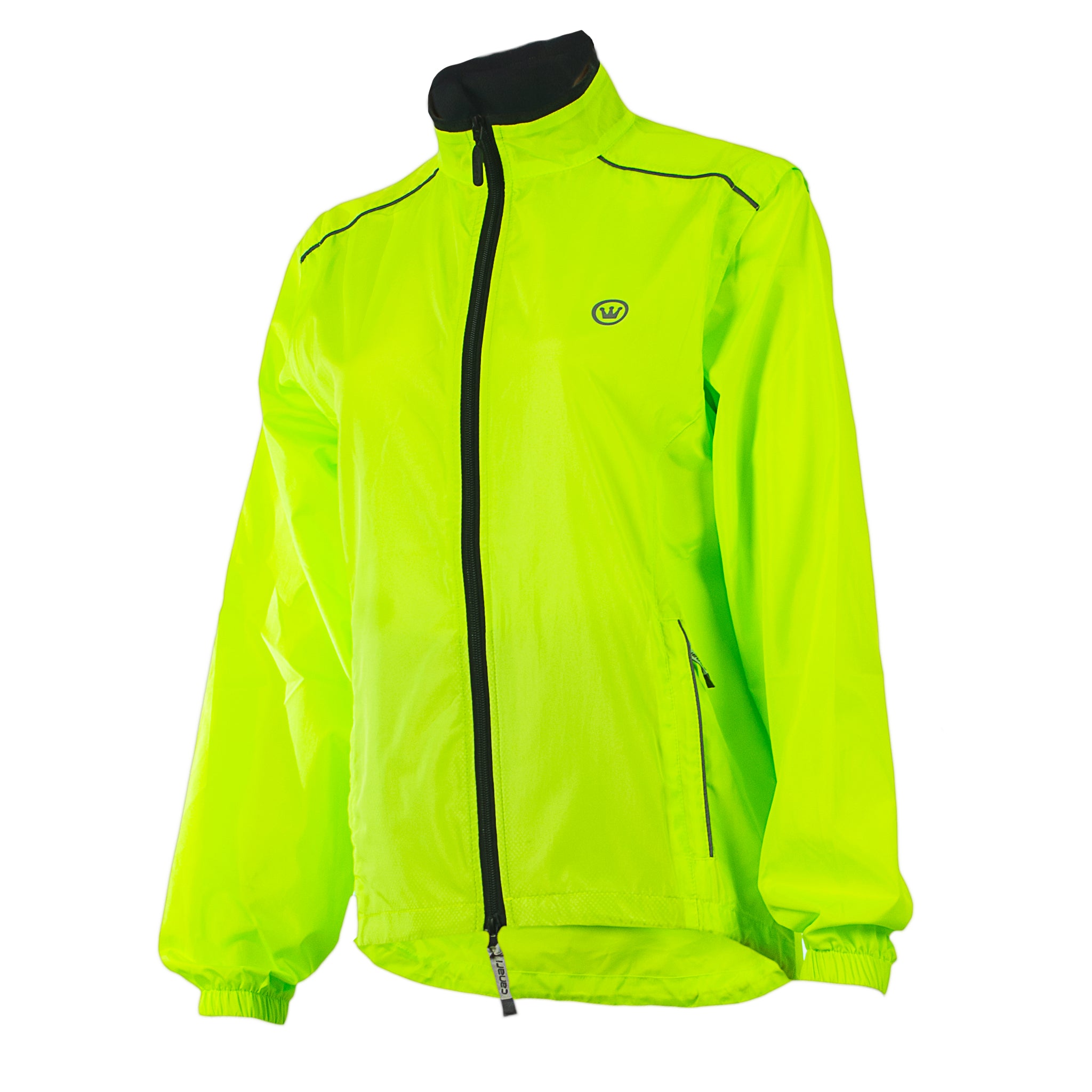
Winter cycling often means dealing with low-light conditions, whether it's an early morning commute, an evening ride, or a gray, overcast day. That’s why safety features are just as important as comfort. Jackets with reflective details strategically placed on key areas increase your visibility by reflecting light from different angles, making you more noticeable to drivers and other cyclists.
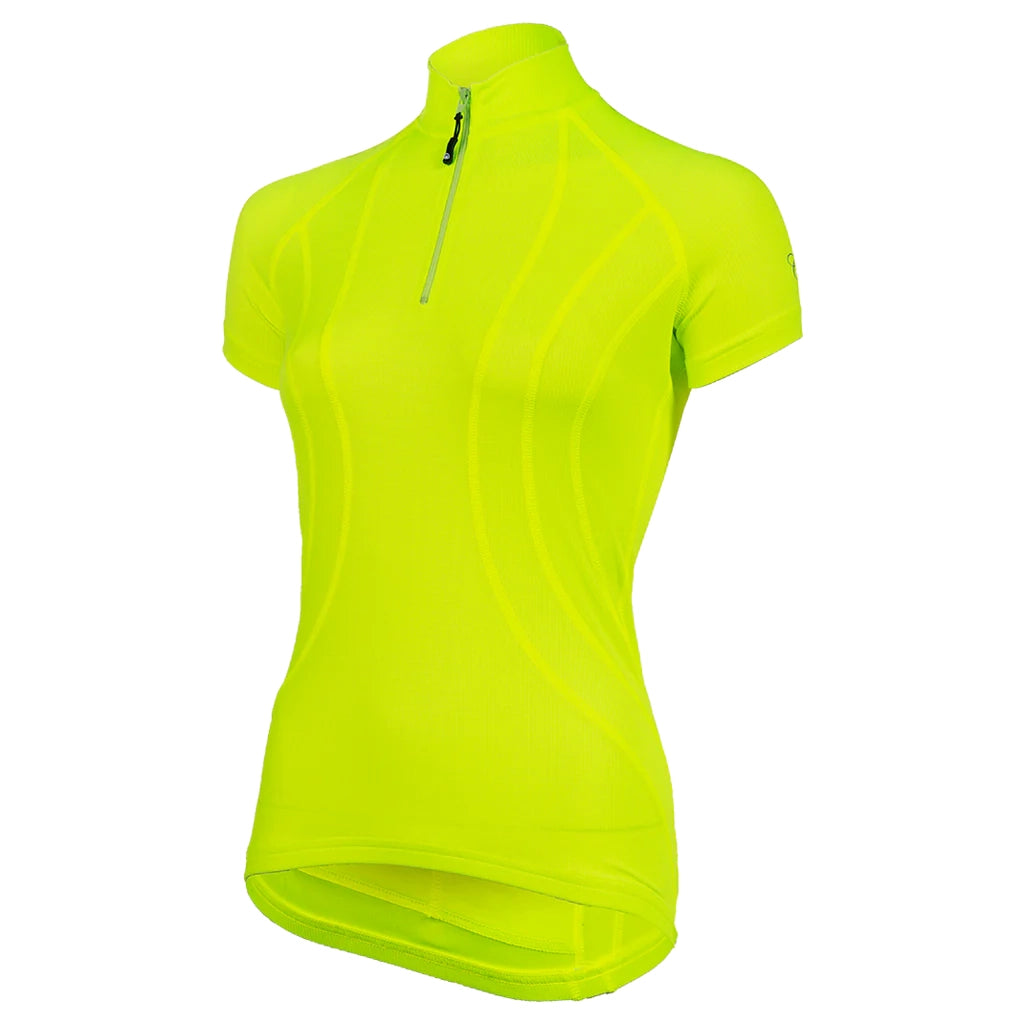
For an added layer of safety, opt for jackets in bright or neon colors. These stand out even in dim light, offering another level of visibility to keep you safe on the road.
Brands like Canari Cycling Apparel combine these essential features in their thermal jacket designs. Their jackets strike a balance between reflective accents and stylish design, ensuring you stay visible without compromising on looks. These thoughtful details make their jackets a solid choice for winter cycling conditions across the United States.
sbb-itb-1992862
How to Pick the Right Thermal Cycling Jacket
Finding the right thermal cycling jacket means choosing gear that matches your winter riding conditions while ensuring it fits seamlessly into your layering system. A good jacket keeps you protected and comfortable during those chilly rides.
Check Your Winter Cycling Conditions
Start by assessing the conditions you typically face during winter rides. If you're cycling in temperatures below 32°F (0°C), you'll need a jacket with substantial insulation and windproof features. For milder days, between 40–50°F (4–10°C), a lighter thermal jacket combined with proper layering might do the trick.
Wind can make a huge difference in how cold it feels. For instance, a 35°F day can feel much colder with wind chill. In such cases, jackets with wind-blocking panels on the chest and arms are a must. If you often ride in windy areas, prioritize windproof membranes over basic insulation.
Don't forget about precipitation. Cyclists in rainy or snowy regions, like the Pacific Northwest, will benefit from waterproof, breathable jackets. On the other hand, riders in colder but drier areas, such as the Midwest, might focus more on insulation and windproofing.
If your local winter weather tends to fluctuate, look for jackets with features like removable layers or ventilation zippers. These options let you adjust your setup without needing multiple jackets for different conditions.
Once you've nailed down the conditions you'll be riding in, the next step is to ensure your jacket fits well for optimal comfort and performance.
Get the Right Fit and Size
Fit is everything when it comes to cycling jackets. Start by checking U.S. sizing charts and measuring your chest, waist, and arm length. Your jacket should be snug but still leave enough room for layering underneath.
Try layering before testing the fit. For milder days (40–50°F), you'll likely pair a base layer with your thermal jacket. On colder days (25–40°F), you'll need a base layer, an insulating mid-layer like fleece, and your jacket. For extreme cold (below 25°F), you might even add a second base layer under a mid-layer and the jacket.
Make sure the sleeves cover your wrists, and the back of the jacket is long enough to protect your lower back when you're in a riding position. Many cycling jackets are designed with an extended back for this purpose, so check that it complements your posture.
Look for jackets with stretch panels or multi-panel construction to ensure freedom of movement. Some models incorporate grid-backed stretch fabrics that provide warmth without adding bulk, keeping your range of motion unrestricted.
Adjustable cuffs and hems are also key. They help seal out drafts and ensure the jacket accommodates your layering system, while also letting you tweak the fit to your liking.
| Temperature Range | Layering System | Jacket Features Needed |
|---|---|---|
| 40–50°F (4–10°C) | Base layer + lightweight thermal jacket | Breathable, moderate insulation |
| 25–40°F (-4–4°C) | Base layer + mid-layer + thermal jacket | Wind protection, good insulation |
| Below 25°F (-4°C) | Two base layers + mid-layer + heavy thermal jacket | Maximum insulation, windproof |
Expect to spend between $100 and $350 for a high-quality winter cycling jacket. Premium options, like those from Canari Cycling Apparel, often feature advanced fabrics, extended backs, adjustable cuffs, and multiple pockets - perfect for layering and handling a variety of winter conditions.
Canari Cycling Apparel Thermal Jackets

When it comes to tackling U.S. winter rides, Canari Cycling Apparel offers thermal jackets designed with cyclists in mind. Canari Cycling Apparel has built a reputation for creating high-performance winter gear, and their thermal jackets are no exception. These jackets are crafted with advanced materials to keep riders comfortable and protected in cold weather, all while meeting U.S. standards.
Key Features of Canari Thermal Jackets
Canari thermal jackets are packed with features that make them a go-to choice for winter cyclists. Here’s what sets them apart:
- Lightweight Insulation: Designed to provide warmth without bulk, these jackets maintain aerodynamics and allow for unrestricted movement on the bike.
- Wind Protection: The outer fabrics are windproof yet breathable, shielding you from cold gusts while preventing overheating - a must for rides in temperatures as low as 35°F.
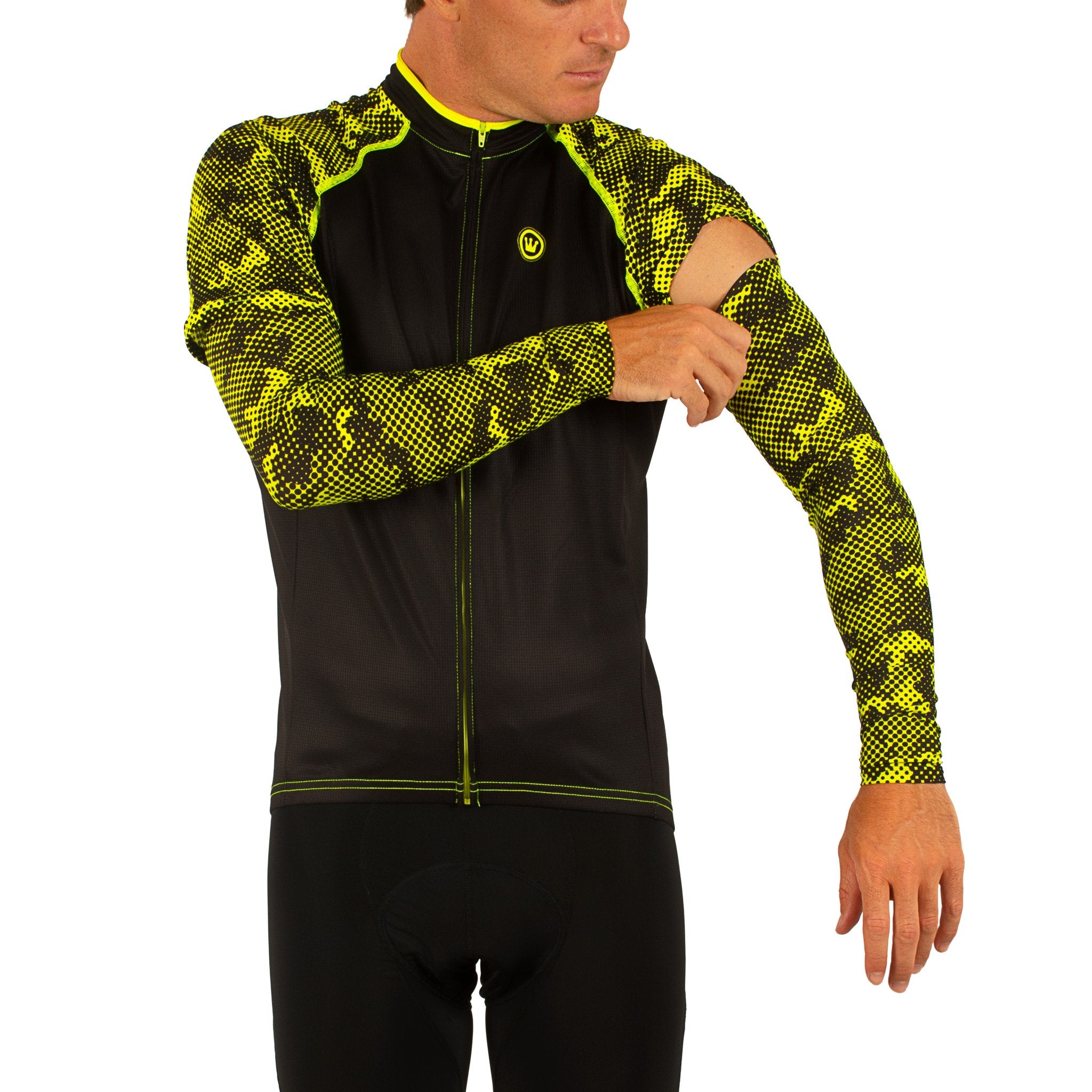
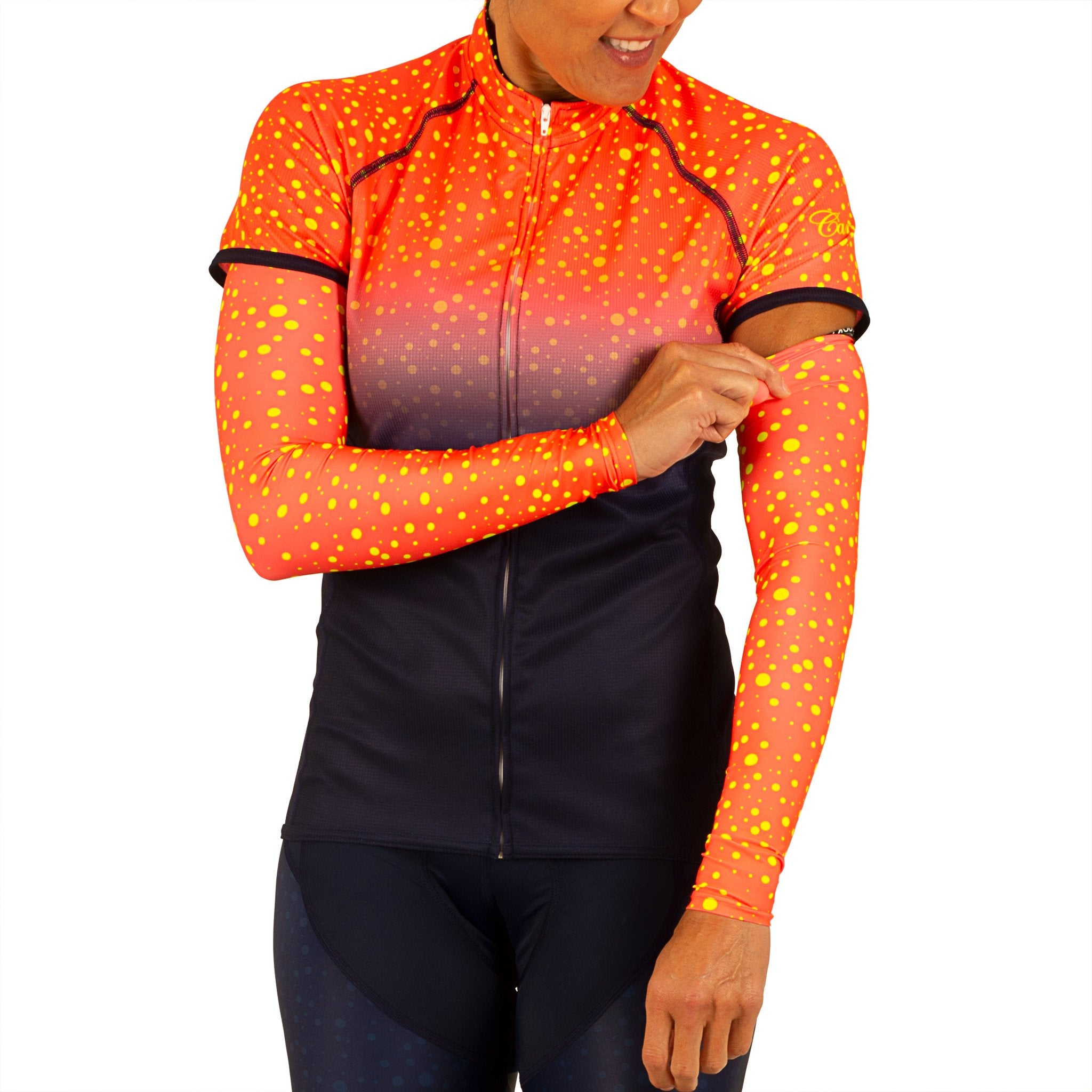
- Convertible Design: Some models come with removable sleeves, letting you switch from a full jacket to a vest in seconds. This adaptability is perfect for fluctuating weather conditions.
- Reflective Details: Strategically placed reflective piping, logos, and trim enhance visibility during low-light rides, ensuring safety during early morning or evening outings.
- Technical Fabrics: A combination of fleece linings and ventilated panels regulates body temperature and wicks away moisture, keeping you dry and comfortable even during intense rides.
- Ample Storage: Multiple zippered pockets are thoughtfully placed to hold essentials like snacks, keys, or a phone securely and within easy reach.
Next, let’s dive into one standout option: the Men's Eclipse Convertible Jacket.
Canari Thermal Jacket Options
Canari’s lineup showcases the thoughtful design and practicality that winter cyclists need. A prime example is the Men's Eclipse Convertible Jacket, which offers a blend of versatility and affordability. At just $70.00, it stands out in a market where high-performance winter cycling gear often comes with a much heftier price tag.
This jacket’s convertible design is a game-changer. The removable sleeves allow you to adapt quickly to changing temperatures or exertion levels, making it ideal for long rides with unpredictable weather. The windproof outer shell blocks cold air while maintaining breathability, and the lightweight insulation ensures warmth without compromising mobility. Its ergonomic cut is tailored for the forward-leaning position typical of road cycling, ensuring a snug yet comfortable fit.
Other standout features include reflective accents for enhanced visibility and secure zippered pockets for carrying ride essentials. The jacket is also designed to accommodate layering, making it suitable for a variety of winter conditions.
Here’s a quick breakdown of the Eclipse Convertible Jacket’s features:
| Feature | Men's Eclipse Convertible Jacket |
|---|---|
| Price | $70.00 |
| Convertible Design | Yes (sleeves zip off) |
| Wind Protection | Windproof outer shell |
| Insulation | Lightweight thermal |
| Reflective Elements | Yes |
| Storage | Multiple zippered pockets |
Cyclists consistently praise Canari jackets for their ability to balance warmth, breathability, and affordability. Users highlight the convertible design, spacious storage, and overall durability as standout qualities. At $70.00, the Eclipse Convertible Jacket is frequently recognized as an excellent value.
Canari also ensures their jackets are tailored to fit American body types, offering sizing charts in U.S. measurements for chest, waist, and sleeve length. This attention to detail ensures a comfortable fit that allows for layering and unrestricted movement.
Whether you’re hitting the road, tackling mountain trails, or commuting through the city, Canari thermal jackets are built to handle a variety of winter cycling needs. Features like windproofing, water resistance, and convertible sleeves make them a versatile and reliable choice for riders facing diverse winter conditions.
Getting Ready for Winter Cycling with the Right Jacket
A good thermal cycling jacket can transform winter rides from a cold struggle into an enjoyable adventure. The key is picking a jacket that suits your local weather, the length of your rides, and your comfort needs. There’s no one-size-fits-all solution, so tailoring your choice is essential.
Consider your local temperatures. For rides below 32°F, jackets with advanced insulation and windproof materials are a must. On the other hand, if you’re cycling in milder winter conditions, between 35°F and 50°F, prioritize breathability and water resistance. Riders in colder areas like the Midwest or Northeast may need different features compared to those in wetter regions like the Pacific Northwest.
Layering is also crucial. Choose a jacket that works well with moisture-wicking base layers and mid-layers, so you can easily adjust your insulation while on the move.
When it comes to fit, your jacket should strike a balance between performance and comfort. It should feel snug but not restrictive, with sleeves that fully cover your wrists when you’re gripping the handlebars. Look for a slightly dropped back panel to keep your lower back protected from the cold. Adjustable cuffs, hems, and collars can help block drafts while allowing you to tweak the fit to your liking. These features make layering easier and ensure the jacket performs well over time.
Taking care of your jacket is just as important as choosing the right one. Wash it in cold water on a gentle cycle, skip the fabric softeners, and let it air dry. This will help maintain the jacket’s insulation, waterproofing, and breathability. Reflective details are another smart addition, as they improve visibility during those dim winter rides.
Finally, align your budget with your needs. High-performance cycling jackets typically range from $100 to $350, offering effective protection without cutting corners on quality.
The perfect winter cycling jacket should keep you warm, wick away sweat, and shield you from the wind. With the right choice tailored to your specific conditions and preferences, winter cycling can go from a daunting task to something you genuinely look forward to.
FAQs
What should I consider when choosing a thermal cycling jacket for winter weather?
When choosing a thermal cycling jacket for winter, it's important to prioritize insulation, breathability, and weather resistance. Opt for materials like fleece-lined or thermal fabrics that keep you warm without feeling bulky. Jackets with windproof and water-resistant features are a smart choice for handling unpredictable weather.
The fit matters too - your jacket should provide enough room for layering but still be snug enough to reduce drag while riding. Look for added features like reflective details for visibility, zippered vents for temperature control, and adjustable cuffs for a better fit. For cycling-specific options, brands like Canari Cycling Apparel offer durable and stylish gear designed to keep you comfortable and performing well in cooler conditions.
What features should a thermal cycling jacket have for safe rides in low-light conditions?
When cycling in low-light conditions, it's crucial to choose jackets with reflective details strategically placed on areas like the sleeves, back, and sides. These reflective elements help make you more visible to drivers and fellow cyclists. Opting for bright or high-visibility colors, like neon yellow or orange, further increases your visibility and keeps you safer during early morning or evening rides.
What’s the best way to care for my thermal cycling jacket to keep it in top condition?
To keep your thermal cycling jacket in top condition, stick to the care instructions on the label. Use cold water and a mild detergent when washing, and steer clear of fabric softeners - they can reduce the jacket's insulation and water resistance. Air drying is the way to go, as tumble dryers and high heat can harm the materials.
If you notice stains or dirt, gently spot-clean them with a soft cloth before tossing the jacket in the wash. When not in use, store your jacket in a cool, dry spot, and avoid tightly folding it for extended periods to help it retain its shape and functionality. With regular care, your jacket will stay comfortable and reliable for all your winter cycling adventures.

