




























Layering is the key to staying comfortable during unpredictable cycling weather. Whether you're starting a ride in chilly 45°F conditions or facing 75°F heat later, the right clothing system can help you regulate temperature, manage sweat, and keep you protected from wind or rain. Here's the simple breakdown:
- Base Layer: Wicks sweat away to keep you dry. Best materials: polyester or merino wool.
- Mid-Layer: Provides warmth by trapping heat. Options include fleece or thermal fabrics.
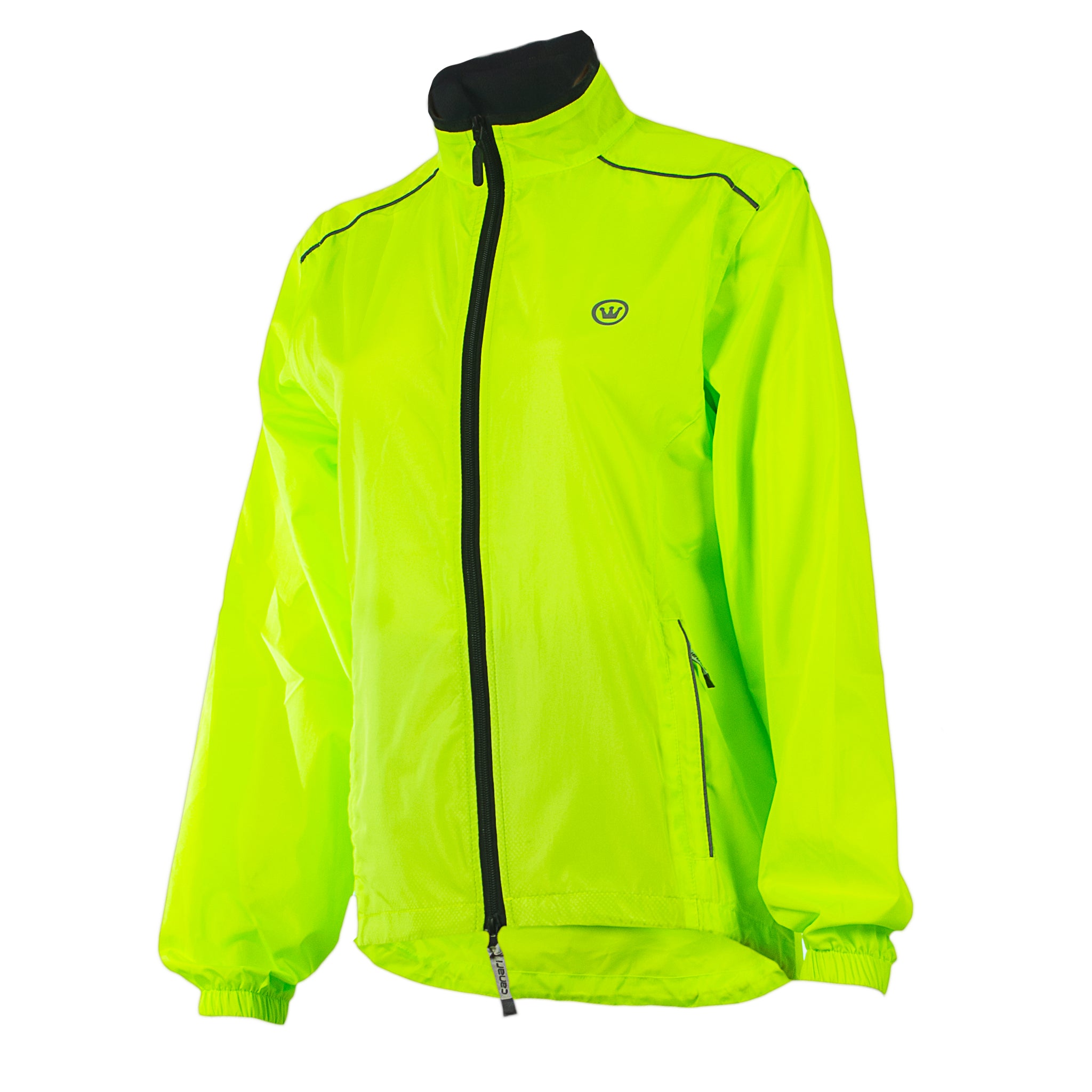
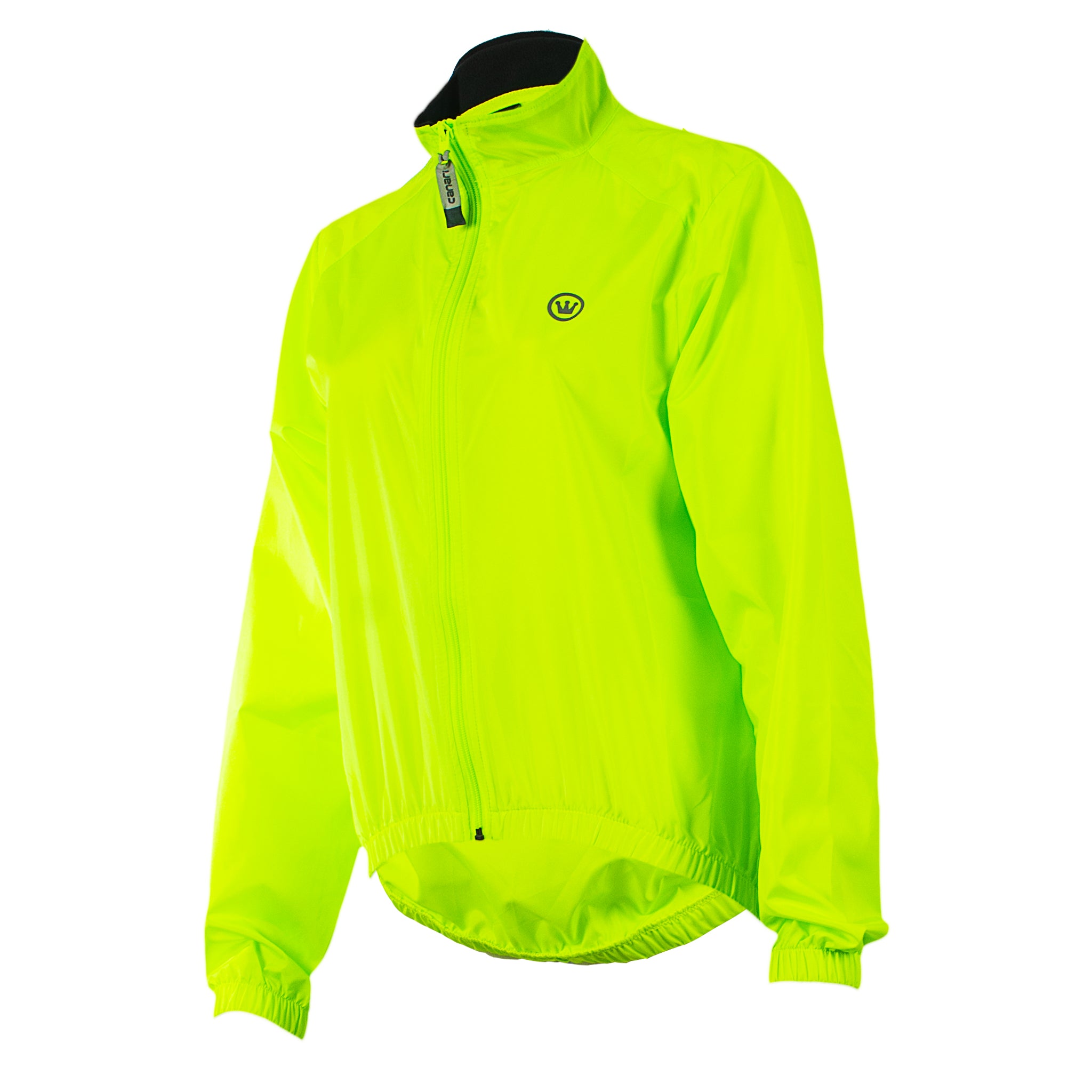
- Outer Layer: Shields you from wind and rain. Look for windproof jackets.
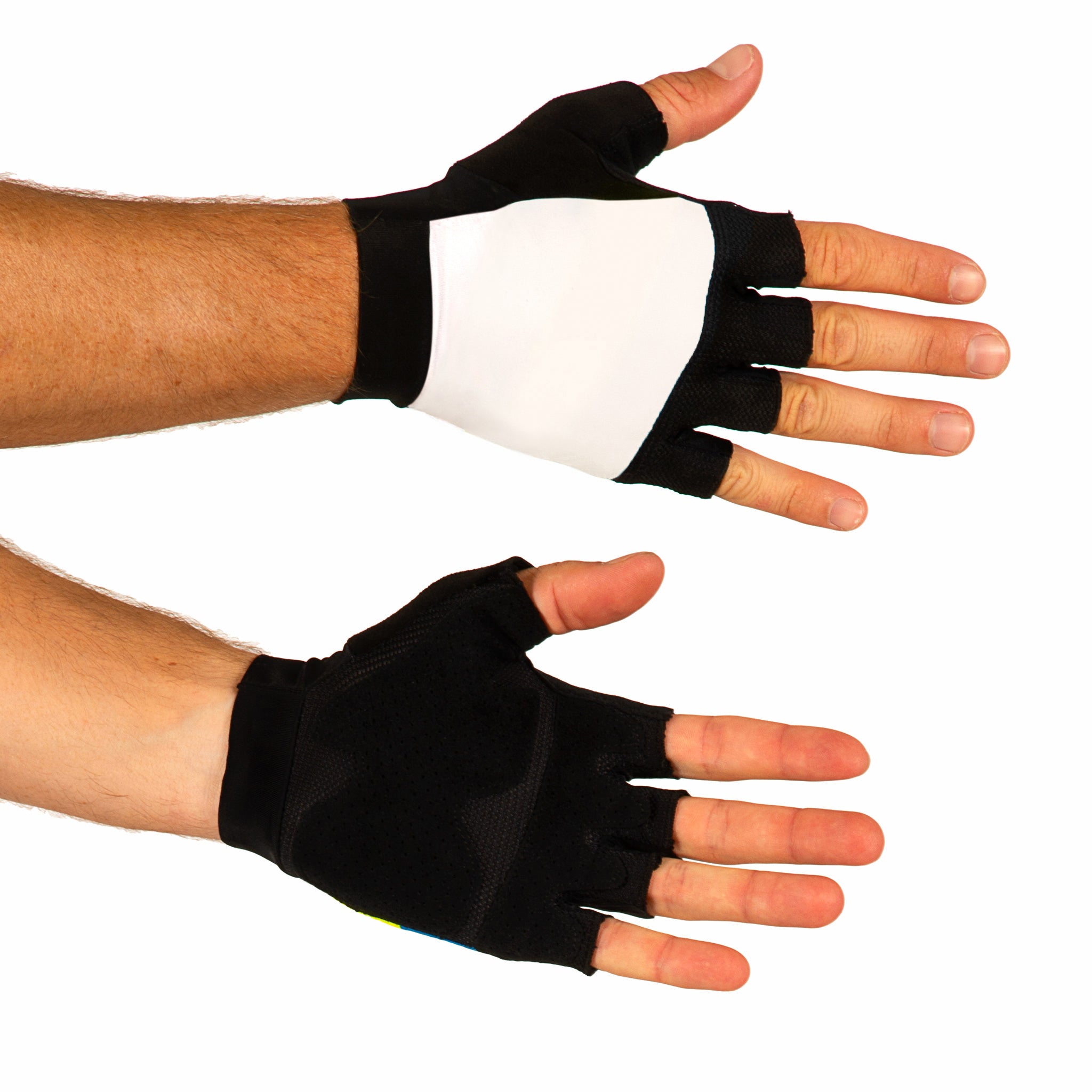
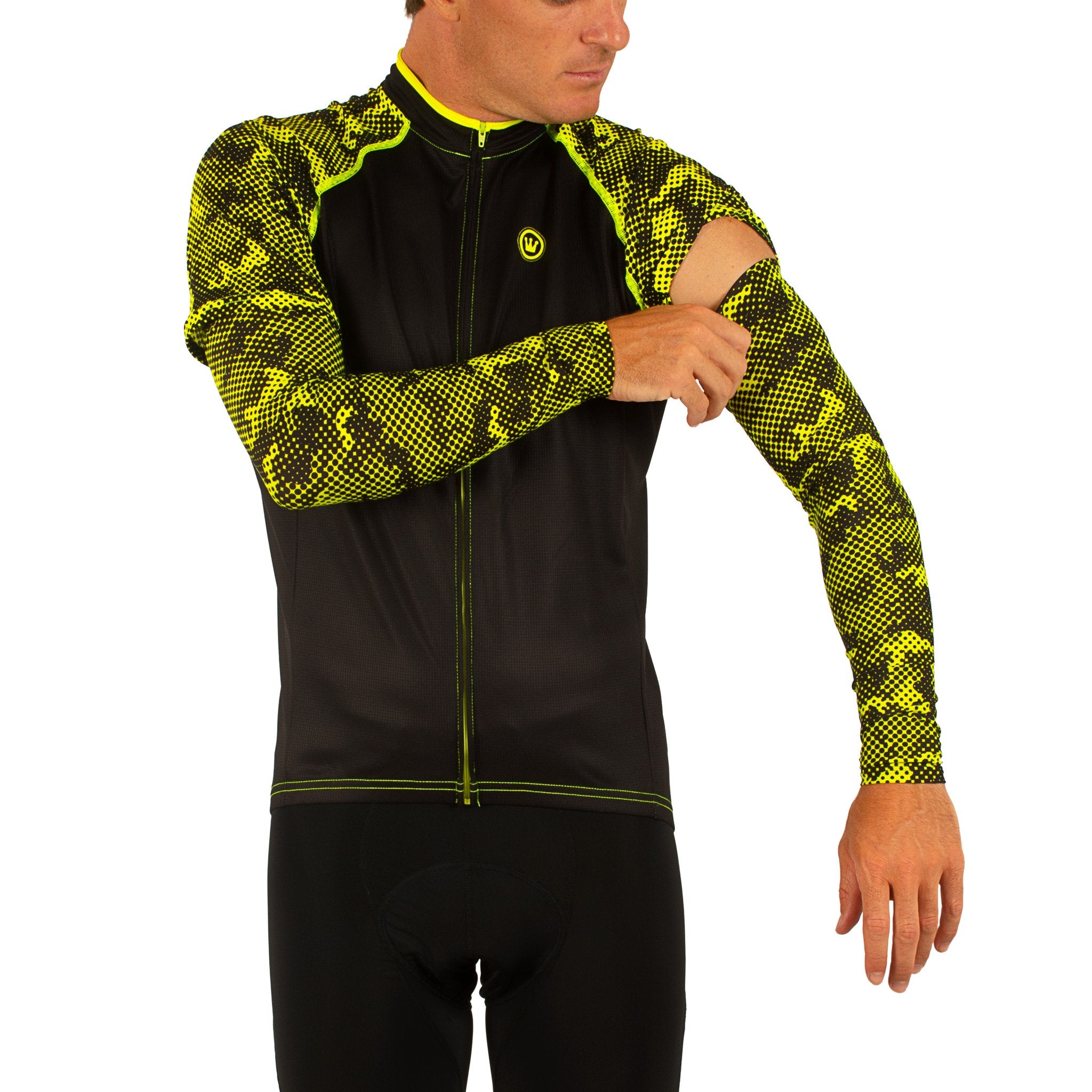
Each layer should fit snugly but allow freedom of movement. Accessories like arm warmers, gloves, and lightweight jackets can be added or removed quickly as conditions change. Proper layering ensures comfort, reduces fatigue, and helps you focus on your ride.
Layering Basics for Cyclists
Layering creates a small, controlled environment around your body, helping you handle moisture, temperature, and weather changes while you ride. Each layer plays a specific role: pulling sweat away from your skin, keeping you warm, or shielding you from wind and rain. When done right, layering ensures you stay dry and comfortable, even as conditions shift.
The 3 Main Layers
A good layering system includes three essential parts:
- Base Layer: This is the layer closest to your skin. Its job is to wick sweat away, keeping you dry and preventing that clammy feeling during or after a ride.
- Mid-Layer: Acting as insulation, this layer traps warm air close to your body while still allowing moisture to escape.
- Outer Layer: This layer protects you from wind and rain while remaining breathable enough to let moisture out.
When combined, these layers work together to manage sweat, maintain warmth, and shield you from the elements. The key to success is finding the right fit - each layer should be snug enough to do its job effectively without limiting your movement or cutting off circulation.
This system also allows you to adjust easily when weather conditions change, ensuring you stay comfortable throughout your ride.
Why Layering Works for Changing Weather
Layering is the ultimate tool for dealing with unpredictable weather. If you start feeling cold, you can add an insulating layer. If the sun comes out or you heat up during a climb, you can shed your outer layer and stash it until you need it again.
Weather can shift quickly, especially in open areas or mountainous regions. Strong winds or sudden temperature drops can catch you off guard, but adjusting your layers helps keep your body temperature steady and prevents unnecessary energy loss. Breathable fabrics in each layer also let moisture escape, so you stay dry and comfortable, even during intense efforts.
Layer Types and Best Materials
Choosing the right fabric for each layer of your cycling gear is crucial when dealing with unpredictable road conditions. Each layer has a specific role, and selecting the right materials ensures you stay comfortable as the weather changes.
Base Layer: Moisture-Wicking Fabrics
The base layer sits directly against your skin, so it needs to manage moisture efficiently. Synthetic fibers like polyester are excellent at pulling sweat away from your body and allowing it to evaporate quickly. These fabrics keep you feeling dry during intense rides and are durable enough to handle frequent washing.
Merino wool is another great option. It not only wicks moisture but also retains a small amount, creating a cooling effect in warm weather. Plus, it has natural odor resistance, making it perfect for longer rides or multi-day trips where laundry isn’t an option. For the best performance, ensure your base layer fits snugly - this allows the fabric to stay in contact with your skin and wick moisture effectively without restricting movement or circulation.
Midlayer: Insulating Garments
The midlayer is all about keeping you warm while still allowing your body to breathe. Cycling-specific thermal fabrics strike a balance between insulation and moisture transfer. Fleece is a reliable choice, offering warmth and breathability. Merino wool also shines here, combining its natural breathability with excellent insulation. Even when wet, it retains warmth, which is invaluable in unpredictable weather.
Synthetic materials like Polartec provide consistent insulation and dry quickly. They’re also lightweight and packable, making them convenient for rides where space is limited. For high-intensity efforts, consider thinner or more breathable midlayers to avoid overheating.
Outer Layer: Protective Shells
The outer layer protects you from wind, rain, and sudden weather shifts. GORE-TEX is a standout material, offering top-notch windproof and waterproof properties while remaining breathable. If rain isn’t a concern but wind chill is, a windproof jacket may be a better option. These often provide greater breathability than fully waterproof jackets, which can be crucial during intense rides in dry yet windy conditions.
For wet weather, a waterproof jacket is essential, though it might compromise some breathability for complete protection. Softshell materials offer a versatile option, providing wind resistance and light rain protection while maintaining excellent breathability. They’re ideal for variable conditions where heavy rain isn’t expected but wind and light precipitation are factors.
| Layer | Function | Best Materials |
|---|---|---|
| Base Layer | Moisture management, skin protection | Merino wool, polyester, merino/polyester blends |
| Mid-Layer | Insulation, warmth | Fleece, synthetic insulation, Polartec |
| Outer Layer | Wind and water protection | GORE-TEX, windproof fabrics, softshell materials |
Each layer should work together to keep moisture moving away from your body. When the system is well-coordinated, you’ll remain comfortable no matter how the conditions change during your ride.
sbb-itb-1992862
How to Layer for Changing Weather
Step-by-Step Dressing Guide
To tackle unpredictable weather, layering is your best friend. Start with the base layer, which should fit snugly and wick moisture away from your skin. Materials like merino wool or synthetic blends are ideal for keeping sweat at bay and maintaining comfort.
Next, add the mid-layer for warmth. This could be a thermal top, long-sleeve jersey, or a lightweight vest. Look for breathable fabrics like polyester or merino wool that trap heat while allowing moisture to escape.
Finally, top it off with an outer layer to shield against wind and rain. A windproof jacket works well for breezy days, while a waterproof shell is essential when rain is in the forecast. Keep in mind that waterproof jackets may compromise breathability during high-intensity activities.
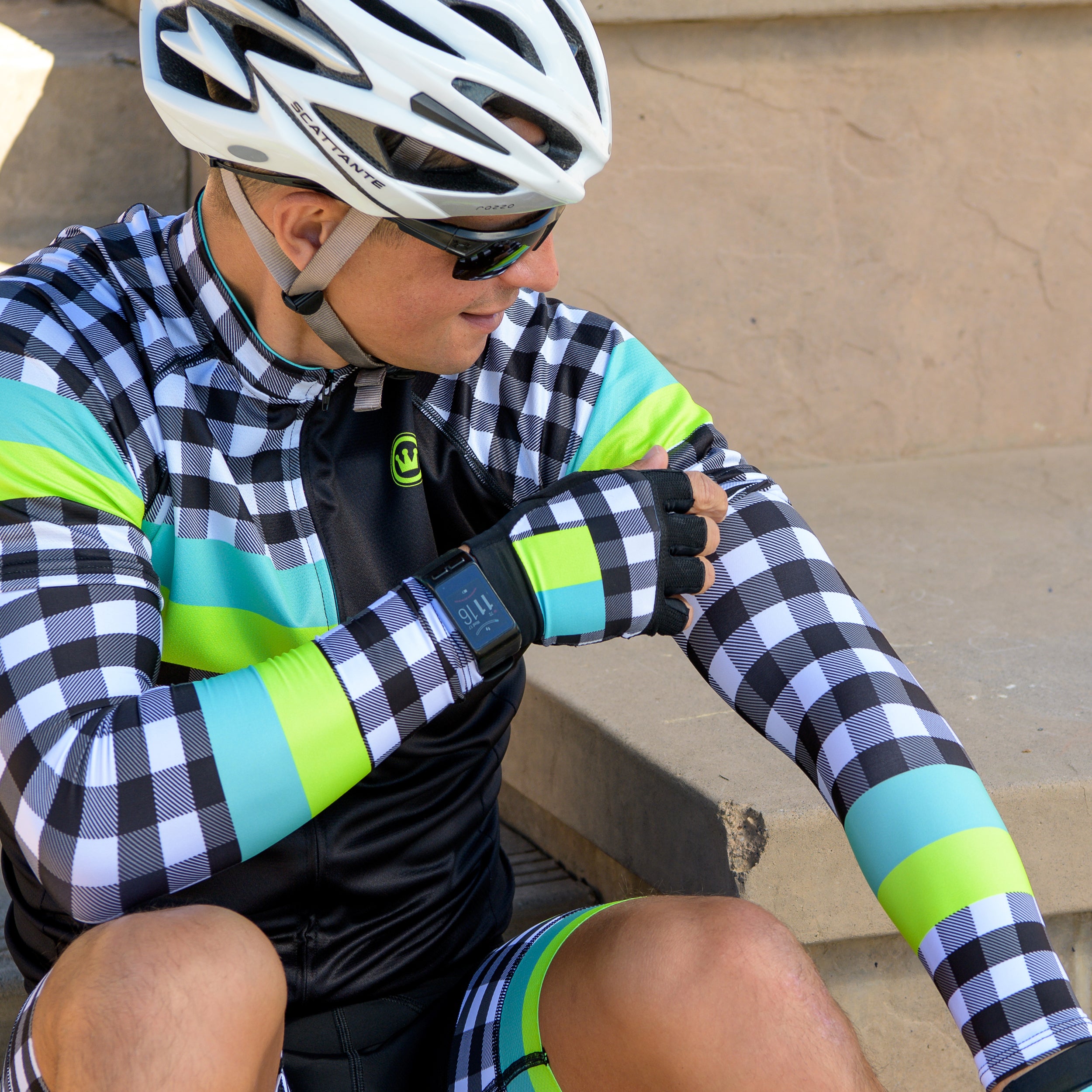
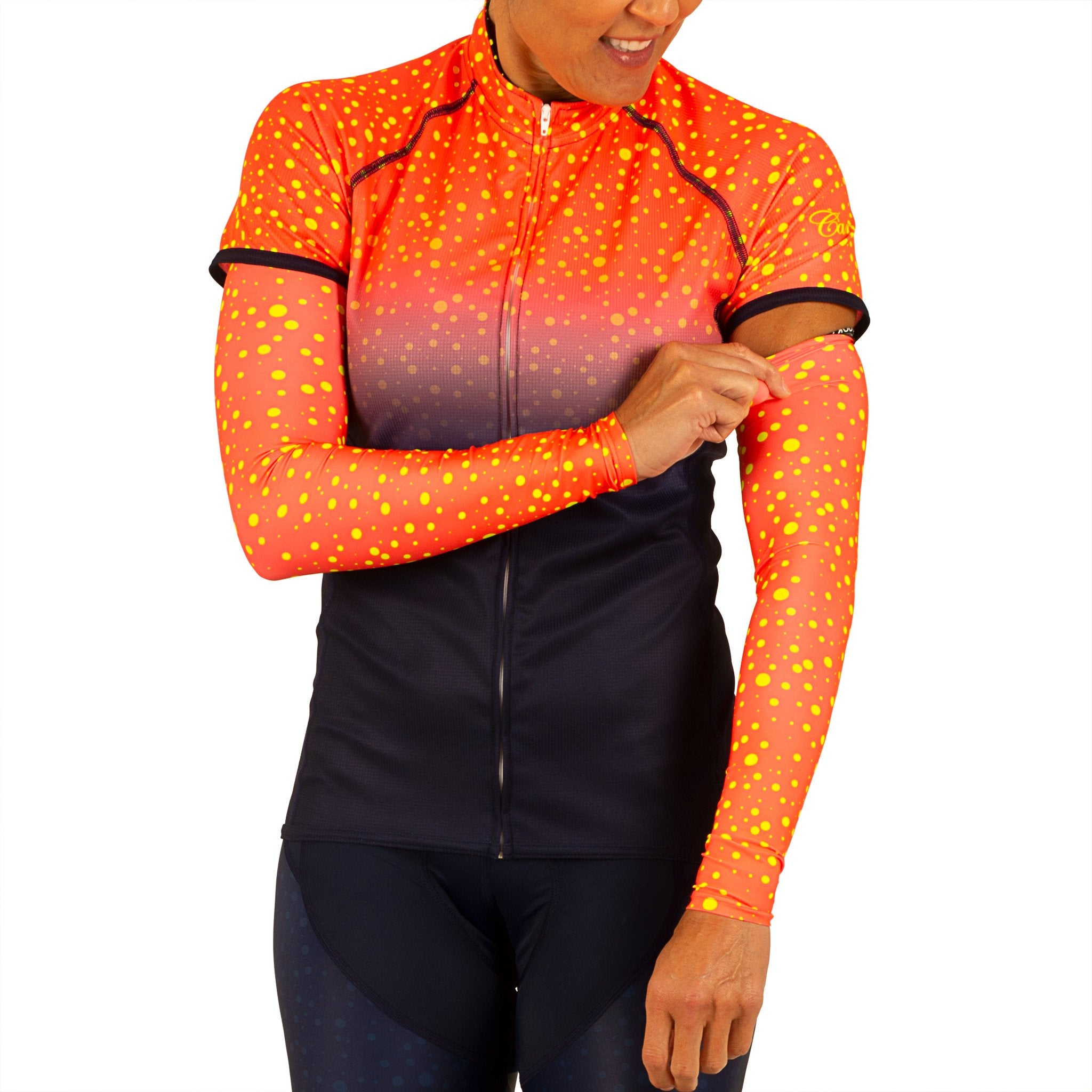
Accessories like arm and leg warmers, lightweight gloves, and neck gaiters are excellent for quick adjustments. These small items can easily fit into jersey pockets and provide added comfort as conditions change. A lightweight gilet with a windproof front and mesh back is another versatile option for variable weather.
For longer rides, plan for temperature swings by carrying removable layers. Mornings might start cool, but afternoons can warm up - or turn stormy. Pack pieces that are easy to shed and store in your pockets or bike bag as the day progresses.
Layering Examples for Different Weather
Now that you know the basics, here are some practical setups for various weather conditions to help you fine-tune your layering strategy.
Cool Morning, Warm Afternoon (Starting at 45°F, ending at 70°F):
Start with a moisture-wicking base layer, add arm and leg warmers, and wear a lightweight long-sleeve jersey. Bring a thin vest that you can remove as temperatures rise. This setup lets you adapt throughout the day without overheating.
Mild but Windy Conditions (60°F with 15+ mph winds):
Wind chill can make 60°F feel much colder. Wear a base layer, short-sleeve jersey, and a windproof vest or lightweight jacket. This combination provides wind protection without causing you to overheat during climbs.
Unpredictable Spring Weather (50°F with possible showers):
Layer a moisture-wicking base with a thermal long-sleeve top. Carry a lightweight waterproof jacket for sudden rain. Arm warmers can be removed if the sun comes out, giving you flexibility to handle both cool temperatures and unexpected rain.
Hot Start, Cooler Finish (Beginning at 75°F, dropping to 55°F):
Start with minimal layers - a moisture-wicking base and a short-sleeve jersey. Bring arm warmers, leg warmers, and a lightweight jacket. As temperatures drop later in the ride, you can layer up without needing to stop.
| Temperature Range | Base Layer | Mid-Layer | Outer Layer | Accessories |
|---|---|---|---|---|
| 30-45°F | Thermal base | Insulating jersey | Windproof jacket | Gloves, leg warmers, shoe covers |
| 45-60°F | Moisture-wicking base | Long-sleeve jersey | Lightweight vest | Arm warmers, light gloves |
| 60-75°F | Lightweight base | Short-sleeve jersey | Packable windbreaker | Packable arm warmers |
For days when rain is likely, pack a compact waterproof shell. Stick to your usual base and mid-layers, but ensure you have a rain jacket that can be stowed easily. Modern designs are lightweight and take up minimal space while providing full protection when needed.
The best way to master layering is by keeping track of what works for you. Over time, note your preferred combinations for different conditions. This will help you build an intuitive sense of how to dress for any weather.
Selecting Quality Cycling Gear for Layering
Key Features to Look For
When picking cycling gear for layering, aim for a snug fit - not too tight - to ensure effective moisture-wicking and minimize friction. A well-fitted base layer is essential for comfort on the bike.
Breathable fabrics are a must. They help wick away sweat, keeping you dry and preventing chills from sudden temperature changes. Look for materials that excel in moisture management to maintain consistent body temperature during your ride.
Outer layers should be lightweight and easy to pack. Jackets or vests that fold down small enough to fit in a jersey pocket or bike bag are perfect for unpredictable weather.
Durability is another important factor. Gear made from reinforced and fade-resistant materials will last longer, even with regular use. These features ensure your layering system can handle varying road and weather conditions seamlessly.
"Investing in high-quality cycling gear can significantly improve your performance on the bike." - STEEP Cycling
When it comes to fabrics, merino wool stands out for its ability to regulate temperature, wick moisture, and resist odors naturally[14]. On the other hand, synthetic options like polyester are budget-friendly and provide reliable moisture control, though they may develop odors more quickly[14].
These qualities are what set apart the top cycling gear from trusted brands.
Canari Cycling Apparel: Gear Designed for Comfort and Performance

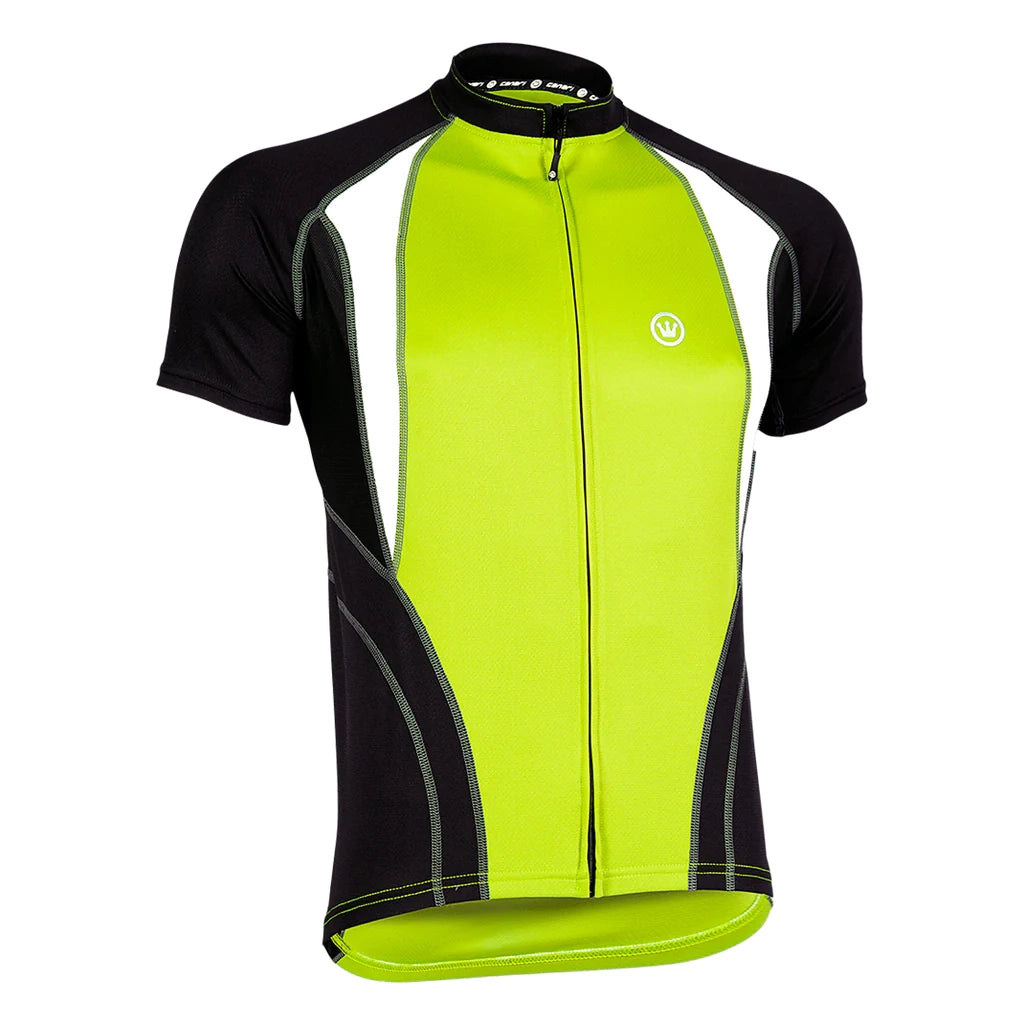
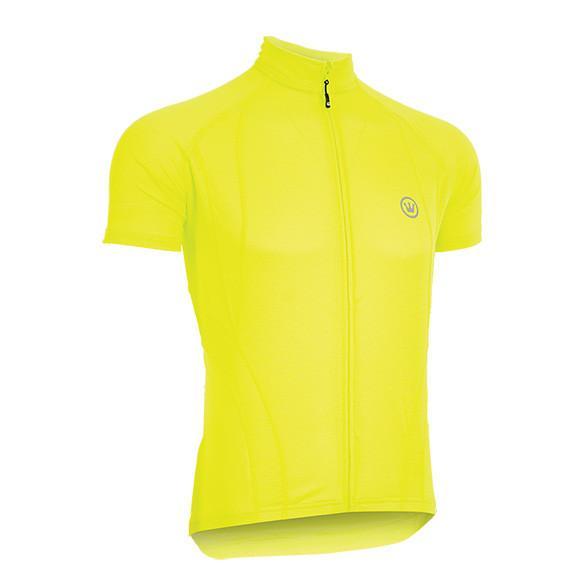
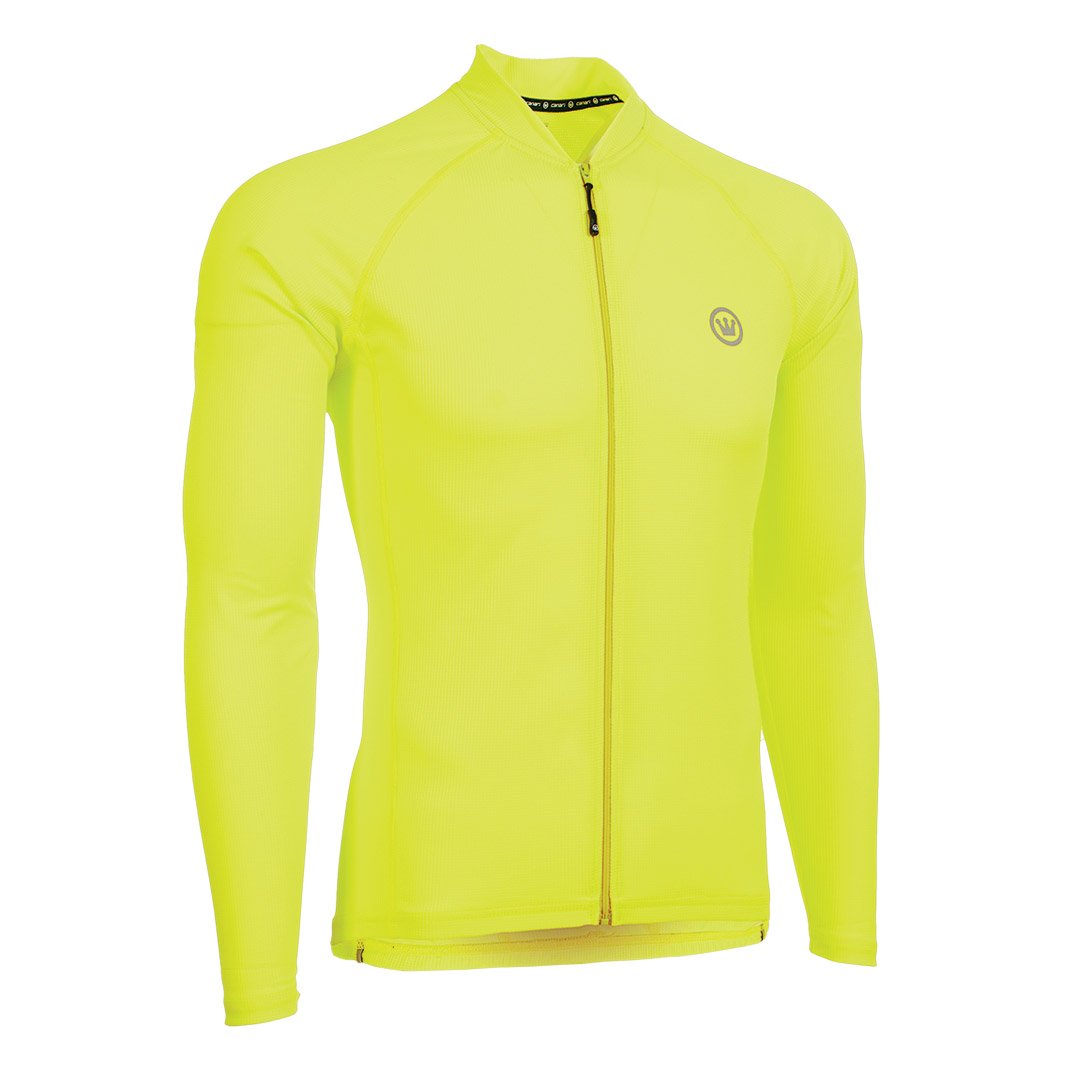
Canari Cycling Apparel specializes in cycling-specific clothing that enhances your layering system. Their products are designed to meet the practical needs of cyclists who face unpredictable weather.
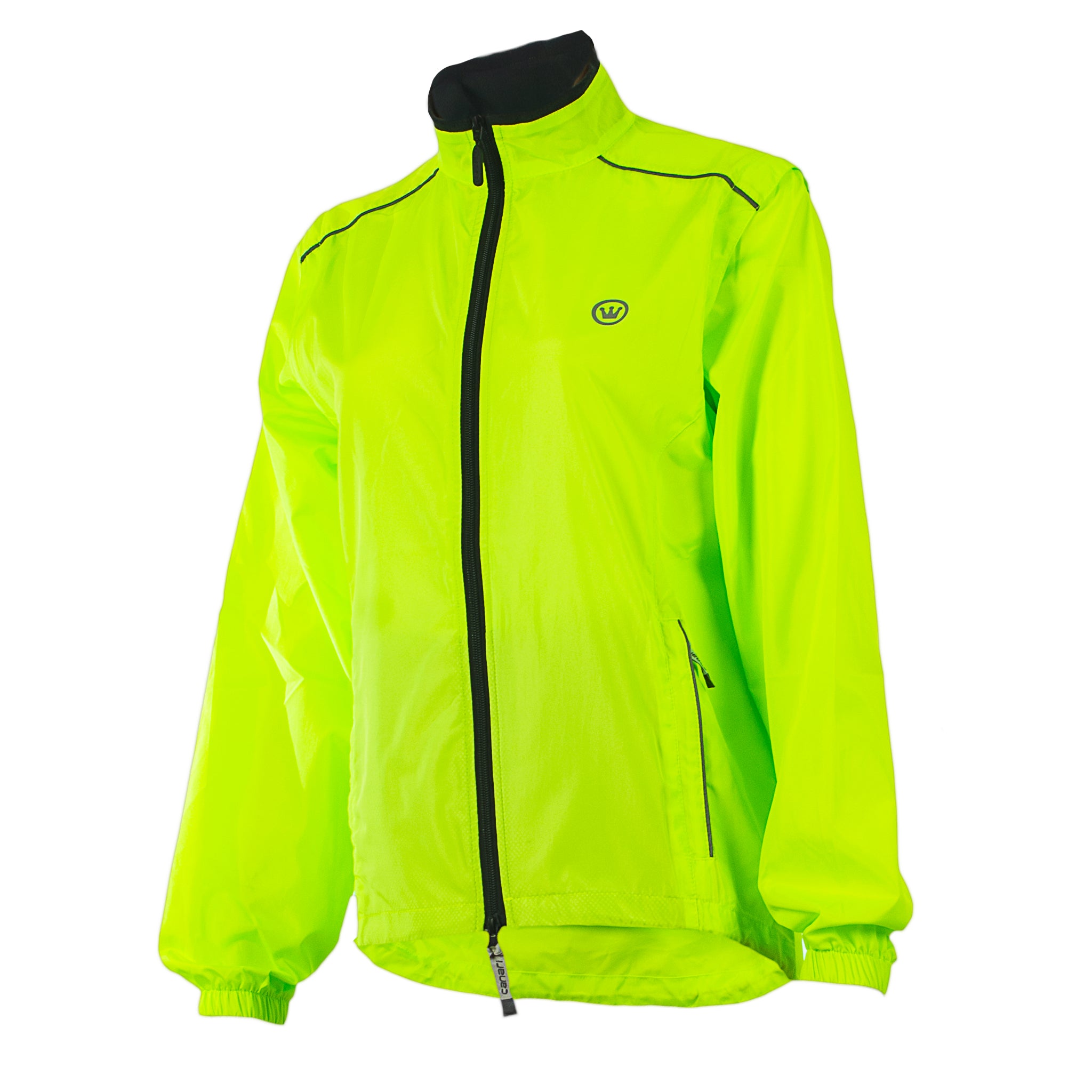
Take the Men's Eclipse Convertible Jacket ($70.00), for example. This lightweight jacket is designed with a longer back for extra coverage while riding and can be converted easily. When the day warms up, it packs down small enough to fit in a jersey pocket, making it a versatile choice for changing conditions.
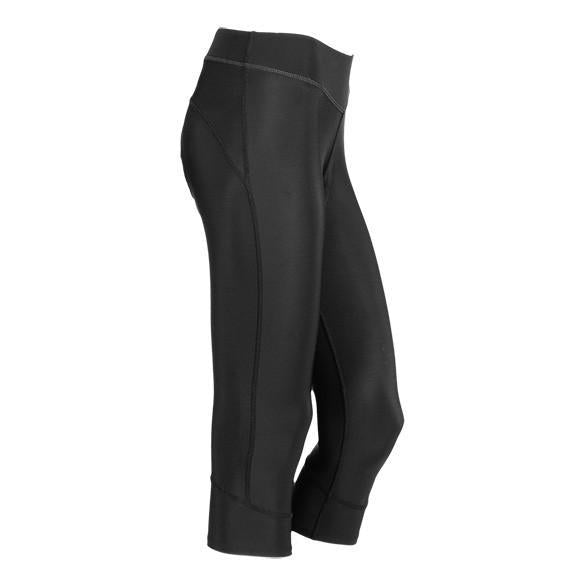
For women, the Women's Jasmine Gel Capri ($60.00) combines technical performance with comfort. Its breathable fabric and gel padding make it perfect for long rides, while its design accommodates layering adjustments as temperatures shift.
Canari pays close attention to cycling-specific fit, ensuring their garments work well together in a layering system. Their thoughtfully designed base layers prevent bunching under outerwear, while their outer layers provide protection without restricting movement.
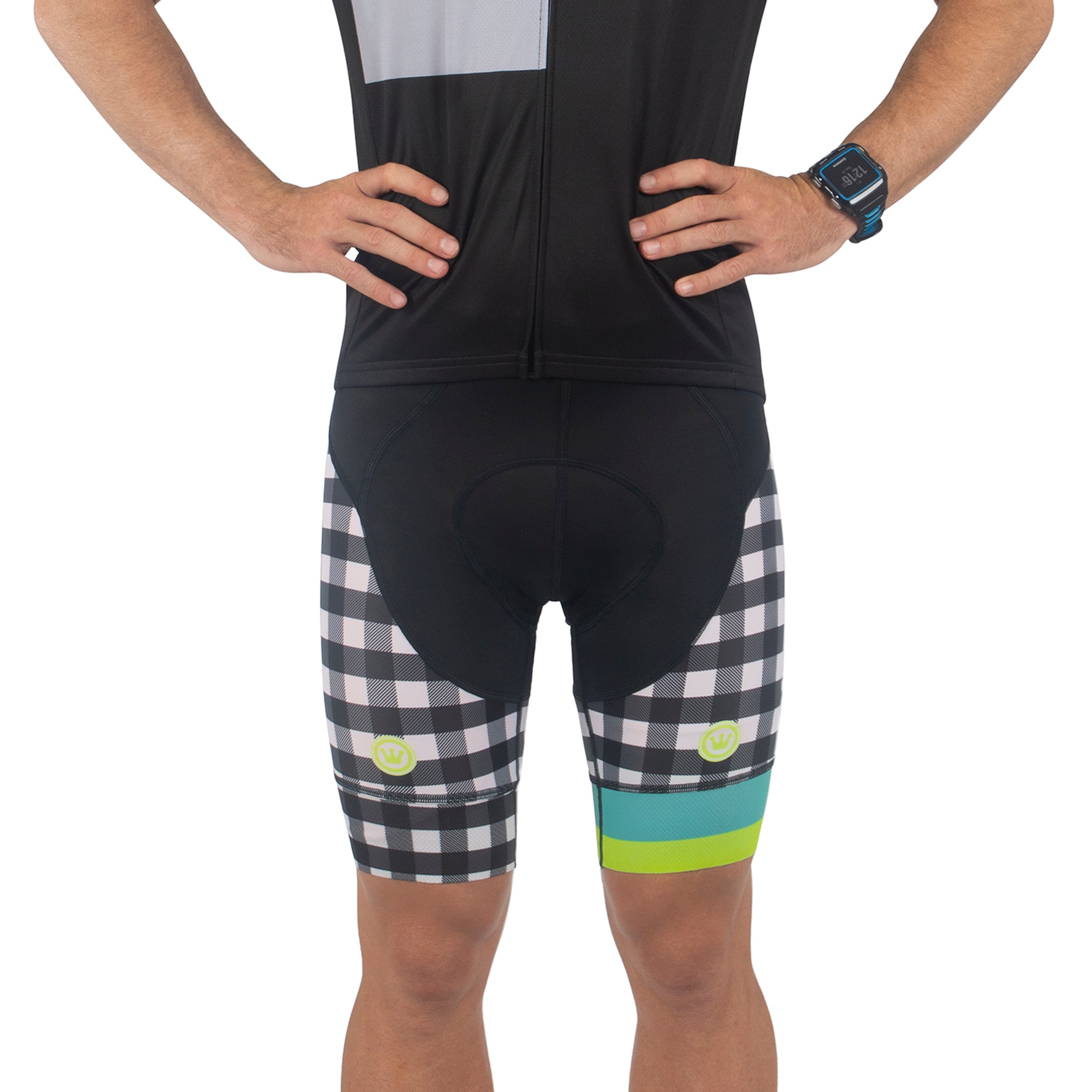
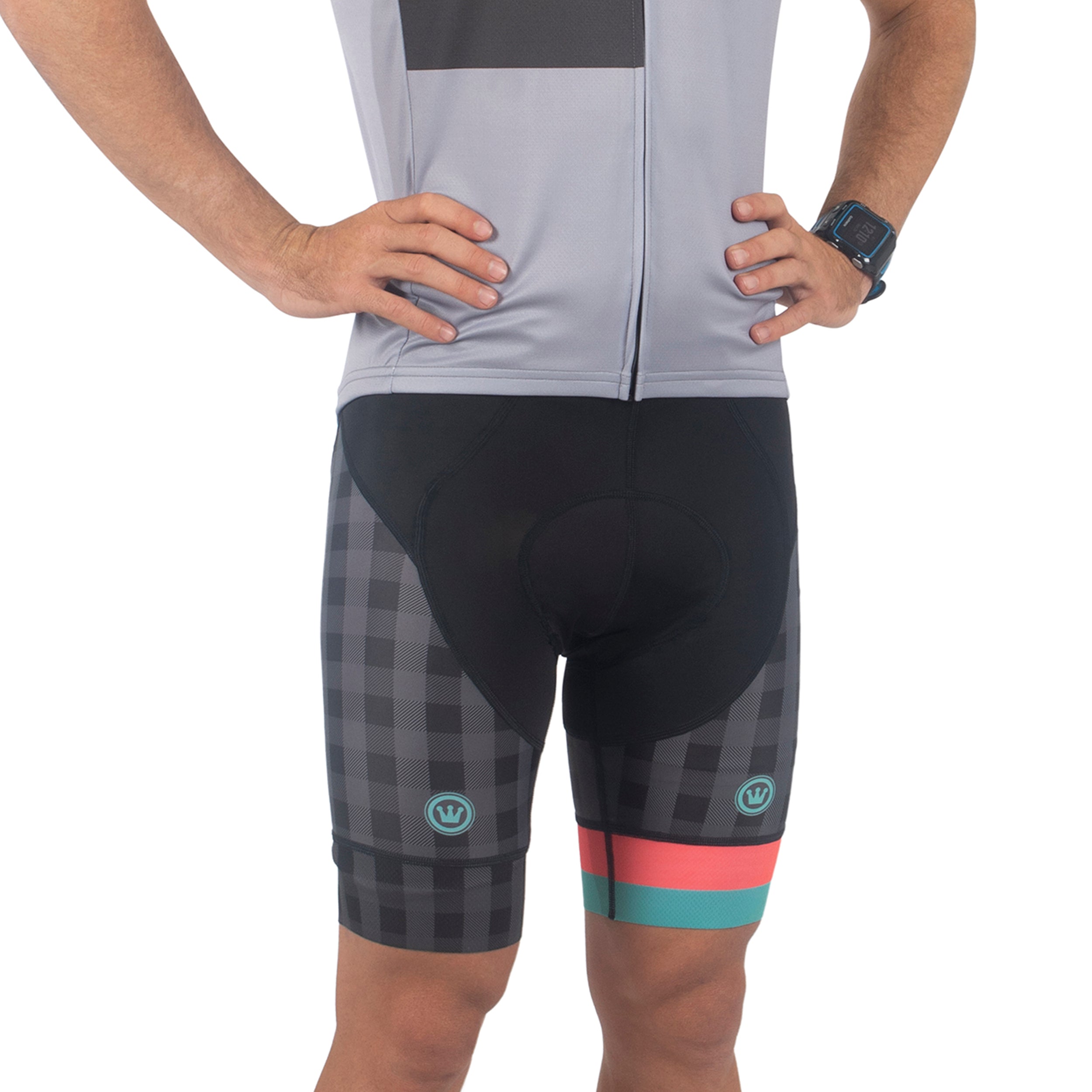
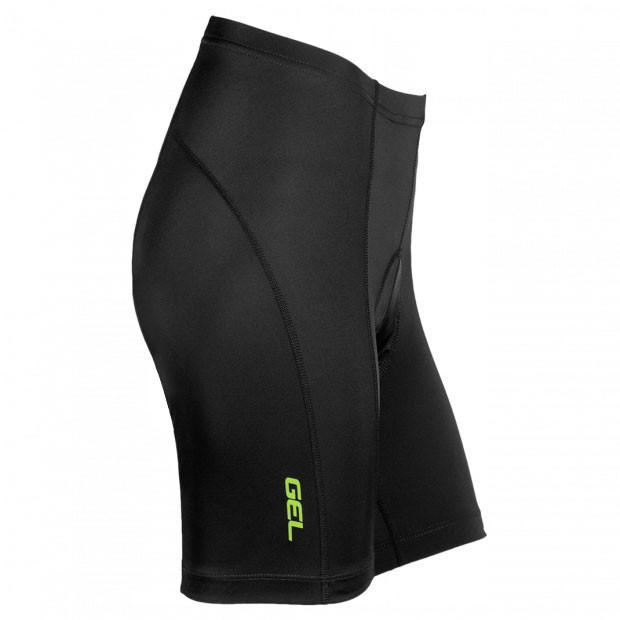
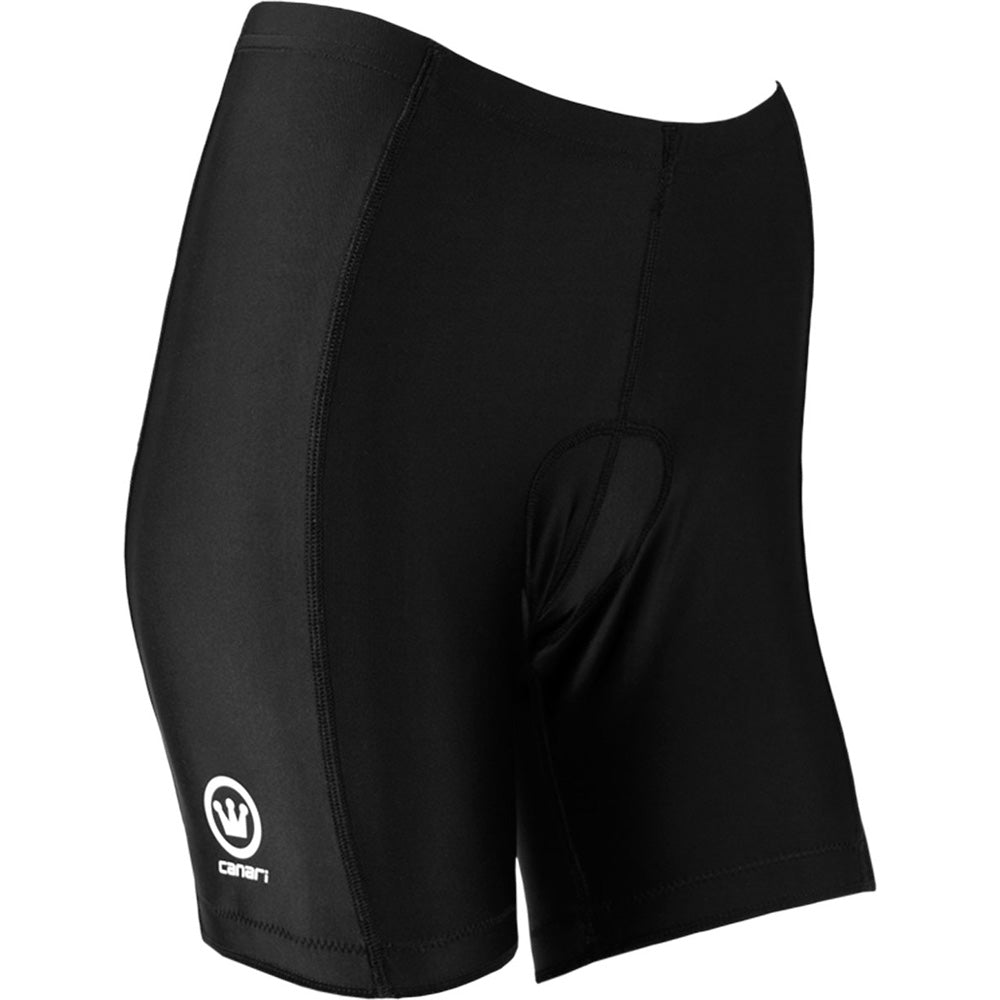
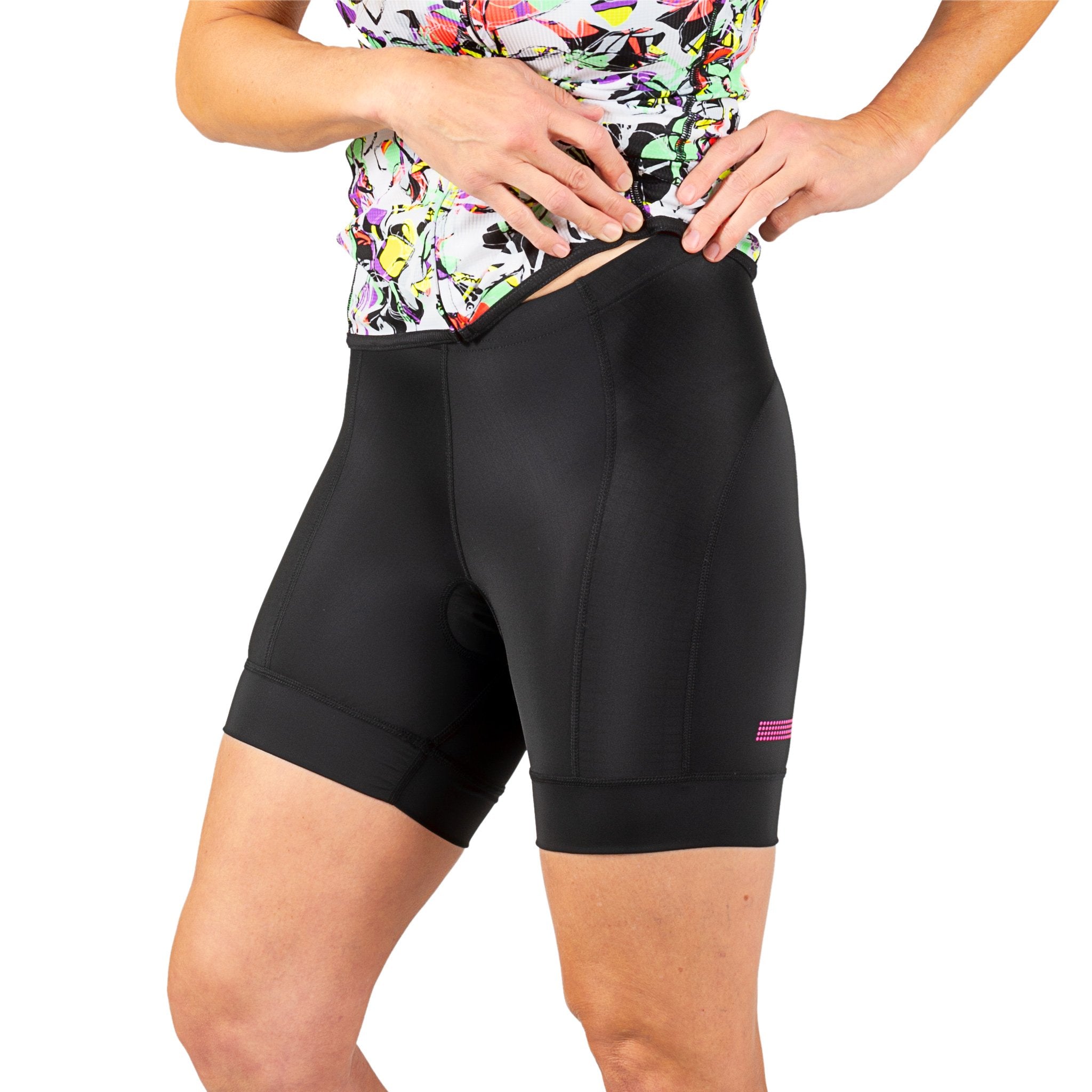
For cyclists assembling a reliable layering wardrobe, Canari offers coordinated pieces that integrate seamlessly. The Men's Velo Gel Short ($50.00) and Women's Pro Gel Short ($50.00) provide essential comfort for long rides, while their outerwear delivers dependable protection from the elements.
Conclusion: Stay Comfortable and Ready on the Road
Layering effectively can transform your cycling experience, especially when you're dealing with unpredictable weather. The three-layer system - a moisture-wicking base layer, an insulating midlayer, and a protective outer shell - offers the flexibility to adapt quickly without sacrificing comfort or performance.
Well-designed cycling apparel plays a big role here. It reduces friction, manages moisture, and provides protection from the elements - all essential for a smooth and enjoyable ride. These features directly contribute to better performance on the road.
Wearing the right gear doesn’t just make you more comfortable; it also boosts confidence and focus. By keeping you protected from discomfort and unstable temperatures, it helps lower the risk of injuries. Plus, reflective materials and bright colors in cycling attire improve visibility, keeping you safer in low-light conditions.
Choosing purpose-built gear, like those from Canari Cycling Apparel, ensures that every layer works together seamlessly. Pieces like the Men's Eclipse Convertible Jacket or the Women's Jasmine Gel Capri are designed specifically for cyclists, delivering the protection and comfort you need. This thoughtful integration of design and function completes a layering strategy that’s ready to handle changing weather conditions.
With the right gear, you’ll stay comfortable and prepared for whatever the road throws your way.
FAQs
What’s the best base layer material for cycling in different weather conditions?
Choosing the right base layer can make all the difference in staying comfortable during your ride, regardless of the weather. For cold weather, merino wool is an excellent option. It naturally insulates, wicks away moisture, and even helps resist odors - perfect for those chilly rides.
On the other hand, warmer conditions call for synthetic fabrics like polyester. These materials excel at wicking moisture, helping to keep you cool and dry when the heat is on.
If you're riding in unpredictable weather, opt for a versatile base layer made from merino wool or moisture-wicking synthetics. Both materials are great at regulating body temperature and managing sweat, so you can stay comfortable no matter how the conditions shift.
For cycling gear that balances comfort and durability in any weather, explore Canari Cycling Apparel’s collection of jerseys, jackets, and cool-weather essentials.
How can I adjust my cycling layers during unpredictable weather?
To stay comfortable during unpredictable weather on a ride, begin with a moisture-wicking base layer. This helps pull sweat away from your skin, keeping you dry. Layer up with insulating pieces, like a thermal jersey or lightweight fleece, to maintain warmth as the temperature shifts. Don’t forget to pack a windproof or waterproof jacket for added protection against wind or rain.
Keep an eye on how your body feels and adjust your layers as needed. If you’re overheating and sweating excessively, shed a layer to avoid getting chilled later. On the flip side, if you’re feeling cold or exposed to wind, add a layer to stay warm and comfortable. Investing in versatile, well-made cycling gear makes these adjustments simple, helping you enjoy your ride no matter what the weather throws at you.
How can I make sure my cycling gear fits well for effective layering?
For the best experience when layering your cycling gear, aim for a snug fit that's comfortable and non-restrictive. A well-fitted outfit ensures freedom of movement, efficient moisture-wicking, and reliable temperature control - key factors for staying comfortable as the weather shifts.
Begin with a base layer that hugs your skin to pull sweat away. Add a mid-layer to provide insulation, and top it off with an outer layer designed to shield you from wind or rain. Each layer should fit smoothly over the one beneath it, avoiding unnecessary bulk so you stay warm, dry, and able to move freely.

