




























Cycling recovery is just as important as the ride itself. After pushing your body, the right tools can help repair muscles, reduce soreness, and prepare you for the next ride. Here's what you need:
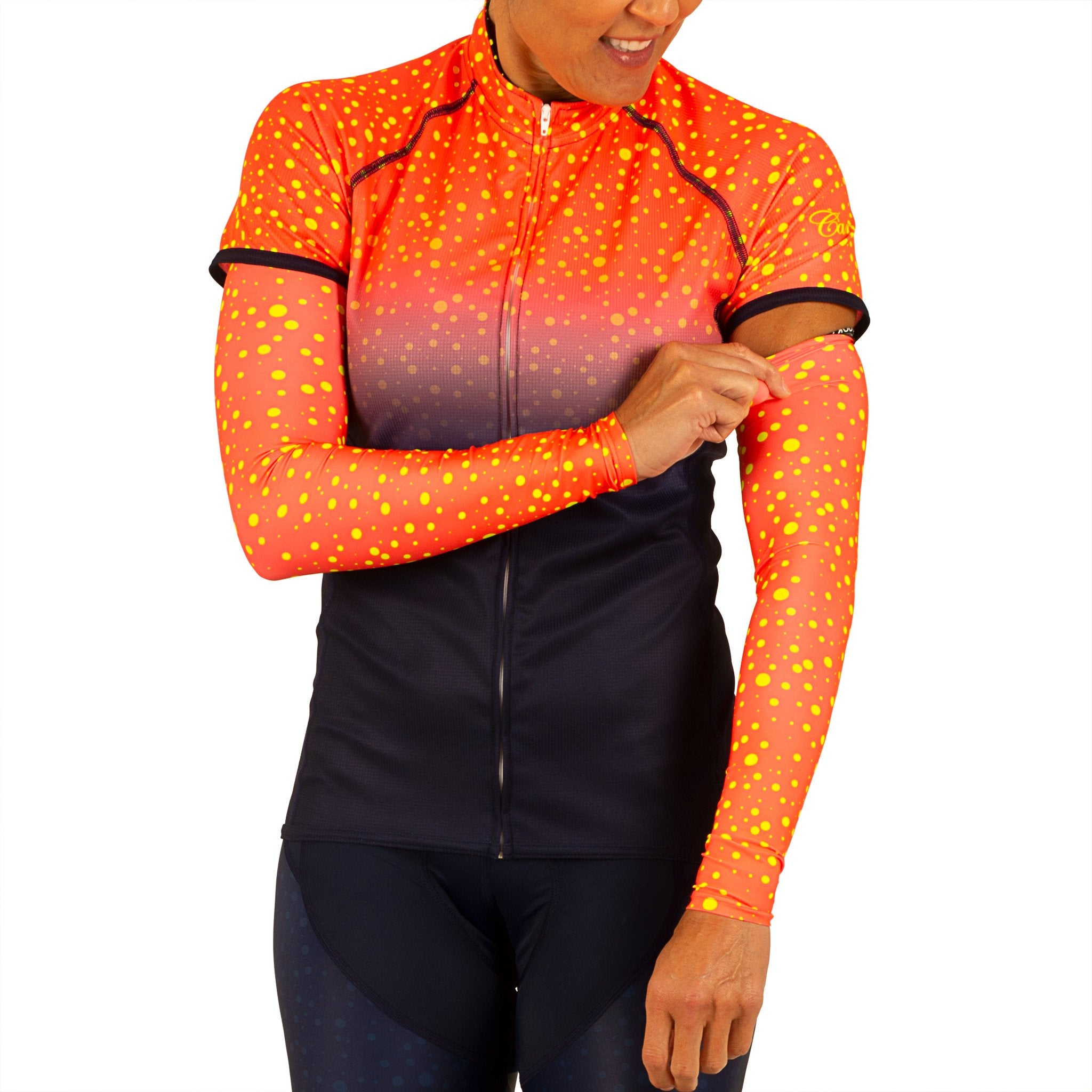
- Compression Wear: Improves blood flow, reduces swelling, and supports muscle recovery. Options like shorts, tights, and socks target key areas.
- Foam Rollers & Massage Tools: Relieve tightness, improve flexibility, and target specific muscles like quads, calves, and IT bands.
- Hydration & Nutrition: Replenish fluids, electrolytes, and nutrients lost during the ride. Combine water or electrolyte drinks with a protein-carb snack.
- Rest & Relaxation: Quality sleep and techniques like stretching or progressive muscle relaxation help your body rebuild and repair.
Key takeaway: Recovery gear and habits are essential to staying strong, avoiding injuries, and improving performance. Start simple - compression wear or a foam roller - and build a routine that fits your needs.
Compression Wear: Improve Blood Flow and Reduce Muscle Soreness
Compression wear is designed to apply controlled pressure to your muscles, helping to speed up recovery by improving blood flow. This increased circulation delivers oxygen and nutrients directly to fatigued muscles while flushing out waste products, such as lactic acid, which can cause cramping and soreness.
After a tough cycling session, your muscles can develop tiny tears that lead to inflammation and delayed onset muscle soreness (DOMS). Compression garments help by reducing swelling and limiting fluid buildup in the muscle compartments. Studies suggest that wearing compression gear can ease muscle soreness in as little as 60 minutes post-exercise, with benefits lasting up to 96 hours. Let’s dive into the types of compression gear specifically designed for cyclists.
Types of Compression Gear for Cyclists
Different types of compression gear are tailored to support specific muscle groups, ensuring better recovery and performance.
- Compression shorts and tights: These are ideal for targeting your quadriceps, hamstrings, and glutes - key muscle groups for cycling. They provide graduated compression, which is tighter at the extremities and gradually loosens toward the core. This design promotes efficient blood flow, stabilizes muscles, and reduces vibrations that can lead to fatigue during and after rides.
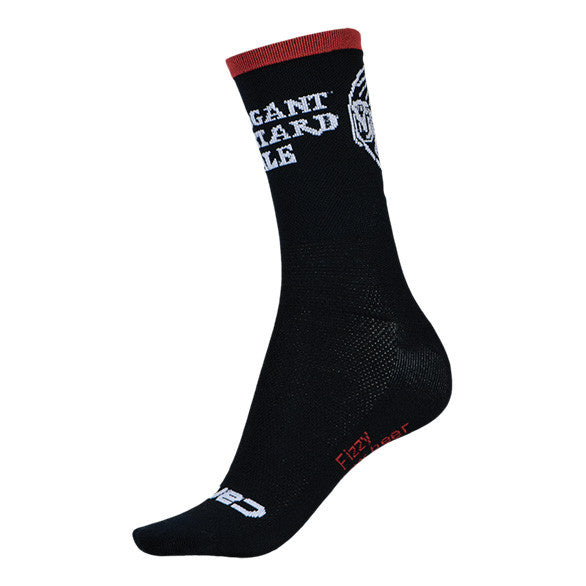
- Compression socks: Often overlooked, these focus on your calves and feet, which play a crucial role in cycling. Your calves act like a secondary pump, aiding blood circulation back to your heart. Compression socks enhance this natural function, reducing swelling and preventing blood from pooling in your lower extremities.
- Full-length compression tights: These offer all-around support for cyclists who need comprehensive recovery assistance. They’re particularly useful after long or intense rides, providing consistent pressure from your ankles to your waist to maximize circulation and aid recovery.
Canari Cycling Apparel's Compression Gear

Canari offers compression gear that blends function with comfort to support cyclists during and after their rides.
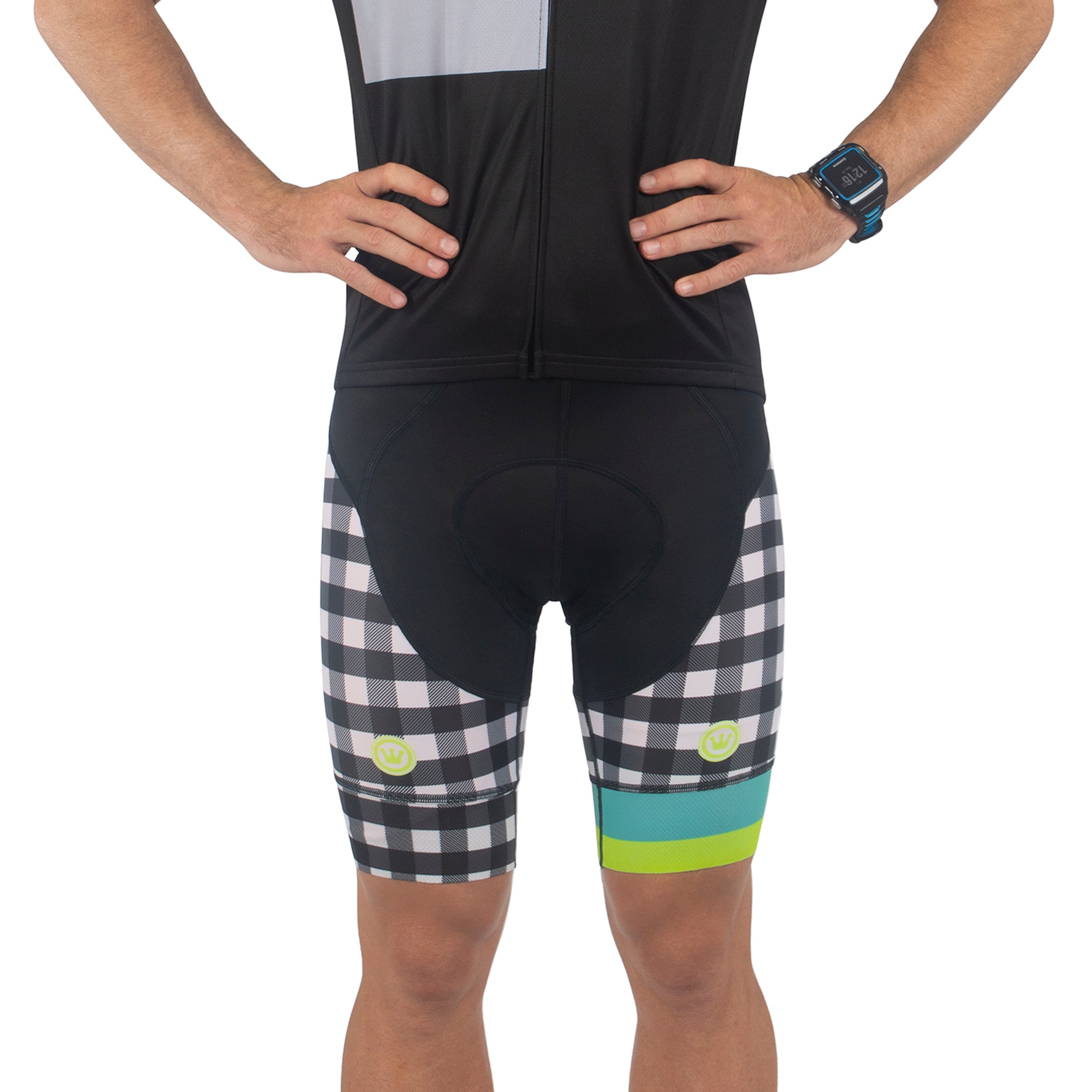
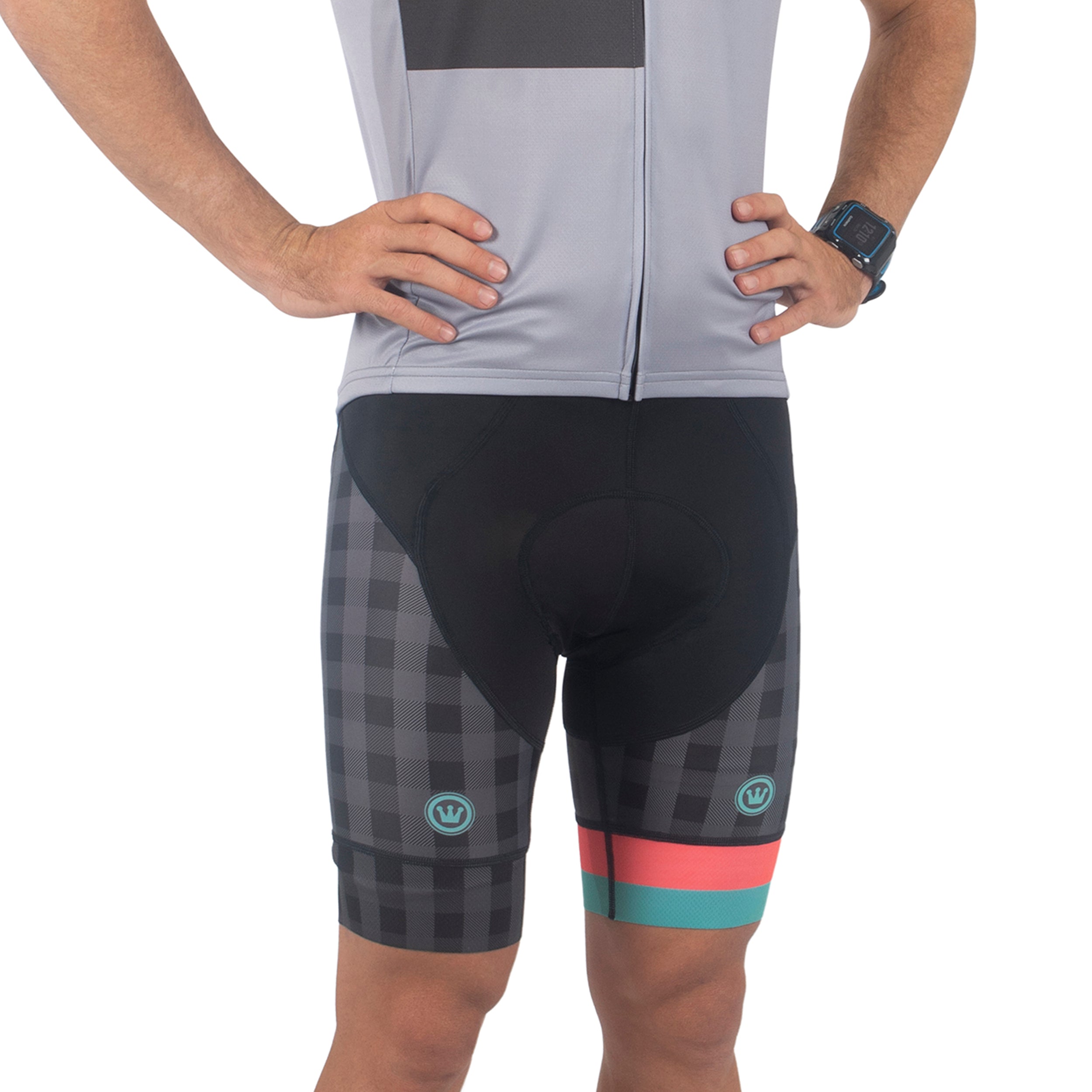
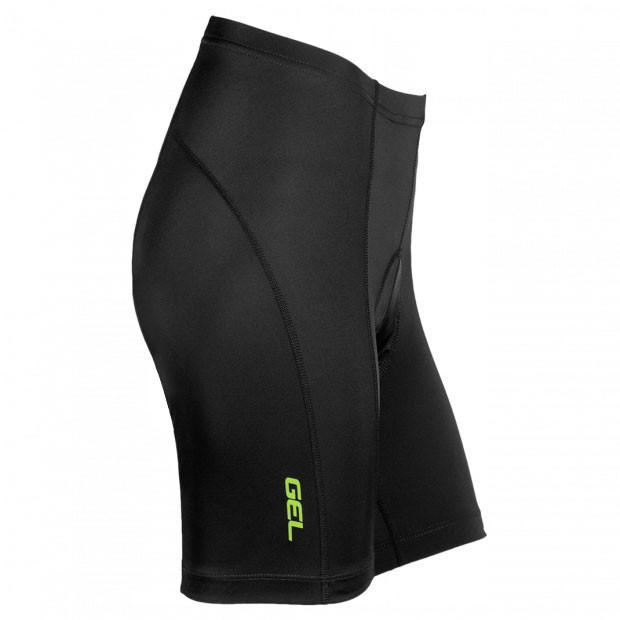
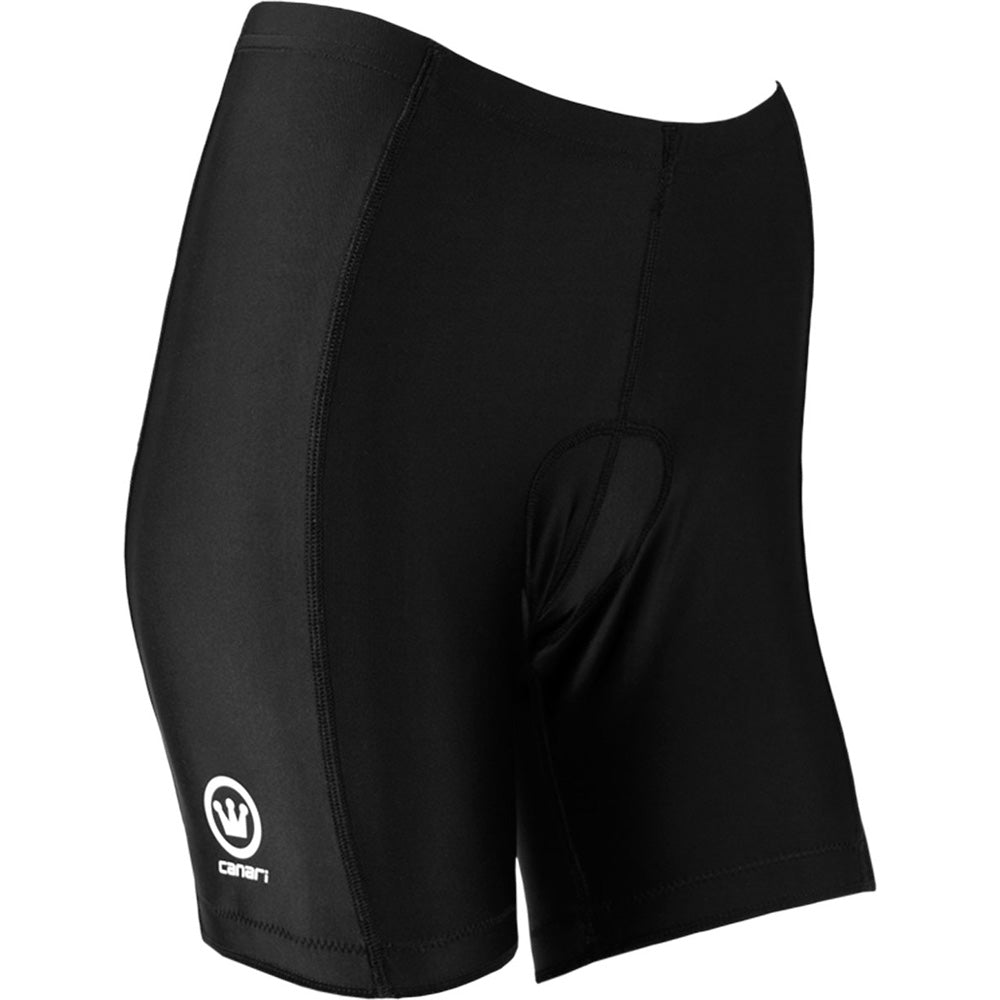
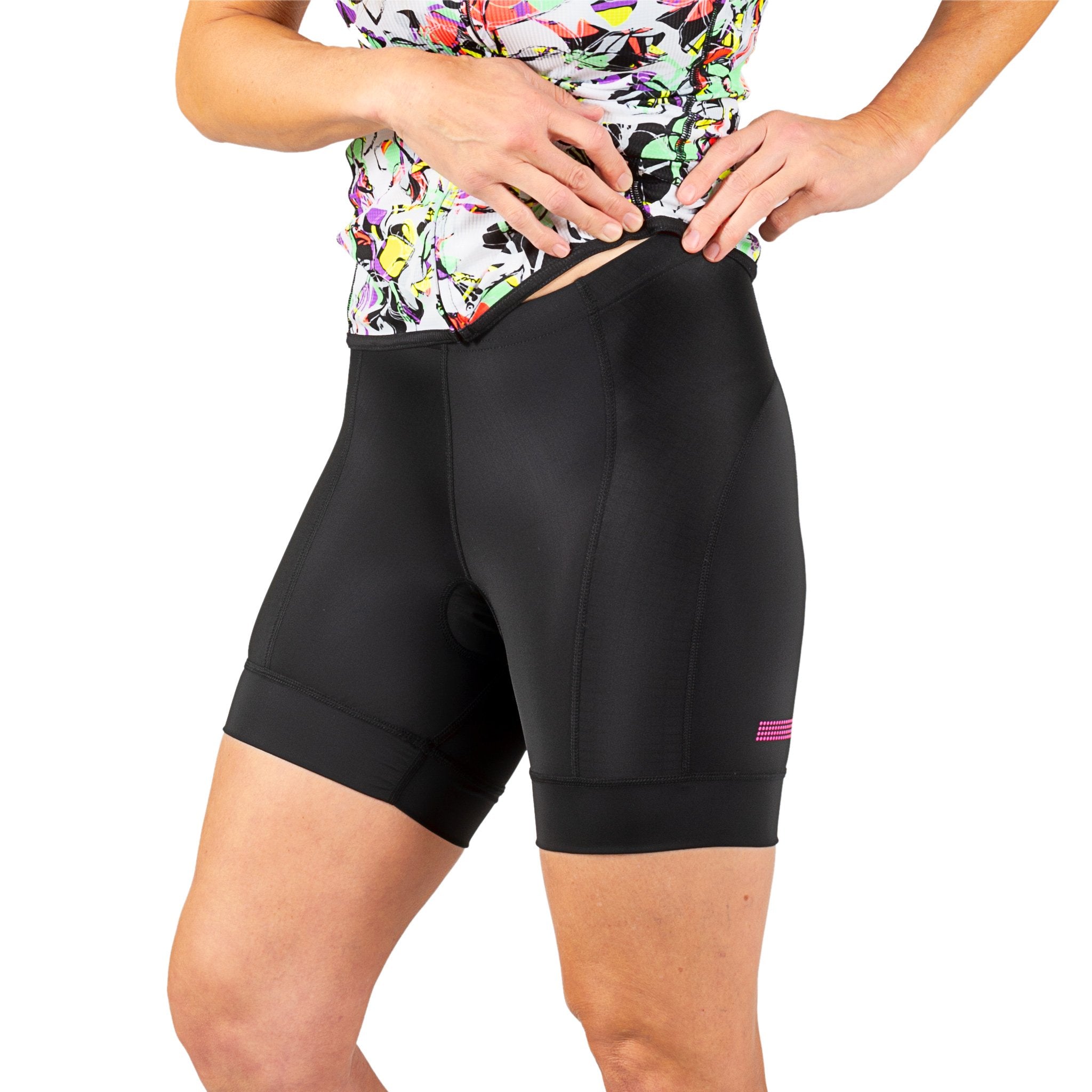
- Men's Arrow II Short ($45.00): This option provides targeted compression to improve blood flow while maintaining freedom of movement. The shorts feature moisture-wicking fabric to keep you dry and comfortable, and the graduated pressure helps reduce muscle fatigue and soreness. Plus, the supportive pad adds extra comfort, making it a great choice for transitioning from cycling to recovery.
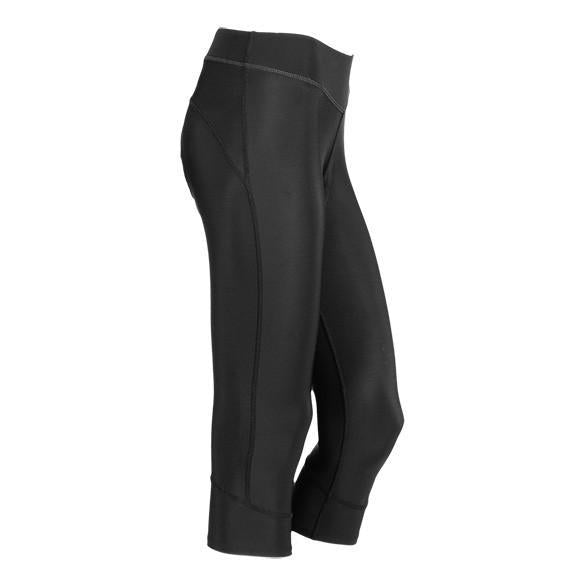
- Women's Jasmine Gel Capri ($60.00): Designed for women cyclists, this capri combines a stylish look with effective compression. It applies consistent pressure to the quadriceps and hamstrings, and the gel padding adds comfort for longer wear. The capri length ensures coverage for major leg muscles while allowing easy movement around the knees and calves.
Both pieces showcase Canari’s commitment to fit and fabric technology, ensuring that the compression remains effective even during extended wear. The moisture-wicking materials also prevent discomfort from sweat, making these garments practical for post-ride recovery.
How to Use Compression Gear for Recovery
To get the most out of your compression gear, put it on within 15–30 minutes after your ride, while your muscles are still warm and your circulation is elevated. Many cyclists find it beneficial to wear compression gear for several hours - or even overnight - to maintain improved blood flow during recovery. Sleeping in compression shorts or tights can enhance recovery by supporting circulation during your body’s natural repair processes.
A 2015 study of 24 Olympic athletes found that 15 minutes of compression therapy after morning training reduced pain sensitivity for the rest of the day. While this study focused on pneumatic compression, the principles also apply to compression garments.
Fit matters. Compression gear should feel snug but not overly tight. If you notice tingling, numbness, or deep seam impressions on your skin, the fit may be too tight. The goal is a firm but comfortable pressure.
For extended wear, you can layer compression gear under loose-fitting clothing. This keeps you comfortable while maintaining the benefits of compression during post-ride activities like stretching, eating, or relaxing with fellow cyclists.
Foam Rollers and Massage Tools: Target Muscle Relief
Foam rollers and massage tools are excellent for easing muscle tension and improving recovery after cycling. By applying pressure, these tools help break up adhesions and release trigger points caused by repetitive pedaling. This technique, known as self-myofascial release, boosts blood flow, reduces tightness, and enhances flexibility. The pressure also helps realign muscle fibers and fascia, the connective tissue that can stiffen after long rides.
Using a foam roller is like giving yourself a deep tissue massage. As you roll over tight areas, you stimulate mechanoreceptors in your muscles, which can help reduce pain and encourage relaxation. Below, we’ll explore some proven foam rolling techniques to help cyclists target key muscle groups for better recovery.
Foam Rolling Techniques for Cyclists
Focusing on the muscles most affected by cycling ensures your recovery is effective and efficient.
- Quadriceps: Start with your quads, the primary power source during cycling. Place the foam roller under your thighs and support your upper body with your forearms. Slowly roll from just above your knees to your hip flexors. Spend extra time on any tender spots, applying steady pressure for 30-60 seconds. Avoid rolling directly over your kneecaps.
- Hamstrings: Sit on the ground with the roller under your thighs, using your hands behind you for support. Roll from just above your knees to your glutes, paying attention to both the outer and inner hamstrings. These areas often need extra care.
- Calves: Since your calves work hard during pedaling, they deserve special attention. Place the roller under one calf and cross the other leg over for added pressure. Roll from your Achilles tendon to just below your knee, focusing on both the gastrocnemius and soleus muscles. Don’t forget the sides of your calves, as they often hide trigger points.
- IT Band: The iliotibial band along the outer thigh can become very tight from cycling. Lie on your side with the roller under your outer thigh. Start with light pressure, as this area can be sensitive, and gradually increase as your muscles adjust. Roll from your hip to just above your knee, avoiding direct pressure on your hip bone.
- Lower Back and Glutes: For your lower back, place the roller underneath and gently roll side to side, supporting yourself with your feet. To target your glutes, sit on the roller and lean to one side, rolling across the entire muscle. These areas often tighten from maintaining cycling posture during long rides.
Portable Massage Tools for On-the-Go Recovery
When you can’t carry a full-size foam roller, portable massage tools are a convenient alternative for muscle relief.
- Massage Sticks: These handheld tools, typically 18-24 inches long, feature rolling spheres or ridges for precise pressure. They’re great for targeting calves, shins, and forearms and are compact enough to fit in your gear bag for post-ride recovery.
- Massage Balls: Perfect for pinpointing trigger points and hard-to-reach areas. A simple lacrosse ball, costing under $5, works well for most cyclists. Place it between your back and a wall to target upper back tension or sit on it to work your glutes and piriformis. For deeper pressure, try a firmer ball like a hockey ball, but ease into it to avoid discomfort.
- Percussion Massage Devices: These battery-powered tools deliver rapid pulses to muscle tissue, offering multiple speeds and interchangeable heads for different areas. Though they range from $100-$400, they’re popular for providing consistent pressure without requiring physical effort, making them ideal when you’re fatigued from a ride.
- Handheld Massage Rollers: Combining the benefits of foam rolling with portability, these tools feature a rolling cylinder with a handle, allowing you to apply controlled pressure to your legs, arms, and back. They’re perfect for frequent travelers or those with limited space and still deliver effective muscle relief.
No matter which tool you use, consistency and proper technique are key. Start with light pressure and gradually increase as your muscles adapt. Spend 1-2 minutes on each muscle group, rolling slowly to allow your body to respond. If you feel sharp pain or numbness, reduce the pressure or skip that area entirely. These tools work well alongside compression gear and other recovery methods for a well-rounded post-ride routine.
Hydration and Nutrition: Fuel Your Recovery
After a ride, it's crucial to replenish the fluids and nutrients your body lost. Cycling can deplete your hydration levels and drain electrolytes, so replacing them is key to easing muscle fatigue and aiding recovery. Pairing proper hydration with balanced nutrition helps repair your body at the cellular level and gets you ready for your next adventure on the bike.
Hydration Basics for Cyclists
For shorter rides, plain water usually does the trick. However, after longer, more intense rides - especially in hot weather - your body benefits from fluids with electrolytes. Start sipping on these right after your ride and continue to hydrate gradually. This approach allows your body to recover without overloading your digestive system. Once you're on track with hydration, shift your focus to nutrition to keep the recovery process moving.
Post-Ride Nutrition Tips
Hydration alone isn’t enough - you’ll need the right nutrition to rebuild and repair muscles. Pairing carbohydrates with protein shortly after your ride is a smart move. This combo helps replenish energy stores and supports muscle recovery. Start with a light, balanced snack like chocolate milk, a banana with peanut butter, or a recovery smoothie. Once your appetite returns, follow up with a nutrient-packed meal to keep your energy steady and aid long-term recovery.
sbb-itb-1992862
Rest and Relaxation: Complete Your Recovery
While staying hydrated and eating well kick off the recovery process, rest is where the real magic happens. It's during downtime that your body rebuilds, repairs, and adapts to the demands of your ride. This is when your muscles heal from the microscopic damage caused by cycling, your nervous system resets, and your body gears up for better performance in the future.
Think of rest as the glue that holds all your recovery efforts together. Without proper relaxation and quality sleep, even the best nutrition and recovery tools won't give you the results you're aiming for. Your body needs this time to process the stress of cycling and transform it into gains in strength and endurance.
Relaxation Techniques to Use After Your Ride
Creating a post-ride wind-down routine can help signal to your body that it's time to shift gears into recovery mode. Start with 10–15 minutes of gentle stretching or yoga poses like child's pose, pigeon pose, and legs-up-the-wall. These stretches not only loosen up tight cycling muscles but also activate your parasympathetic nervous system, which helps your body relax and recover.
Another effective method is progressive muscle relaxation. This involves tensing each muscle group for about five seconds, starting from your toes and working your way up to your head, then releasing the tension. This technique helps pinpoint lingering tightness and trains your body to let go of stress. Once you’ve eased your muscles with stretching and relaxation, you’ll be setting yourself up for a deeper, more restorative sleep.
Why Quality Sleep Matters
Sleep is where your body does its heaviest lifting in terms of recovery. During deep sleep, your body releases growth hormone, which is essential for muscle repair and adaptation. At the same time, your brain clears out metabolic waste, including inflammatory byproducts from exercise that can lead to soreness and fatigue.
Aim for 7–9 hours of sleep in a cool, dark room free of electronic distractions. Sticking to a consistent bedtime - even on weekends - can help regulate the hormonal cycles your body relies on for recovery.
If you’ve had a late ride and find yourself too wired to sleep, a warm bath or shower can help lower your core temperature and signal to your body that it’s time to rest. Adding Epsom salts to your bath can provide magnesium, which may help relax your muscles and calm your nervous system.
Pay attention to both how long and how well you’re sleeping. If you wake up frequently or still feel tired despite getting enough hours, consider factors like room temperature, the comfort of your mattress, or whether you’re eating too close to bedtime. Heavy meals within three hours of sleep can interfere with the deep sleep stages that are crucial for recovery.
Recovery Gear Comparison: Choose What Works for You
When it comes to recovery gear, the best choice depends on your budget, how often you ride, your travel habits, and personal preferences. Your riding style and the specific recovery challenges you face will guide you toward tools that deliver the most benefit. It’s all about finding what works for your body and routine.
Each recovery tool comes with its own set of benefits and drawbacks. Some gear provides quick relief but requires more time to use, while others are more convenient but may offer milder effects. Below, we’ve put together a side-by-side comparison to help you decide which tools fit best into your recovery plan.
Recovery Gear Pros and Cons Table
Here’s a quick overview of the pros, cons, and ideal uses for common recovery gear:
| Recovery Gear | Pros | Cons | Best For | Price Range |
|---|---|---|---|---|
| Compression Wear | Boosts circulation, reduces swelling, easy to use, wearable during activities | Effects can be subtle, needs proper fit, may feel restrictive | Daily riders, those with leg swelling, recovery during travel | $25-$80 |
| Foam Rollers | Targets specific muscles, improves flexibility, one-time cost, comes in various firmness levels | Requires proper technique, can be uncomfortable at first, not travel-friendly | Cyclists with tight IT bands, calves, or quads | $15-$60 |
| Massage Tools | Portable, precise muscle targeting, battery-powered options available, quick results | Can be pricey, battery life can be an issue, not a substitute for deep tissue massage | On-the-go recovery, working out knots and trigger points | $30-$300 |
| Hydration Aids | Crucial for recovery, prevents cramping, improves performance, widely accessible | Ongoing expense, some have high sugar content, taste preferences vary | All cyclists, especially long-distance riders and those cycling in heat | $1-$3 per serving |
Compression wear is a low-maintenance option that works passively throughout your day. Just make sure to get the right fit - too tight, and it could restrict blood flow. While the benefits might feel subtle, improved circulation is a steady, behind-the-scenes helper.
Foam rollers are a great investment for cyclists who are willing to learn the right techniques. They’re perfect for easing muscle tightness in areas like the IT bands, calves, and quads. However, the initial discomfort and the learning curve may discourage some users.
Massage tools offer precision and convenience, bridging the gap between foam rolling and professional massages. Percussive devices, in particular, are more comfortable to use than rollers, but they come with a higher upfront cost and require battery upkeep.
Hydration aids are a recovery must-have, especially for cyclists tackling long rides or riding in hot weather. The key is finding products you’ll use consistently while avoiding options loaded with sugar or artificial ingredients.
To start, focus on the gear that addresses your biggest recovery need - whether it’s relieving muscle tension, improving circulation, or staying properly hydrated. Once you’ve established a routine and noticed the benefits, you can gradually add other tools to create a well-rounded recovery plan.
Conclusion: Make Recovery Part of Your Cycling Routine
Recovery isn’t just an afterthought - it’s a key component of your cycling journey, just as important as the time you spend on the bike. Tools like compression gear can improve blood flow and reduce swelling, giving your muscles a head start on recovery. Foam rollers are great for loosening up tight areas in your calves, quads, or IT bands, while massage tools offer targeted relief. And let’s not forget hydration - it’s crucial for muscle repair and rebuilding.
A recovery routine doesn’t have to be complicated to be effective. Start with one solution that addresses your biggest obstacle, whether it’s stiffness, poor circulation, or hydration issues. As you notice the benefits, you can expand your routine to include other tools and techniques that fit your needs and schedule.
Your cycling performance depends on more than just training - smart recovery is what keeps you going strong. It helps you avoid injuries, stay consistent, and enjoy the sport for the long haul. Cyclists who make recovery a priority are the ones who stay healthy, improve steadily, and tackle bigger challenges with confidence.
Make recovery a regular part of your routine, and every ride will leave you stronger than the last.
FAQs
What should I look for in compression gear to help with cycling recovery?
When picking out compression gear for cycling recovery, aim for garments that fit snugly but still allow freedom of movement. They should also be comfortable enough to wear for long periods. One key feature to look for is graduated compression. This type of compression promotes better blood flow and delivers more oxygen to your muscles, which can help ease soreness and speed up the recovery process.
Choose compression gear tailored to the specific areas you want to support, like your legs, and make sure the size matches your body measurements. For a tighter fit, you could consider going down a size, but only if it doesn’t compromise comfort. Materials matter too - opt for fabrics that are breathable and wick away moisture to ensure you stay comfortable post-ride.
What are the key differences between foam rollers and massage tools for post-ride recovery?
Foam rollers are an excellent choice for easing tension in larger muscle groups, boosting flexibility, and aiding muscle recovery. Their simplicity makes them a convenient go-to for daily post-ride care, helping to minimize soreness and keep your muscles feeling good.
Massage tools, on the other hand, offer targeted, deep-tissue relief for specific problem areas. They’re particularly useful for working out localized tension or tackling stubborn knots that can form after a tough ride.
Both are great recovery tools, but they shine in different ways: foam rollers are perfect for improving flexibility and overall muscle wellness, while massage tools are better suited for precise, deep muscle work.
What’s the best way to include hydration and nutrition in my post-ride recovery?
To get the most out of your post-ride recovery, aim to eat a combination of carbohydrates and protein within 30–60 minutes after finishing. This combo helps restore your energy reserves and kickstarts muscle repair. On top of that, hydration is key - try to drink about 20 ounces of water for every hour you spent riding. Don’t forget to include electrolytes like sodium and potassium, especially after a sweaty, intense, or long ride, to replace what your body has lost.
A recovery drink with a balanced ratio of carbs to protein can be a quick and easy option during this crucial recovery period. Pair it with a nutrient-packed snack or meal to stabilize your energy and support the recovery process. These small, consistent steps can make a big difference in improving your performance on future rides and keeping your overall health in check.

