





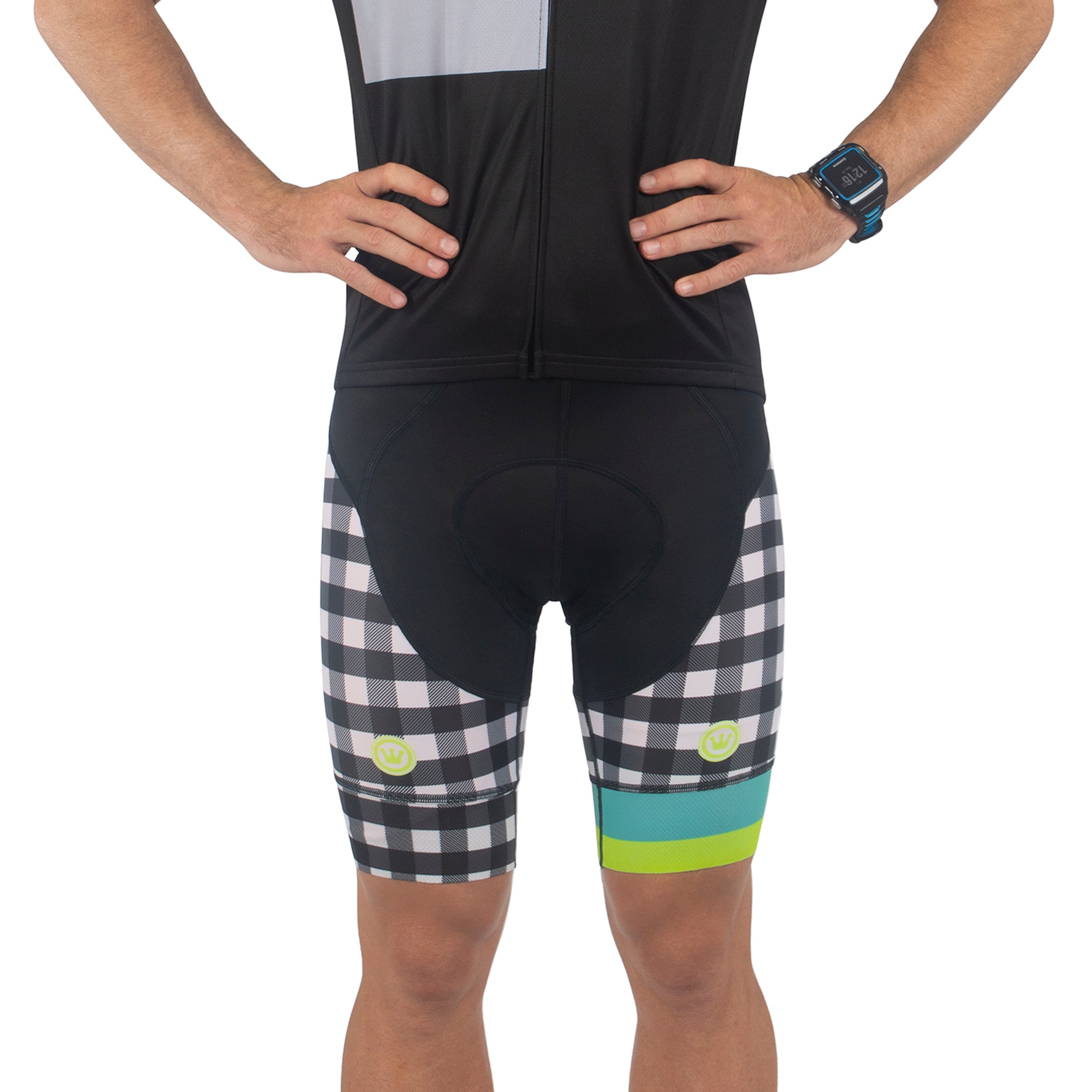

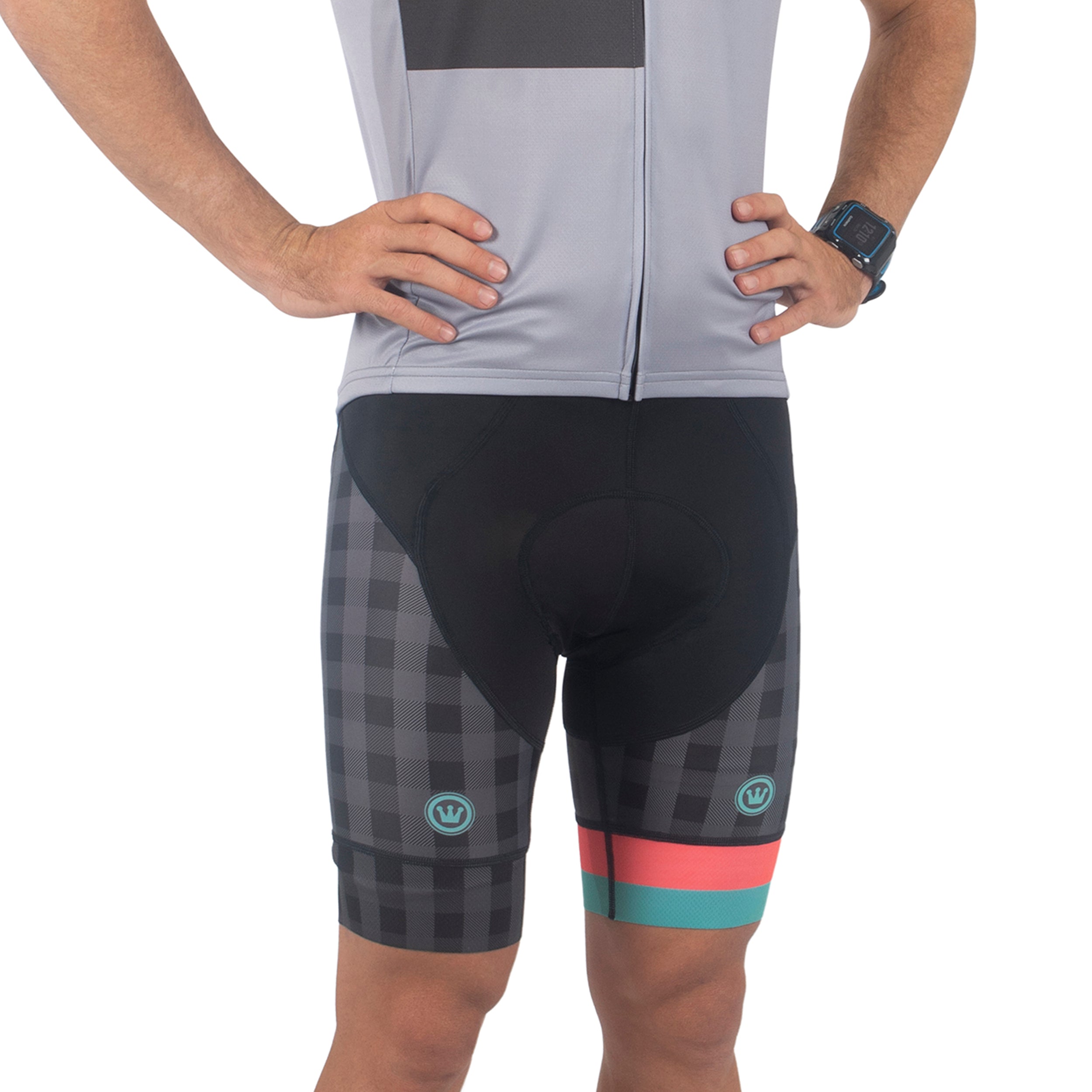





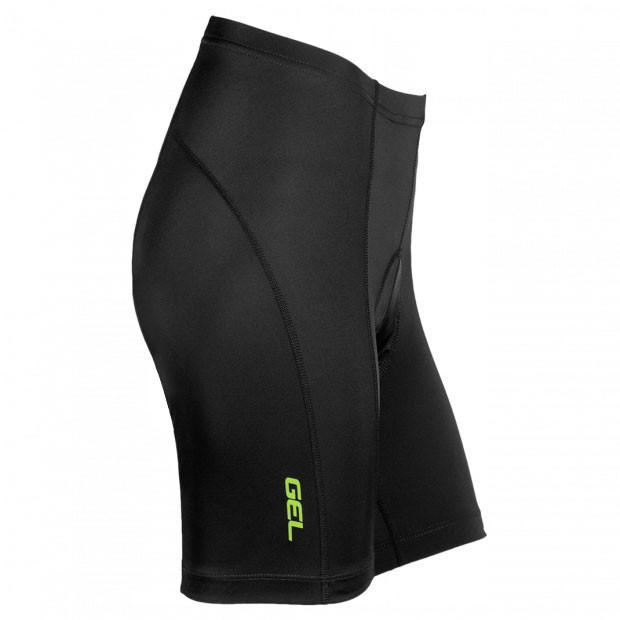

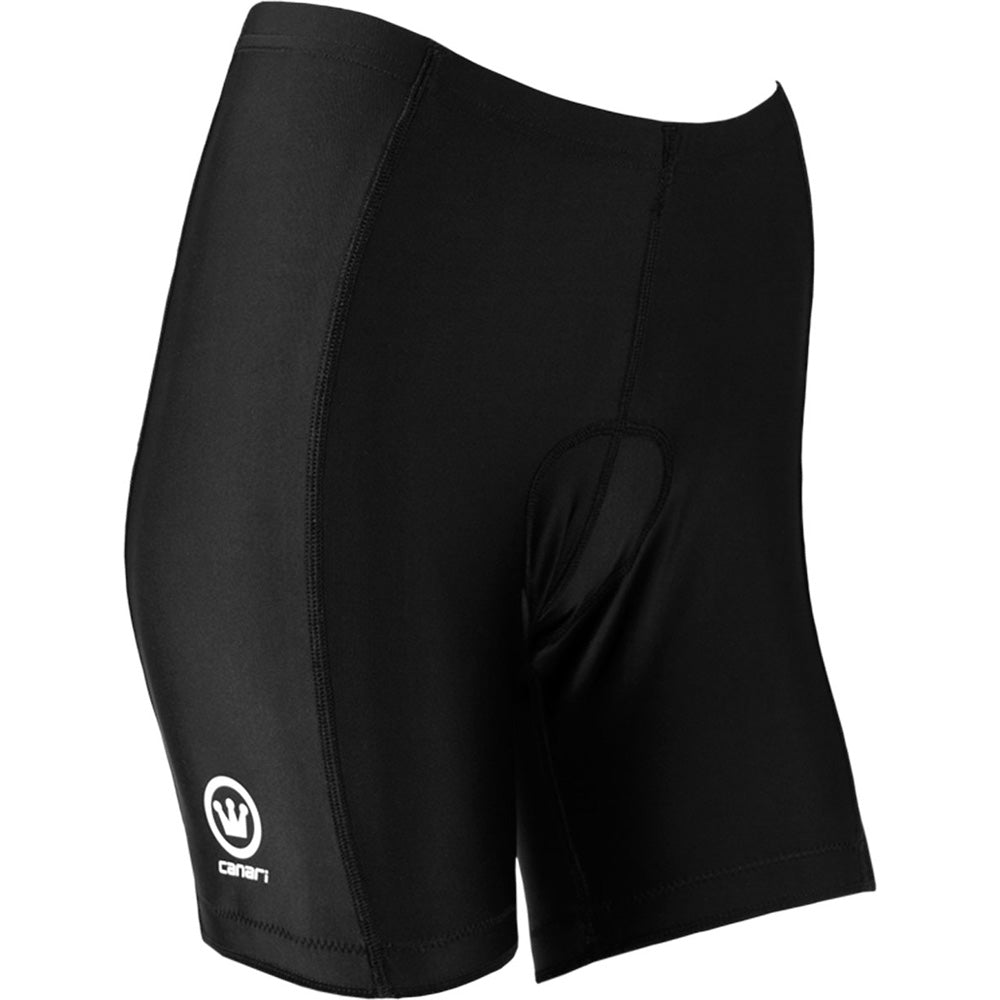

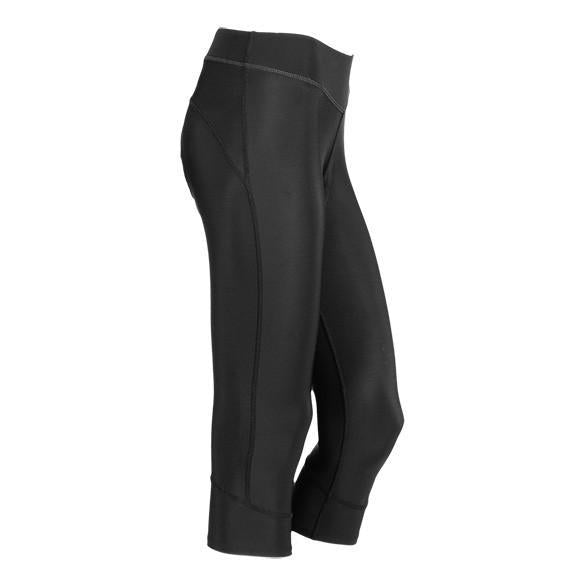

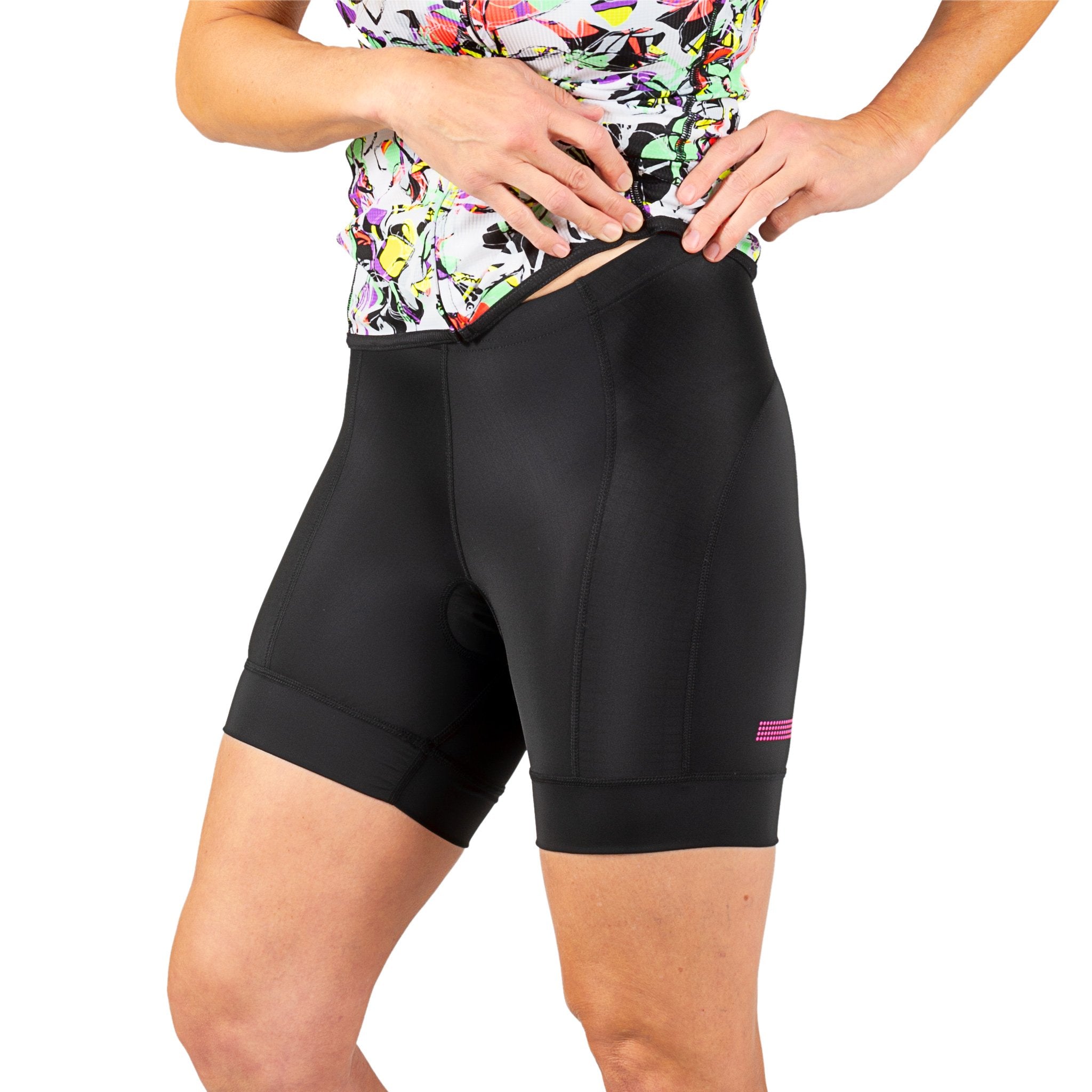














When it comes to racing bib shorts in 2025, fabric choice is critical. The latest materials focus on better performance, comfort, and durability, helping cyclists push their limits. Here's a quick overview of the top materials and what makes them stand out:
- Powerweave Fabrics: Lightweight, durable, and designed for targeted compression. Great for professional racing.
- Recycled Performance Textiles: Made from up to 90% recycled materials, they offer strong durability, quick drying, and are eco-friendly.
- High-Compression Synthetics: Provide snug support, reduce muscle fatigue, and wick moisture effectively.
- Natural-Synthetic Blends: Combine the airflow and comfort of natural fibers with the strength and stretch of synthetic ones.
- Chamois Integration Materials: Advanced padding materials improve stability, airflow, and long-ride comfort.
Each material caters to specific needs, from eco-conscious riders to those seeking peak performance. Whether you're racing or training, these advancements deliver better results and comfort without compromise.
1. Powerweave Fabrics
Powerweave represents a new level of cycling fabric design, blending advanced weave construction with cutting-edge synthetic fibers to elevate performance in racing bib shorts. After 18 months of development in collaboration with EF-EasyPost WorldTour riders, the Powerweave bib shorts debuted in 2020. This specialized fabric not only holds its shape during intense pedaling but also provides focused compression exactly where it’s needed. Let’s break down the key features of Powerweave.
Durability
Powerweave’s woven structure is built to last, even under the demanding conditions of competitive cycling. Unlike traditional cycling shorts, which often show signs of wear over time, Powerweave resists these patterns, maintaining its performance over extended use. Elastic yarns are integrated directly into the leg hems, eliminating the need for separate bands and ensuring consistent compression across the legs.
Breathability
In high-stakes races, staying dry is critical. Powerweave’s micro-channels are designed to wick sweat away efficiently, keeping riders comfortable during intense efforts. These panels excel at moisture management, while the mid-section - crafted from a slightly heavier fabric - balances ventilation and support, offering riders the best of both worlds.
Compression and Support
Powerweave’s compressive design supports muscles without limiting movement. This compression stabilizes the chamois pad, minimizes muscle vibration during pedaling, and helps reduce fatigue, ultimately improving power transfer. With just seven panels - half the number used in traditional bib shorts - Powerweave reduces excess seams, cutting down on irritation and delivering a secure, natural fit. Plus, it’s 20% lighter than conventional racing bib shorts, offering a sleek feel without sacrificing performance.
Canari Cycling Apparel uses Powerweave’s advanced engineering to ensure every ride is race-ready and packed with performance.
2. Recycled Performance Textiles
Thanks to advancements in weaving technology, recycled performance textiles have emerged as a game-changer for high-performance racing bib shorts. The cycling industry has taken an innovative step by transforming waste materials into top-tier gear. Today, up to 90% of the fibers used in these textiles come from recycled sources like PET bottles and reclaimed fabrics, providing quality comparable to traditional materials.
This shift tackles a pressing environmental issue. The clothing and textile industry is the second-largest global polluter, right behind the oil industry. Each year, 85% of textiles end up in landfills, and the fashion sector contributes 10% of global carbon emissions. For cyclists who care about sustainability, recycled performance textiles offer an eco-friendly alternative without compromising on quality.
Durability
Recycled performance textiles are built to last, often matching or surpassing the durability of conventional materials. The recycling process involves breaking down PET bottles and reforming them into fibers with structural integrity similar to virgin polyester. This results in lightweight, stretchable, and highly durable fabrics that resist wear and tear. Racing bib shorts made with these materials also benefit from reinforced construction, extending their lifespan and reducing the need for frequent replacements - saving money in the long run.
Breathability
When it comes to moisture management, recycled polyester and nylon excel. These synthetic fibers wick sweat away from the body and dry quickly, unlike natural fibers that tend to retain moisture. Some advanced blends, such as those incorporating Tencel, add softness and enhance breathability, ensuring comfort even during extended rides. Whether in hot or cool conditions, these fabrics maintain consistent airflow, keeping riders dry and focused on their performance.
Eco-Friendliness
Recycled performance textiles are redefining what it means to create sustainable cycling gear. Producing recycled polyester requires less energy and water compared to virgin fibers, reducing CO₂ emissions by 30–50% and cutting overall carbon output by up to 79%. Companies like Repreve have already transformed over 36 billion plastic bottles into reusable fabrics, while the U.S. alone recycles over 1.5 billion pounds of PET annually. This effort not only reduces plastic waste in landfills and oceans but also gives these materials a second life in high-performance apparel.
Many manufacturers now rely on Bluesign® approved fabrics, ensuring safe and sustainable chemical use throughout the production process. Additionally, certifications like the Global Recycled Standard (GRS) verify both the recycled content and the eco-friendly practices used to create these textiles.
Cycling apparel made from recycled materials performs on par with non-recycled options. Studies show that rPET fabrics are just as durable as virgin polyester, proving that sustainability doesn’t mean sacrificing performance. By integrating these textiles, brands like Canari Cycling Apparel are delivering gear that meets the demands of competitive racing while prioritizing environmental responsibility.
3. High-Compression Synthetics
High-compression synthetic materials are specifically designed for cycling apparel, delivering a snug, supportive fit that helps improve blood circulation and reduce leg fatigue on long rides. Take the 7mesh MK3 Bib Shorts from Canari Cycling Apparel, for example. They feature Miti Gravity Interpower fabric - a blend of 62% warp knit nylon and 38% elastane. This combination not only feels soft against the skin but also provides the targeted compression cyclists need for race-day performance.
Compression and Support
These cutting-edge fabrics are all about providing a close, supportive fit that enhances blood flow while minimizing friction, which is key to avoiding chafing during long rides. Elastane, a standout ingredient in these materials, is incredibly flexible - capable of stretching up to five times its original size and snapping right back without losing its effectiveness.
Durability
Beyond compression, these synthetics are built to last. Polyester fibers, for instance, are much stronger than natural alternatives, making them ideal for the tough demands of cycling. The tight weaves and high-quality fibers resist tearing, stretching, and abrasion, ensuring your gear holds up over time. Spandex, another key component, maintains its shape even after repeated use, offering consistent support without sagging. Plus, polyester-based blends keep their vibrant colors and resist wrinkles, requiring minimal maintenance compared to natural fabrics.
Breathability
When it comes to staying cool and dry, high-compression synthetic blends shine. Fabrics like polyester, nylon, and elastane are excellent at wicking moisture away from your skin, helping sweat evaporate quickly. Many designs also incorporate mesh panels or ventilation zones to boost airflow, keeping you comfortable no matter the conditions. Their quick-drying properties further enhance comfort, especially during intense rides.
High-compression synthetic bib shorts offer the perfect combination of support, durability, and moisture management, making them an essential choice for peak cycling performance.
sbb-itb-1992862
4. Natural-Synthetic Blends
Natural-synthetic blends take racing bib shorts to the next level by combining the breathable comfort of natural fibers with the durability and flexibility of synthetic materials. Think of it as a perfect partnership: natural fibers like cotton, merino wool, and bamboo offer moisture absorption and breathability, while synthetics such as polyester and nylon add elasticity, shape retention, and quick-drying properties. As ISPO.com puts it, "Blended fabrics combine the best properties from different worlds". This thoughtful pairing addresses the weaknesses of each material while amplifying their strengths.
Breathability
Natural fibers like cotton and merino wool are champions of airflow, keeping you cool and preventing overheating during long rides. Merino wool, in particular, shines with its ability to regulate temperature - it keeps you warm on chilly mornings and cool as the day heats up. Meanwhile, synthetic fibers work alongside these natural materials to wick sweat away from your skin, moving it to the surface where it evaporates quickly.
Durability
Durability is another area where these blends excel. While natural fibers alone might not withstand the wear and tear of cycling, adding synthetic fibers creates a fabric that’s tough enough for the job. Polyester, for example, resists abrasion and holds its shape even after countless rides and washes. Nylon enhances stretch and recovery, ensuring your bib shorts maintain their supportive fit over time. For merino wool blends, the inclusion of synthetics significantly boosts durability and shape retention compared to pure wool. This means you can count on your gear to perform ride after ride, season after season.
Compression and Support
Blended fabrics also deliver targeted compression and support. Nylon’s stretch and recovery properties, combined with the natural softness of fibers like merino wool, ensure a snug yet flexible fit that moves with you.
Eco-Friendliness
These blends aren’t just about performance - they’re also a step toward sustainability. Natural fibers are biodegradable, helping reduce landfill waste, while recycled synthetics like rPET (made from plastic bottles) cut down on resource consumption. Organic natural fibers, which typically require less water and fewer pesticides, add another layer of environmental responsibility. Together, these features make natural-synthetic blends an eco-conscious choice for modern racing bib shorts, balancing performance with a smaller environmental footprint.
5. Chamois Integration Materials
Advancements in fabric technology have taken chamois integration to a new level, significantly improving comfort and performance for cyclists. These innovations ensure the chamois works seamlessly with high-performance textiles, creating bib shorts that deliver an optimized riding experience. Modern designs go beyond basic foam padding, integrating the chamois with the fabric for better stability, breathability, and overall quality.
Durability
Durability has seen a boost thanks to cutting-edge materials like CORDURA nylon blends. For example, one top-tier cycling bib short uses a mix of 72% CORDURA nylon and 28% elastane, specially designed for gravel and adventure riding. High-density foam cores resist compression fatigue, maintaining their cushioning over time. Reinforced synthetic materials strengthen the bond between the pad and the fabric, preventing issues like shifting or separation. These material improvements also enhance airflow, which is essential for long rides.
Breathability
Modern chamois designs prioritize airflow and moisture control. Technologies like ActiveFlow use a fabric blend of 44% nylon, 44% polyester, and 12% spandex, weighing only 155 g/m², to maximize breathability. Perforated memory foam adds another layer of functionality, featuring air channels that help manage heat and wick away moisture. Combined with four-way stretch fabrics, this ensures the chamois moves naturally with your body, keeping you cool and comfortable.
Compression and Support
In addition to durability, today’s chamois integration provides targeted compression to support specific muscle groups, rather than applying uniform pressure. High-performance bib shorts often incorporate spandex for improved compression and breathability, which helps reduce muscle fatigue and regulate body temperature. Dual-density foam inserts are another innovation, offering a balance of firm support and soft cushioning for consistent performance throughout the ride.
Eco-Friendliness
Sustainability is becoming an important focus in chamois materials. Some prototypes now use Oeko-Tex certified Econyl regenerated nylon, made from recycled waste, and feature aloe-infused, multi-layered chamois pads that maintain their shape and cushioning even with prolonged use. Other models incorporate up to 79% recycled materials, blending environmental responsibility with race-level performance. These eco-conscious designs prove that high performance and sustainability can coexist, offering riders a greener choice without compromising on quality.
Material Comparison Table
When selecting the right material for racing bib shorts, it’s important to consider how each fabric performs in areas like durability, breathability, and moisture management. This table breaks down the key properties of popular materials, helping you match your choice to your cycling needs.
| Material | Durability | Breathability | Compression/Support | Moisture Management | Eco-Friendliness | Typical Use Cases |
|---|---|---|---|---|---|---|
| Powerweave Fabrics | Excellent – Outstanding tear resistance | High – Advanced fiber weaving ensures airflow | Maximum – Provides targeted muscle support | Excellent – Quick-drying synthetic fibers | Moderate – Includes some recycled fibers | Professional racing, competitive events |
| Recycled Performance Textiles | Very Good – Strong despite using recycled materials | Good – Effective ventilation | Good – Retains elasticity well | Very Good – Comparable to virgin polyester | Excellent – Minimizes environmental impact | Eco-conscious racing, long training rides |
| High-Compression Synthetics | Excellent – Spandex blends resist wear and fatigue | Moderate – Dense weave slightly limits airflow | Maximum – Offers graduated compression zones | Good – Effective synthetic moisture-wicking | Low – Primarily made from virgin materials | Time trials, criterium racing, muscle support |
| Natural-Synthetic Blends | Good – Merino wool adds durability | Excellent – Natural fibers allow superior airflow | Moderate – Limited stretch capabilities | Excellent – Merino wool wicks moisture efficiently | Good – Reduces reliance on synthetic fibers | Cool weather racing, long-distance rides |
| CORDURA Nylon Blends | Maximum – Highly durable due to CORDURA nylon | Good – Elastane blend improves ventilation | Very Good – Four-way stretch enhances support | Very Good – Quick-drying nylon properties | Moderate – Designed for long-term use | Gravel racing, adventure cycling, rough terrain |
These materials highlight how different fabrics cater to specific cycling scenarios. For instance, advanced synthetic blends can reduce weight by up to 6% and absorb 50–60% less water, making them ideal for long, humid races. Lightweight fabrics with mesh panels excel in hot weather, while water-resistant materials maintain breathability during wet conditions.For endurance events, fabrics that prioritize comfort and support - like those with integrated chamois - prevent shifting and chafing over extended rides.
Conclusion
The latest advancements in bib short technology are reshaping what cyclists can expect from their gear. The materials introduced in 2025 bring a new level of performance, addressing the core needs of cyclists. From innovations like Powerweave and recycled textiles to high-compression synthetics and modern chamois designs, these updates provide exceptional durability, breathability, and support. At the same time, the use of recycled materials proves that high performance and environmental responsibility can go hand in hand.
Canari Cycling Apparel has embraced these advancements to create bib shorts that take comfort and functionality to the next level. Their elastic-free waist design, paired with cutting-edge fabrics, ensures a snug yet comfortable fit. Riders frequently highlight the compression fit and padding, which help reduce soreness even on extended rides.
"Best Biking Shorts Ever! These biking shorts check all the boxes for me. They are comfortable, durable, and provide that extra bit of cushioning that's often needed on those long rides. Will continue to buy them, so please don't drop them from your line!" – Ronald C. / Cape Coral
When it comes to pricing, the value of these innovations becomes clear. While premium bib shorts may come with a higher price tag, the enhanced performance and comfort they deliver make them a worthwhile investment for dedicated cyclists. Canari offers options that balance advanced materials with affordability, ensuring riders at various levels can benefit from these features.
As cycling gains popularity, these material improvements ensure that both competitive riders and casual enthusiasts can enjoy gear that enhances their performance, comfort, and overall experience. With a focus on durability, breathability, and moisture control, every ride becomes more enjoyable, no matter the distance or conditions.
FAQs
What are the environmental advantages of using recycled fabrics in racing bib shorts?
Using recycled fabrics in racing bib shorts comes with some clear environmental perks. For starters, these materials give a second life to plastic waste that might otherwise pollute landfills or oceans, helping to keep ecosystems cleaner.
On top of that, manufacturing recycled textiles uses much less energy and water compared to making traditional polyester. This means a smaller carbon footprint, making recycled fabrics a smarter, greener option for high-performance cycling gear.
What are the benefits of Powerweave fabrics in racing bib shorts?
Powerweave fabrics bring some standout advantages for cyclists, especially during races. Designed to handle moisture efficiently, they help keep riders dry and comfortable by quickly pulling sweat away from the skin. Plus, the material is incredibly lightweight, trimming overall weight by about 20%, which can boost speed and agility on the bike.
Another benefit is its compressive fit, offering solid muscle support that helps reduce fatigue and enhances endurance during long rides. The fabric's breathability also plays a key role in maintaining an optimal body temperature, ensuring comfort even in intense conditions. These qualities make Powerweave a top choice for high-performance racing bib shorts.
What are the benefits of choosing natural-synthetic fabric blends for bib shorts over high-compression synthetic materials?
Natural-synthetic fabric blends have become a go-to choice for bib shorts, and it’s easy to see why. They bring together the strengths of both types of materials, creating a combination that works well for cyclists. Natural fibers like merino wool excel at keeping you cool and dry, thanks to their breathability and moisture-wicking abilities. On the other hand, synthetic fibers such as polyester or nylon contribute stretch, durability, and resilience, ensuring the shorts fit snugly and hold their shape ride after ride.
This mix delivers a balance of comfort and functionality, helping to prevent common problems like chafing or overheating, which can sometimes happen with fully synthetic, high-compression materials. If you’re looking for bib shorts that offer all-day comfort while standing up to tough conditions, natural-synthetic blends are a dependable choice.

