









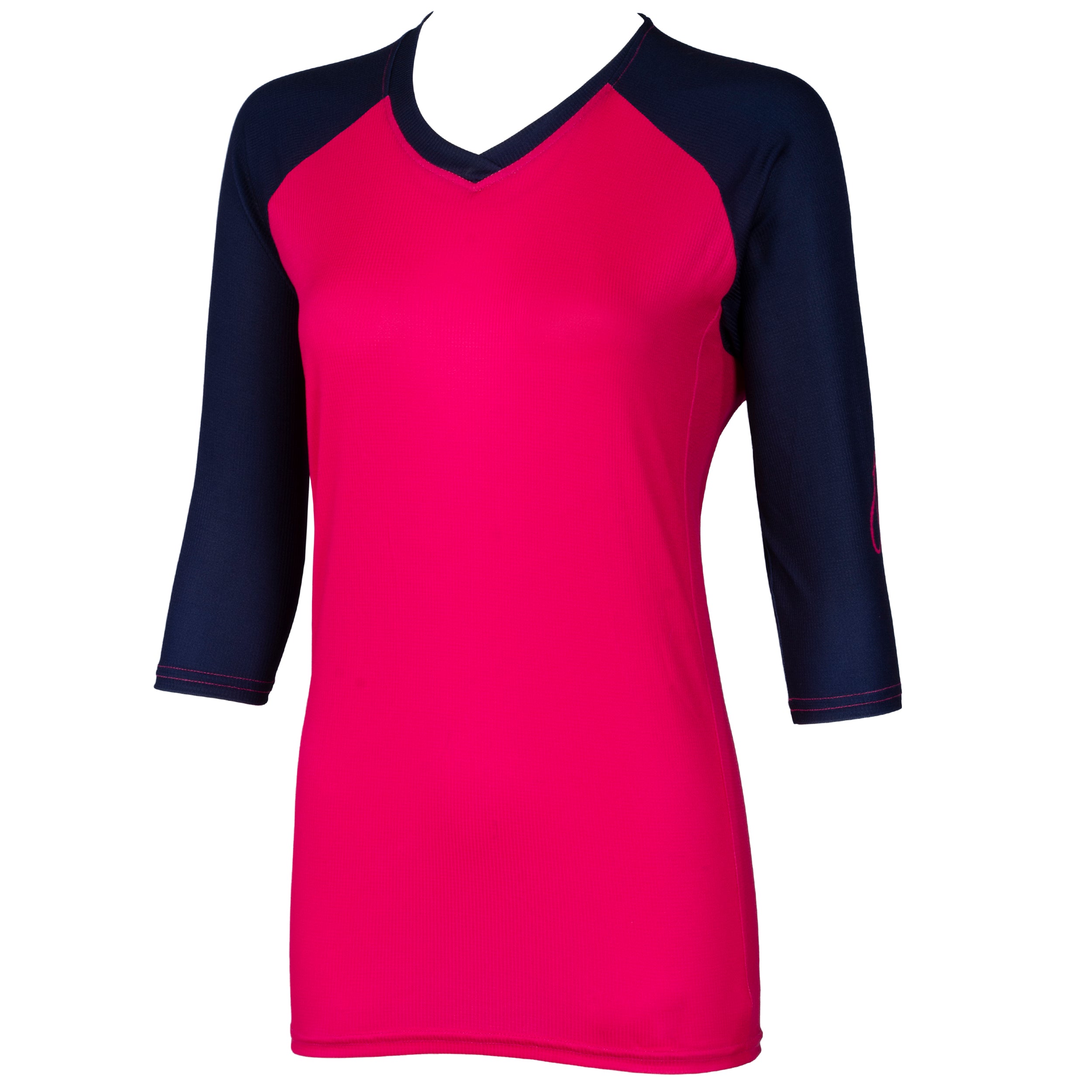

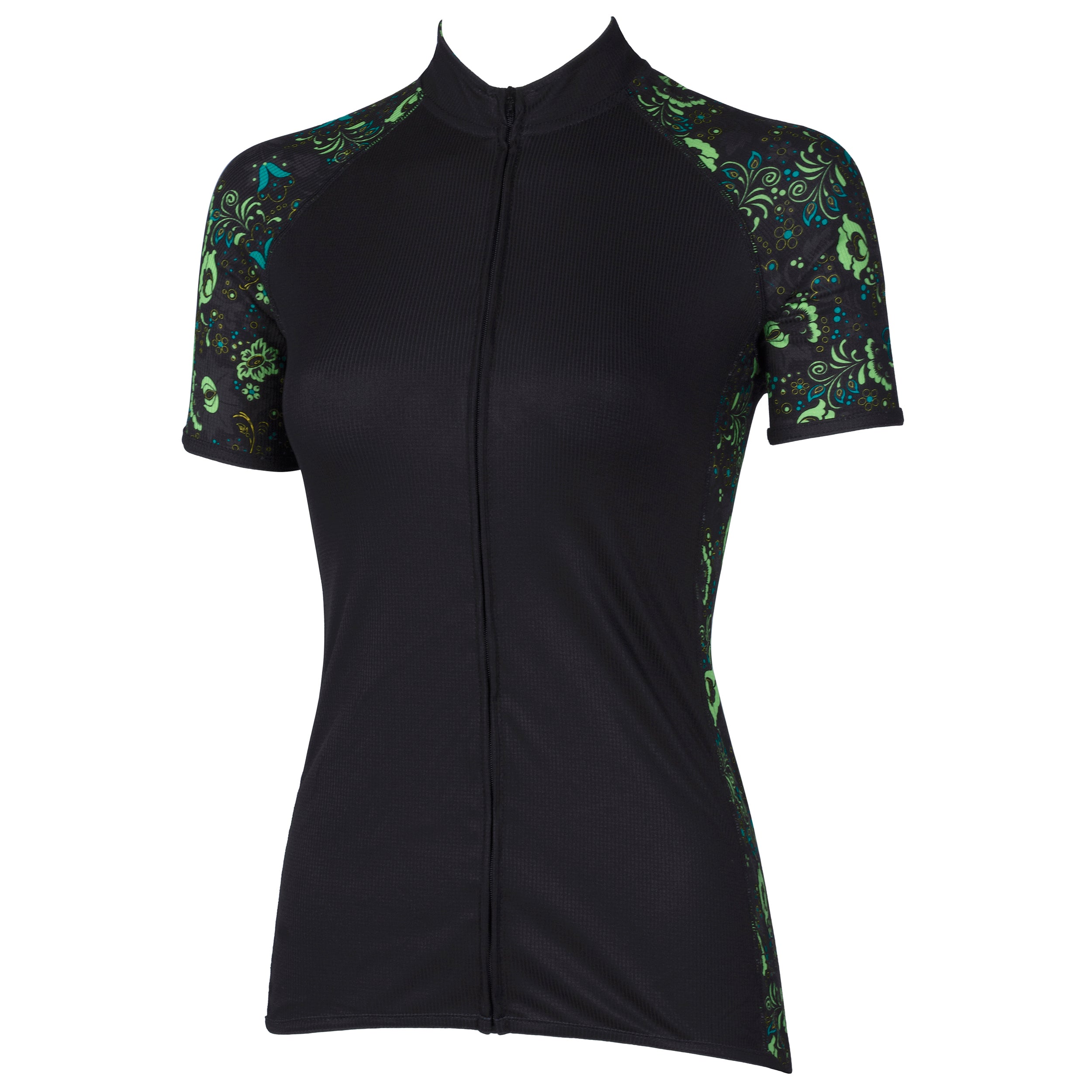


















Chafing can ruin a long bike ride, but it's preventable. The key is to minimize friction, manage moisture, and wear properly fitted gear. Here’s a quick breakdown of the best ways to stay comfortable and avoid irritation:
- Wear Seam-Friendly Apparel: Choose clothes with flatlock stitching and avoid seams in high-friction areas like inner thighs.
- Pick Moisture-Wicking Fabrics: Opt for polyester, nylon, or merino wool to keep your skin dry. Avoid cotton - it traps sweat and increases friction.
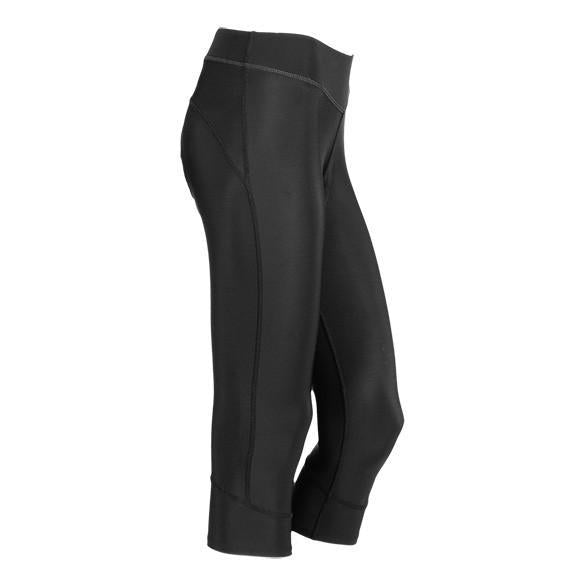
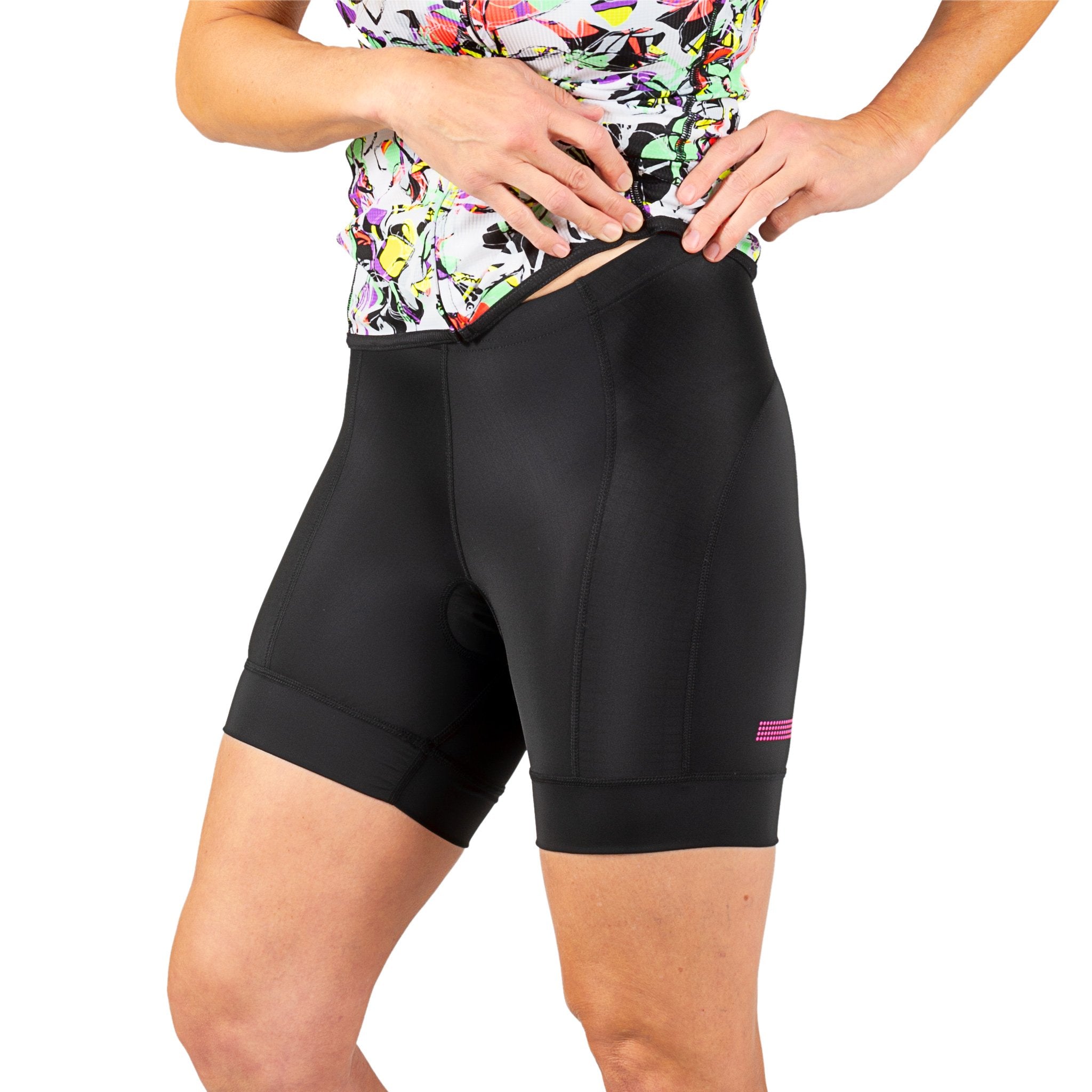
- Use Padded Shorts: Properly fitted cycling shorts with quality padding reduce friction and absorb road vibrations. Wear them without underwear for best results.
- Maintain Hygiene: Start with clean skin and clothes. Shower or clean up after rides to prevent bacteria buildup.
- Apply Anti-Chafe Products: Use chamois cream or anti-chafe balms to create a protective barrier on your skin.
These steps make all the difference for a smooth, pain-free ride. Investing in good cycling gear, like padded shorts from brands such as Canari Cycling Apparel, can further enhance your comfort.
1. Choose Apparel with Better Seam Placement
When it comes to long rides, the placement of seams in your cycling apparel can make or break your comfort. Poorly placed seams, especially in high-friction areas like the inner thighs or sports bras, can lead to painful chafing. Choosing gear designed with smart seam placement can help you avoid unnecessary discomfort.
Why Seam Location Matters
Seams and tags that rub against your skin can quickly become a source of irritation. This is especially true in areas prone to constant movement and friction, such as the inner thighs or the contact zones of sports bras for female cyclists. Even if your clothes fit well, poorly placed seams can still cause chafing during extended rides. Pay attention to any slight discomfort when trying on cycling gear - it’s often a sign that the garment might not hold up well over longer distances. To avoid this, look for apparel that eliminates inner thigh seams or other high-contact areas.
How Flatlock Stitching Reduces Friction
Traditional seams often have raised edges that press into your skin, creating pressure points and increasing the risk of chafing. Flatlock stitching, on the other hand, lies flat against the fabric, significantly reducing friction and irritation. This technique is a favorite in high-performance cycling gear, with brands like Canari Cycling Apparel incorporating flatlock stitching in critical areas such as the inner legs and seat zones. Additionally, choosing apparel with printed labels instead of sewn-in tags can further minimize irritation. Thoughtful seam design, combined with other comfort-focused features, ensures a smoother, more enjoyable ride.
2. Select Moisture-Wicking and Breathable Fabrics
The fabric you wear while cycling can make or break your ride. Opting for materials that wick sweat and allow your skin to breathe is key to staying dry, comfortable, and friction-free - even during those grueling, sweat-heavy sessions.
How Moisture-Wicking Fabrics Work
Moisture-wicking fabrics are designed to pull sweat away from your skin, helping it evaporate quickly. This keeps your skin dry and reduces the chance of irritation. Materials like polyester and nylon blends lead the pack here, making them a top choice for cycling gear.
- Polyester is lightweight, dries quickly, and wicks moisture effectively.
- Nylon not only wicks sweat but also resists mildew, making it durable for long-term use.
- For those who prefer natural fibers, merino wool is a standout option. It’s breathable, wicks moisture well, and resists odors better than synthetic fabrics - though it may not last as long under heavy use.
The way a fabric is constructed also matters. Looser weaves and thinner materials with finer yarns tend to be more breathable, while tighter knits can trap heat. Many cycling jerseys address this by incorporating mesh panels or zippered vents in high-heat areas, offering tailored breathability where it’s needed most.
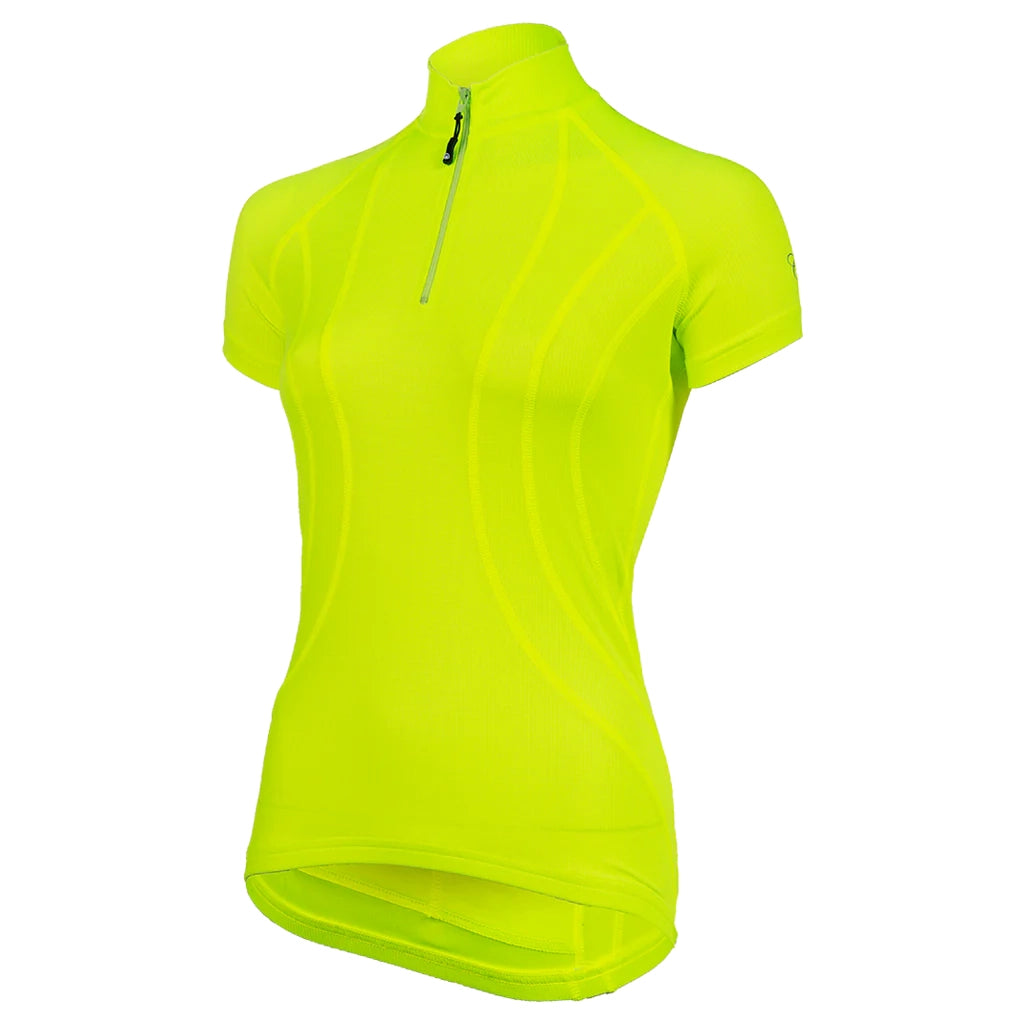
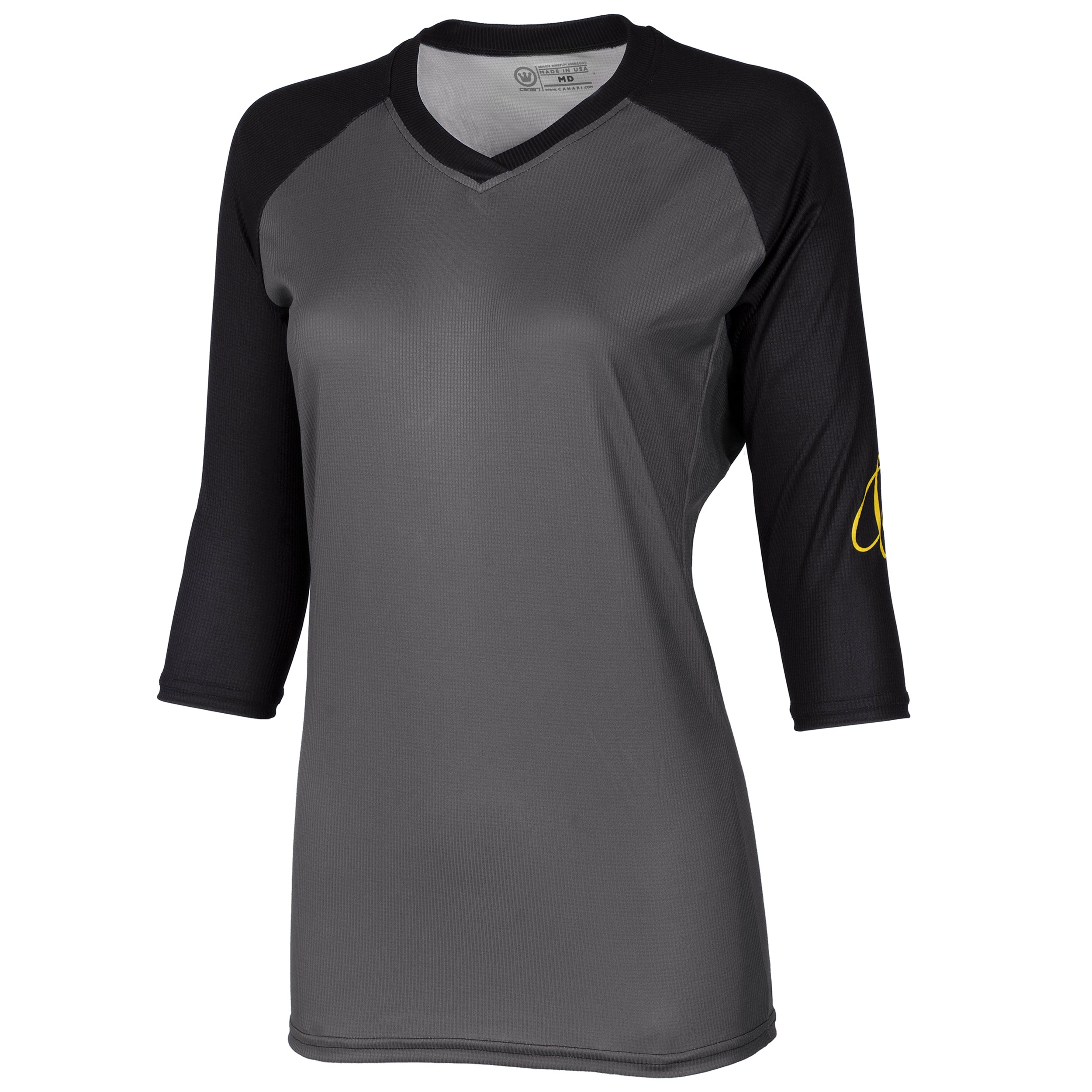
Brands like Canari Cycling Apparel take these principles seriously, using moisture-wicking polyester blends in their clothing to ensure riders stay comfortable on long rides. While synthetic blends shine in performance, one fabric you should steer clear of is cotton.
Why Cotton Doesn’t Cut It for Cycling
Cotton may feel soft, but it’s a poor choice for cycling. It absorbs sweat and holds onto it, leaving you damp and uncomfortable. This lingering moisture increases friction, turning your ride into a chafing nightmare.
Once saturated, cotton becomes heavy, restricting airflow and making it harder for your skin to stay cool and dry. On the other hand, synthetic fabrics like nylon-spandex blends remain breathable even when wet, helping to minimize irritation and maintain their shape throughout your ride.
The same rules apply to cycling shorts. They should be made from moisture-wicking materials to prevent sweat from causing discomfort in sensitive areas.
To get the most out of your gear, ensure it fits snugly - close enough to wick moisture effectively but not so tight that it restricts movement or creates pressure points. The right combination of fabric and fit can make all the difference, setting you up for a smooth, chafe-free ride.
3. Get the Right Fit and Use Quality Padded Shorts
Finding the right fit for your cycling gear is about more than just looking good - it’s essential for avoiding friction and discomfort. Ill-fitting clothes can bunch or shift as you ride, creating friction that leads to painful chafing. This is especially true for cycling shorts, where a proper fit and good padding can make or break your experience on long rides.
Why Proper Fit Matters
When it comes to cycling shorts, the rule is simple: they should be snug but not restrictive. Too loose, and the fabric moves around, causing friction. Too tight, and you risk uncomfortable pressure points and restricted blood flow. The sweet spot is a compression fit that stays in place without squeezing.
Look for shorts with silicone leg grippers at the hems - they help keep the shorts securely in place and prevent them from riding up, even on long rides. An adjustable waistband is another feature to look for, as it allows you to customize the fit without adding unnecessary pressure.
And here’s a key tip: cycling shorts are designed to be worn without underwear. The chamois (the padded section) is meant to sit directly against your skin, wicking away moisture and reducing friction. Adding underwear introduces extra layers and seams that can lead to chafing, so skip it for maximum comfort.
Benefits of Padded Shorts
Beyond fit, quality padding in your shorts is crucial for preventing chafing and ensuring comfort, especially on long rides. Padded shorts create a barrier between your skin and the saddle, reducing direct contact and minimizing friction.
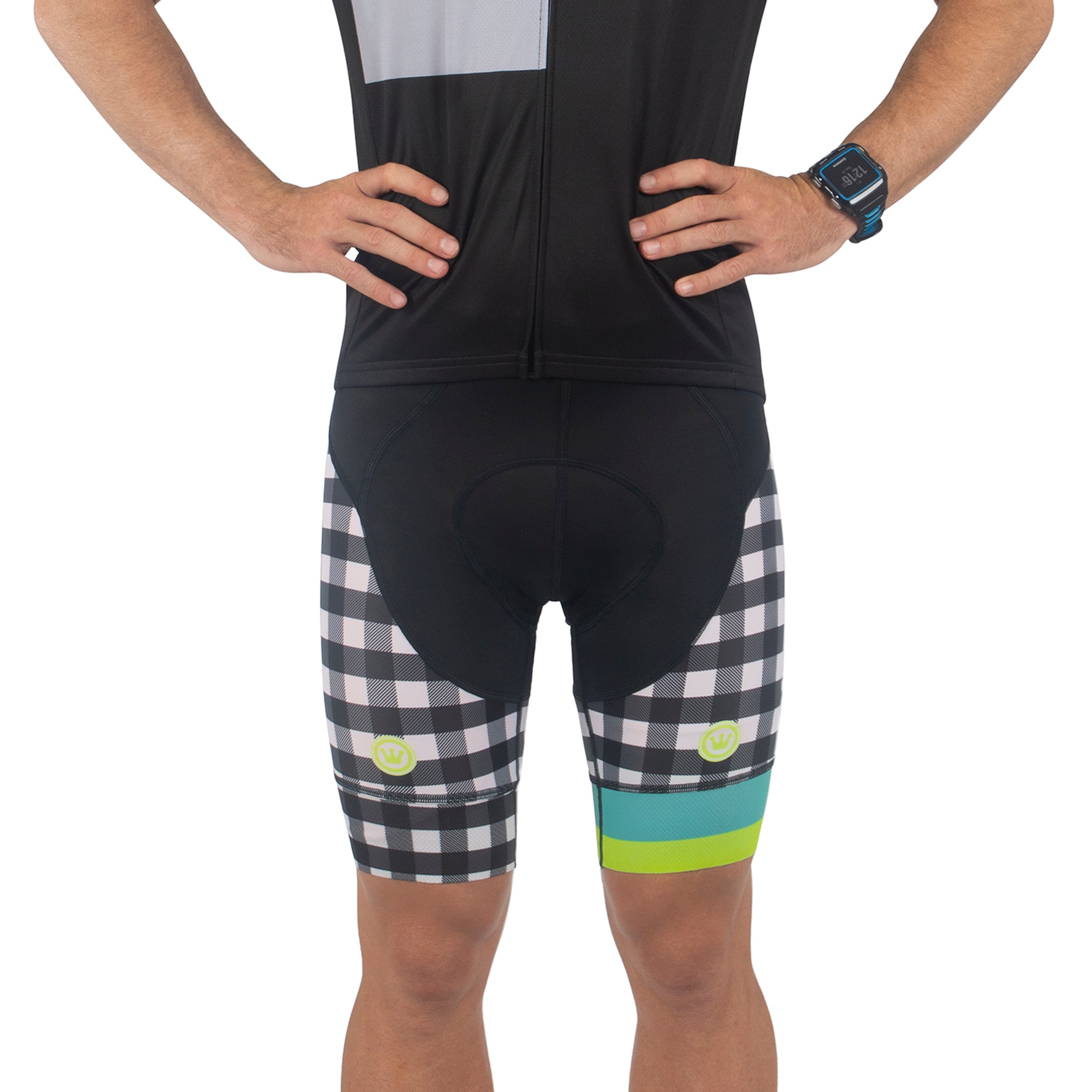
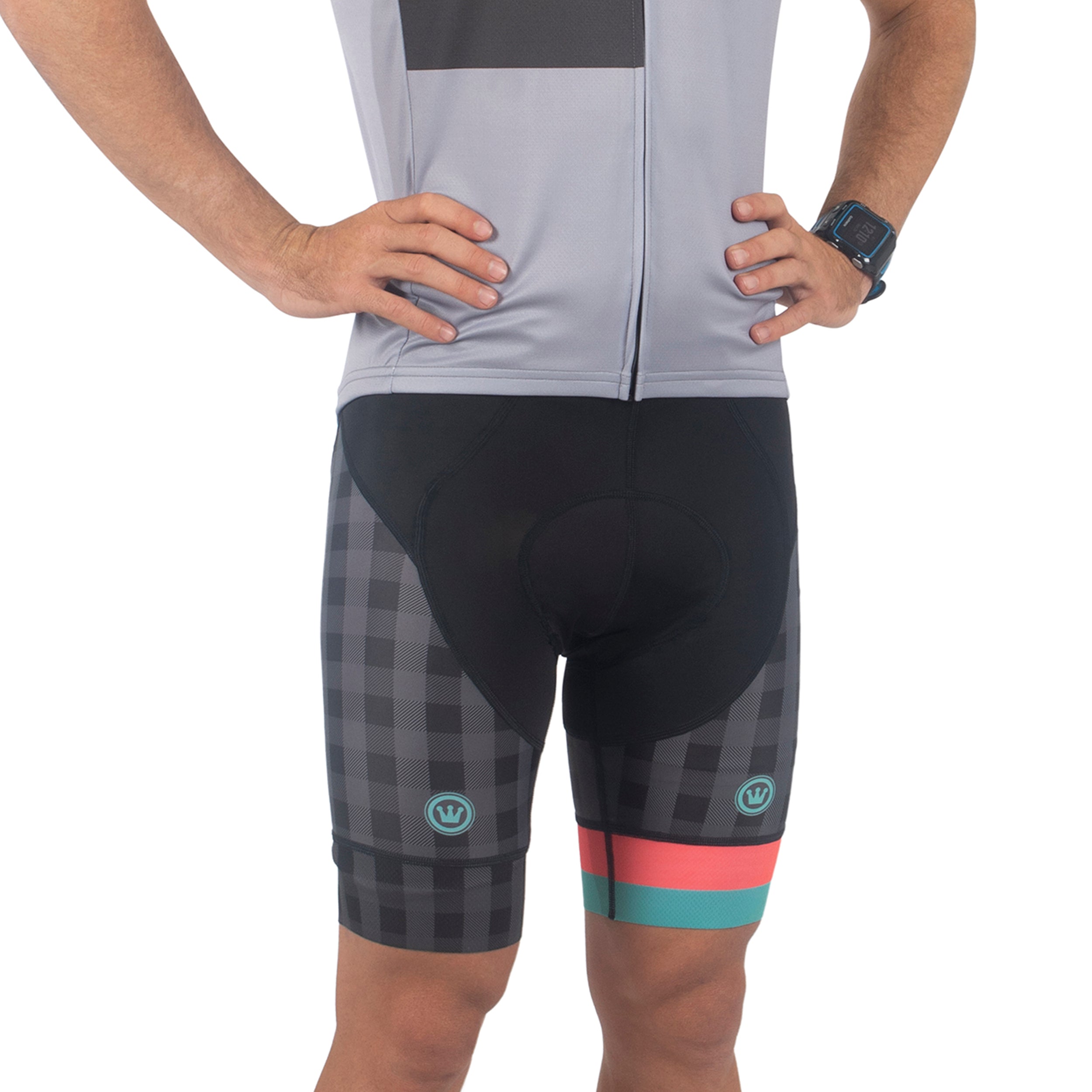
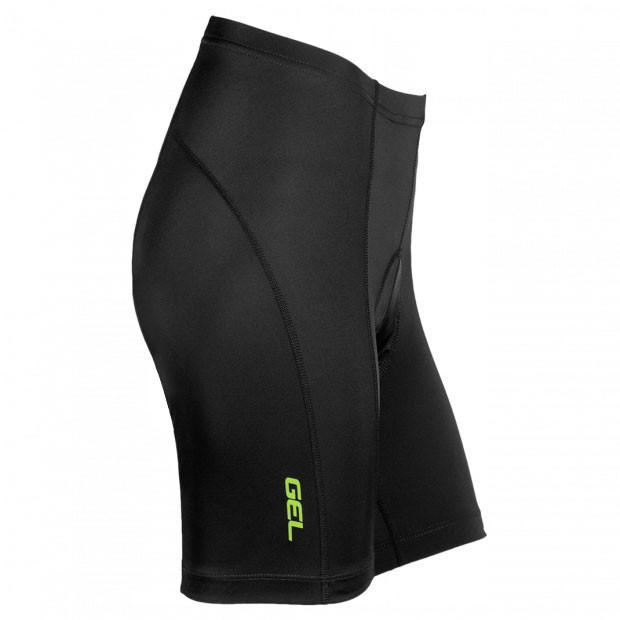
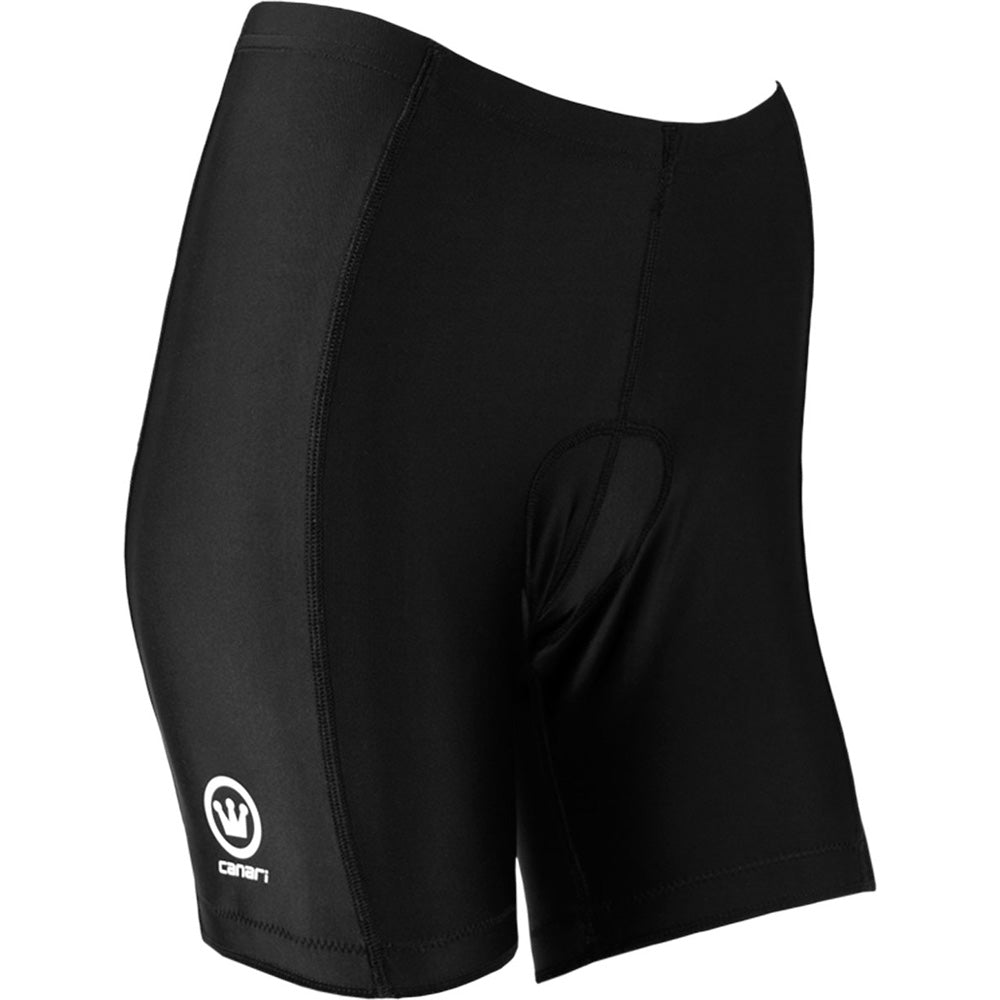
Brands like Canari Cycling Apparel offer great examples of what to look for in padded shorts. For instance, their Men's Velo Gel Short ($50.00) features gel padding to cushion pressure points and absorb road vibrations. Similarly, the Women's Pro Gel Short ($50.00) provides padding designed specifically for women, addressing the unique pressure points they experience while cycling.
The benefits of padded shorts go beyond comfort - they can actually improve performance. Studies have shown that padded shorts with seamless construction can reduce chafing by up to 80%, and cyclists wearing them report up to 30% less fatigue on rough terrain. The cushioning absorbs vibrations from the road, helping you maintain proper form and reducing wear on your body over long distances.
Gender-specific designs are another important consideration. Men’s chamois pads often include a central depression to accommodate male anatomy, while women’s pads are designed with a "pillow" shape to better support their pressure points. These tailored designs ensure optimal comfort and protection where it’s needed most.
Canari’s padding uses various densities of foam and gel to cushion the sit bones and reduce pressure points effectively. When choosing padded shorts, consider the thickness of the chamois. Road cyclists often prefer thicker padding for long rides on smooth surfaces, while mountain bikers might opt for thinner padding to allow more freedom of movement on technical trails. The best choice depends on your riding style and typical distances.
"If you're new to cycling, making the transition to padded Lycra shorts can be a big step...the performance difference is very much worth it, and the comfort levels are much higher." – BikeRadar
Finally, quality padded shorts often feature flatlock seams, which lie flat against your skin to prevent pressure points and irritation. It’s these small details that can make a big difference in your overall comfort and enjoyment on the bike.
sbb-itb-1992862
4. Practice Good Hygiene and Use Anti-Chafe Products
Once you've chosen the right gear, keeping your skin clean and using anti-chafe products are crucial for a comfortable ride. Good hygiene isn't just about staying fresh - it’s your first defense against chafing and saddle sores. Sweat, dirt, and bacteria can irritate your skin, especially on long rides when your gear is in constant contact with your body.
Start with Clean Skin and Clothes
Always wear clean cycling shorts for every ride. Dirty shorts can trap bacteria that turn minor irritations into painful saddle sores.
Before heading out, wash areas prone to chafing - like your inner thighs, groin, and spots where gear touches your skin - with warm water and mild antibacterial soap [5]. After washing, dry these areas thoroughly with a clean towel or let them air dry completely. Moisture lingering on your skin can increase the risk of chafing.
If you're on a multi-day trip, rinse your shorts after each ride and let them dry overnight. This simple step is far better than wearing dirty gear repeatedly.
After your ride, don’t let sweat and bacteria sit on your skin. Shower as soon as possible, or use antibacterial wipes if a shower isn’t an option.
Apply Chamois Cream or Anti-Chafe Products
Beyond cleanliness, using anti-chafe products can significantly reduce friction. These creams create a barrier that helps your skin glide smoothly against clothing and gear, minimizing the micro-abrasions that lead to chafing [7].
Apply chamois cream before your ride starts. Prevention is always easier than dealing with discomfort later. Use clean, dry hands to spread a thin layer on areas where skin or clothing tends to rub, paying extra attention to spots that have caused issues in the past.
Some cyclists prefer to apply the cream directly to their shorts, focusing on high-friction areas. Look for products with antibacterial or antifungal properties to reduce the risk of infection. On longer rides, or in hot and sweaty conditions, you may need to reapply. Carry a small tube with you, and reapply at the first sign of irritation.
Conclusion: 5 Ways to Prevent Chafing on Long Rides
Staying comfortable on long rides comes down to five key strategies: paying attention to seam placement, managing moisture, ensuring proper fit with padding, maintaining hygiene, and using anti-chafe products. Each of these steps plays a part in reducing discomfort, and when combined, they help you focus on the ride instead of the irritation.
The best approach is to prevent chafing before it starts. Opt for cycling-specific clothing and stick to good hygiene practices to keep your rides enjoyable. The right gear can make all the difference, offering both performance and protection.
If you're looking to upgrade your cycling wardrobe, consider investing in high-quality gear. For example, Canari Cycling Apparel offers padded shorts like the Men's Velo Gel Short and Women's Pro Gel Short. Designed with moisture-wicking fabrics and flatlock seams, they’re built to keep you comfortable and chafe-free, no matter the distance.
FAQs
Why should I wear padded cycling shorts without underwear on long rides?
Wearing padded cycling shorts without underwear is essential for comfort during long rides. The built-in padding, known as the chamois, is specifically designed to rest directly against your skin. This reduces friction and eliminates irritation caused by seams or fabric bunching. Ditching underwear also improves breathability and enhances moisture-wicking, helping to keep you cooler and drier. By avoiding chafing and maintaining better hygiene, this setup ensures a smoother, more enjoyable ride.
Why are moisture-wicking fabrics better than cotton for preventing chafing during long rides?
Moisture-wicking fabrics are a game-changer when it comes to preventing chafing. These materials work by pulling sweat away from your skin and allowing it to evaporate quickly. The result? Your skin stays dry, which helps reduce the friction that often leads to irritation and discomfort.
Cotton, on the other hand, does the opposite. It absorbs sweat and holds onto it, creating a damp environment that can actually increase the chances of chafing. Choosing moisture-wicking fabrics - like those used in high-quality cycling gear - can make a huge difference in keeping you comfortable and free from skin irritation, especially on those long rides.
Why is it important to stay clean and use anti-chafing products during long bike rides?
Keep Your Skin Clean and Use Anti-Chafing Products
Taking care of your skin is a must for a comfortable and healthy long ride. Sweat, heat, and constant friction can lead to chafing, irritation, or even infections if you’re not careful. Keeping your skin clean helps reduce sweat buildup, stops bacteria from multiplying, and keeps your skin in better shape overall.
Using anti-chafing products, like balms or creams, adds an extra layer of protection. These products create a barrier that reduces friction in areas prone to rubbing. By combining good hygiene with these protective measures, you can avoid painful skin problems and focus on enjoying the journey.

