





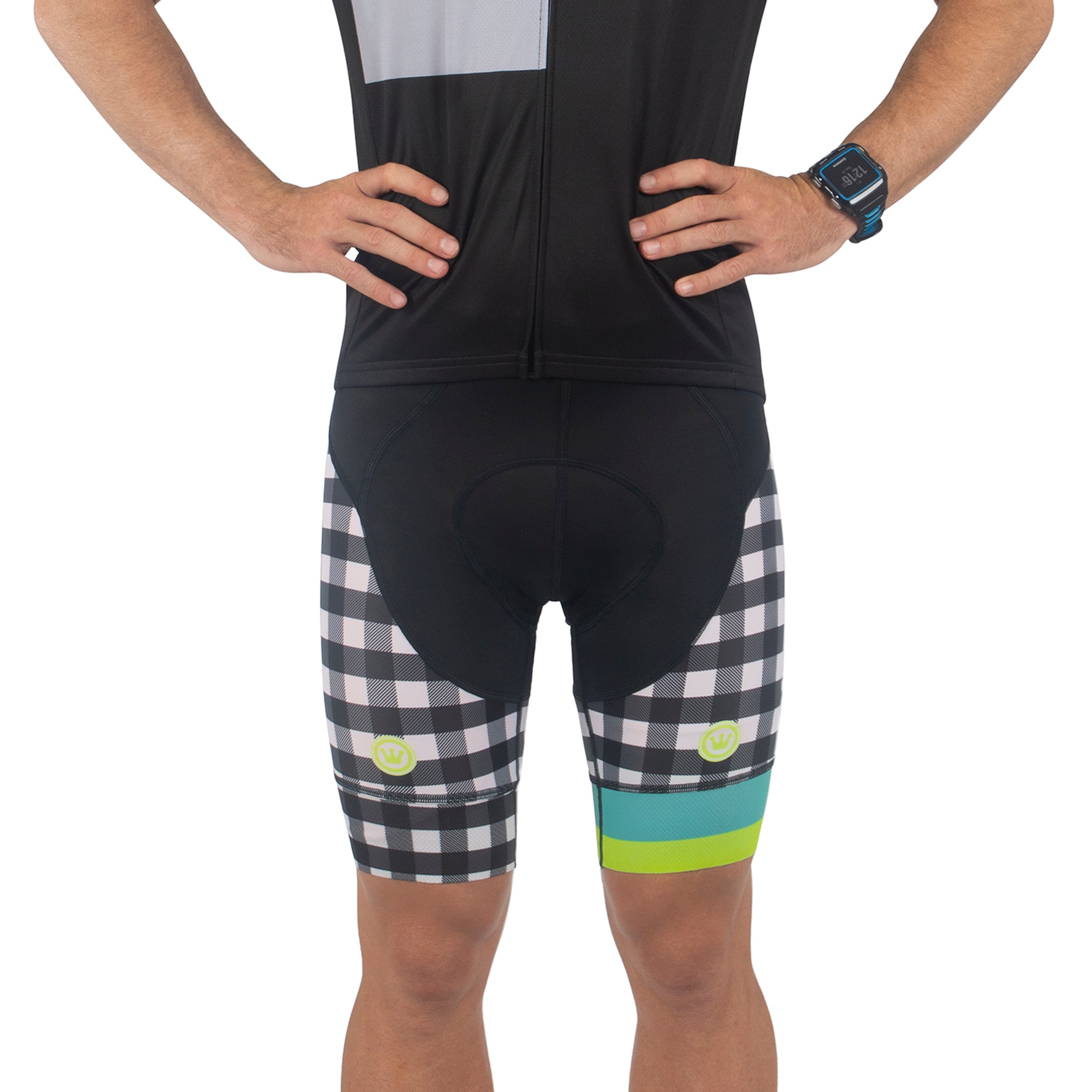

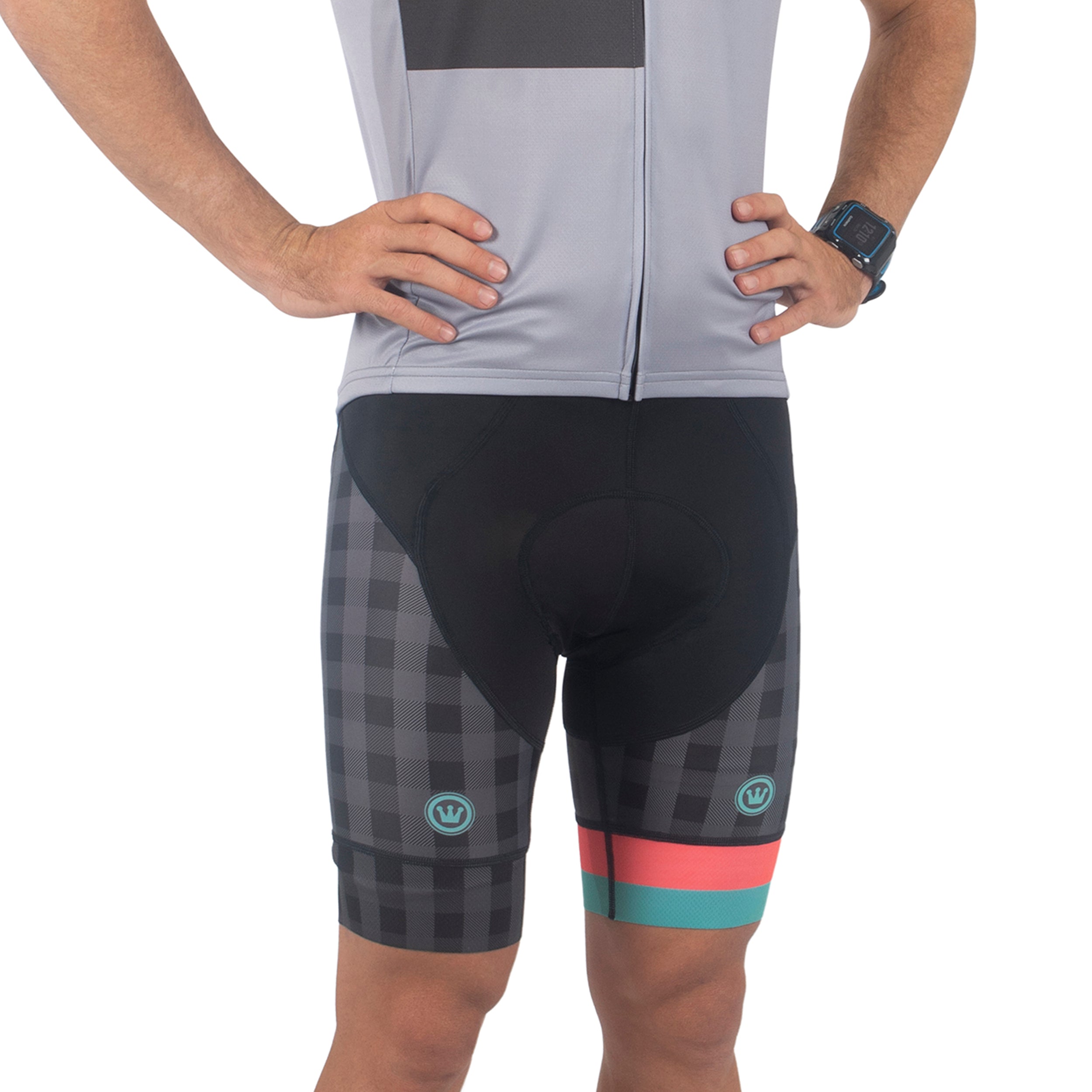

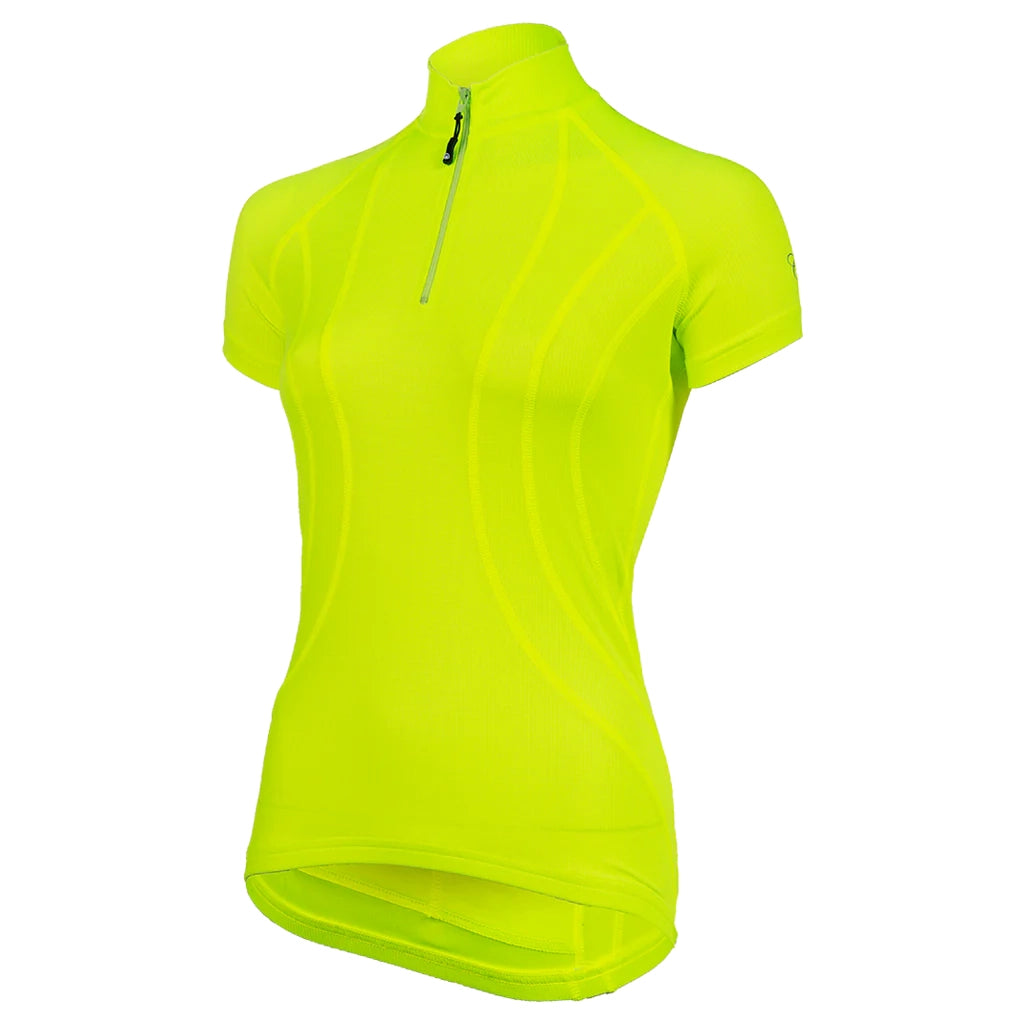

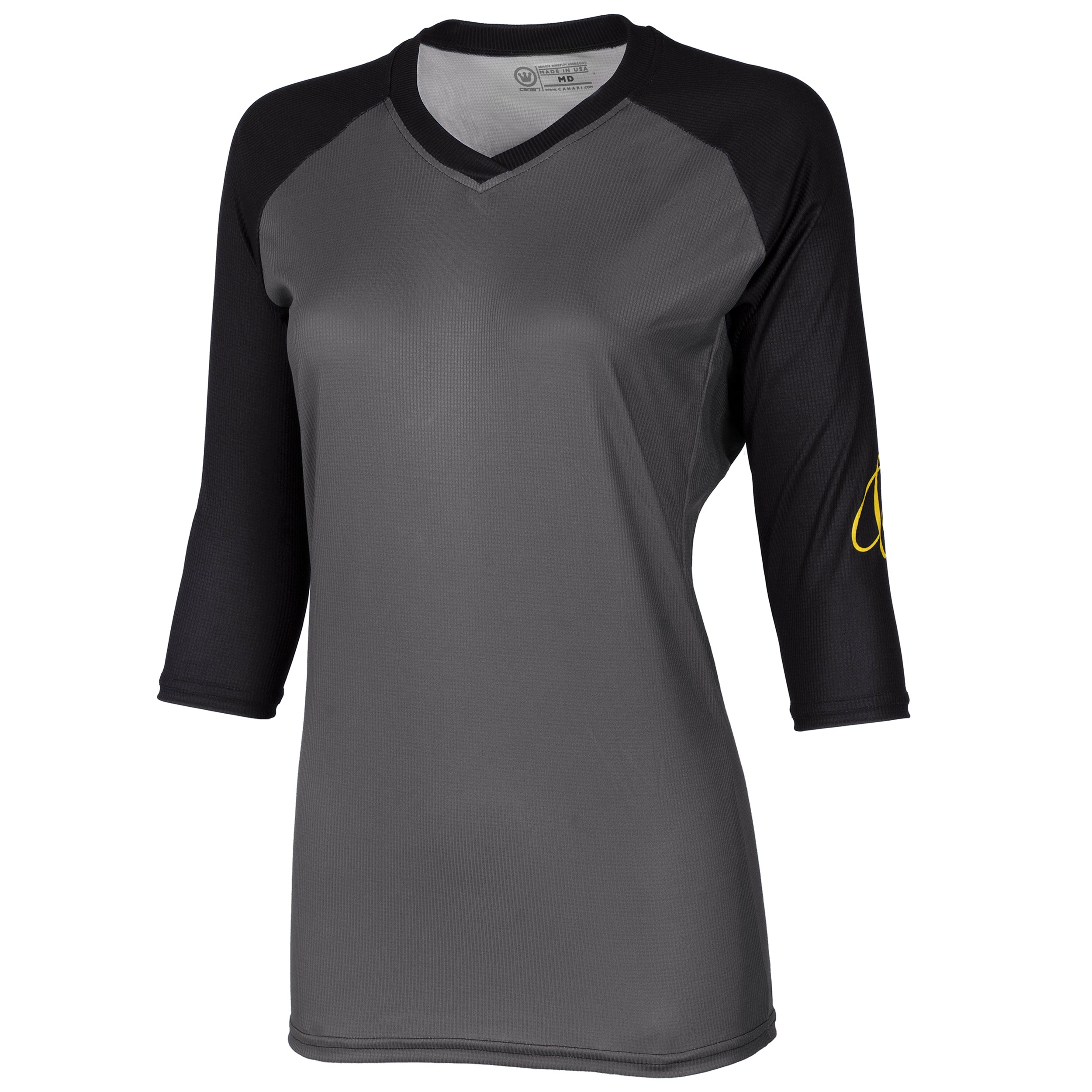

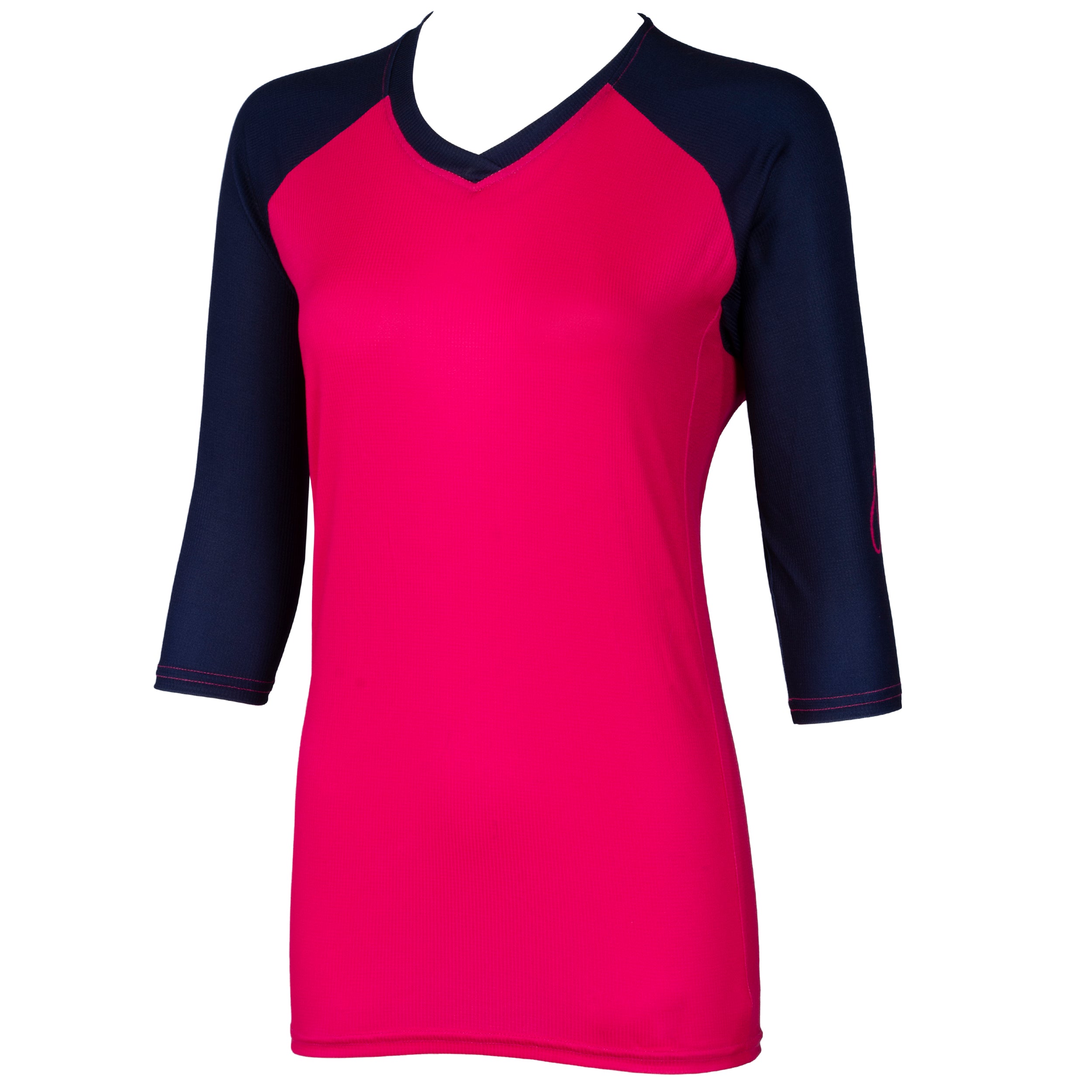

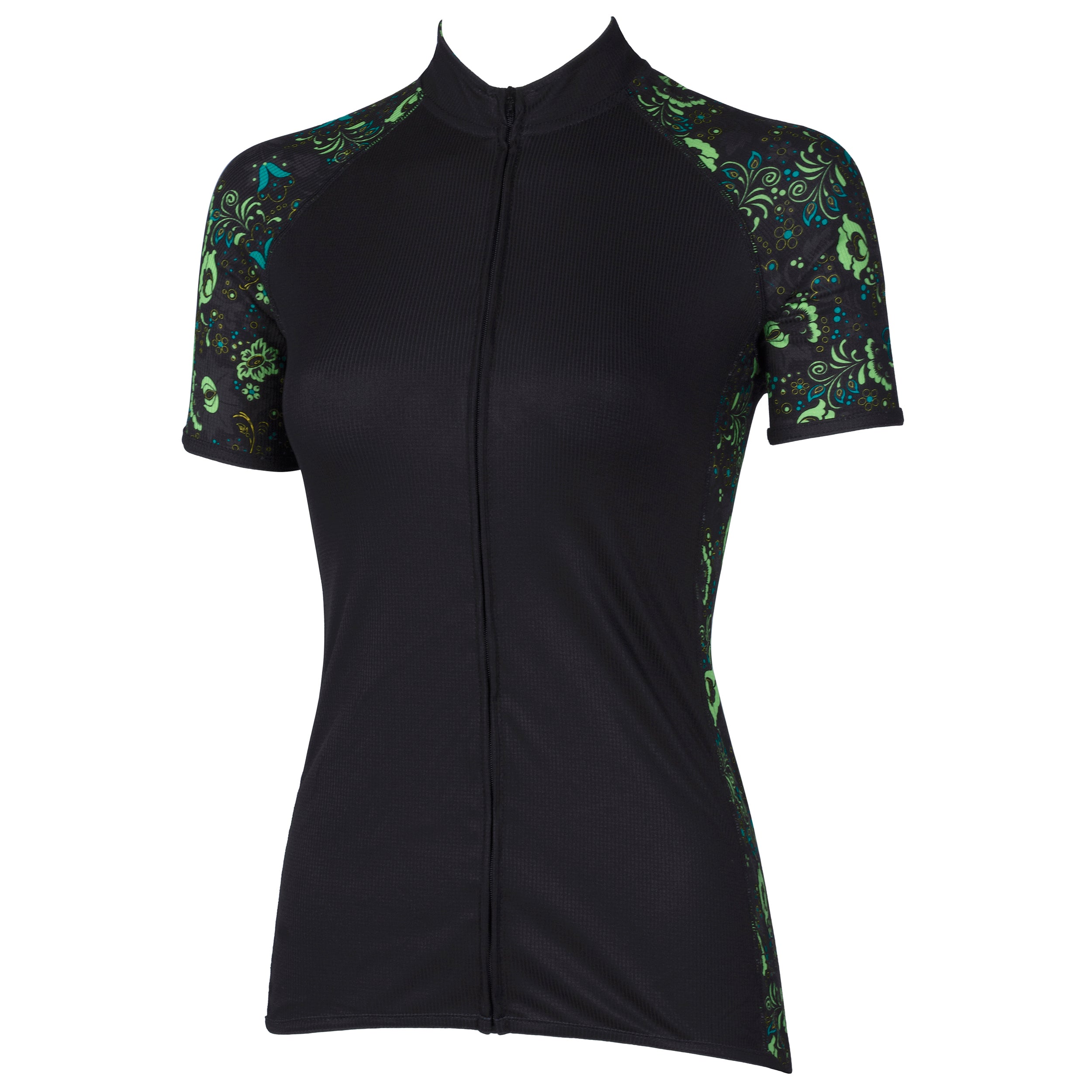

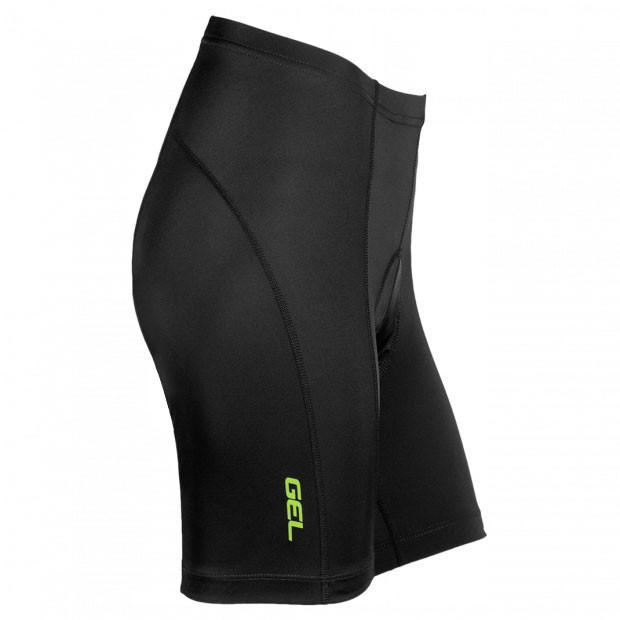

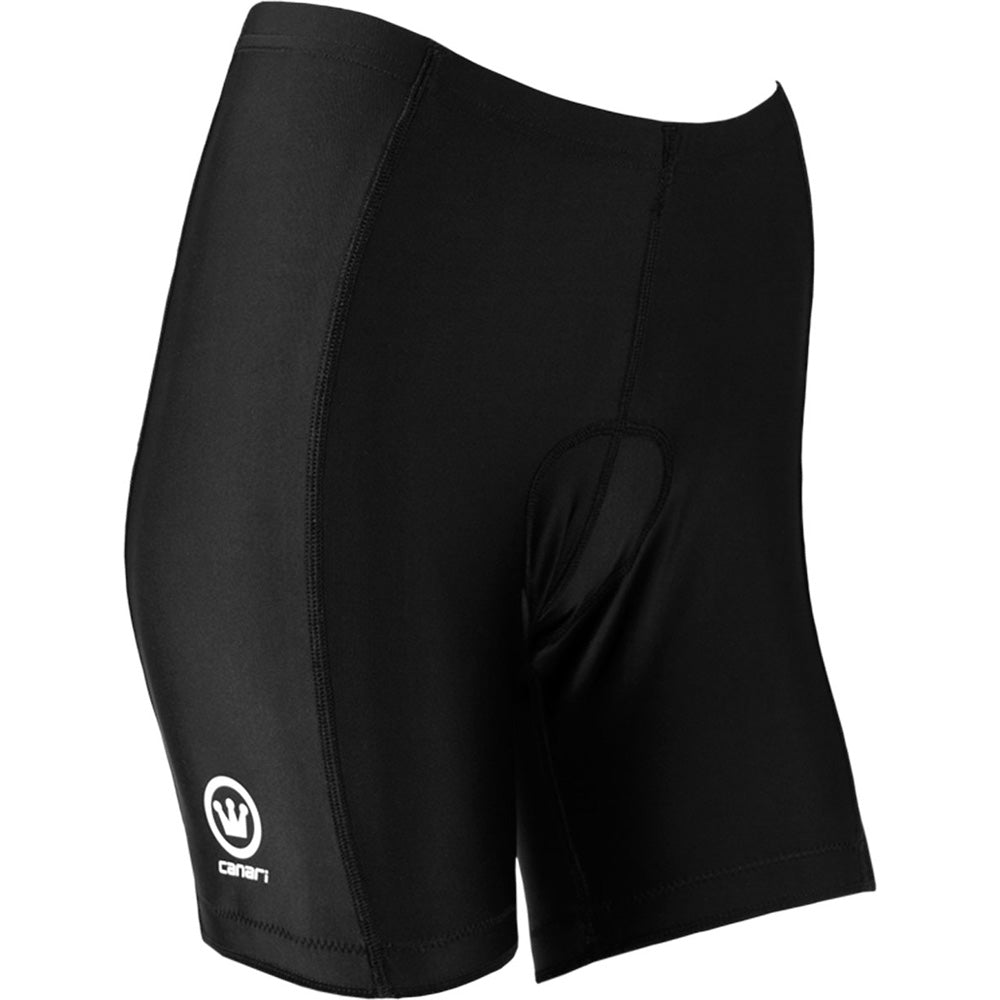

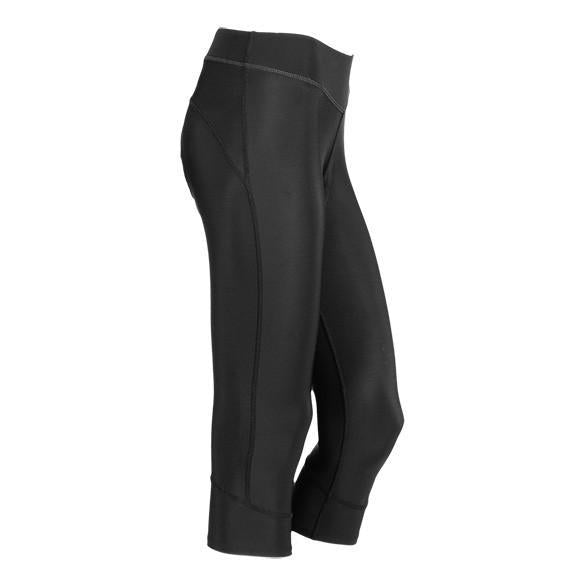

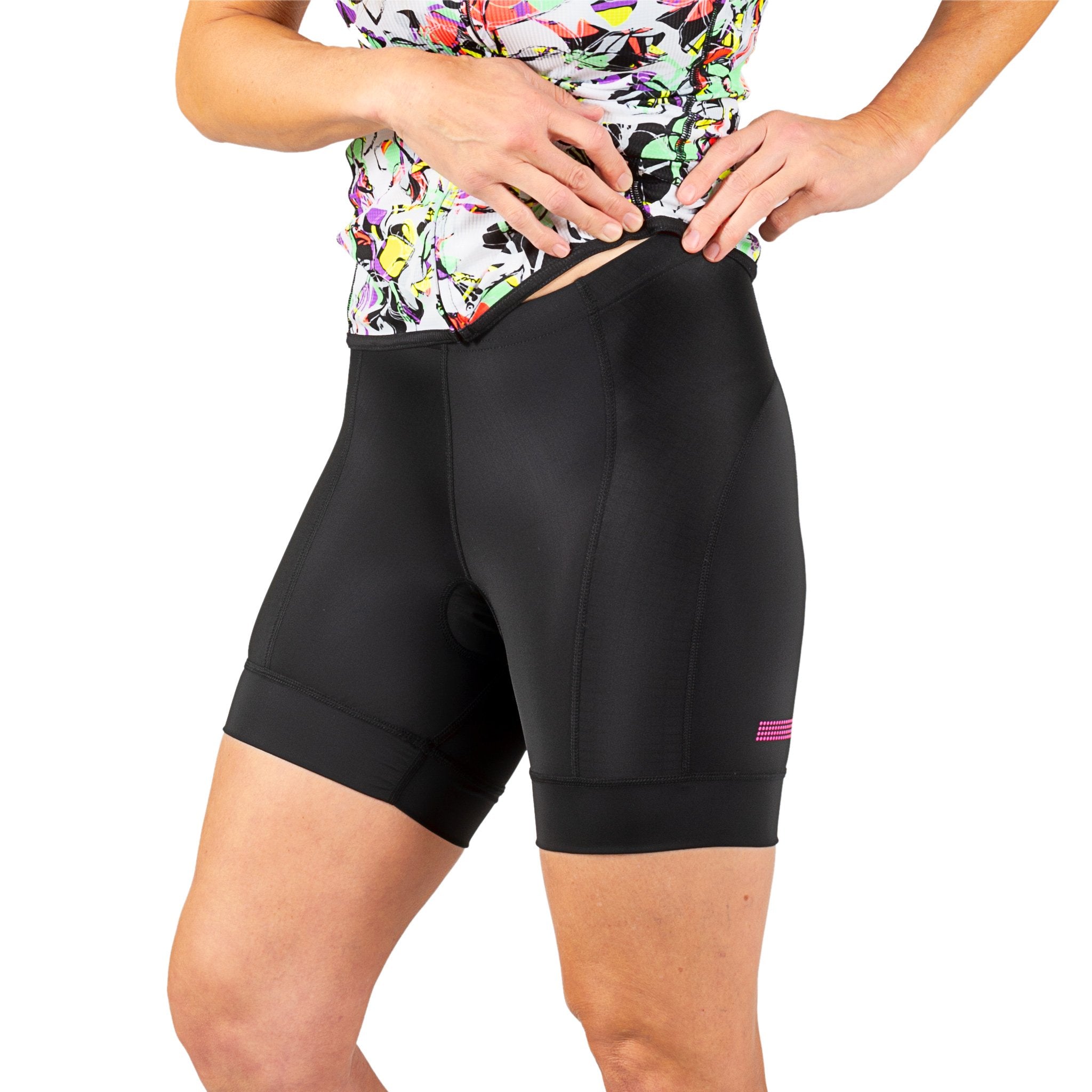




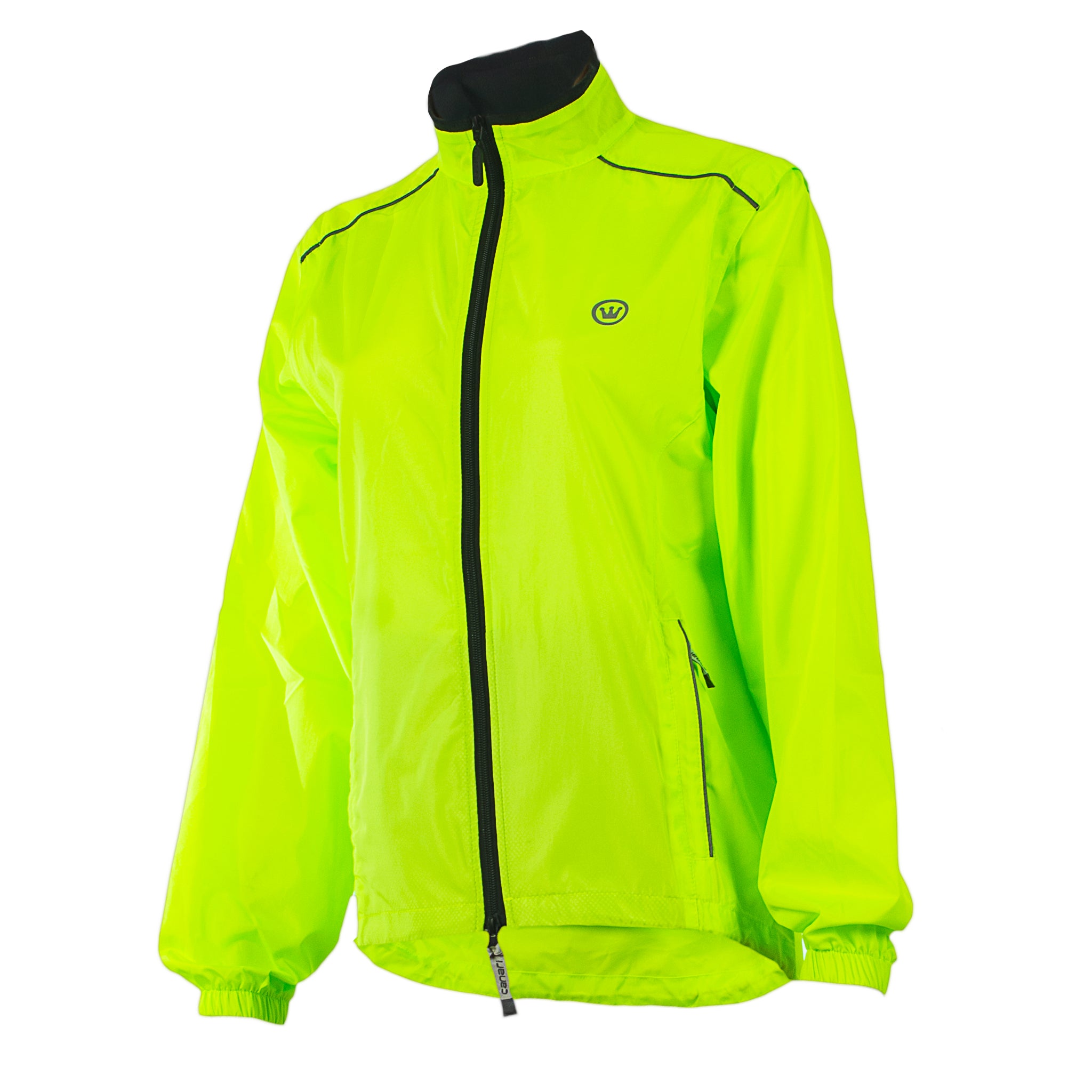


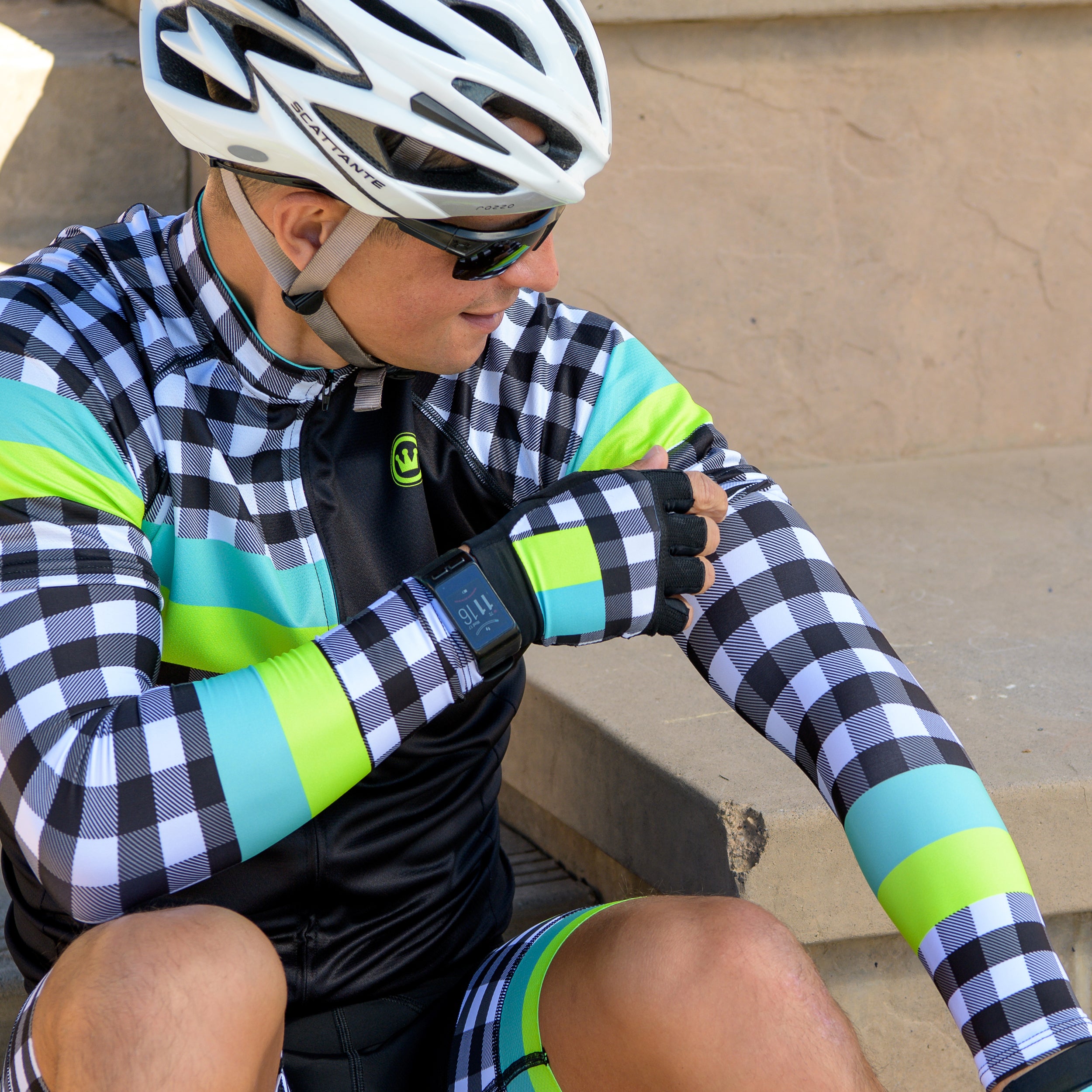





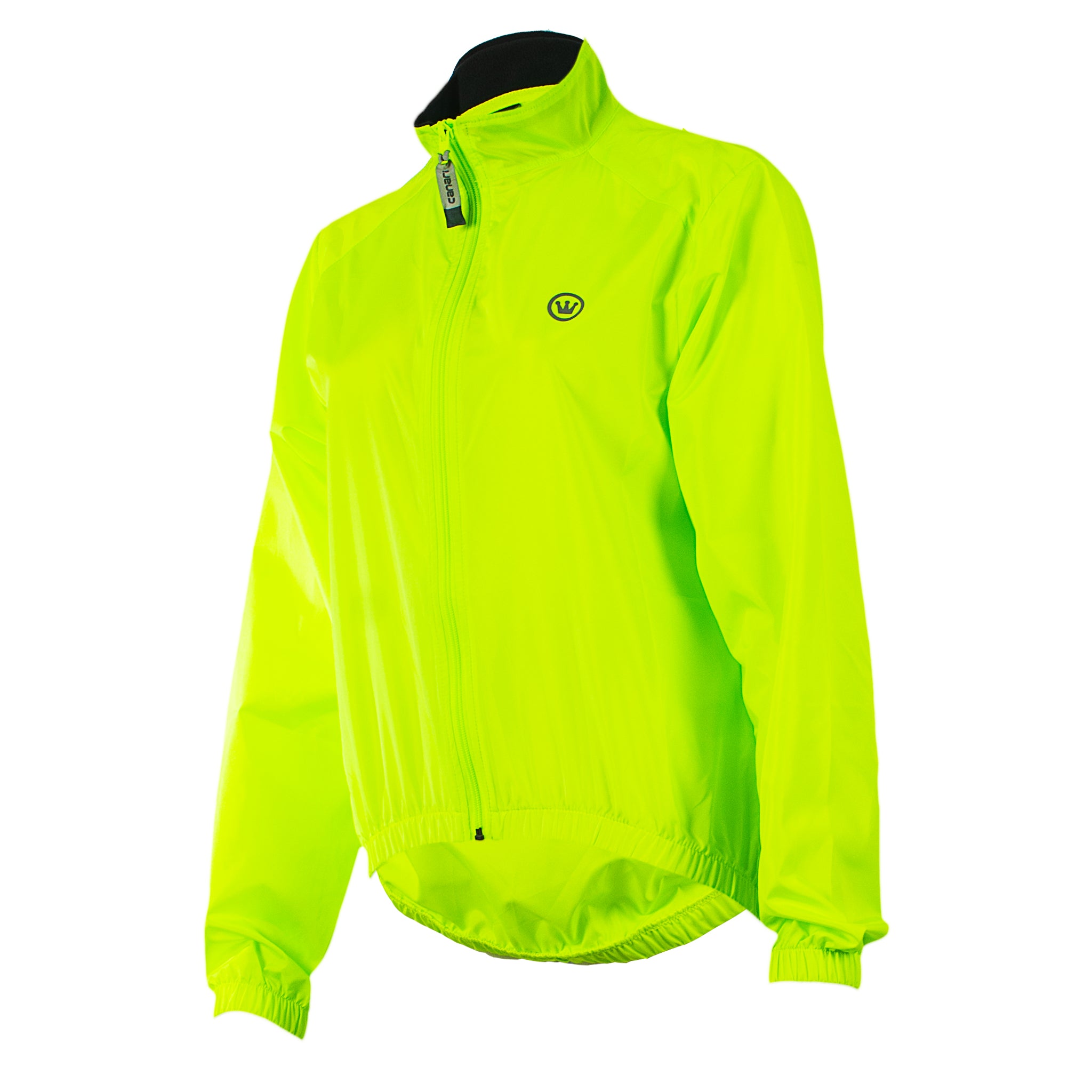

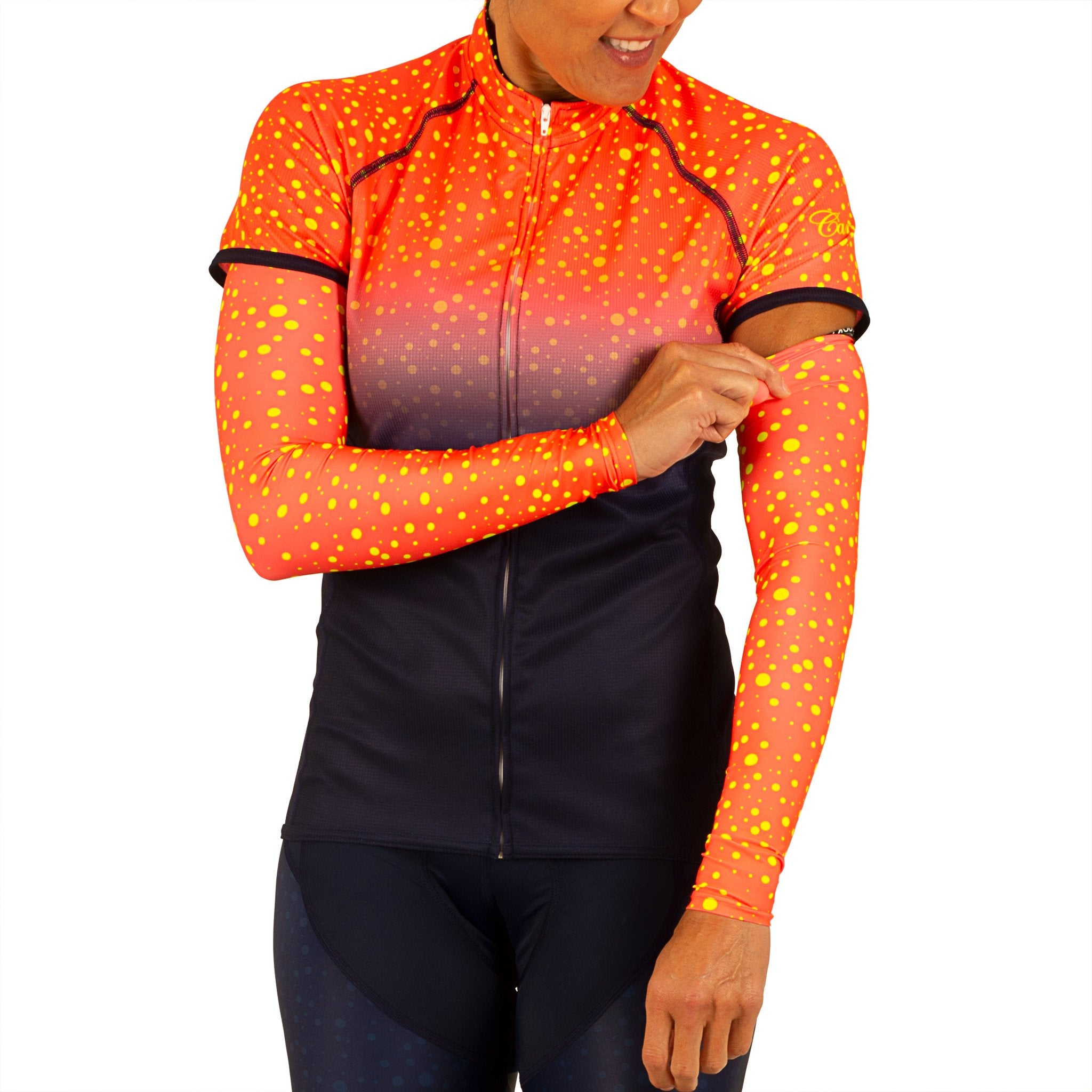


When you're cycling, the right fabric can make or break your ride. Sweat is inevitable, but the right material keeps you dry, comfortable, and performing at your best. Here's a quick guide to the top moisture-wicking fabrics for cycling:
- Polyester: Synthetic, lightweight, and durable. It wicks sweat effectively but may retain odors.
- Merino Wool: A natural option that absorbs moisture, regulates temperature, and resists odors. Softer but pricier.
- Nylon: Tough and stretchy with good moisture control. Less breathable and can pill with heavy use.
- Bamboo: Soft and breathable with natural antibacterial properties. Less durable and requires gentle care.
- Polypropylene: Highly water-resistant and insulating, but less breathable, and can feel plasticky.
- Blended Fabrics: Combines the strengths of multiple materials for better performance and comfort.
Quick Comparison
| Fabric | Moisture-Wicking | Breathability | Durability | Comfort | Key Drawback |
|---|---|---|---|---|---|
| Polyester | Excellent | Moderate | High | Lightweight | Retains odors |
| Merino Wool | Excellent | High | Moderate | Soft | Expensive |
| Nylon | Excellent | Moderate | High | Stretchy | Prone to pilling |
| Bamboo | Good | High | Low | Very soft | Needs extra care |
| Polypropylene | Excellent | Low | High | Insulating | Feels synthetic |
Each fabric has its pros and cons. For hot, humid rides, synthetic options like polyester or nylon excel at wicking sweat. For cooler or variable weather, merino wool shines with its natural temperature regulation. Bamboo offers a softer, eco-friendly option, while polypropylene is great for wet or cold conditions. Blended fabrics provide a balance of features tailored to cycling needs.
Choose based on your riding conditions, budget, and preferences. The right fabric can keep you comfortable and focused on the road ahead.
1. Polyester
Polyester stands out for its ability to wick moisture, dry quickly, and withstand wear and tear. Whether you're on a casual weekend ride or pushing through an intense training session, this synthetic material is designed to keep you comfortable and performing at your best by managing sweat effectively.
Moisture-Wicking Performance
One of polyester's standout features is its hydrophobic fibers, which repel moisture. This means sweat is quickly moved from your skin to the fabric's surface, where it evaporates, keeping you dry during high-effort rides.
"Polyester fabrics provide breathability and help to wick or pull the moisture away from your body so you don't feel cold and wet as you are cycling." - Pactimo
Breathability
Cycling jerseys made from polyester often incorporate smart fabric placement. For example, windproof panels on the front and shoulders shield you from the elements, while breathable, stretchy materials under the arms and across the back ensure proper ventilation.
Durability
Polyester is known for its resilience. It resists shrinking, stretching, and wrinkling, which means your cycling gear will maintain its shape and look, even after repeated use.
"Well-liked because of its durability, quick-drying properties and resistance to wrinkles, polyester is often found in our most worn pieces of clothing – from school uniforms to work shirts and even sportswear." - Woolite
To help your polyester cycling gear last longer, follow these care tips:
- Turn garments inside out before washing to avoid snags.
- Use low to medium heat when washing, drying, or ironing, as high temperatures can damage the fibers.
- Air dry your gear instead of using a dryer to preserve the fabric.
- Skip fabric softeners, as they can reduce the material's moisture-wicking abilities.
Comfort
Polyester delivers consistent comfort for cyclists, though it may retain odors after washing. Its lightweight feel allows for a full range of motion, and it holds vibrant colors well, keeping your gear looking sharp ride after ride.
At Canari Cycling Apparel, we use high-quality polyester to craft cycling gear that balances performance and comfort, ensuring you're ready for any road or trail ahead.
2. Merino Wool
Merino wool stands out for its ability to manage moisture naturally, offering a clear advantage over synthetic fabrics. While synthetic materials are designed to wick sweat away from the skin, merino wool can absorb up to 35% of its weight in water before it even starts to feel damp. Studies show that merino wool provides 96% better moisture buffering than polyester, 45% better than cotton, and 26% better than viscose. On top of that, it’s highly breathable, making it a favorite for activewear.
"What this study shows is what athletes have been telling us anecdotally for years: that wool breathes, buffers and performs better across a range of real-world conditions." - John Roberts, Woolmark Managing Director
Breathability
The breathability of merino wool comes from its unique fiber structure. Its natural crimp creates tiny air pockets that improve ventilation while allowing it to absorb moisture without feeling wet. Whether you’re cycling in the crisp cold or under the hot summer sun, merino wool naturally adjusts to maintain a comfortable temperature, making it a reliable choice for cyclists across the diverse climates in the U.S.
Durability
While merino wool is known for its softness, it’s also surprisingly durable when blended with other materials. Combining merino wool with polyester or nylon increases its strength, making it more resistant to wear and tear [9]. With proper care, merino wool garments can deliver long-lasting performance, making them a smart investment for active lifestyles.
Comfort
Merino wool’s elasticity provides a snug, flexible fit that moves with you, ensuring unrestricted motion during rides. Its smooth texture helps prevent chafing, even during long-distance cycling. Plus, its natural odor resistance keeps bacteria at bay, so your gear stays fresher for longer between washes.
"Merino wool base layers are naturally breathable, insulating and odour-resistant." - Kenny Stocker
At Canari Cycling Apparel, we rely on merino wool's perfect balance of performance and comfort to ensure cyclists are ready for any condition. It’s a material built to perform as hard as you do.
3. Nylon
Nylon stands out as a go-to fabric for cycling gear, thanks to its toughness and ability to handle moisture. It efficiently pulls sweat away from the skin and holds up under the wear and tear of regular rides - whether you're navigating busy streets or taking on rugged trails.
Moisture-Wicking Performance
Nylon is designed to keep you dry during intense rides. Its structure works to move sweat away from your skin, helping you stay comfortable. When used in mesh designs, nylon takes this a step further by increasing airflow, ensuring sweat evaporates quickly, and helping you maintain an ideal body temperature.
Breathability
In addition to its moisture-wicking abilities, nylon excels in breathability. Mesh nylon jerseys, in particular, are great at promoting airflow, thanks to their open-weave design. This feature helps prevent overheating and keeps humidity at bay, making it a reliable choice for hot weather or high-intensity rides.
Durability
Like polyester and merino wool, nylon is built to last. Its tough fibers can handle the constant movement of cycling and occasional brushes with bike parts or outdoor obstacles. Plus, it holds up well after repeated washing, making it a dependable option for long-term use.
Comfort
When combined with spandex or elastane, nylon becomes even more versatile. This blend allows the fabric to move with your body while maintaining its shape. The added stretch provides both support and flexibility, giving you compression benefits that enhance muscle performance without sacrificing comfort.
"Performance Fabric: Main body made from 84% Nylon and 16% Spandex for the ideal blend of compression, breathability, and durability" - Aero Tech Designs
This combination ensures garments offer the support cyclists need for efficient movement, while also stretching and recovering with every pedal stroke.
At Canari Cycling Apparel, we understand the importance of nylon's ability to manage moisture, endure wear, and provide comfort. These qualities make it a key player in creating high-performance cycling gear that matches your energy and ambition on every ride. Stay tuned as we dive into the pros and cons of various fabrics in the next section.
4. Bamboo
Bamboo fabric stands out as a natural choice that balances environmental responsibility with impressive performance features. For cyclists, it offers a versatile option that performs well in various riding conditions while being kind to the planet.
Moisture-Wicking Performance
One of bamboo's standout features is its ability to wick moisture effectively. Thanks to its hollow fiber structure, bamboo fabric can absorb up to three times its weight in water before feeling damp. This makes it ideal for pulling sweat away during moderate rides. However, its performance can vary during high-intensity activities, so it’s worth checking the fabric blend when choosing bamboo cycling gear.
Breathability
Bamboo fabric also excels in breathability. Its natural porous fibers allow for efficient air circulation, helping regulate body temperature in different weather conditions. This lightweight material prevents heat from building up against the skin, making it a practical choice for cyclists who encounter fluctuating temperatures during their rides.
Durability
When cared for properly, bamboo garments can last three to five years. The fibers are strong and resistant to pilling, making them a durable option for regular use. To extend the life of bamboo apparel, wash it in cold water on a gentle cycle and let it air dry.
Comfort
Cyclists often praise bamboo fabric for its soft, luxurious feel, often compared to cashmere or silk. Beyond comfort, bamboo contains bamboo kun, a natural antimicrobial agent that helps prevent bacteria and odors. It also offers UV protection, adding another layer of practicality for outdoor riders.
At Canari Cycling Apparel, we incorporate bamboo into our designs to create gear that combines performance with environmental care, giving cyclists a sustainable and comfortable option for their adventures.
sbb-itb-1992862
5. Polypropylene
Polypropylene stands out as a synthetic fabric designed to handle the demands of cycling in tough conditions. Known for its ability to manage moisture effectively, it’s a go-to choice for cyclists who need reliable performance in varying weather. Its non-absorbent nature helps maintain thermal insulation during and after intense rides, making it particularly useful for cold-weather cycling.
Moisture-Wicking Performance
One of polypropylene’s key strengths is its ability to wick moisture away from the skin. Unlike fabrics that absorb sweat, polypropylene ensures quick moisture transfer. Studies have shown that cotton/polypropylene (C/PP) blends outperform those with polyester, acrylic, or nylon when it comes to wicking height and water uptake.
Breathability
By efficiently moving sweat and air away from the skin, polypropylene enhances breathability, keeping cyclists cool and dry during long rides. Specialized blends like Coolskin, featuring an ultralight and open-fiber design, further improve this effect, making it a reliable option for maintaining comfort during intense sessions.
Durability
Polypropylene fibers are built to last. They resist tearing, puncturing, and warping while holding their strength even at temperatures up to 160°F (90°C). These fibers are also highly resistant to abrasion and heat, ensuring they stay intact through harsh conditions like heavy rain or strong winds. This durability translates to gear that performs dependably, ride after ride.
Comfort
While polypropylene may feel slightly rougher compared to other synthetic fabrics, its lightweight design and moisture-wicking capabilities make it comfortable for cyclists. It’s often used in undergarments to create a dry base layer. When blended with materials like merino wool, it results in fabrics that strike a balance between comfort and breathability.
At Canari Cycling Apparel, we incorporate polypropylene into our performance gear, ensuring cyclists stay dry and comfortable regardless of the weather or the intensity of their ride. Its moisture-wicking properties make it an essential material for those who demand high-performance cycling apparel.
6. Fabric Blends
Fabric blends take cycling apparel to the next level by combining the strengths of different materials to enhance performance. Instead of relying on the properties of a single fiber, manufacturers mix materials with complementary qualities to address specific needs.
Blended fabrics are designed to strike a balance between competing requirements. For instance, polyester-spandex blends, widely used in performance cycling gear, often include 90–98% polyester for its moisture-wicking and quick-drying abilities, paired with 2–10% spandex for flexibility and shape retention. Similarly, nylon-spandex blends bring together durability and stretch, making them an excellent choice for long rides and intense cycling sessions.
Moisture-Wicking Performance
One of the standout features of blended fabrics is their ability to manage moisture effectively. For example, polyester-merino wool blends combine 60–80% polyester for moisture transport and durability with 20–40% merino wool, which excels at temperature regulation and odor resistance.
Cotton-viscose blends offer a smooth, silky texture while improving moisture transport, providing natural comfort that cyclists appreciate. Bamboo blends, on the other hand, are praised for their moisture management, along with added benefits like natural UV protection and antimicrobial properties - perfect for sunny outdoor rides.
This superior moisture control often goes hand-in-hand with enhanced breathability in thoughtfully crafted fabric blends.
Breathability
Blends like cotton-linen improve airflow compared to pure cotton while reducing the wrinkle-prone nature of linen. Polyester-viscose blends, meanwhile, maintain shape, resist wrinkles, and promote airflow. Advanced body-mapping fabrics take breathability even further by using different blend ratios in targeted areas, ensuring cyclists get ventilation exactly where they need it most. This is particularly beneficial for indoor riders, who generate about 30% more heat than outdoor cyclists during workouts.
Durability
Blended fabrics often outperform single-material options in terms of durability. Polyester-cotton blends, typically in ratios of 65/35 or 50/50, are more durable than pure cotton while offering greater comfort than 100% polyester. Similarly, nylon-spandex blends are a favorite for cycling shorts and tights. Nylon provides strength and abrasion resistance, while 2–10% spandex ensures the fabric maintains its shape, reducing wear and tear over time.
Comfort
Comfort in fabric blends comes from carefully balancing the tactile qualities of different materials. For example, merino wool blended with synthetic fibers combines the softness and temperature-regulating properties of wool with the quick-drying efficiency of modern synthetics. This makes for base layers that stay comfortable in a variety of conditions.
| Material Blend | Key Benefits | Best For |
|---|---|---|
| Nylon–Spandex | Durable, stretchy, form-fitting | Long-distance rides, intense cycling |
| Polyester–Spandex | Lightweight, breathable, quick-drying | High-intensity rides, hot weather cycling |
| Merino Wool–Polyester | Soft, temperature-regulating, odor-resistant | Multi-day tours, variable weather conditions |
Cotton-viscose blends also enhance comfort by providing a silky feel and reducing heat buildup during extended rides.
At Canari Cycling Apparel, we craft our gear using expertly designed fabric blends. These blends ensure cyclists experience the moisture management, breathability, durability, and comfort they need for every ride.
Advantages and Disadvantages
Each fabric brings its own strengths and challenges, and choosing between them is a matter of balancing performance and comfort. Here’s a closer look at the pros and cons of popular cycling fabrics.
Polyester is a go-to option for cyclists due to its excellent moisture-wicking abilities and durability. It maintains its shape and color even after repeated washes, making it a reliable choice. However, its breathability is limited, which can leave it feeling damp against the skin. Plus, it tends to hold onto odors, lacking the natural antibacterial properties of some other materials.
Merino wool offers a luxurious feel with natural temperature regulation and built-in antibacterial benefits. It’s soft, manages moisture effectively, and performs well in varying conditions. On the downside, merino wool is more expensive, requires gentle care, and isn’t as long-lasting as synthetic fabrics.
Nylon stands out for its durability and resistance to abrasions while providing a soft, stretchy feel that moves with your body. It also wicks moisture effectively. However, nylon can be pricier, has moderate breathability, and may retain odors over time. Heavy use can also lead to pilling.
Bamboo is a favorite among eco-conscious cyclists. It’s incredibly soft, hypoallergenic, and offers natural antibacterial qualities along with decent moisture-wicking capabilities. That said, bamboo fabric isn’t as durable as others, needs careful maintenance, and often comes at a higher cost.
Polypropylene is unmatched when it comes to moisture resistance. It retains insulation even when wet and provides excellent temperature regulation. However, it can feel synthetic or plasticky against the skin and lacks breathability, which might make it less comfortable for some.
Here’s a quick comparison of these fabrics’ key qualities:
| Fabric | Moisture-Wicking | Breathability | Durability | Comfort | Key Trade-off |
|---|---|---|---|---|---|
| Polyester | Excellent | Low | High | Can be clammy | Great performance, poor breathability |
| Merino Wool | Excellent | High | Moderate | Soft | Premium comfort, higher cost |
| Nylon | Excellent | Moderate | High | Smooth, Soft | Durable performance, retains odors |
| Bamboo | Good | High | Low | Soft | Eco-friendly, less durable |
| Polypropylene | Excellent | Low | High | Can feel plasticky | Water-resistant, limited breathability |
The best fabric for you depends on what matters most. If you sweat a lot, polyester’s moisture-wicking properties might be ideal. For variable weather, merino wool’s temperature regulation could make it worth the extra care and cost.
Weather is another factor to consider. In hot, humid conditions, fabrics with low moisture absorption perform better, while in hot, dry climates, merino wool can help keep your core temperature in check. To meet moisture management standards, cycling fabrics should absorb water droplets within 2 seconds and return to their original weight within 30 minutes.
At Canari Cycling Apparel, we focus on selecting materials that strike the right balance between moisture control, comfort, and durability - giving you the gear you need for every ride.
Conclusion
When it comes to cycling fabrics, picking the right material depends on your needs and the conditions you ride in, as each type brings its own set of perks.
For intense rides, synthetics like polyester and nylon are a solid choice. They wick moisture effectively, dry quickly, and are built to last. However, they might not breathe as well and can hold onto odors more than other options.
If comfort is your priority, especially on casual or long rides, natural fibers like merino wool shine. They manage moisture naturally, resist odors without chemical treatments, and regulate temperature to keep you comfortable, even during extended outings.
Weather plays a role, too. In humid southeastern areas, synthetics excel with their fast-drying properties. Meanwhile, in cooler northern or mountain regions, natural fibers like merino wool help maintain a steady and comfortable body temperature.
For cyclists who care about the environment, sustainability matters. Extending the lifespan of your cycling gear by just nine months - especially when using natural fibers - can cut your environmental impact by 20–30%.
Many riders also turn to hybrid fabrics for the best of both worlds. These blends combine the durability and quick-drying features of synthetics with the comfort and moisture-regulating benefits of natural fibers like merino wool. Plus, they often add stretch and balance moisture control for a more versatile performance.
Ultimately, matching fabrics to your ride is key. Use synthetics for high-energy sessions and natural fibers for longer, more relaxed outings. At Canari Cycling Apparel, we prioritize materials that deliver moisture control, comfort, and durability - perfect for cyclists navigating diverse climates and riding styles across the U.S.
FAQs
What are the best cycling fabrics for staying dry and comfortable in different weather conditions?
When picking cycling fabric, it’s all about matching the material to the weather and your comfort preferences. For warm days, go for moisture-wicking fabrics like Lycra, polyester, or nylon. These materials are great at pulling sweat off your skin and drying fast, keeping you cool and comfortable. If you’re riding in cooler or unpredictable weather, merino wool is a solid option. It helps regulate your body temperature, resists odors, and feels cozy. For really hot climates, stick to lightweight, breathable options like thin polyester or nylon to improve airflow and manage sweat effectively.
Choosing fabrics that handle moisture well and layering smartly can make all the difference for a smooth, comfortable ride - no matter the weather.
What are the environmental advantages of using natural cycling fabrics like bamboo or merino wool?
Natural fabrics like bamboo and merino wool stand out for their eco-friendly benefits. Bamboo grows incredibly fast, uses very little water, and thrives without the need for pesticides or fertilizers, keeping its environmental impact low. Meanwhile, merino wool is a renewable material that comes from sheep sheared annually, and it’s also biodegradable, making it a waste-conscious choice.
Opting for these natural fibers helps promote sustainable practices and reduces dependence on synthetic, petroleum-based materials. When sourced responsibly, both bamboo and merino wool play a role in creating cycling apparel that’s kinder to the environment.
How can I take care of delicate cycling fabrics like bamboo to make them last longer?
To keep your delicate cycling fabrics, like bamboo, in good shape, wash them in cold or lukewarm water on a gentle cycle with a mild detergent. Steer clear of fabric softeners and high heat, as these can damage the fibers or lead to shrinkage.
When it comes to drying, air drying is the best option. However, if you must use a dryer, stick to a low-heat setting to help preserve the fabric's quality. Taking these steps ensures your gear remains soft, durable, and ready to perform on all your rides.

