




























Want to stay comfortable and perform your best while cycling? It’s all about layering. Road cycling and mountain biking require different clothing strategies to handle their unique challenges. Here’s a quick breakdown:
- Road Cycling: Focus on windproof, aerodynamic layers for steady efforts and constant wind exposure.
- Mountain Biking: Prioritize rugged, breathable layers for variable intensity and protection against trail hazards.
Quick Comparison
| Aspect | Road Cycling | Mountain Biking |
|---|---|---|
| Intensity Pattern | Steady, sustained effort | Variable, stop-and-go |
| Wind Exposure | Constant | Intermittent |
| Protection Needs | Wind resistance, visibility | Abrasion resistance, impact protection |
| Fit Requirements | Snug, aerodynamic | Looser, allowing movement |
| Base Layer Material | Synthetic for moisture-wicking | Merino wool for temperature regulation |
| Outer Layer Features | Lightweight, windproof, high-visibility | Durable, water-resistant, ventilated |
Pro Tip: Always start with a moisture-wicking base layer to manage sweat and stay comfortable in any conditions. Whether you’re chasing speed on the road or tackling rugged trails, choosing the right layers makes all the difference.
How Road and Mountain Biking Affect Layer Choices
When it comes to cycling, the type of riding you do - road or mountain - has a big impact on the layers you choose. Road cycling tends to prioritize aerodynamics for dealing with constant wind exposure, while mountain biking demands layers that can handle changing intensities and unpredictable terrain.
Road cyclists typically deal with steady efforts on paved surfaces, where consistent wind exposure is a major factor. This means wind protection and moisture management are non-negotiable. As Kenny Stocker points out:
"The benefits of layering your cycle clothing are better temperature regulation, comfort, protection and performance"
Mountain biking, however, is a whole different ball game. Riders face varying intensity levels and sudden cooling periods, so their gear needs to adjust on the fly. Layers for mountain biking must balance breathability with durability to withstand the rigors of trail riding.
| Aspect | Road Cycling | Mountain Biking |
|---|---|---|
| Intensity Pattern | Steady, sustained effort | Variable, stop-and-go |
| Wind Exposure | Constant | Intermittent |
| Protection Needs | Wind resistance, visibility | Abrasion resistance, impact protection |
| Fit Requirements | Snug, aerodynamic | Looser, allowing movement |
| Breathability Focus | Consistent moisture management | Variable moisture control |
These differences highlight how weather and riding style shape gear decisions. For instance, cloudy or windy conditions might call for warmer layers, while sunny, calm days allow for lighter options.
Mountain biking poses additional challenges. Trails often involve encounters with brush, branches, or even the occasional fall, so gear needs to be tough yet breathable. Ideally, cycling apparel should have a moisture vapor transmission rate (MVTR) above 10,000g/m²/24h for optimal performance.
Rob Pickels, Advanced Development Project Manager at Pearl Izumi, explains the importance of base layers:
"A base layer's job shouldn't be to keep you warm or protect you from the elements. A base layer's job is to get moisture off your skin"
This advice applies across both disciplines but is especially crucial for mountain biking, where conditions can shift rapidly.
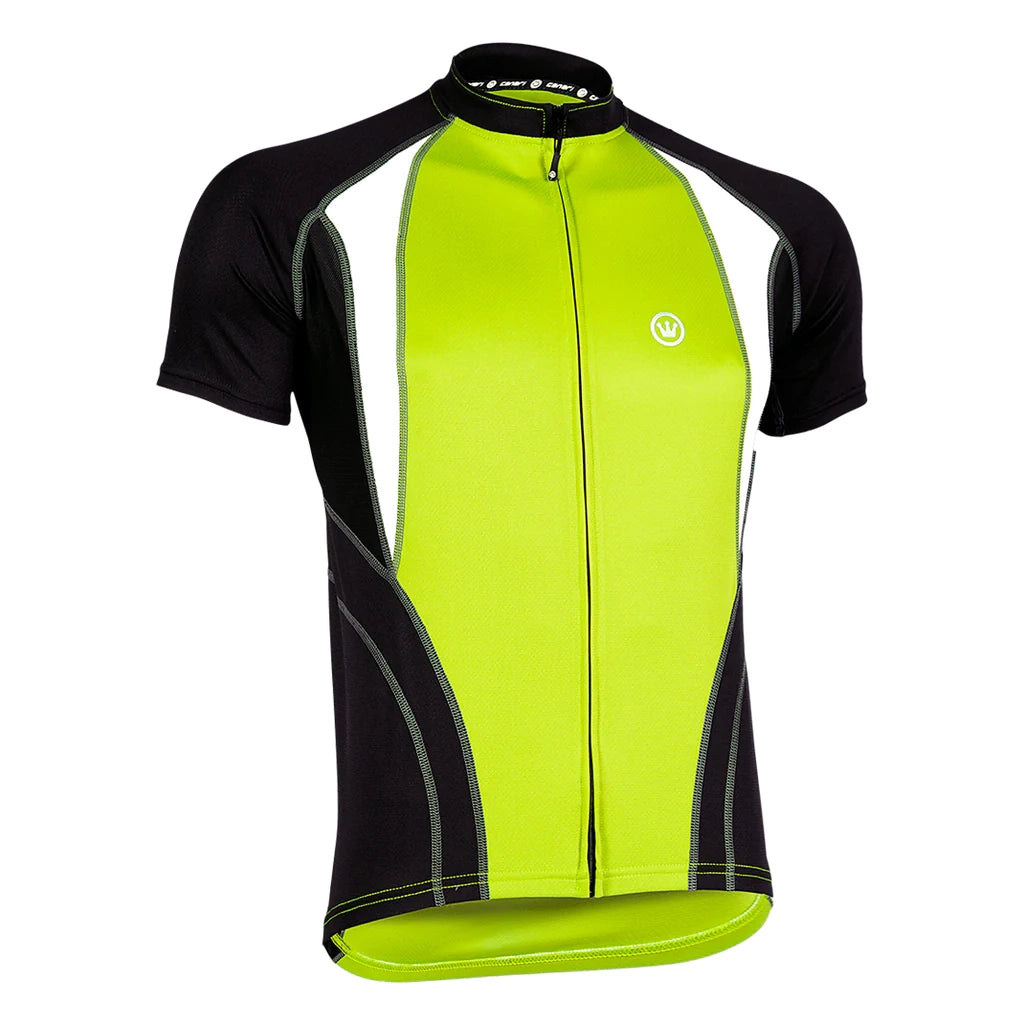
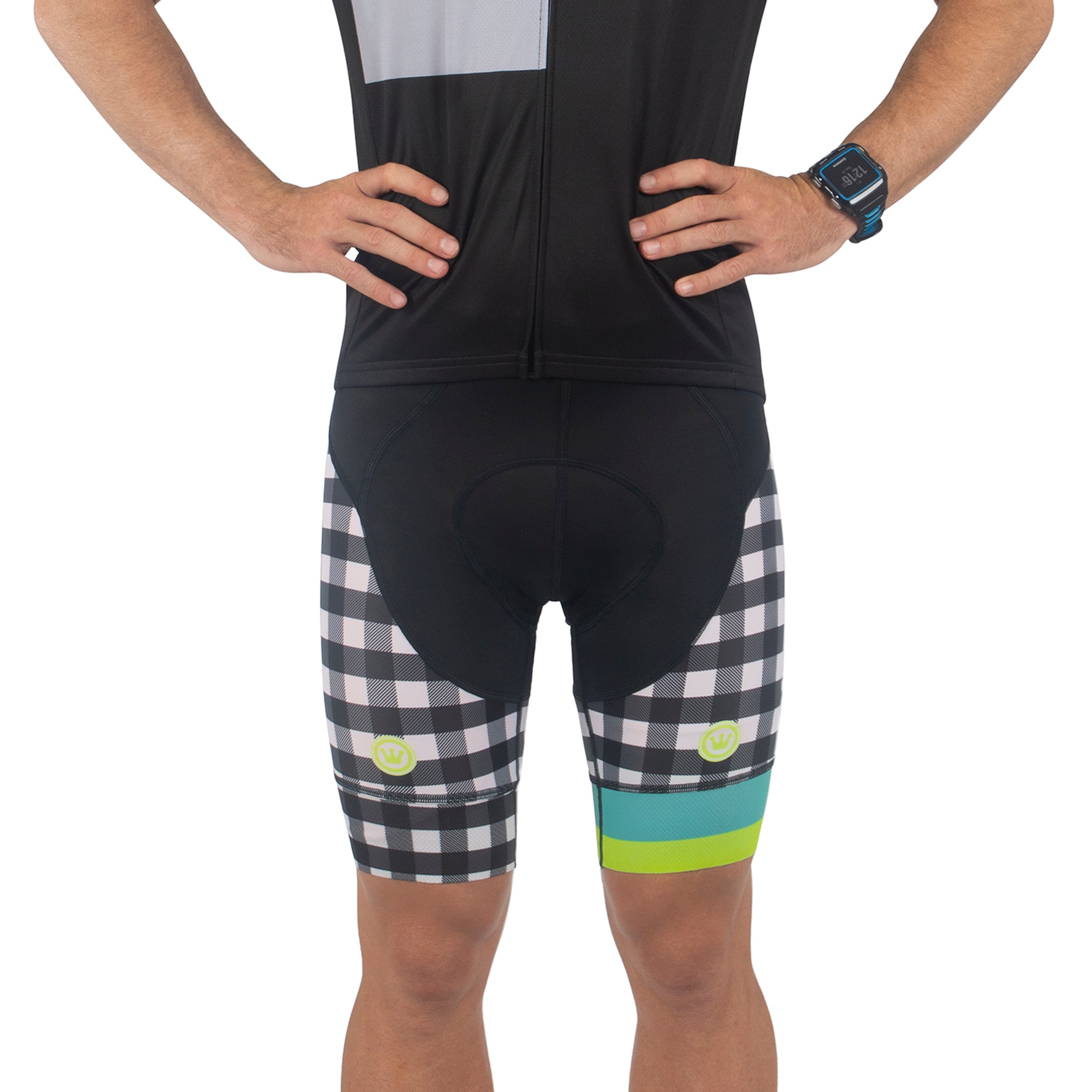
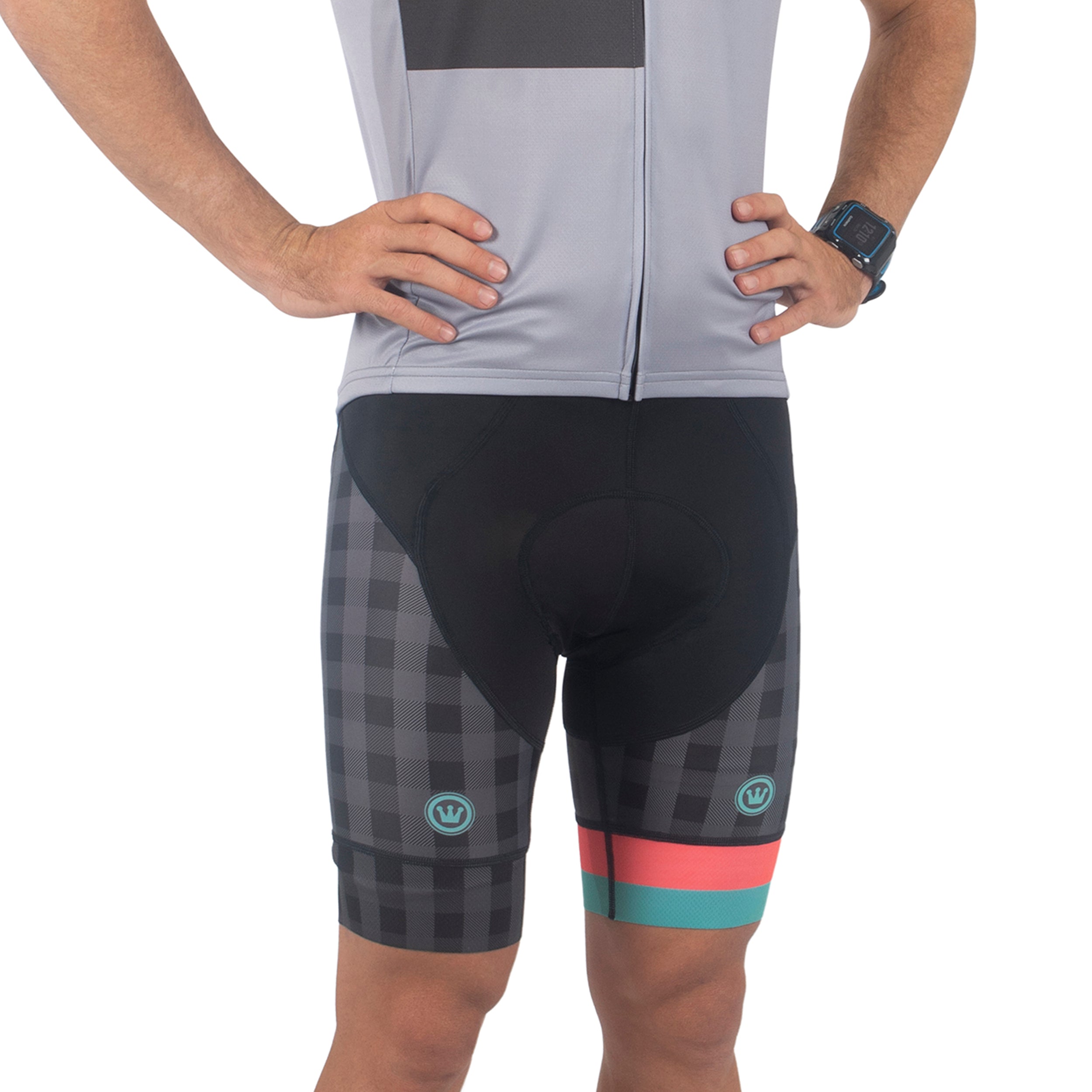
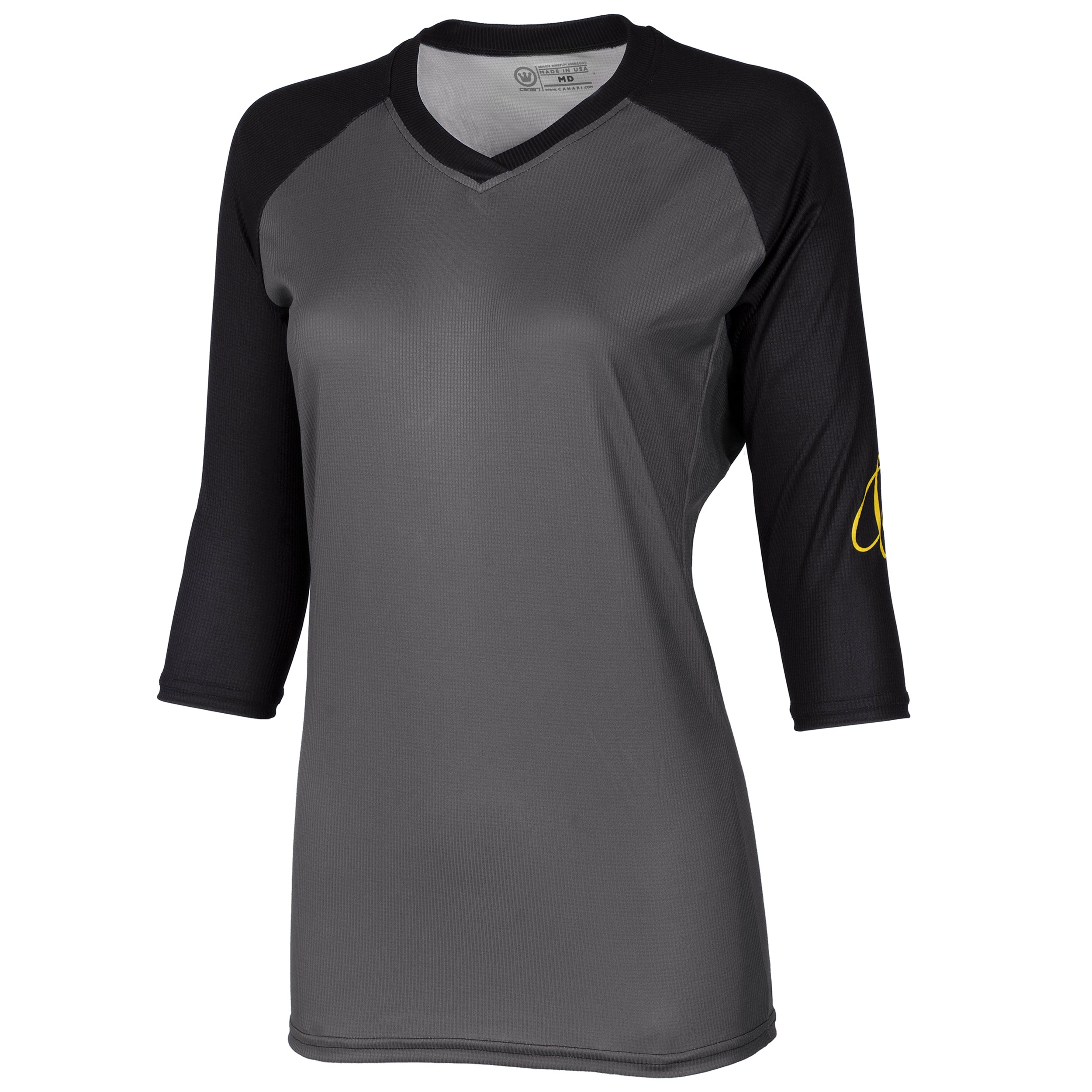
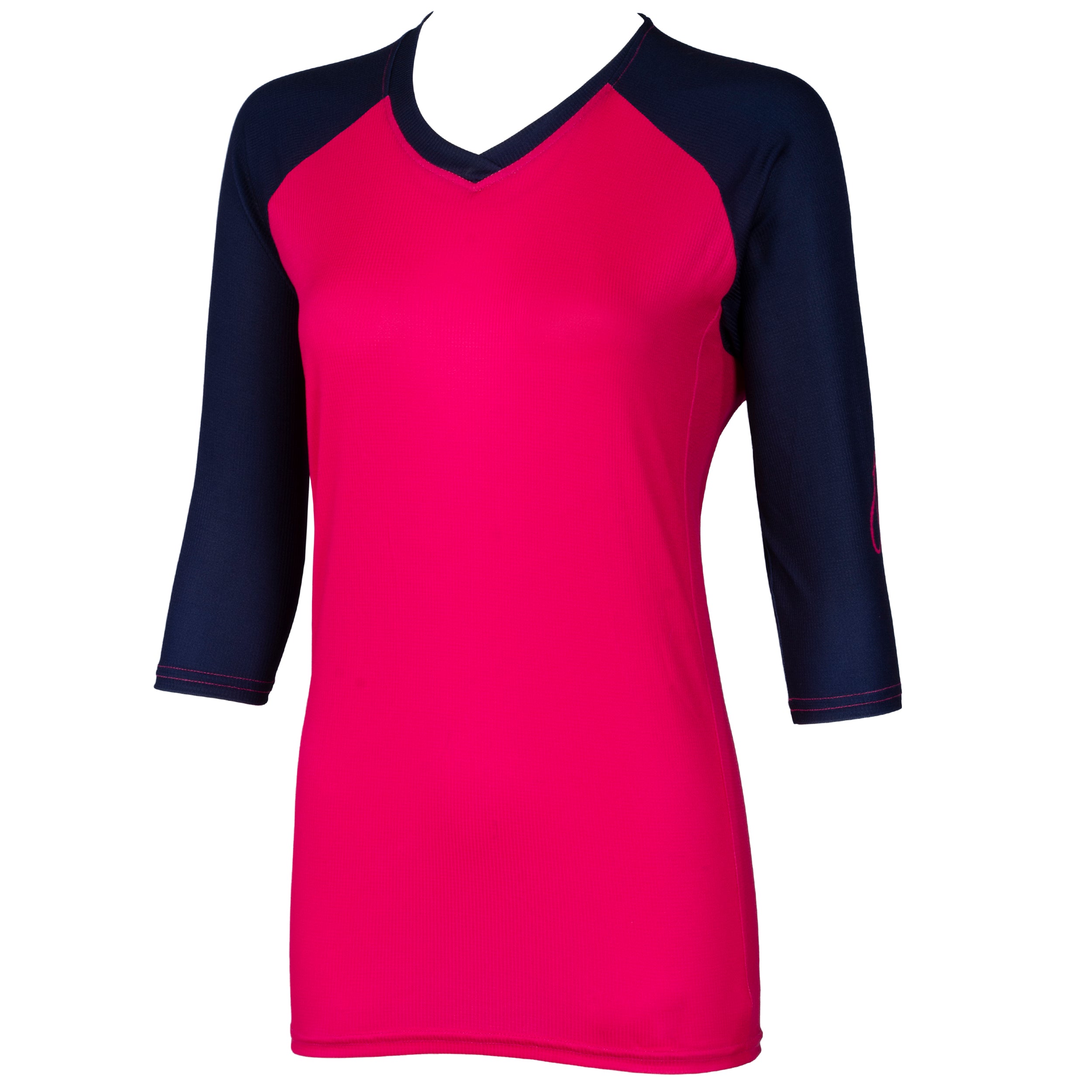
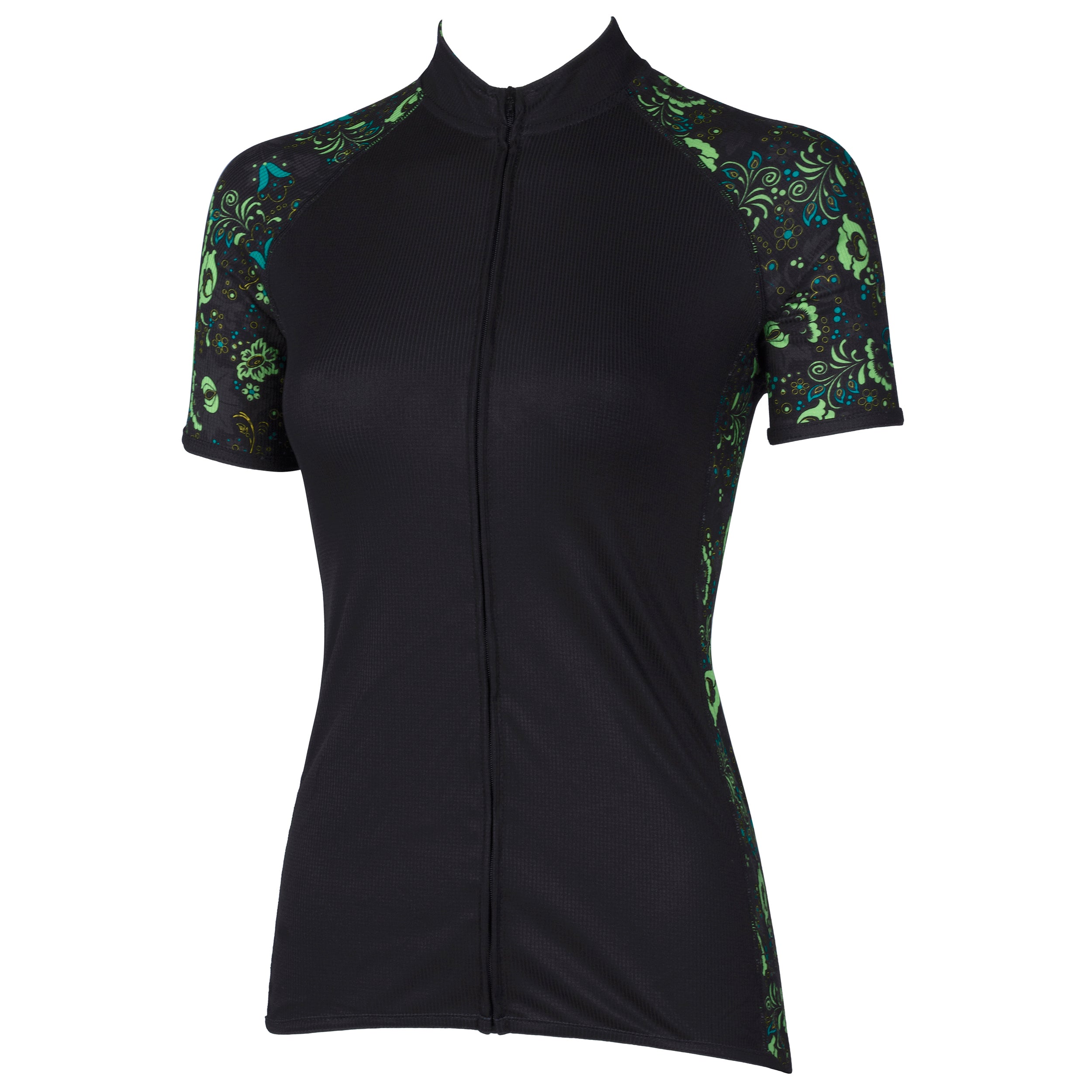
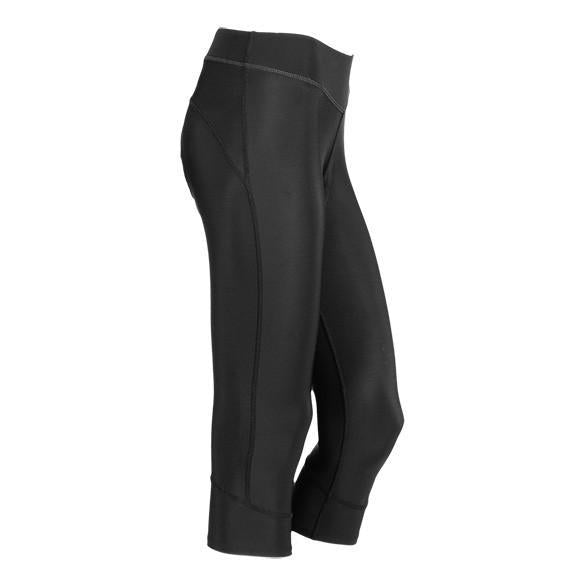
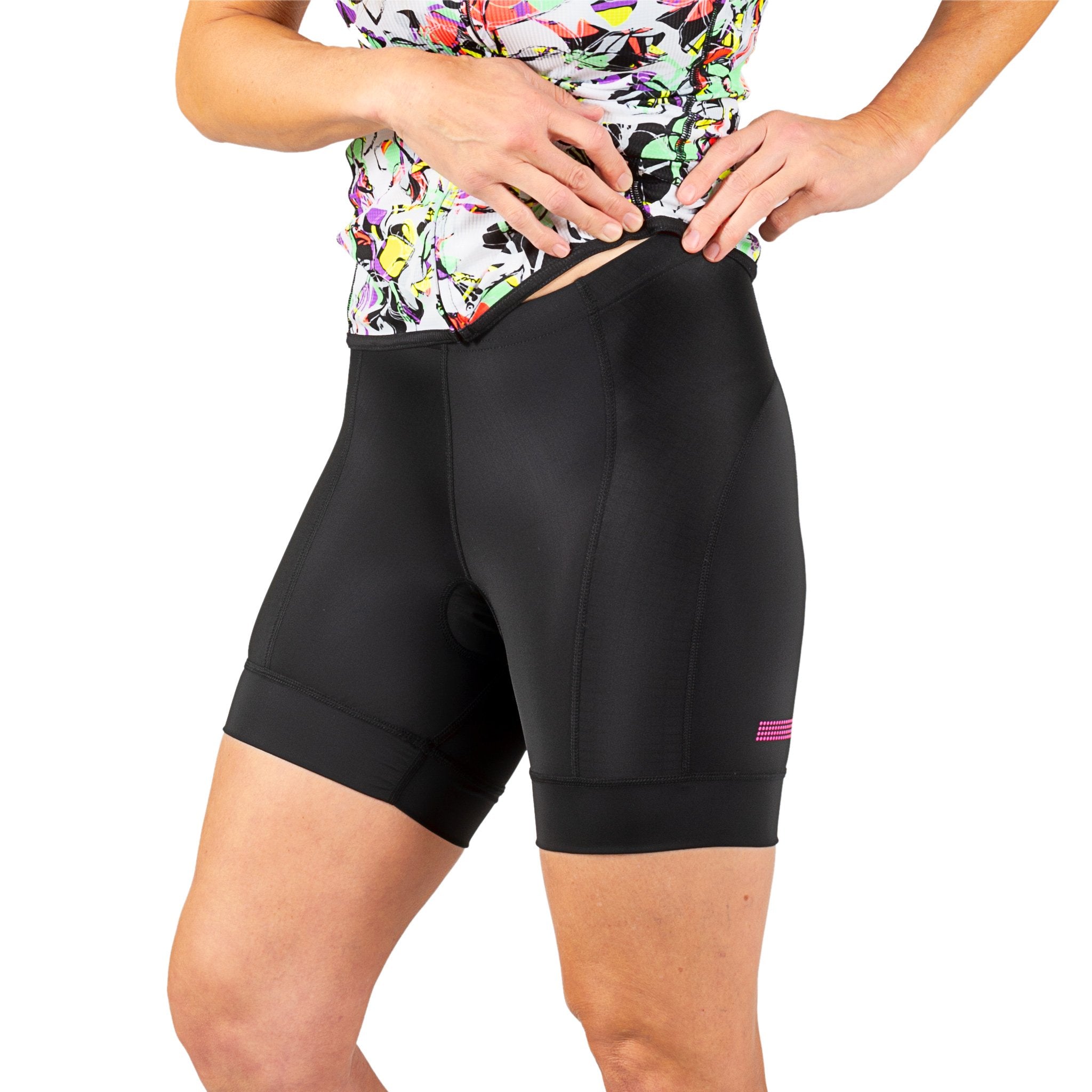
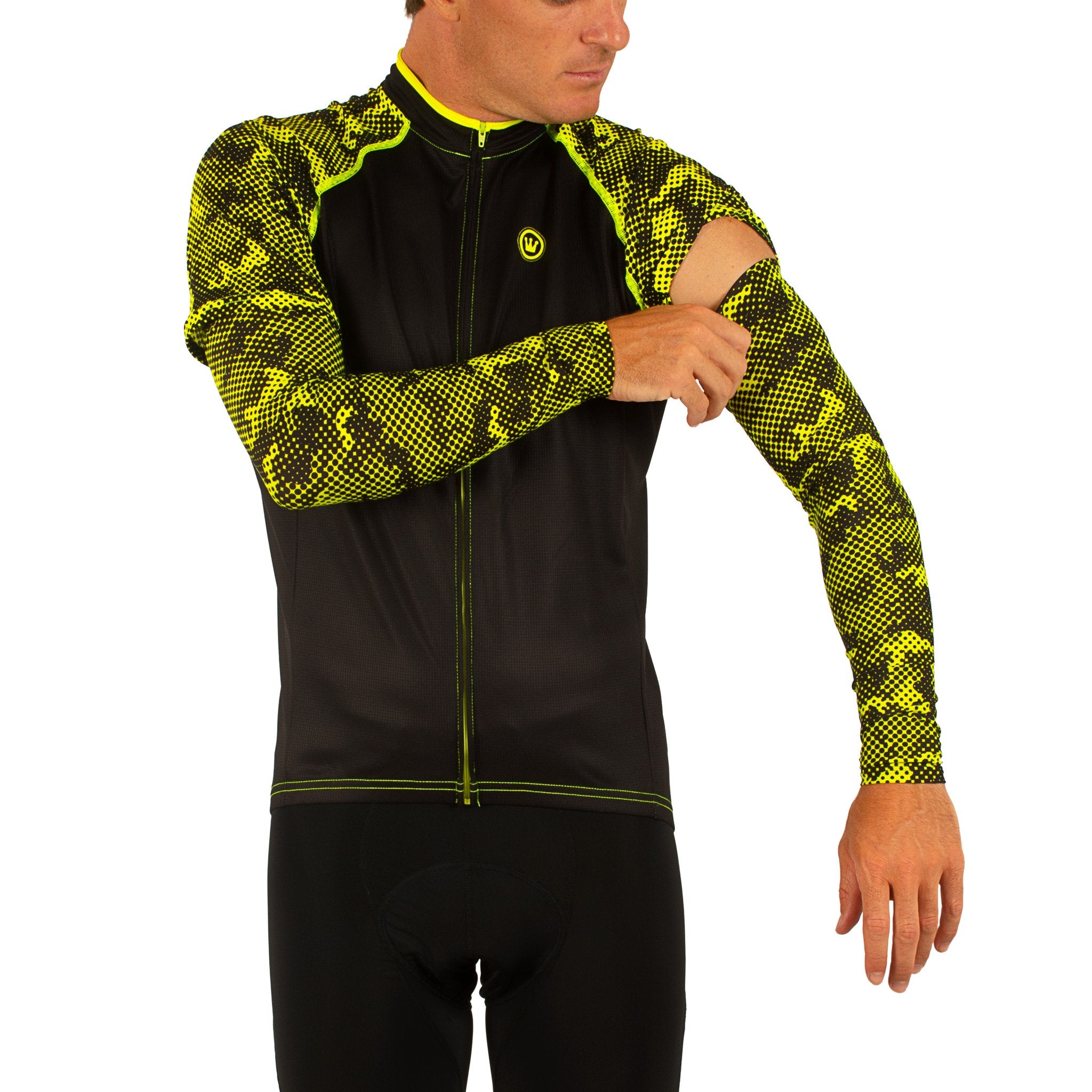
Brands like Canari Cycling Apparel cater to these specific needs with tailored collections. Their road cycling gear emphasizes streamlined designs and wind protection, while their mountain biking apparel features tougher construction and added protective elements for trail use.
Understanding these layering strategies lays the groundwork for diving deeper into the roles of base, mid, and outer layers.
Base, Mid, and Outer Layer Guide
Let’s break down the essentials for base, mid, and outer layers tailored to road and mountain biking. This layered system ensures you’re dressed for performance and comfort, no matter the terrain or conditions.
Base Layer Must-Haves
The base layer is your first line of defense against sweat and temperature changes. For road cyclists, synthetic fabrics are a top choice due to their excellent moisture-wicking properties and snug fit. On the other hand, mountain bikers often lean toward merino wool, which not only breathes well but can absorb up to 35% of its weight in water before feeling damp, making it perfect for varying conditions.
| Base Layer Material | Benefits for Road Cycling | Benefits for Mountain Biking |
|---|---|---|
| Synthetic | Wicks moisture, dries quickly | Tough, resists abrasion |
| Merino Wool | Regulates temperature, controls odor | Breathes well, stays warm when wet |
| Synthetic Blend | Combines durability and moisture control | Adds protection and comfort |
Getting the right base layer sets the tone for the rest of your gear. Next up: the mid-layer.
Mid-Layer Considerations
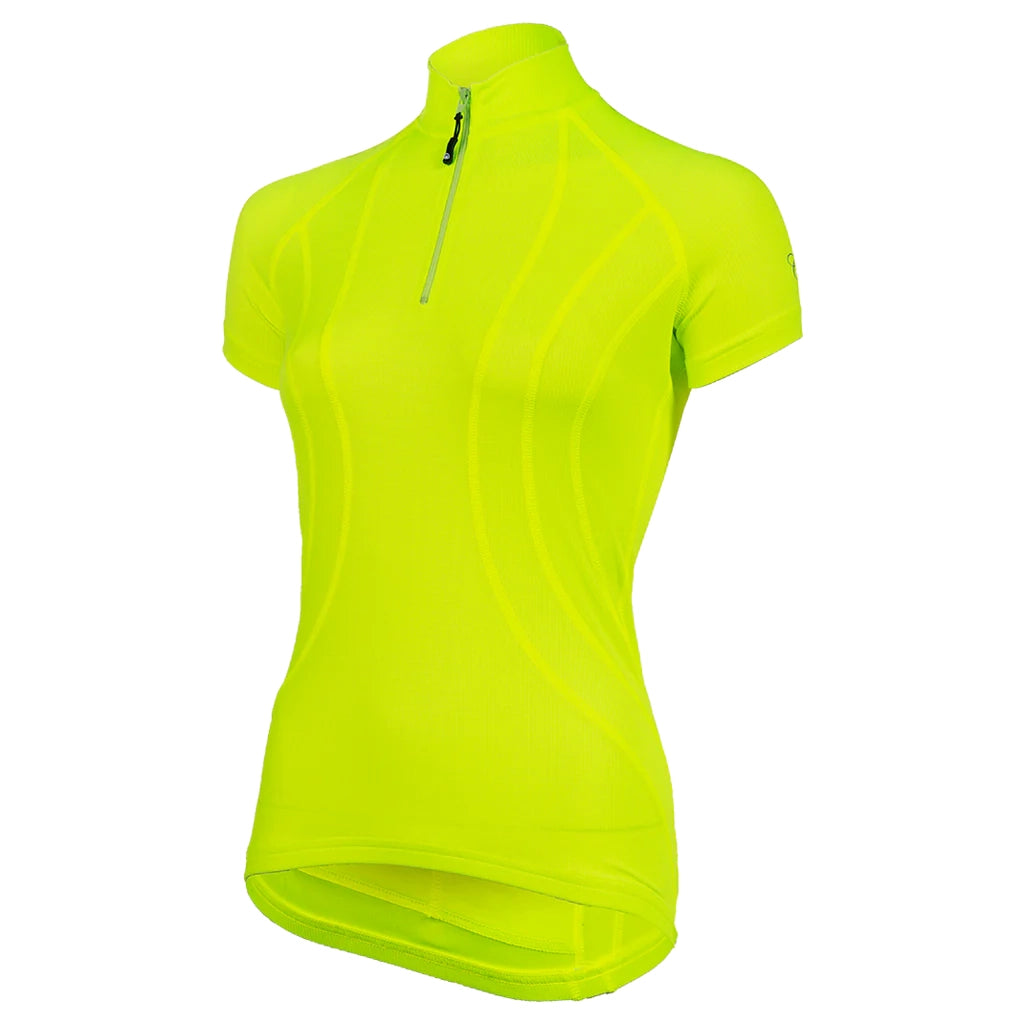
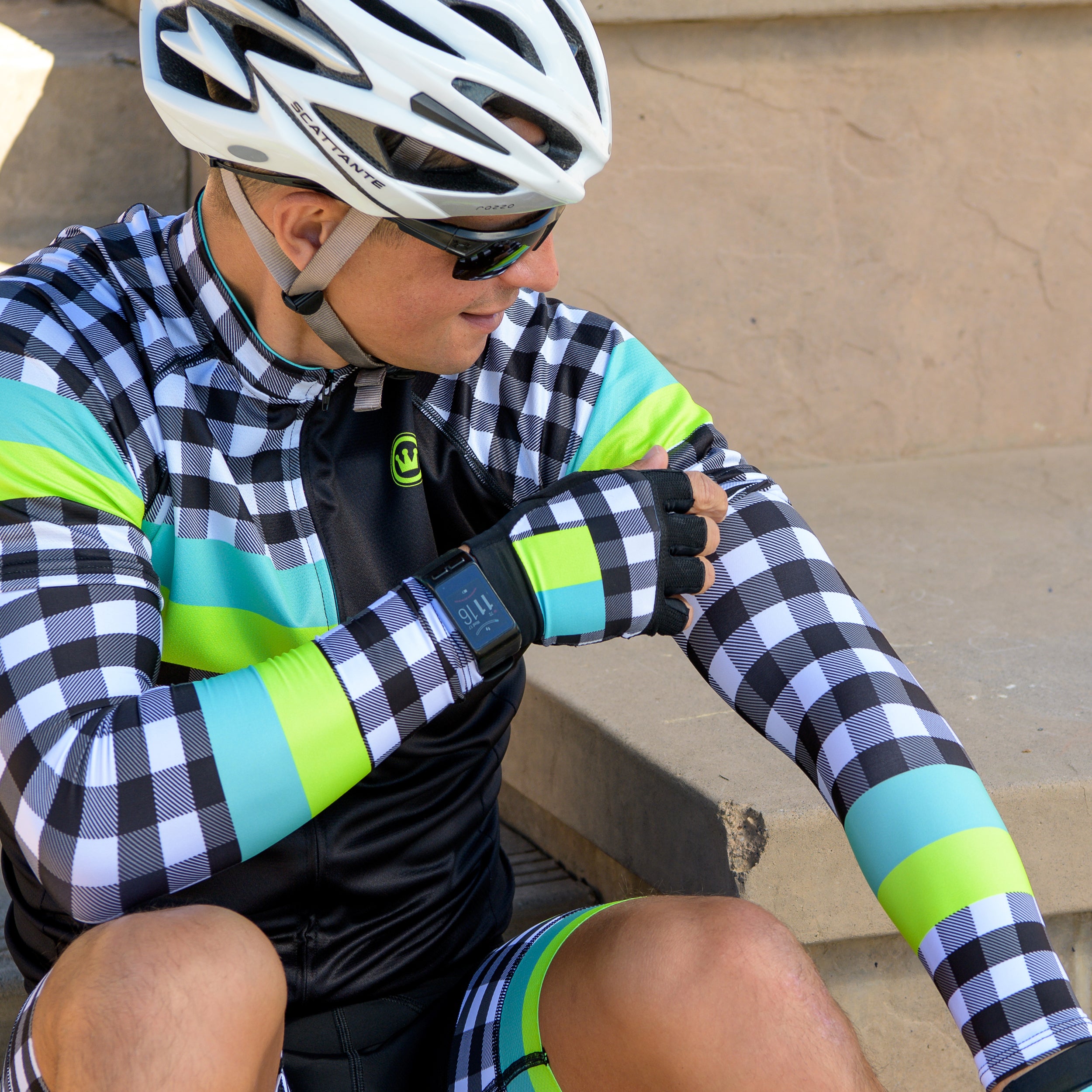
The mid-layer plays a key role in keeping you warm while maintaining mobility. For road cyclists, snug jerseys are ideal for reducing wind resistance and enhancing moisture management. Brands like Canari offer jerseys designed for aerodynamics and comfort.
Mountain bikers, however, need mid-layers that allow freedom of movement. As Cognative MTB explains:
"Unlike extreme alpine environments, layering in the Southeast is all about breathability. The right mid-layer helps trap warmth while preventing overheating"
This balance of warmth and ventilation ensures you stay comfortable on the trail.
Outer Layer Protection
Your outer layer is the shield against the elements. It needs to match your riding style and the weather. PEARL iZUMi sums it up well:
"Maintaining the optimum body temperature is an art and a science that we're committed to perfecting so you can stay comfortable in any conditions"
For road cycling, focus on outerwear that includes:
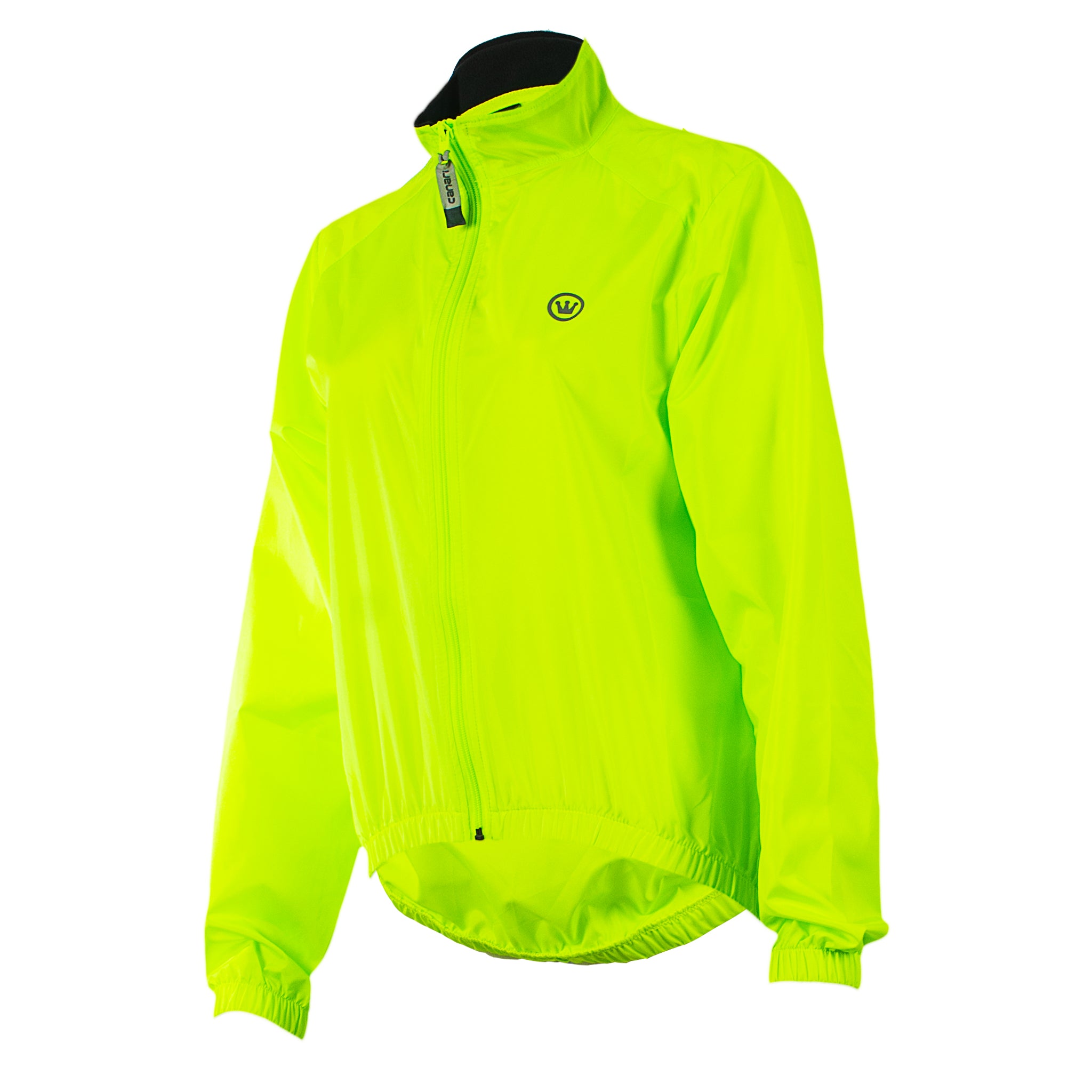
- Lightweight wind shells for breezy days
- Insulated jackets for colder weather
- High-visibility features for safety
- Ventilation options for airflow
Mountain bikers, on the other hand, should prioritize:
- Durable, water-resistant materials
- A relaxed fit to accommodate protective gear
- Strategic ventilation zones
- Abrasion-resistant panels for rugged trails
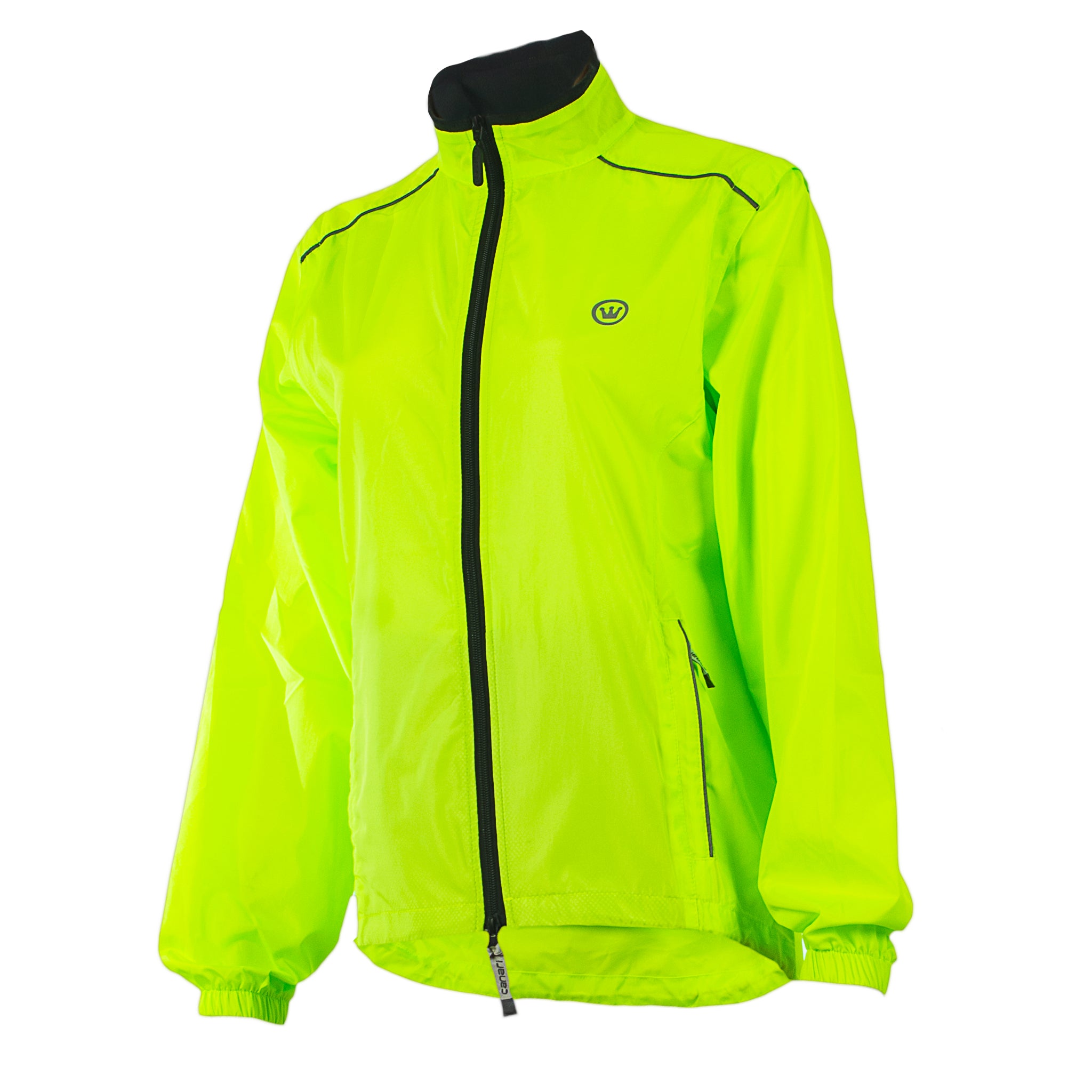
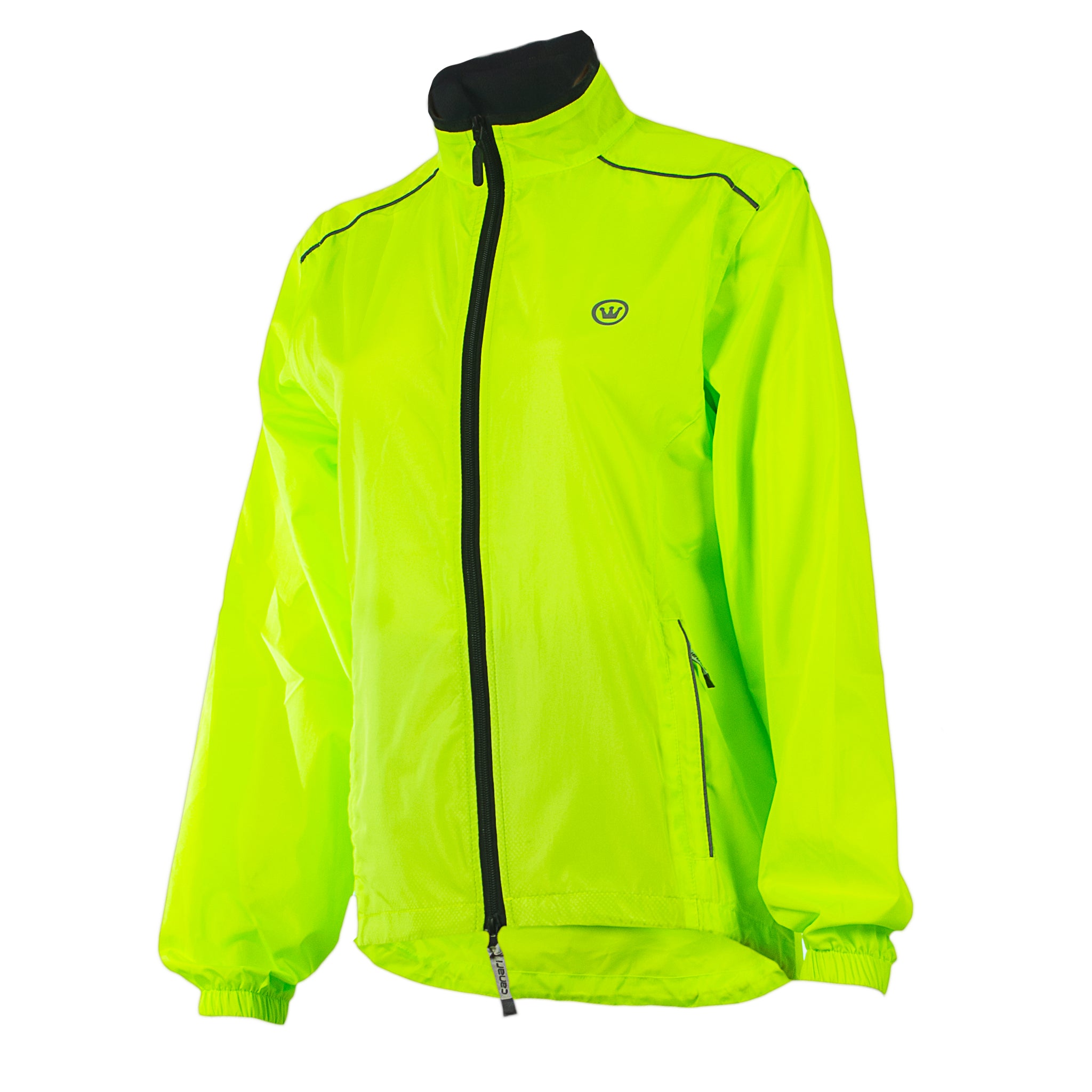
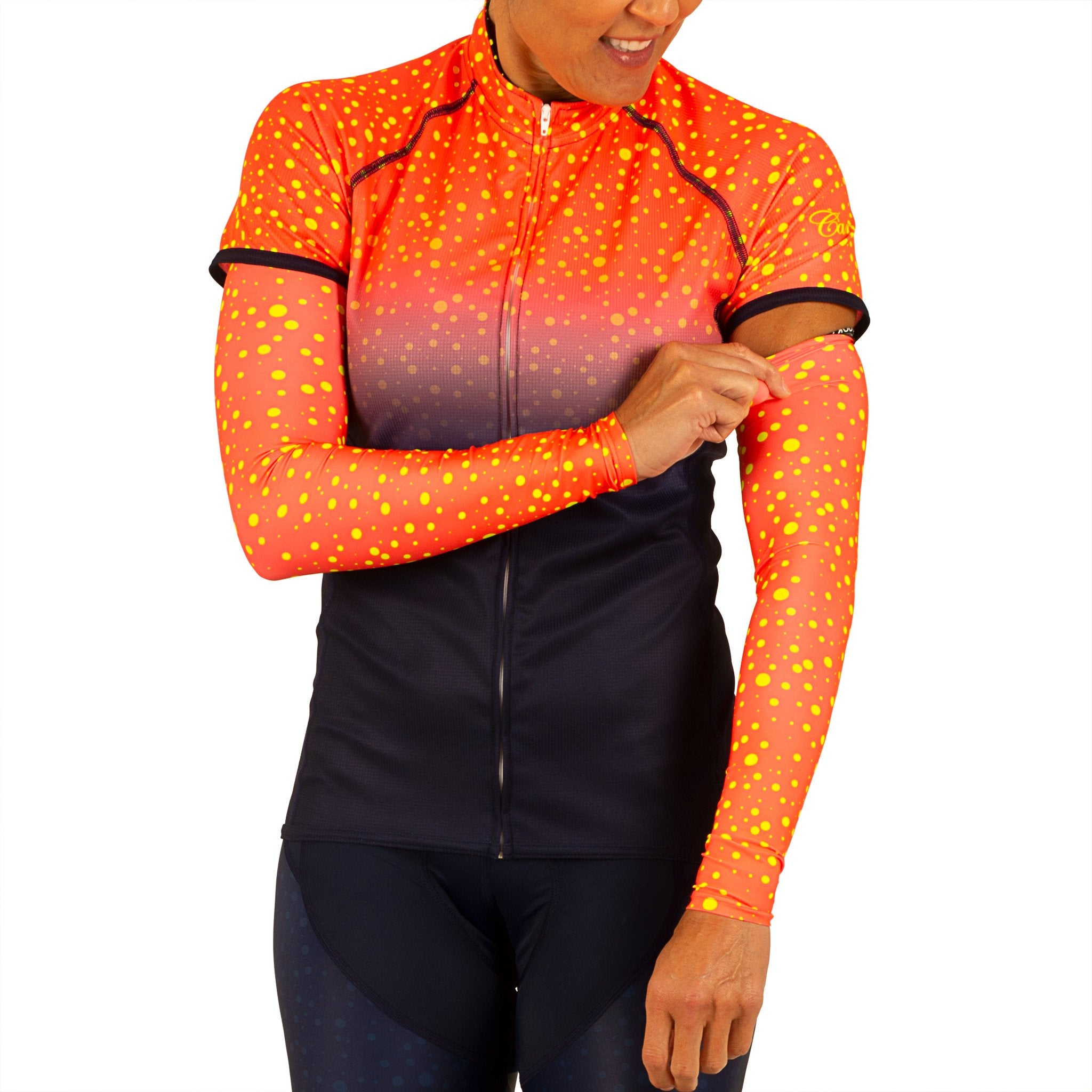
A great example is Canari's Eclipse Convertible Jacket, which adapts to changing conditions, making it a versatile choice for both road and mountain cyclists.
sbb-itb-1992862
Layer Setup Benefits and Drawbacks
Choosing the right layering setup is all about finding the balance that suits your riding style. Both road cyclists and mountain bikers have unique needs, and understanding the pros and cons of different layering systems can make a big difference in performance and comfort.
Road Cycling Layer Benefits
For road cyclists, layering is all about reducing drag and managing moisture efficiently. Once you hit speeds above 9 mph, air resistance becomes a significant factor. At around 30 mph, a staggering 90% of your power goes into overcoming drag.
| Benefit | Impact | Consideration |
|---|---|---|
| Reduced Wind Resistance | Cuts down on drag | May limit movement |
| Moisture Management | Wicks sweat quickly | Can feel cold when wet |
| Temperature Control | Keeps core temp steady | Requires pre-planning |
| Quick Adjustments | Easy to layer or shed | Limited storage options |
However, it's not all smooth sailing. Tight-fitting garments, while great for aerodynamics, can feel restrictive. And if your base layer gets soaked, it might slow down moisture evaporation. These challenges highlight how road cycling needs differ from the rugged demands of mountain biking.
Mountain Biking Layer Advantages
Mountain biking layers are built with protection and durability in mind, ensuring riders stay safe and comfortable on rough trails.
"You will not succeed in keeping extremities warm if your trunk and legs are not comfortable."
| Benefit | Impact | Consideration |
|---|---|---|
| Protection | Guards against impacts | Adds extra weight |
| Ventilation | Reduces overheating | Less aerodynamic |
| Durability | Withstands tough terrain | Can be more expensive |
| Movement Range | Allows for flexibility | May increase drag |
Mountain bikers often prioritize freedom of movement and ventilation over aerodynamics. The added weight and bulk of protective layers can slow you down, but they’re necessary for safety and comfort on unpredictable trails.
Common Challenges Across Disciplines
Despite their differences, both road cycling and mountain biking face some shared challenges when it comes to layering. For instance, down insulation offers excellent warmth-to-weight performance but loses its effectiveness when wet. On the other hand, synthetic insulation holds up better in damp conditions.
A versatile solution like Canari’s Eclipse Convertible Jacket helps address these issues, offering adaptable protection that adjusts to changing weather and activity levels.
Performance Impact
Getting your layering right isn’t just about comfort - it can seriously impact your performance. For road cyclists, an optimized setup can shave over two minutes off a 40K time trial. Mountain bikers, meanwhile, need layers that provide durability, weather resistance, and breathability to stay mobile and safe on the trail. These considerations are key to developing a layering strategy that works across different disciplines.
Conclusion
Mastering the art of cycling layering means tailoring your gear to the unique demands of your riding style. Whether you're a road cyclist chasing speed or a mountain biker tackling rugged trails, the right layers can make all the difference in comfort and performance.
For road cyclists, prioritize:
- Moisture-wicking base layers to keep sweat under control.
- Aerodynamic jerseys to minimize drag and maximize efficiency.
- Lightweight, packable outer layers that offer wind and water resistance without slowing you down.
Mountain bikers, on the other hand, should focus on:
- Breathable base layers to handle the exertion of tough climbs.
- Durable mid-layers that provide extra protection against impacts.
- Flexible, weather-resistant shells to maintain mobility in changing conditions.
Studies highlight that effective layering not only boosts comfort but also plays a crucial role in performance by providing essential protection against the elements. This approach is reflected in the design of gear like Canari Cycling Apparel, which offers versatile options for both road and trail riders.
"Layering your cycle clothing is the solution to comfortable riding across a range of conditions all year-round. It can be the difference between pedal-powered bliss and an uncomfortable slog"
FAQs
How should you layer for road cycling versus mountain biking?
Layering for Road Cycling vs. Mountain Biking
When it comes to layering for road cycling and mountain biking, the approach differs because each activity has its own unique challenges.
For road cycling, the primary focus is on aerodynamics and managing temperature changes. A typical setup includes:
- A moisture-wicking base layer to keep sweat off your skin.
- A lightweight insulating mid-layer for warmth without bulk.
- A windproof or waterproof outer layer to handle wind, rain, or sudden shifts in weather during long rides.
On the other hand, mountain biking demands gear that can withstand rough trails and provide flexibility. The layering system here emphasizes durability and protection:
- Start with a sturdy base layer to manage moisture while offering some resilience.
- Add a mid-layer for insulation that won’t restrict movement.
- Finish with a breathable outer layer designed to protect against scrapes and abrasions from branches or falls.
Mountain bikers often go a step further by wearing knee and arm pads, which not only protect against injuries but also add a bit of warmth. While both sports share a similar layering concept, the materials and gear should always align with the terrain and intensity of your ride.
How should I layer clothing differently for road cycling vs. mountain biking based on the weather?
When it comes to layering for cycling, weather is a big factor, and the approach differs depending on whether you're into road cycling or mountain biking.
For road cycling, the goal is to stay aerodynamic while being ready for shifting weather. Start with a breathable base layer to keep sweat under control. Add an insulating mid-layer to maintain warmth, and top it off with a windproof or waterproof outer layer to tackle rain or wind. Remember, your body heats up after about 10–15 minutes of riding, so it’s smart to dress a bit lighter than what feels comfortable at first.
For mountain biking, your layering strategy has to handle a mix of activity levels and exposure to the elements. Begin with a thermal, moisture-wicking base layer to keep dry. Follow that with an insulating mid-layer for warmth. Finally, choose an outer layer that’s both waterproof and breathable - it’ll shield you from mud, rain, and wind, while still allowing airflow during climbs and descents.
Adjusting your layers to the weather and the specific demands of your cycling discipline ensures you’ll stay comfortable and ready to tackle whatever the ride throws at you.
Why is it important for both road and mountain bikers to wear a moisture-wicking base layer?
A moisture-wicking base layer is a must-have for both road and mountain biking. Its job? To pull sweat away from your skin, keeping you dry and comfortable - even during those grueling rides.
Staying dry isn’t just about comfort. It helps regulate your body temperature, so you don’t overheat on warm days or freeze in cooler weather. Plus, dry clothing minimizes the chances of chafing and irritation, letting you focus fully on the ride ahead.
When choosing cycling gear, look for pieces that blend durability, comfort, and moisture-wicking features. The right apparel can make all the difference, whether you're tackling paved roads or rugged trails.

